
Trade Show Booth Giveaways: Budgeting Custom Ducks by Attendee Count
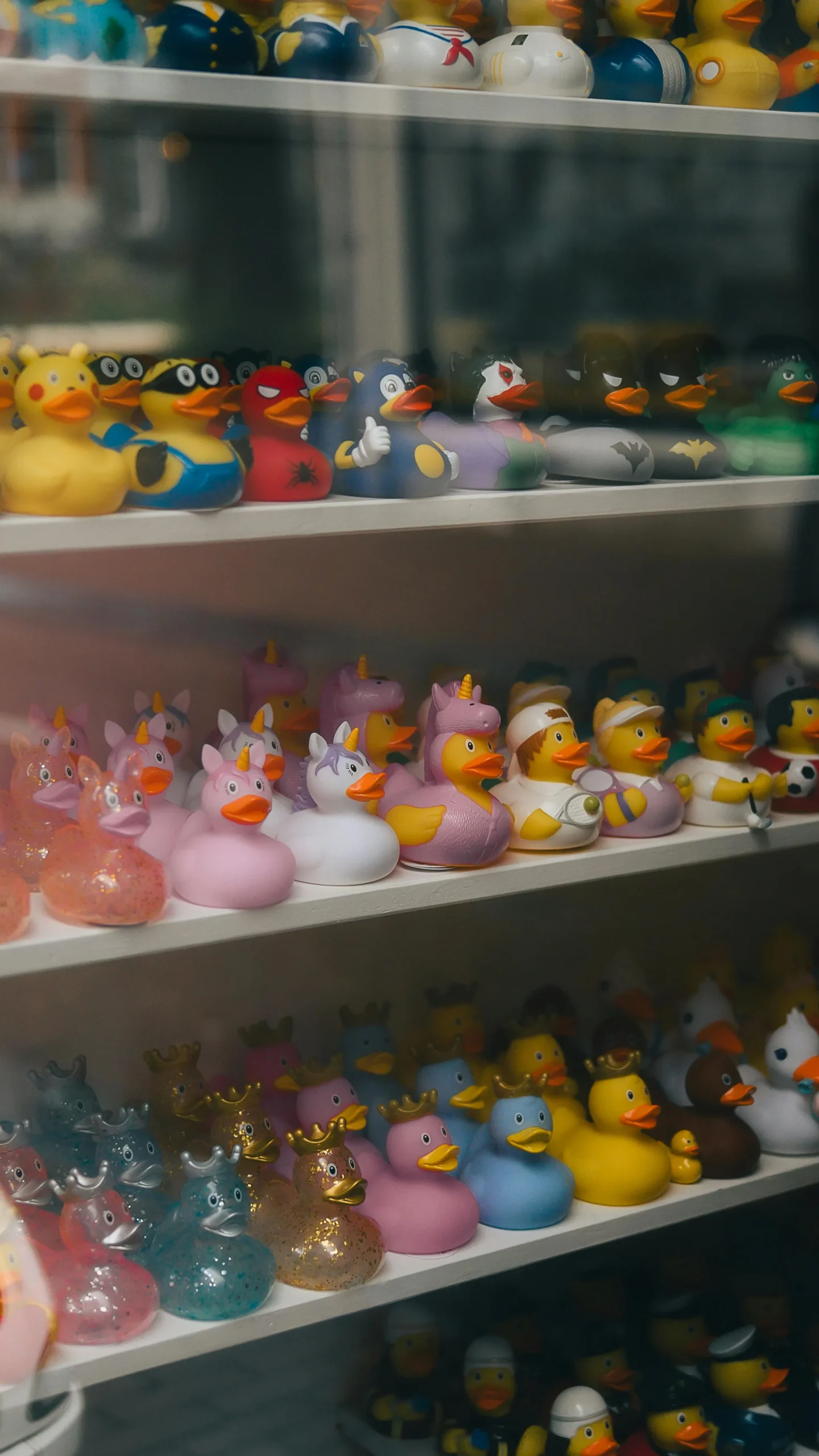
Trade show giveaways have a scaling problem: the giveaway that delights 100 visitors bankrupts the budget at 5,000, and the cheap item at 5,000 lands in the first bin at the convention center. Rubber ducks sit in the sweet spot if the order is built correctly: cost per unit drops fast at quantity, branding is…
Multi-Material Ducks: When Hats, Props and Assemblies Need Extra Tooling
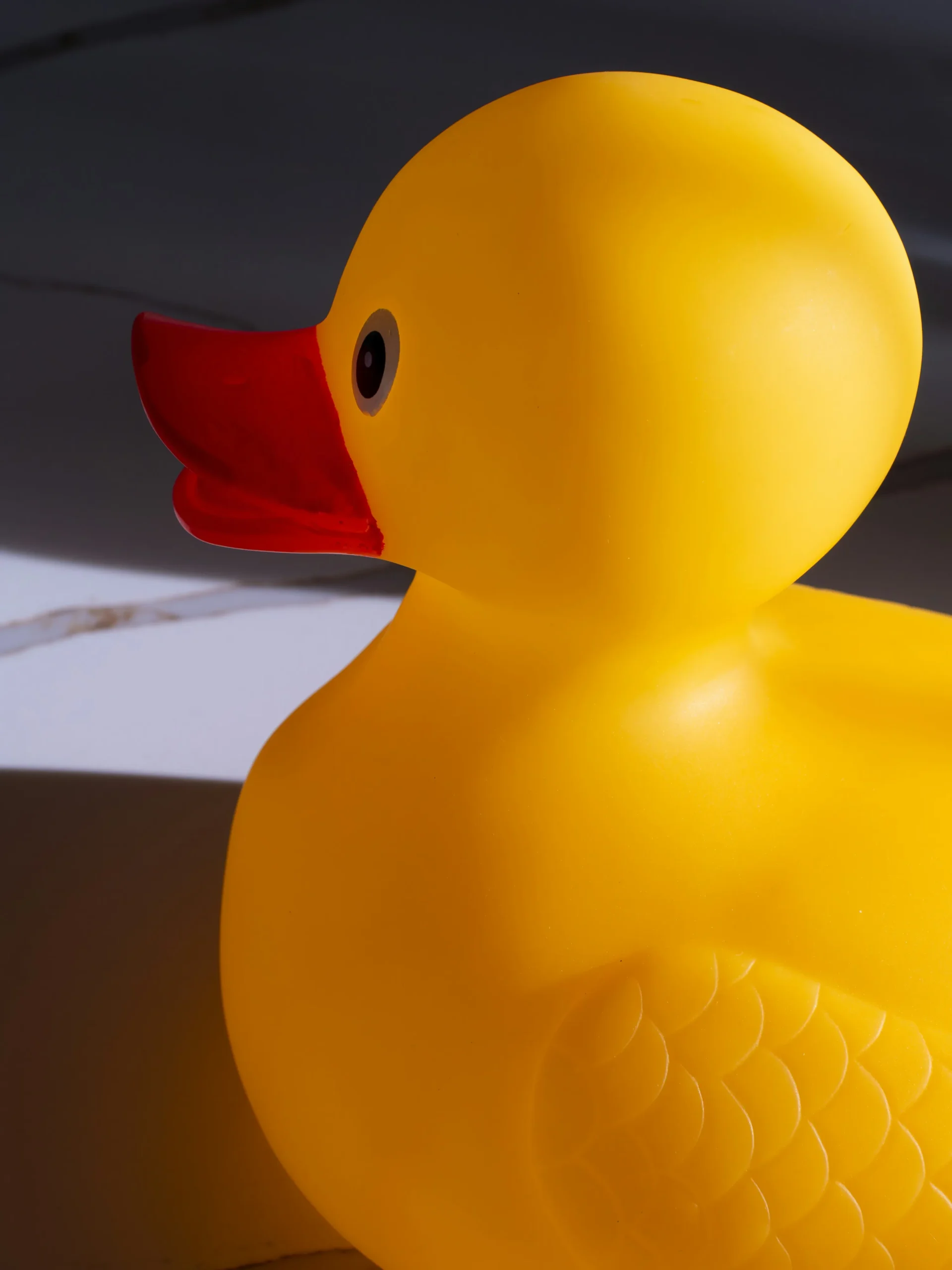
A custom duck design usually stops at a colored body and a printed logo. Then a brand asks for a hat, a jersey, a held object or a moving part, and the conversation becomes tooling: multi-part ducks are assemblies, and assemblies carry mold, material-fit and assembly-cost decisions that a single-body duck never faces. This guide…
Color Trend Cycles in Promotional Toys: Ordering the Right Duck Palette
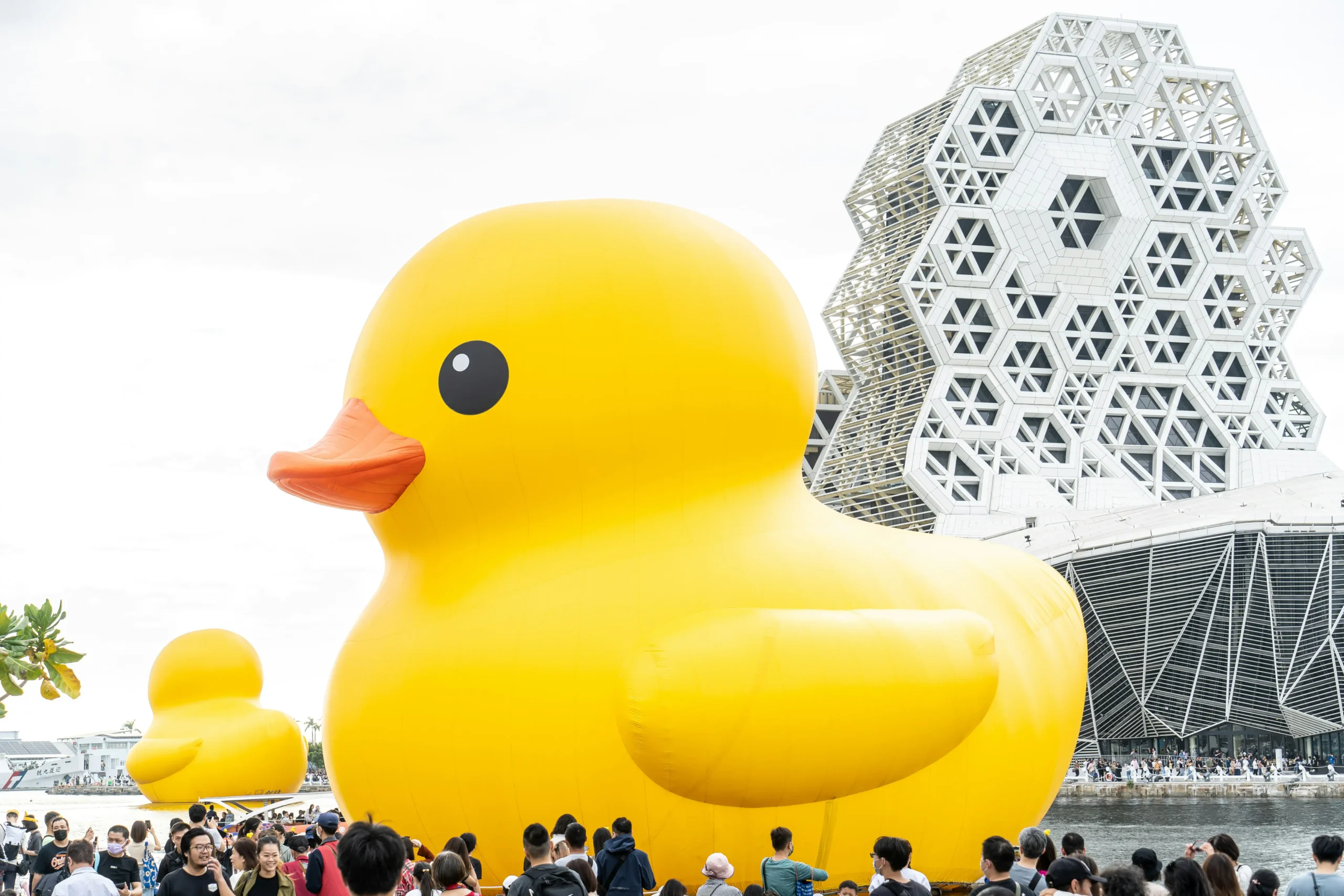
Promotional toy color is not a taste decision; it is an inventory decision with a clock on it. Ducks ordered in last year’s palette mark down, and palettes ordered too late miss the season they were meant for. Color trend cycles in consumer products move on a published rhythm, fashion seasons ahead of retail shelves,…
Dental, Medical and Realty Office Ducks: Occupational Giveaways That Patients Keep
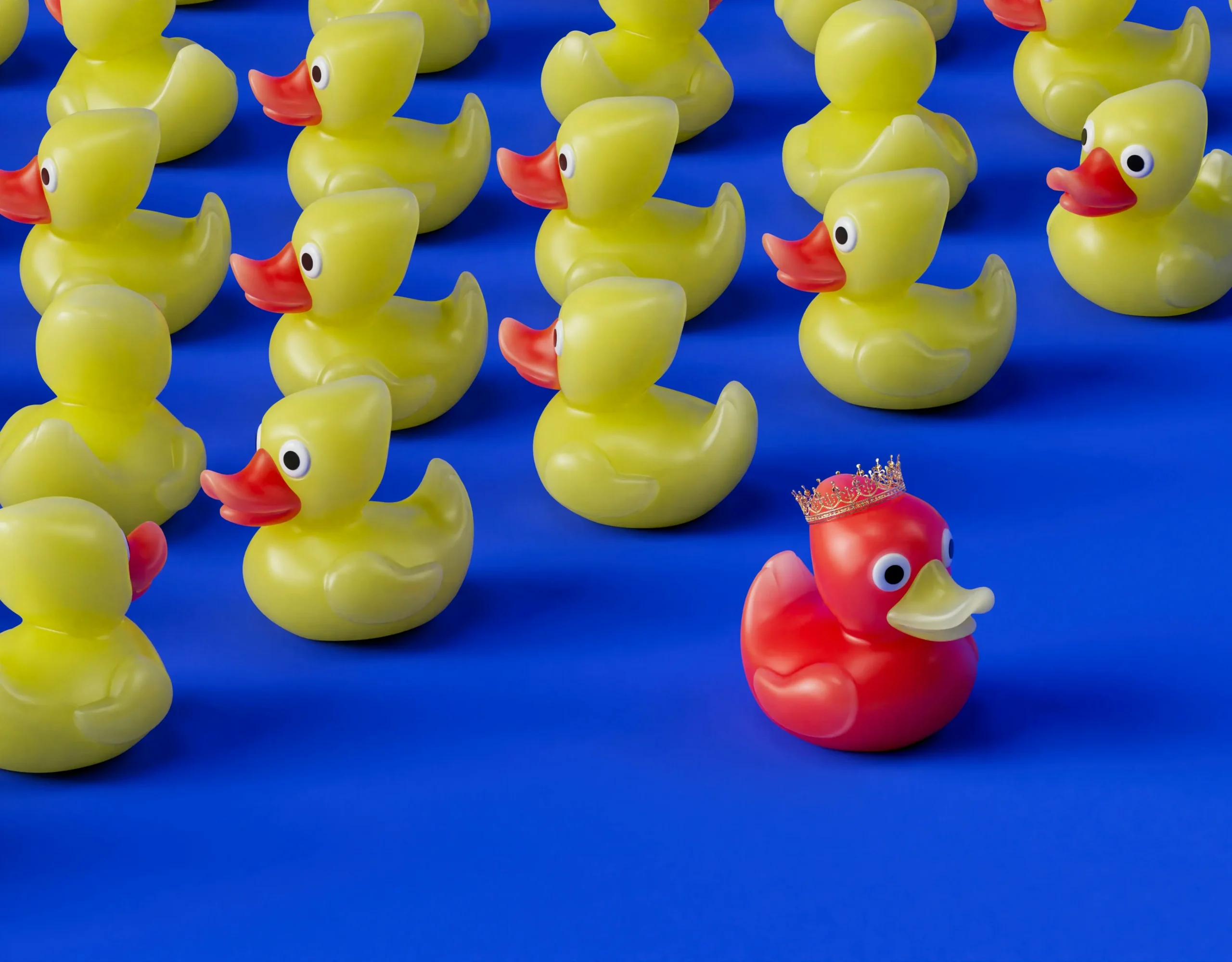
Office giveaways live or die by one question: does the recipient keep it? Dental practices, medical clinics, law firms and realty offices order rubber ducks because a duck on a desk or bathroom shelf outlasts every pen and stress ball in the drawer. But occupational ducks are a different merchandising job from holiday stock: the…
Phthalate-Free PVC for Rubber Ducks: What REACH and CPSIA Actually Test

Phthalates are the reason a rubber duck can make a promotion a compliance story. The plasticizers that once softened PVC are regulated in toys across the US and EU, and buyers who order custom ducks without naming the material requirement inherit whatever the factory used. This guide explains what phthalate-free PVC means in production, what…