
Duck Vinyl Shore Hardness: The Number Behind the Squeeze Feel
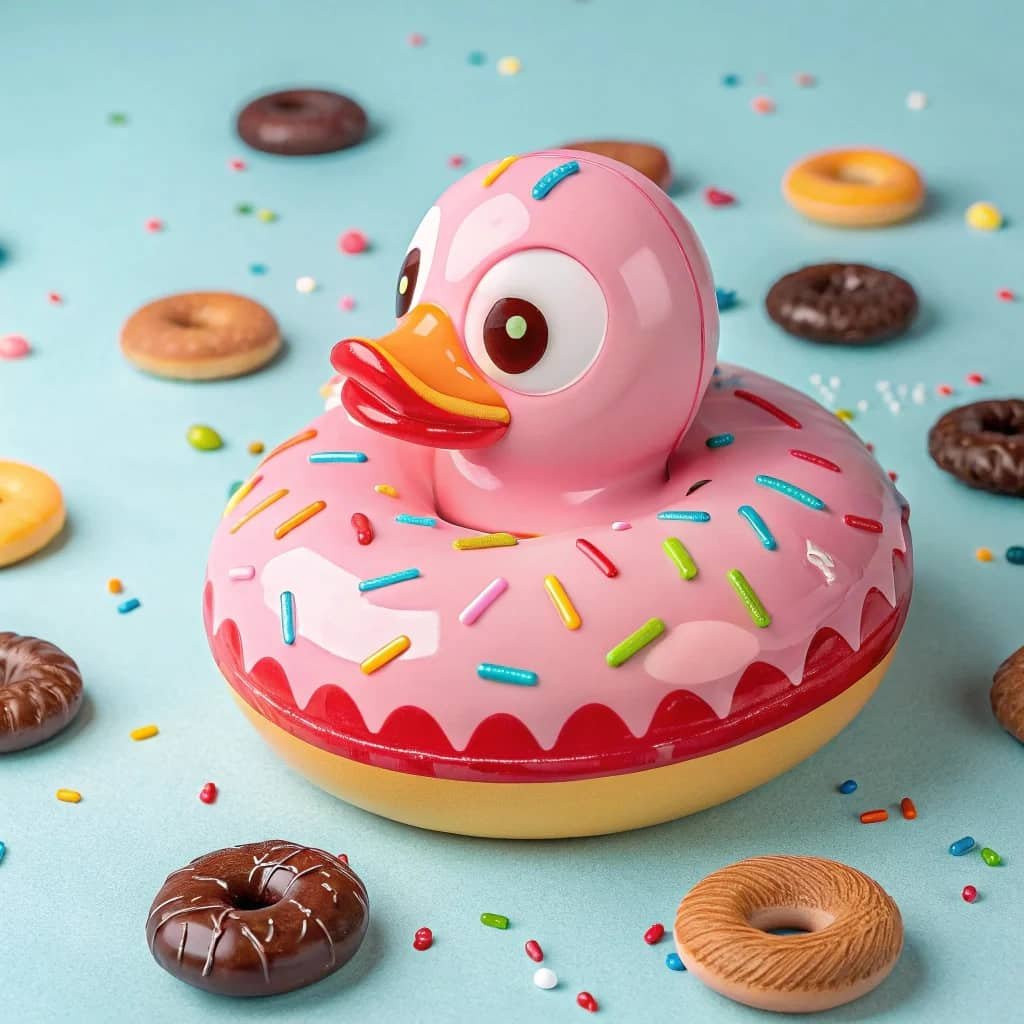
Squeeze a cheap duck and a well-made duck back to back and your hand will tell you the difference before your eyes do: one yields springy and returns to shape, the other feels like a bath toy left in the sun, stiff or mushy at random. The property your hand is reading is durometer, the…
Who Owns the Duck Mold? Tooling Ownership When You Switch Factories

The mold is the most valuable object in a custom duck program: a steel tool that turns a design into 5,000 repeatable units a day. It is also the asset buyers think about least until they want to change factories, and then the question lands hard: who owns that mold? The answer depends entirely on…
Swim Schools and Aquatic Centers: Ducks as Lesson Milestone Rewards

Swim schools have quietly become one of the best repeat channels for custom ducks, and the reason is structural: lesson milestones. A swim program needs a physical reward the moment a child clears a level, four to twelve times a year per student, and the reward has to be cheap enough to give every graduate,…
Jeep Duck Dash Fade: UV, Heat and the Specs That Hold Up
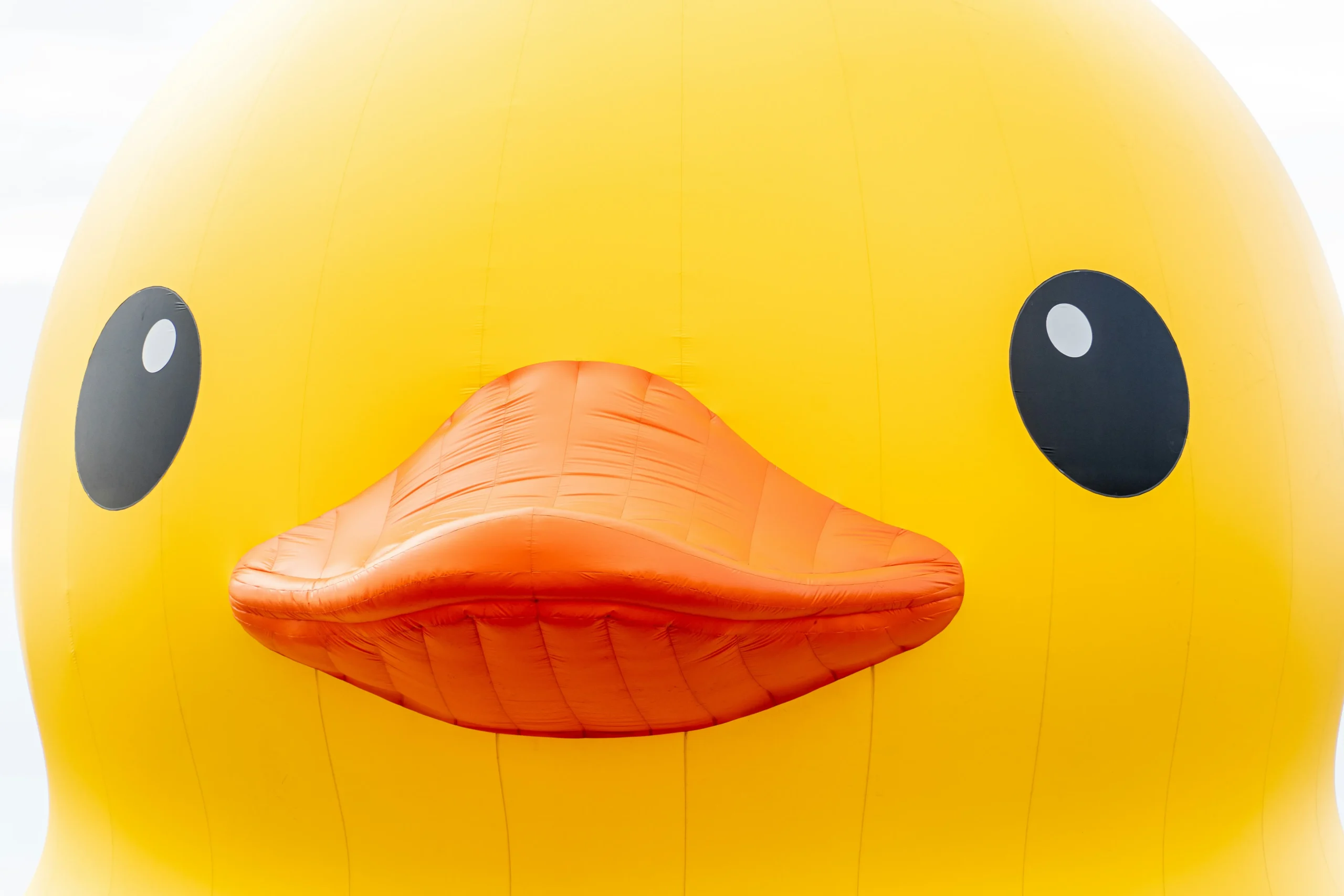
A duck left on a Jeep dashboard lives one of the hardest lives in the promotional-toy world: glass-magnified summer sun, dashboard surface temperatures that exceed ambient air by 20 to 30 degrees C, and daily thermal cycling from a parked rig to a moving one. Colors fade, vinyl stiffens, and the club duck that looked…
Reading a Rubber Duck Quotation: The Line Items That Matter

A rubber duck quotation looks simple until two suppliers quote the same duck 40 percent apart. The difference is almost never deception; it is line items: one quote bundles tooling into the unit price, one quotes a different carton pack, one assumes pad printing and one assumed a molded-in logo. Buyers who read a quotation…