Skip to content
Licensed Character Ducks: What Buyers Must Confirm Before Moulding

A duck shaped like a character, a team mascot or a brand mascot is a licensed product whether or not anyone calls it one. The moment a design depends on a mark someone else owns, the production question becomes a permissions question, and the permissions are usually more restrictive than the moulding. Most problems in…
Toy Safety Files for Duck Imports: Test Reports, Declarations and a Per-Market Checklist
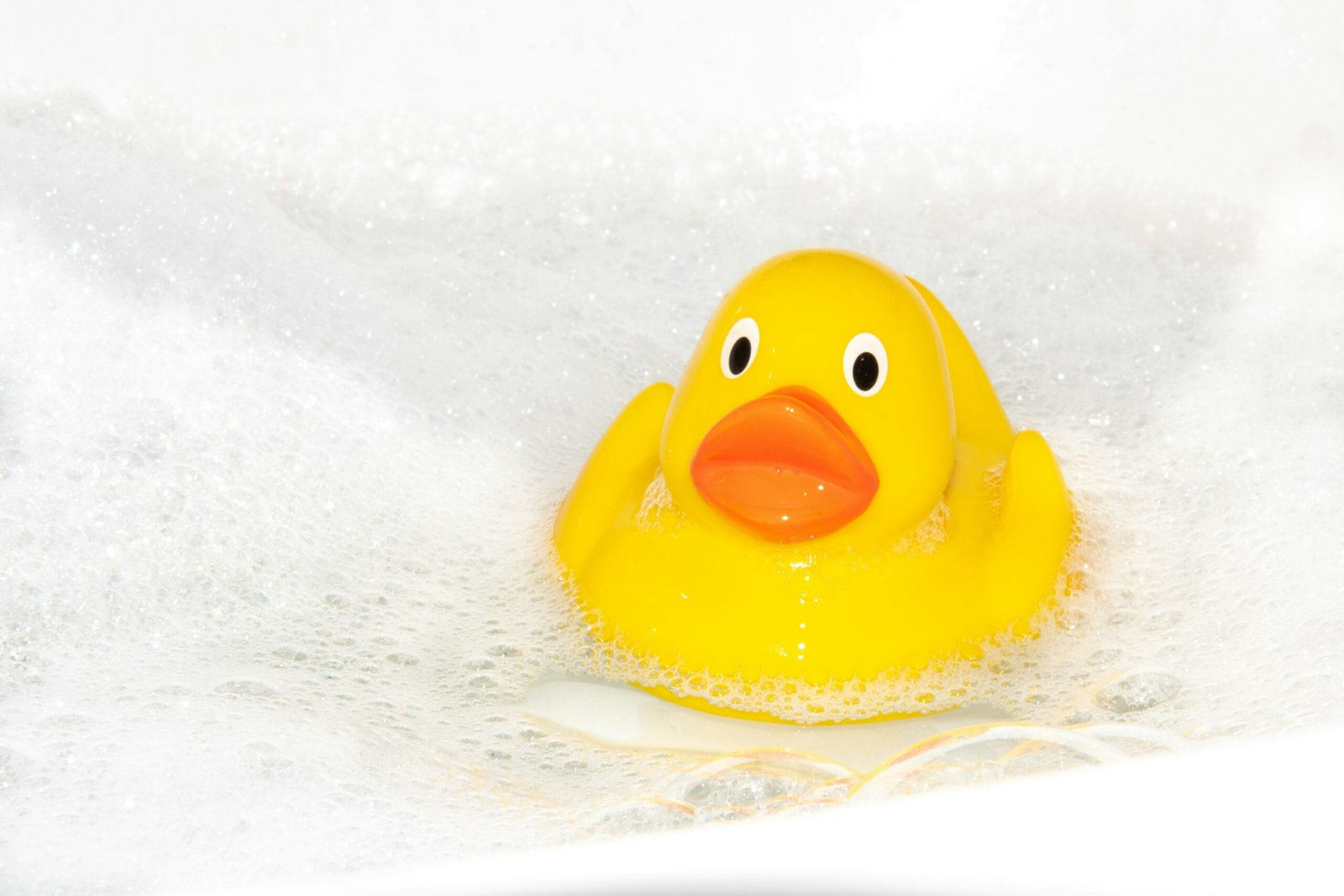
A rubber duck looks like the simplest possible import until a retailer, a marketplace or a customs officer asks for the safety file. At that point the question is not whether the duck is safe but whether the importer can produce the documents that demonstrate it, in the format the destination market expects. The file…
Employee Recognition Ducks: Monthly Programmes That Actually Get Shared
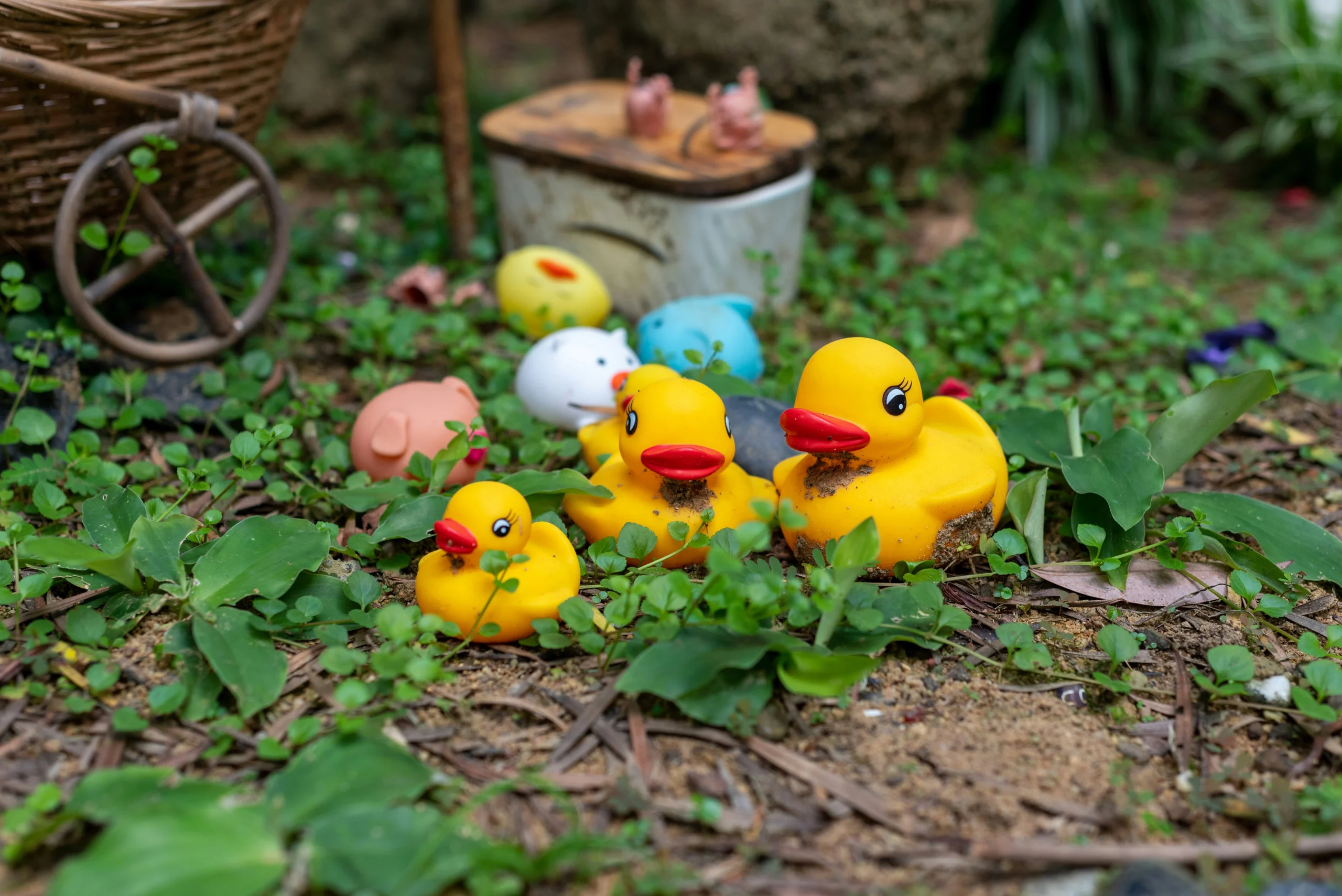
Recognition programmes fail for a predictable reason: they are annual, so they are memorable once and forgotten eleven months later. A monthly duck programme works the opposite way. It is small, cheap, repetitive and physical, and the object sits on a desk where other people see it. The design work is mostly in the cadence…
Running a National Jeep Duck Day: Planning a Coordinated Community Campaign
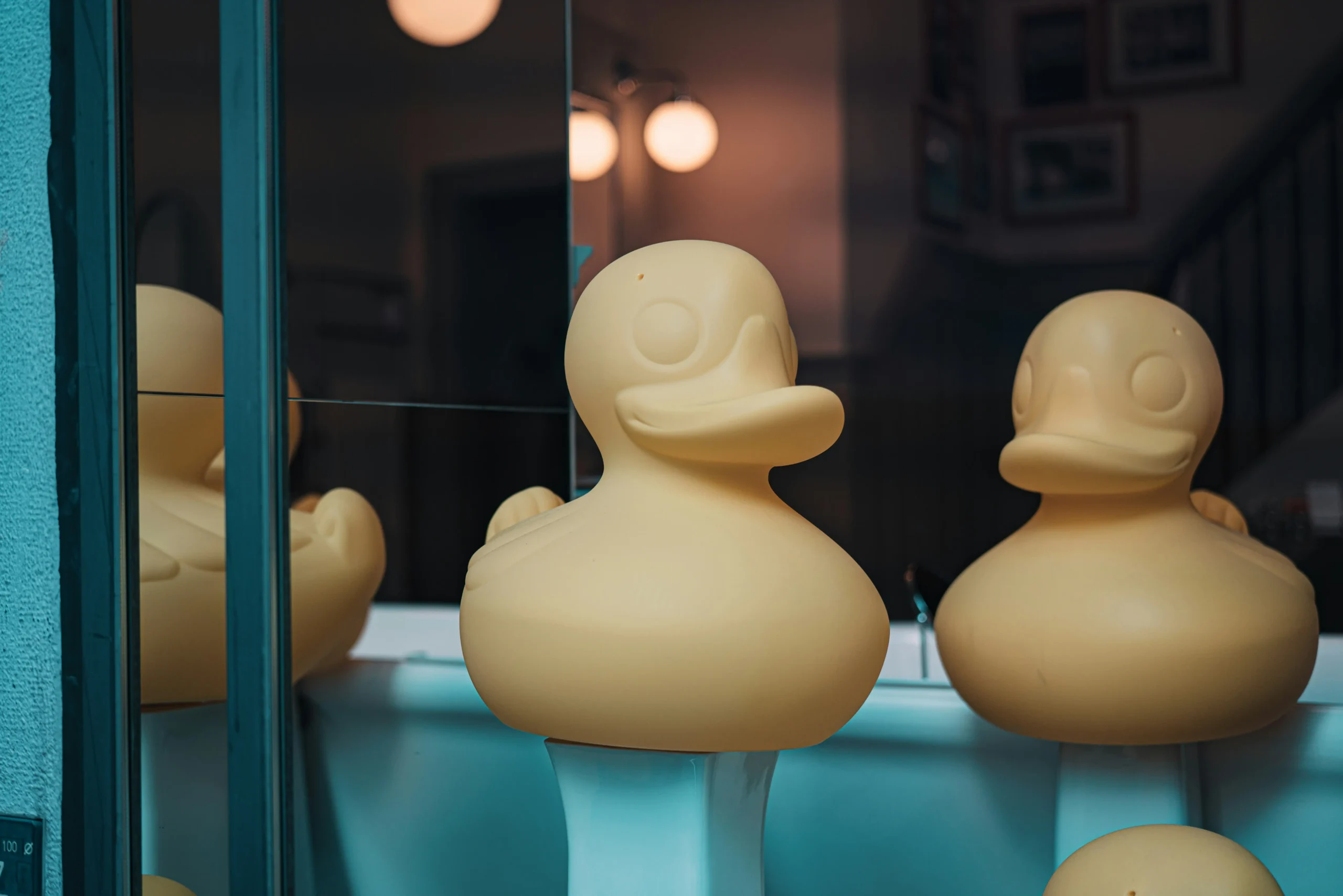
A community ducking day looks spontaneous from the outside and is anything but. Someone decides how many ducks to make, what goes on the tag, where the ducks are handed out, how the club explains itself to someone who finds a duck on their door handle, and what happens if the day goes wrong. Planning…
Duck Base Designs Compared: Flat, Weighted and Suction Bases
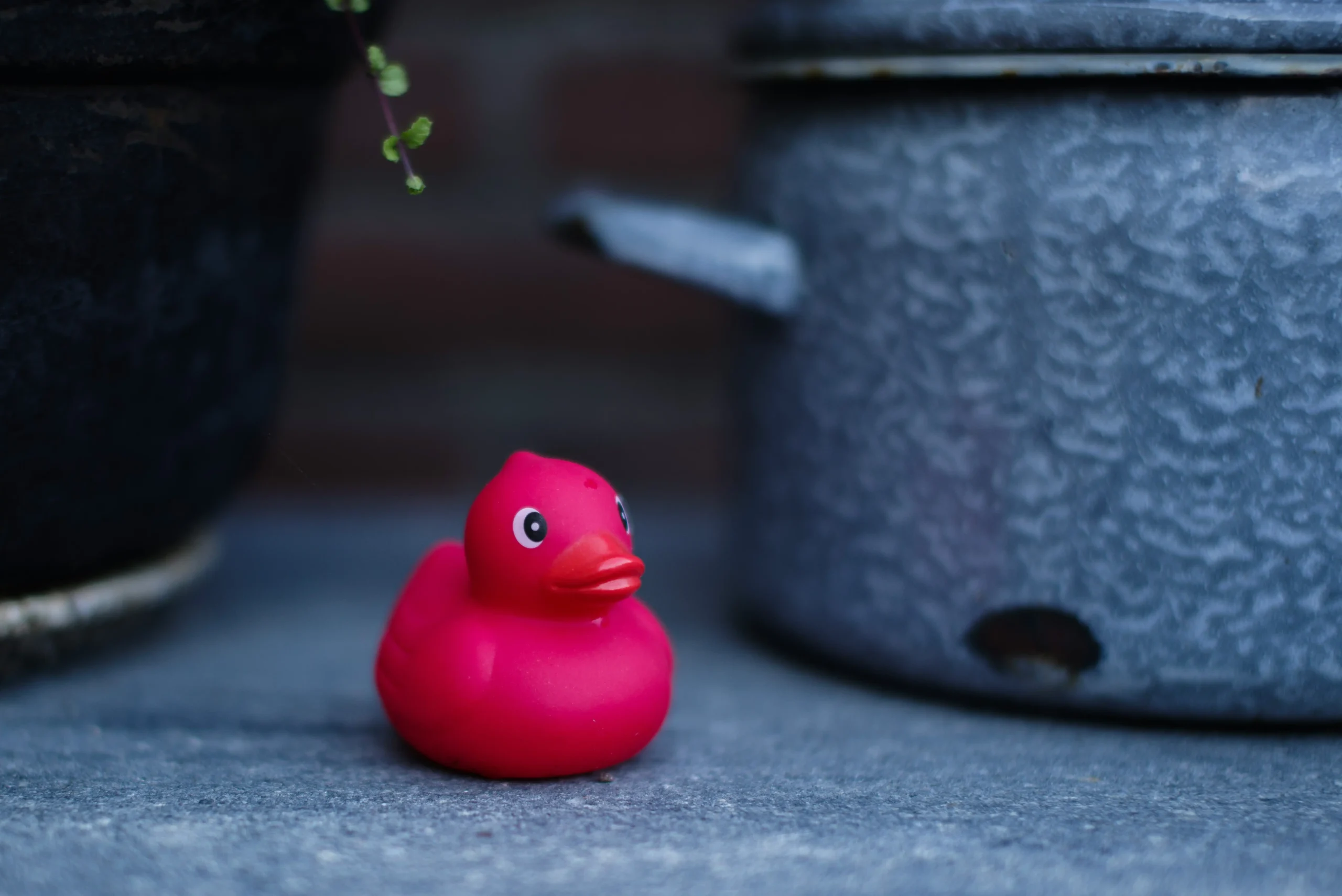
Two ducks can leave the same mould, use the same vinyl and the same paint, and behave completely differently in water because of one detail: the base. The base decides whether the duck floats upright, tips over in a ripple, sinks slowly, or stays exactly where it is put. For a promotional duck the difference…