Skip to content
Travel brands have spent a decade learning the same lesson: the amenity that guests keep is worth more than the amenity that guests use. Amenities kits fill drawers; a small character toy rides home on a shelf, shows up in vacation photos, and bookmarks the trip in memory. Rubber ducks have been quietly travelling this route, cruise lines ducking traditions on deck, family-flight comfort gifts, hotel kids’-club mascots, and the pattern is now visible enough that travel marketers treat branded ducks as a category rather than a stunt. This article looks at where travel ducks fit, what travel brands actually order, and why the collectible dynamics that work on cruise decks are spreading to airlines and family resorts.

The Cruise Deck Tradition That Started It
Cruise lines discovered duck culture accidentally and adopted it deliberately. Guests began hiding ducks around ships, a land-based ducking tradition adapted to the deck, leaving tags and taking photos, and the lines noticed that the game generated exactly the engagement marketing money cannot buy: passengers touring every deck hunting ducks, posting finds daily, joining ship-specific social groups that persist long after disembarkation. Lines now lean in with official cruise-duck drops, branded hide-and-seek events and voyage-legend ducks that change each sailing. The collectible engine behind this is the same one documented in our guide to the collectible rubber duck market: scarcity per voyage, design variants per ship, and a community that assigns value through trading. Travel-adjacent brands watching this phenomenon are effectively watching a live experiment in physical community-building, and travel advisor networks such as ASTA, the American Society of Travel Advisors, report clients increasingly asking for experiences their families will remember, the exact niche a keepsake amenity occupies.
Airline and Resort Applications: Comfort at Altitude
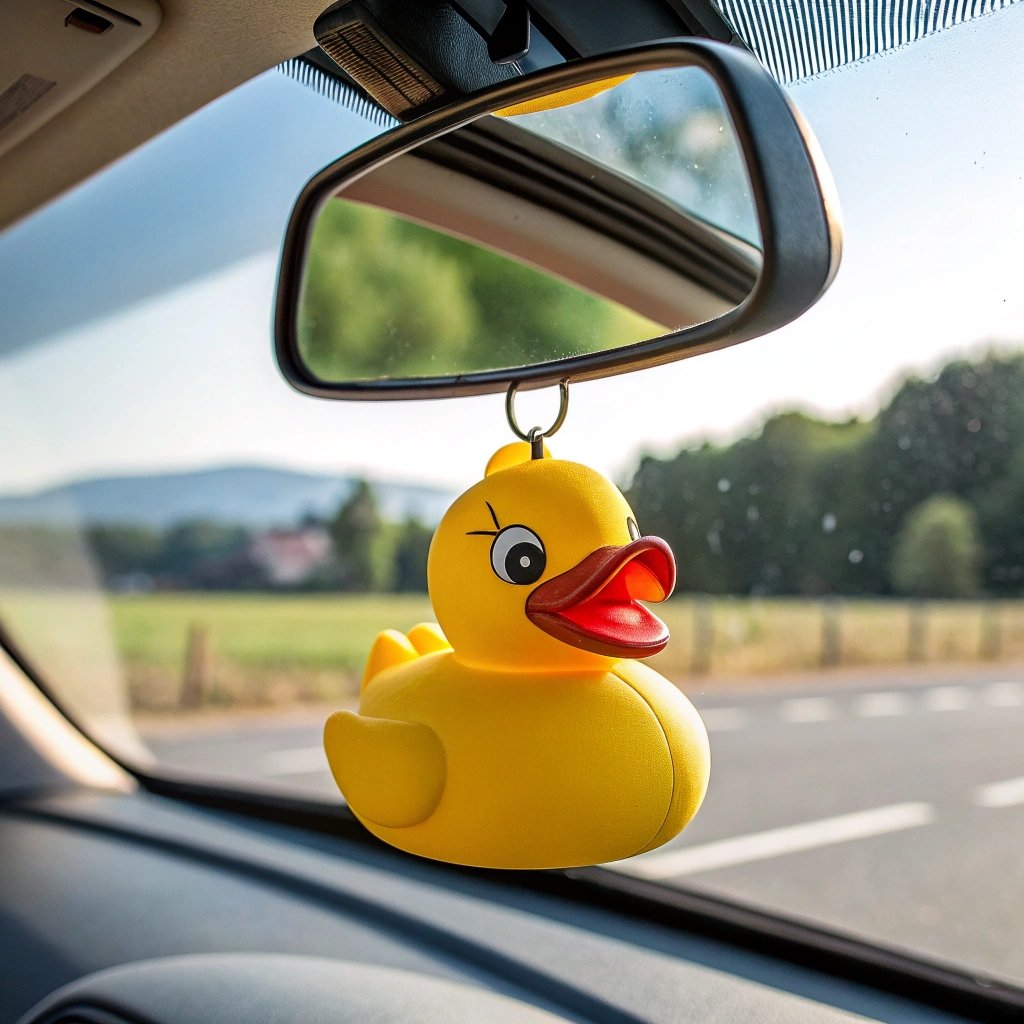
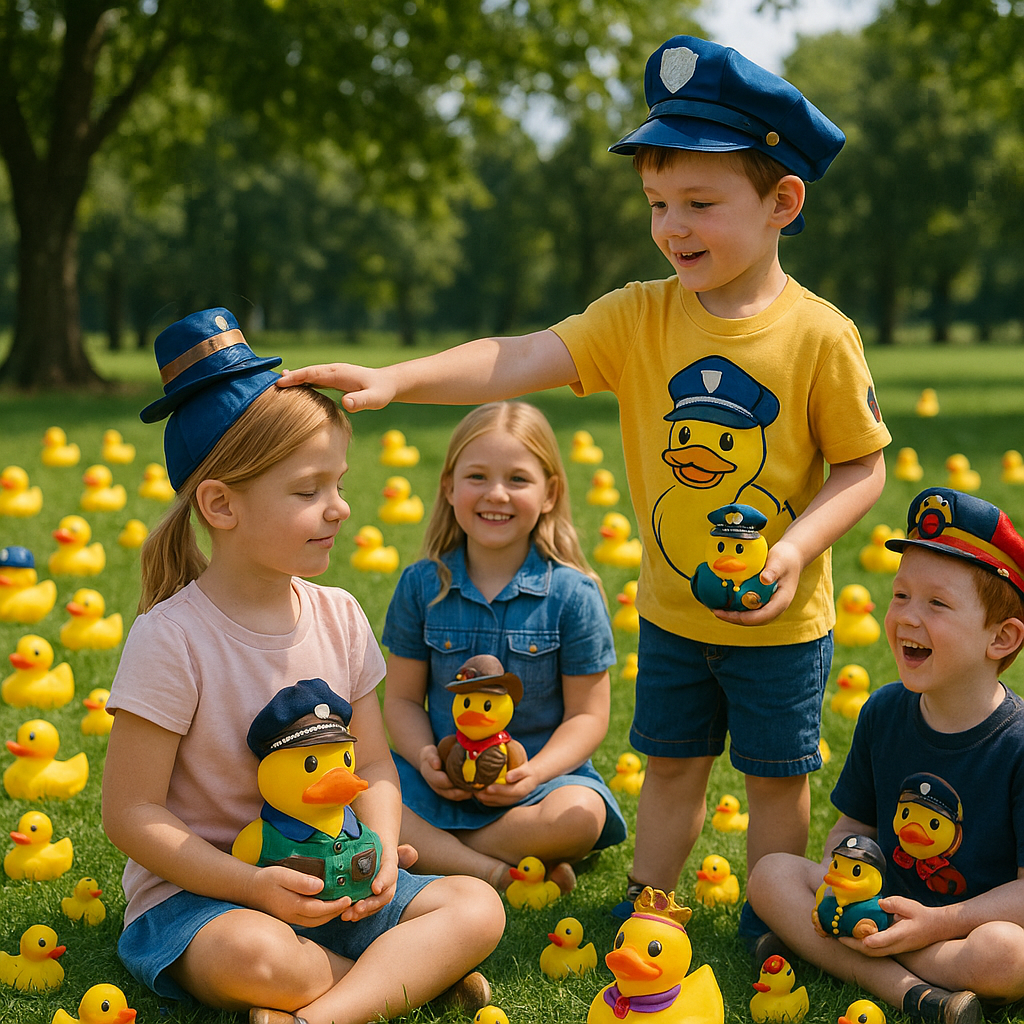
The airline use case is narrower but real: family-comfort gifts on long-haul flights, kids’ first-flight certificates paired with a winged-duck, and seasonal cabin campaigns where a small duck defuses the stress of traveling with children. Resorts and family hotels run the deepest programs, kids’-club memberships marked by a mascot duck, turn-down service ducks on family suites, and pool-deck duck hunts that occupy children while parents actually relax. The ordering pattern across all of these is consistent: smaller duck sizes for packing and handing, washable materials for pool and cabin use, and a design tied to the brand’s own iconography rather than a generic duck, because the amenity doubles as brand advertising that guests carry through security. Our overview of personalization at scale in the swag era explains how modern factories handle name- and route-level variants that these programs request.

What Travel Brands Actually Order
Spec sheets from travel programs cluster around a few consistent choices. Size runs small, palm-scale ducks that pack into amenity kits and do not complicate cabin weight. Accessories arrive molded-in rather than attached, tiny captain hats, life vests, airline scarves, because sewn-on parts complicate child-safety compliance while molded features do not; our guide to molded-in duck accessories covers the construction options. Quantities run large but rhythmic: seasonal drops aligned to holiday travel peaks, ship-class or route variants for collectors, and reorders timed to fleet expansions rather than calendar dates. Compliance paperwork travels with the order, since amenities distributed to the public carry the same toy-safety documentation duties as retail products, and travel brands’ procurement teams check those documents as rigorously as any retailer. One more pattern matters for buyers: packaging is part of the spec, because a duck that doubles as a shelf-ready keepsake needs header cards and hang holes, not a polybag.
The Trends Case: Why This Category Keeps Growing
Three currents push travel ducks from novelty to category. Experience gifting keeps rising, and a keepsake amenity is experience marketing that survives the trip: guests forget the water bottle, they remember the duck that rode the balcony rail. Collectible culture keeps recruiting adults, and travel provides the two ingredients collectors need most, scarcity tied to a specific voyage or route, and a story attached to every unit. And social sharing keeps doing the distribution: every deck-hunt photo and dashboard photo is earned media with the brand’s duck in frame, reaching audiences that advertising rarely touches. For trend watchers, the signal to track is which travel brands move ducks from crew-handed gifts onto retail shelves onboard, because that is the step where amenity becomes merchandise, and the merchandising margins justify full programs rather than one-off campaigns.
FAQ
Why are rubber ducks popular on cruises?
A deck-hiding ducking tradition took hold among passengers: hunting, posting and trading ducks engages the whole ship and produces daily social media content for the voyage.
What size duck suits airline amenity programs?
Palm-scale sizes that pack into amenity kits without affecting cabin logistics, with molded-in rather than attached accessories for child-safety compliance.
How do resorts use branded ducks?
Kids’-club membership mascots, turn-down gifts on family suites and pool-deck duck hunts: the duck marks membership and keeps children engaged through the stay.
Do travel amenity ducks need toy-safety compliance?
Yes when distributed to the public. Amenities carry the same safety documentation duties as retail toys, and travel procurement teams verify reports before ordering.
What is the next step for travel duck programs?
Onboard retail. Moving ducks from crew-handed gifts to shelf merchandise is where the category’s margins justify full collectible programs.
Video: Family Cruises and the Duck Phenomenon
Building a branded comfort amenity for travelers? Our custom duck solutions team works with travel brands from concept sketches to cabin-ready packaging.