The figure most teams report for a duck giveaway, the campaign spend divided by the number of ducks that left the table, is honest arithmetic about the wrong event. The handover is the moment the object stops being the factory's and starts being the recipient's property. The event roster is the part most teams do measure, and the giveaway planning notes cover how the table itself is run. What a giveaway buys is what happens to that object afterwards, and the reporting almost never reaches that far.
In short: measure the giveaway on a fixed window rather than on the day. Count units taken against units offered as a control, log documented displays as the middle metric, and run a short recall check at the end of the window that asks for the brand from memory. Then divide the spend by documented displays instead of by units, and set that figure beside the channel you would otherwise have bought. A duck nobody displays is not an inexpensive impression. It is a spent budget line with no denominator.
Why the per-duck figure says nothing
Most teams report a duck campaign the way they report a pen order: total spend, total units, one division and a shrug. The division is not wrong, but it describes a transaction that ended when the duck changed hands, and the interesting part of a giveaway begins after that point. A figure built on units handed out rewards whichever item is least expensive to produce, and that item is usually the one that stops working first, because it had nothing to do once it was taken.
A duck differs from the other items in the bag in one specific way. It has no function that can fail. A pen runs dry, a sticker needs a surface nobody offers it, a squeeze toy splits along its seam, and each of those failures ends the impression. The duck sits where it was put and keeps looking cheerful, so the moment of value is not the handover but the display, and a display is countable if somebody decides to count it. That decision is the whole method.
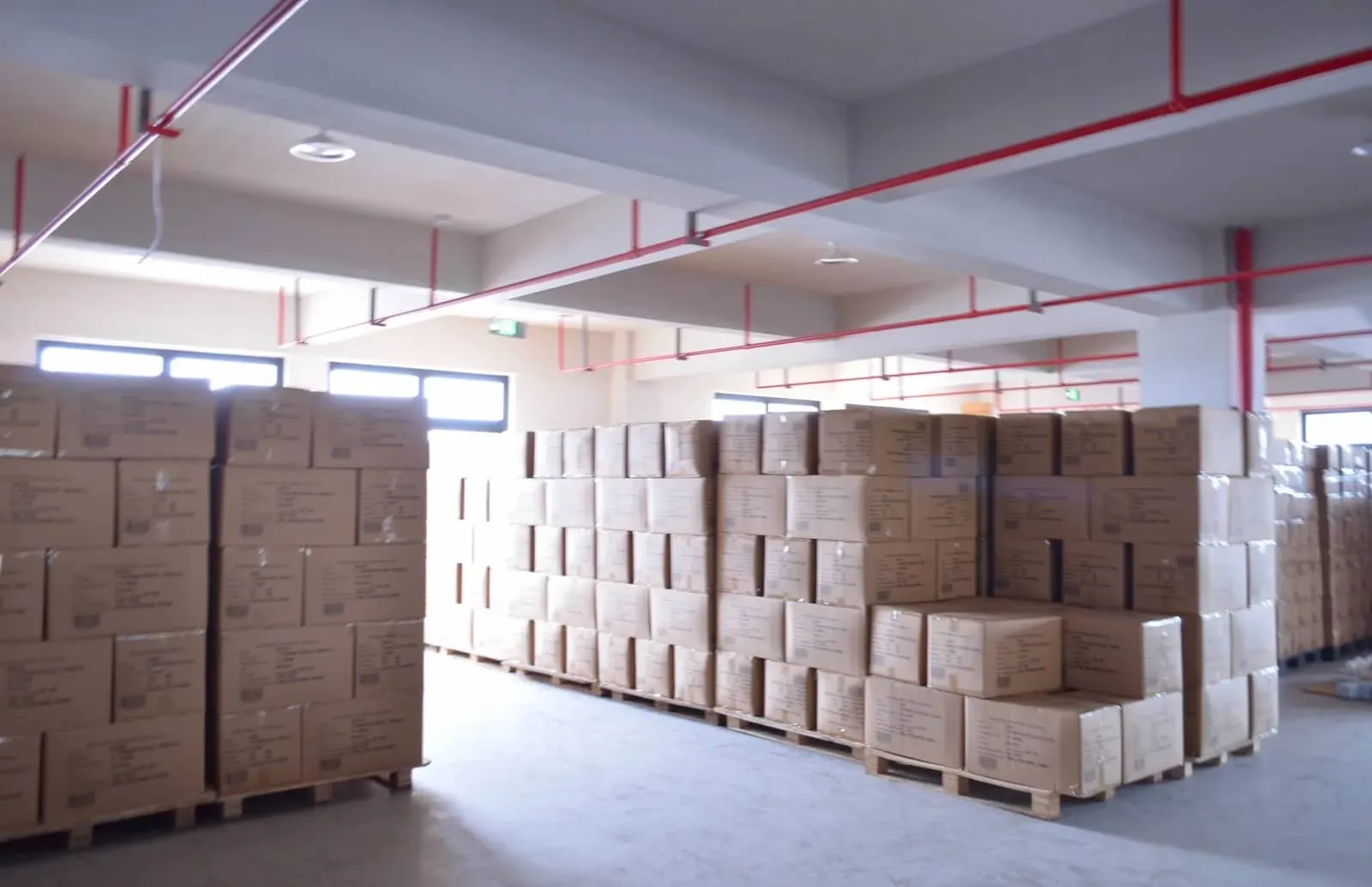
The practical consequence is that the denominator has to be built by hand. Nobody's software tells you how many ducks are on a desk in week four, so the number only exists if the campaign was designed to produce it. Two campaigns are needed before the figure means anything to a budget holder, because the first one sets a baseline for that audience rather than proving a point about ducks in general.
Three layers of lift a duck can move
Brand lift from a small object arrives in three layers, and each one needs its own instrument. Treating them as one number is what makes a giveaway report unreadable, because a campaign can win one layer and lose the next without anybody noticing which happened.
The first layer is capture: how many people took a duck. Count units gone against units offered, and count it by hour and by table rather than once at the end of the day, because a bin that empties at eleven in the morning and a bin that empties at the last minute describe two different events. The hourly count also tells you whether the table was staffed, whether it was in the flow of the crowd, and whether the item was visible from the aisle.
The second layer is contact: how many people put the duck somewhere it can be seen. This is the layer nobody can survey honestly, so it is inferred from evidence that carries a date and a place, such as a photo a recipient posted, a tag that names the event, or a return visit where the duck is still on the desk. An unlogged sighting is an anecdote, and an anecdote cannot be defended in a review.

The third layer is recall: how many people remember who gave it to them several weeks later. That is the layer the whole exercise exists for, and it is the least expensive to collect if the distribution list was kept. Ask whether the duck is still around, where it lives now, and which company gave it. The third answer is the recall figure, and it is worth more than the other two combined when the campaign is being compared with a paid channel. The swag bag buying guide covers the packing side of the same event, which decides whether the duck leaves in a bag or in a hand.
Instrument the campaign before the first duck ships
What cannot be counted cannot be defended later, so the measurement has to be built into the object and the event rather than reconstructed afterwards from memory. In practice that means deciding two things at the artwork stage: what the duck carries into the world, and what record the event leaves behind.
A printed mark is a keepsake. A printed mark plus a scannable code is a keepsake and a counter, because a scan is a deliberate action by a recipient and it can be tied to a date, a table and a batch. The code does not make a giveaway smarter on its own; it makes it traceable, and traceability is what separates a report from a claim. The one decision that matters is where the code sits, because a curved gloss body is a poor surface for a camera held at arm's length.
The code belongs on a hang tag whenever the order allows it. A tag is flat, it can be reprinted for a second event without touching the duck, and it leaves the body clean for the mark that has to read across a room, which is the same trade the hang tag notes work through. A tag is also the easiest place to correct a mistake, since a reprinted card is a print run while a corrected mould is a new tool. The artwork itself should be approved on the actual body rather than on a white template, because a mark that looks generous on paper can crowd the beak or the crest on the duck. The logo fading notes explain why the approved unit has to be kept with the file rather than with a photograph of it.
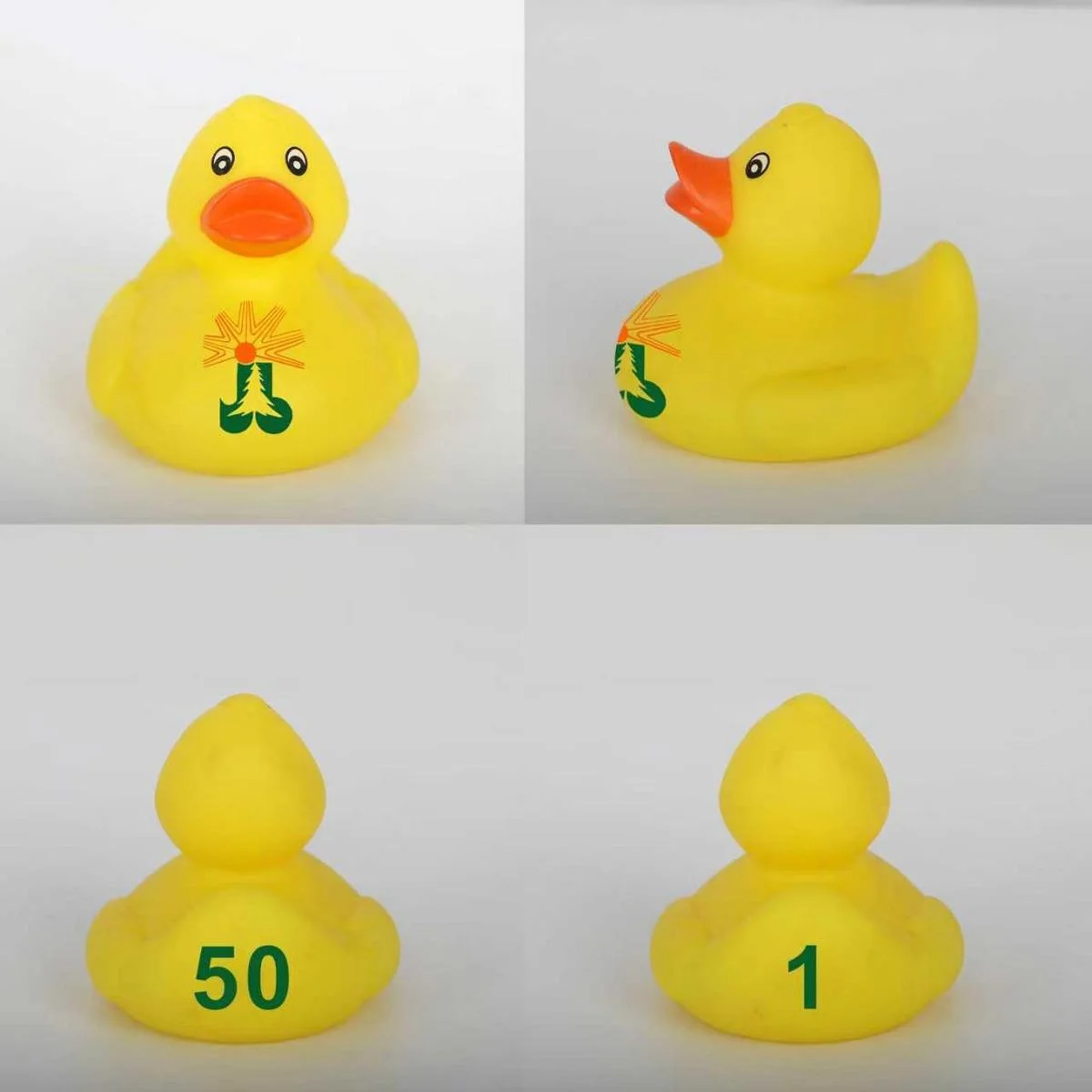
The other half of the instrumentation is the record the event leaves behind. A single sheet per table, with the date, the location, the batch code and the hour blocks, is enough to make the capture layer real. Without that sheet, the only artefact of the day is a photograph of a table, and a photograph proves that ducks existed rather than that they moved.
What counts as a documented display
A documented display is a sighting that can be dated and placed: a photo the recipient posted, a tag that names the event, a follow-up visit where the duck is still on a desk or a dashboard. It is the honest middle metric between a unit handed over and a survey answer, and it is the one most teams skip because it requires somebody to do paperwork for six weeks after the event.
Three rules keep the log from inflating. Never count the handover, because a duck in a bag is not a display. Never count two photographs of the same duck as two displays, which is easy to do when a recipient posts three angles of one duck. Never count a sighting that cannot be dated, because a memory of having seen a duck somewhere is not evidence of anything and it will not survive a question in a review meeting.

The log also has a second use that nobody expects: it tells you which audience the duck actually suits. If the sightings cluster on desks in offices but not in cars, the next campaign for that buyer should be specified for a desk. A dated duck, printed with the event name, makes this easier again, because a photograph of the duck carries its own caption and the sighting does not need to be explained. That is a design decision taken for the sake of evidence rather than for the sake of beauty, and the duck race fundraiser notes show the same logic at a much larger count.
A 90-day measurement loop
Set the window before the budget, not after the event. A duck's job is delayed recall, so a one-day measurement will always make a pen look better, and a twelve-month measurement will lose the staff who ran the campaign. A quarter is the smallest span in which the object has time to travel home and the recall question still refers to something the recipient remembers doing.
Run the loop in four moves. Fix the denominator at the start of the window, so nobody redefines it afterwards. Instrument the campaign before the first carton leaves, with the tag, the code and the table sheet in place. Collect the display log through the window rather than at the end of it, because sightings fade. Then close the loop with three ratios: displays per log period, recall attribution, and spend per documented display, each set beside the alternative channel that was in the budget meeting.
The loop only holds if the batch holds. A recall number collected against a batch that nobody can identify is a number without an owner, so the batch record belongs in the same file as the display log: the approved mark, the colour reference, the code, and the inspection notes that say the run matched the approved unit. When the two records sit together, a drop in recall can be read as a campaign problem or as a batch problem, and those two have different answers.
When to skip the duck
A duck works only when the recipient has somewhere to keep it, and several audiences have nowhere at all. An airport terminal, a one day festival exit and a conference with no desk traffic are weak placements, because the item is dropped before the mark is ever read. In those settings a different object, or no object, is the better buy. The loyalty reward notes cover the audiences that do keep a small object, and the recognition gift notes cover the ones that take it home.
Skip the custom shape on a first test as well. A printed duck on a stock body answers most of the measurement question, and tooling bought before there is retention evidence is tooling bought on a guess. If the campaign genuinely needs a tool, buy a tool for a reason that is written down; if it needs to be remembered, judge the duck on remembering and let the shape stay ordinary.
There is a design limit worth naming too. A duck cannot carry a date range, a promotional term or a paragraph of copy. It is a mood object with a mark on it, and a buyer who turns it into a leaflet ends up with a duck nobody reads and a recall check that cannot be interpreted. One mark, one tag line, one code is the practical ceiling.
The children's product file comes first
A duck handed to an adult at an event still ends up in a house with children often enough that the safety paperwork belongs in the campaign plan rather than in a folder that opens after a complaint. The obligations are well defined. The CPSC toy safety guidance sets out the toy definition and the certification boundary, and the practical version for a campaign buyer is to know which standard the duck was assessed against and to keep the report with the batch record.
The small parts question is the one that changes a giveaway specification. Under 16 CFR 1501.4 a toy intended for a child under three may not be small enough to fit inside the test cylinder, and a detachable hat, a loose tag or a squeaker that can be worked free is a separate part to answer for. A one piece body with a moulded beak and moulded eyes has nothing to release, which is why it is the simplest object to place in a giveaway that will be taken home by somebody's child. The safety test notes and the label guide cover the documents that go with that body.

Two documents belong in the campaign file and neither of them is a phrase. One is the test report that names the model, the colour and the date. The other is the artwork and label approval, so the age guidance on the pack matches what was tested. A tag added for the campaign is a new article to review rather than a decoration, because it is a cord, a clip or a small printed card that did not exist when the body was assessed.
Five questions to settle before the spend
- Which layer of lift is this campaign supposed to move, capture, contact or recall?
- Does the print carry a mark that reads from a normal standing distance, and a code big enough to scan?
- Is there a landing page and a distribution list ready before the first carton ships?
- Who owns the display log, and how often is it updated while the campaign is live?
- Does the safety file name every duck design, colour and tag in the batch?
| Layer | What is counted | What the count decides |
|---|---|---|
| Capture | Units gone against units offered, by hour and by table | Whether the table was staffed and placed in the flow of the crowd |
| Contact | Dated sightings from posts, event tags and follow-up visits | Whether the duck left the bag and found a surface |
| Recall | Brand attribution in a three question follow up | Whether the object is still doing work weeks later |
| Outlay | Spend divided by documented displays | A fair comparison with the channel the budget would have bought |
Five answers, written down before the first carton leaves, are the difference between a campaign that reports brand lift and a campaign that reports a unit count with a story attached.
Frequently Asked Questions
What should a duck giveaway be measured against?
The channel you would otherwise have bought with the same budget, at the same point in the year. Comparing a giveaway with another giveaway proves nothing about the audience, and comparing it with a paid placement is the only comparison that a budget holder can act on. Use documented displays as the common denominator.
Is a printed code worth the print pass on a duck?
It is when the campaign needs evidence rather than a keepsake. A code on a hang tag is the practical route, because the tag is flat, it can be reprinted between events, and it keeps the body clean for the mark. A code that is too small to scan from a normal hand position is decoration, not data.
How long should the measurement window be?
Long enough for the duck to travel home and be displayed, and short enough that the recipient still remembers the event. A quarter is a workable default. Set it before the campaign starts, write it on the reporting sheet, and resist the urge to extend it later, because an extended window quietly changes the denominator.
Can a small campaign produce a usable figure?
Yes, if the log is honest and the audience is defined. A small campaign with a dated display log and a short recall check is more useful than a large campaign with a single total, because the small one can be repeated and compared. Run two campaigns before the numbers are used to defend anything.
Final Note
The measurement that earns a place in a budget review is dull: a window, a log, three questions and a comparison. What it lacks in novelty it makes up for in repeatability, and repeatability is what turns a giveaway from a spend that has to be justified each year into a channel that can be planned.
One dated photograph of a duck in use in week four beats a table of units, because the photograph is evidence and the table is arithmetic. Build the campaign so that photograph is likely, then count how often it happens.
Key takeaways
- The handover is the start of the campaign, not the end of it.
- Units handed out is a control, never the denominator.
- Capture, contact and recall are three figures, not one.
- Put the scannable code on a hang tag and keep the body clean.
- A documented display has a date, a place and one duck.
- Fix the window before the budget and do not extend it.
- Skip the duck where nobody has a surface to keep it on.
- Keep the test report and the label approval in the same file as the log.