Step 1: The Idea
Send whatever you have: a sketch on paper, a reference photo, a logo that should become a shape, or a description. A rough idea is enough to start, and it is cheaper to change at this stage than at any other.
You can start from a stock mold we already own, shared across buyers and ready to run, or commission a custom mold cut to your own shape and used for your duck alone. Both paths run through the same gate: a 3D model is approved first, and the production tool is built only after that.
Step 2: The Design
We turn the idea into a duck design: the body, the outfit and where the print sits. You see the design as a visual before any tool is cut.
Step 3: The Proof
The Free Design proof shows your artwork in place on the duck. This is the point where print coverage, colors and placement get decided, so check it carefully.
Step 4: The Sample
A Free Sample follows the approved proof. Hold it, squeeze it, check the paint and the seam. If something is off, it changes now rather than in the batch.
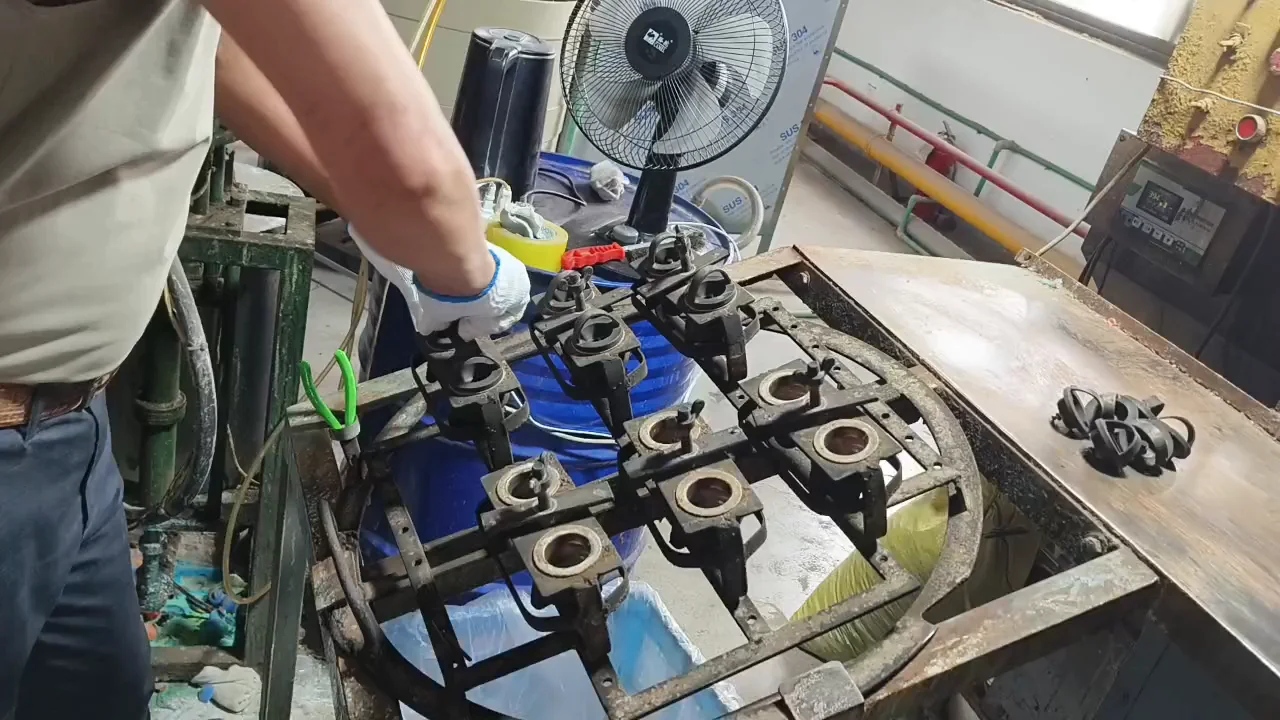
A 3D print comes first, in white, to lock the shape, and it runs about 3% to 5% larger than the molded part because it comes off an initial tool. From the body mold we then make a vinyl sample in your colour, still without paint or print, and a production sample last, sprayed and printed as the finished duck. Most of the back-and-forth happens at the 3D stage, because that shape decides everything downstream.
Step 5: Production
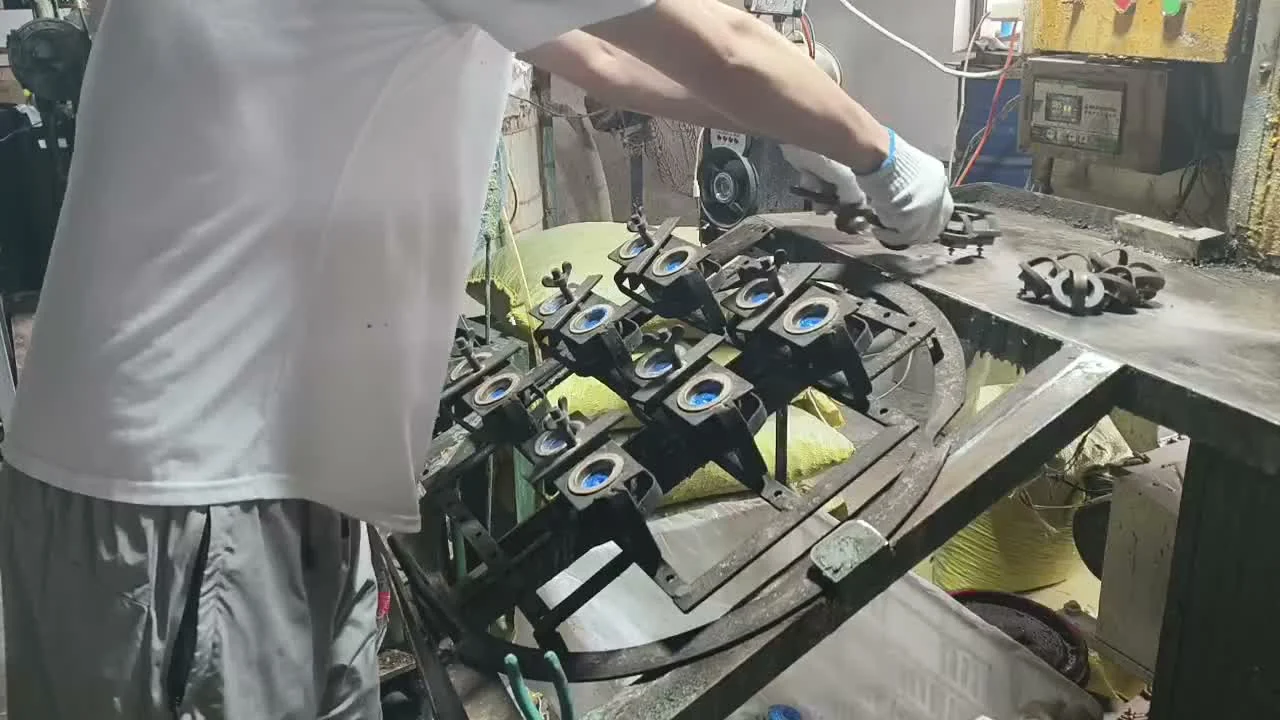
The batch runs from the approved sample, is checked against it, and is packed for your channel. The mold stays with us, so the next run starts from the same shape.
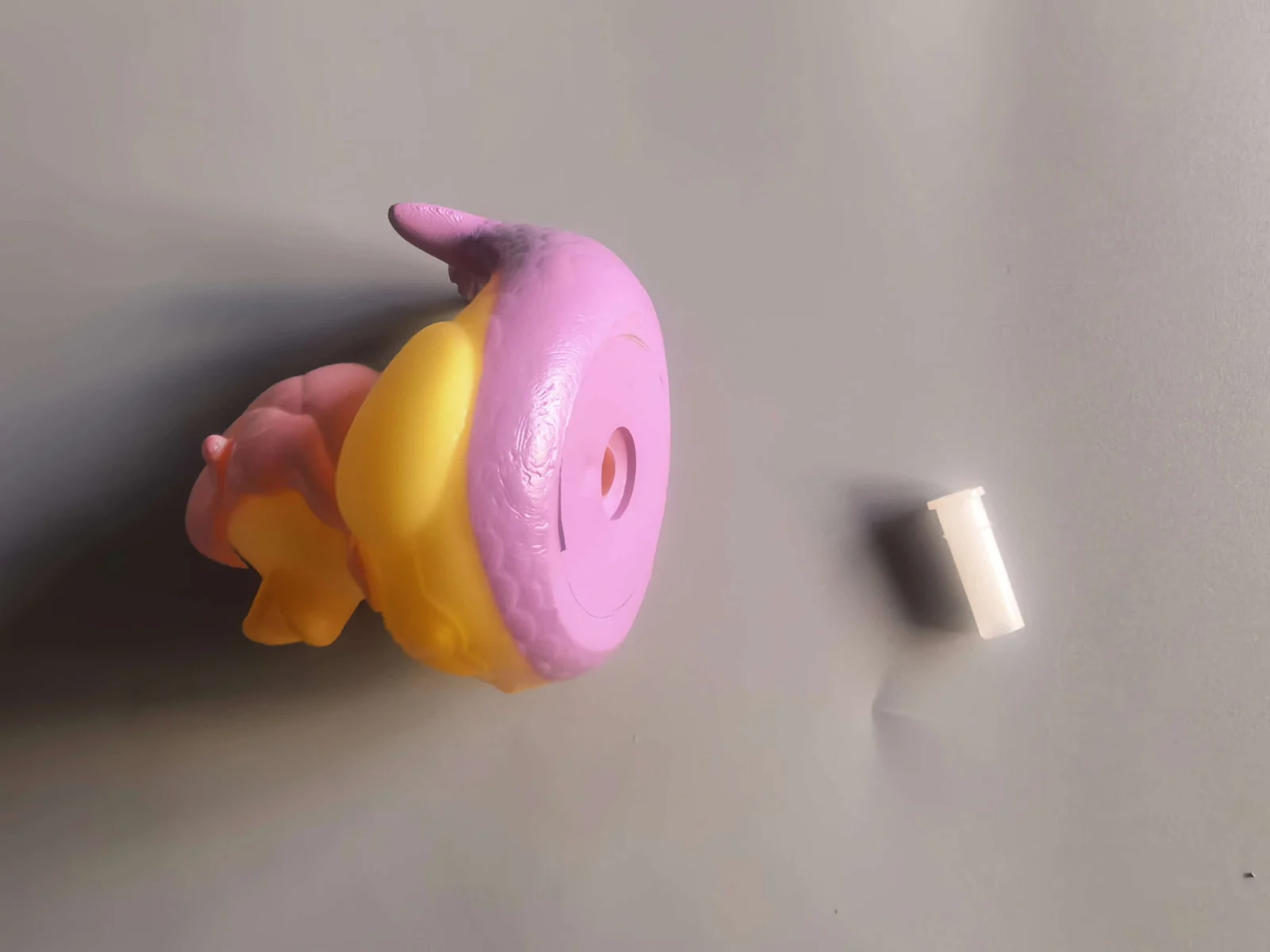
A squeaker is a separate decision rather than a default part. When the brief asks for one we fit a simple whistle into the air hole in the base; ducks bound for the US ship without a squeaker because the rules differ by market. The air hole itself belongs to the base mold, since without it the body cannot be pulled from the tool.
What Makes a Good Starting Brief
- Where the duck will be used and who will hold it.
- The size you have in mind, or the size of the box it must fit.
- The colors that matter, including the body color.
- The logo file, or the closest reference you have.