
Duck Duck Jeep, Explained: The Origins of Jeep Ducking
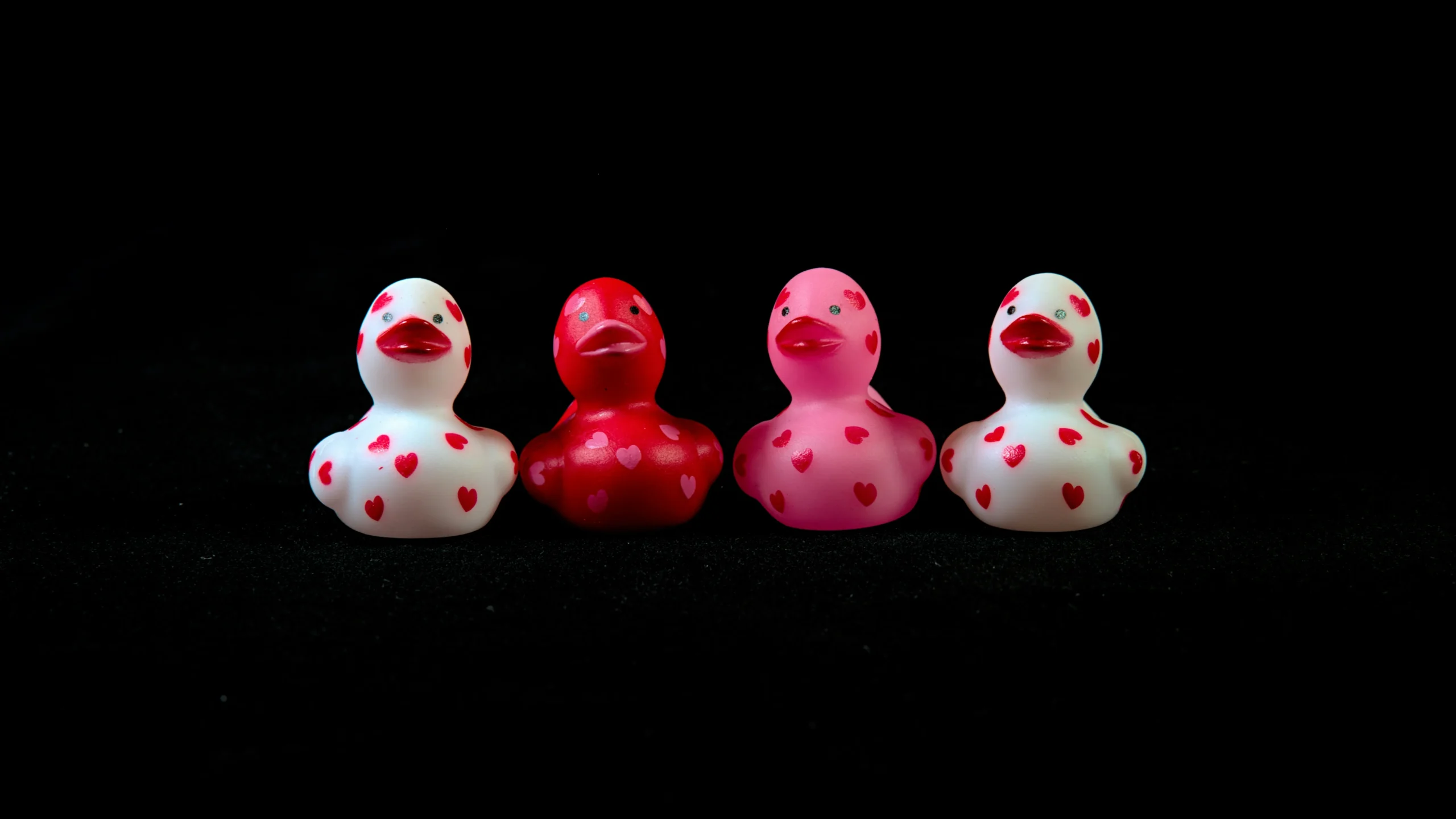
Picture a parking lot in Ontario in July 2020. A woman leaves a supermarket, walks past a Jeep Wrangler, and sets a small yellow rubber duck on the driver’s door handle before walking away. That single gesture became Jeep ducking, a global tradition where Jeep owners leave ducks on other Jeeps and get “ducked” in…
What Are Rubber Ducks Made Of? PVC, Vinyl, and TPR Explained
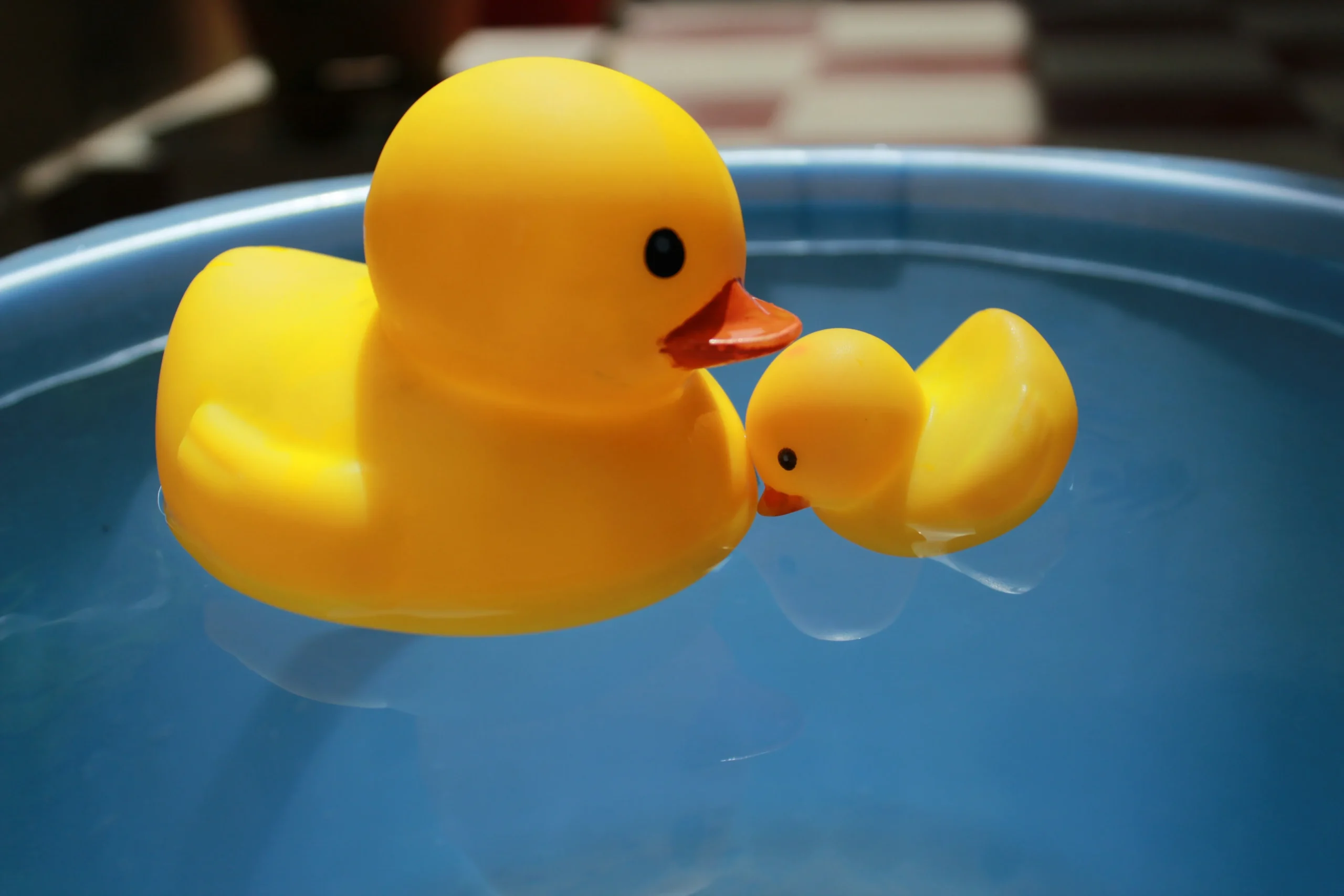
If you are buying rubber ducks in bulk, the material question is not trivia; it is the difference between a duck that holds its shape and a duck that turns tacky, a duck that passes a child-safety test and a duck that fails it, and a price gap that shows up in every quote. The…
Print-Ready Artwork Files for Rubber Ducks: What Factories Need (AI, PDF, EPS, 300 DPI)
The most common reason a rubber duck artwork file gets rejected is not bad design; it is the wrong file format wearing the right logo. A factory receiving a 72-dpi PNG copied from a website cannot print it at duck scale, and the artwork that looked crisp on a laptop screen turns into a soft,…
Rubber Duck MOQ Explained: What a 1,000-Piece Minimum Really Includes
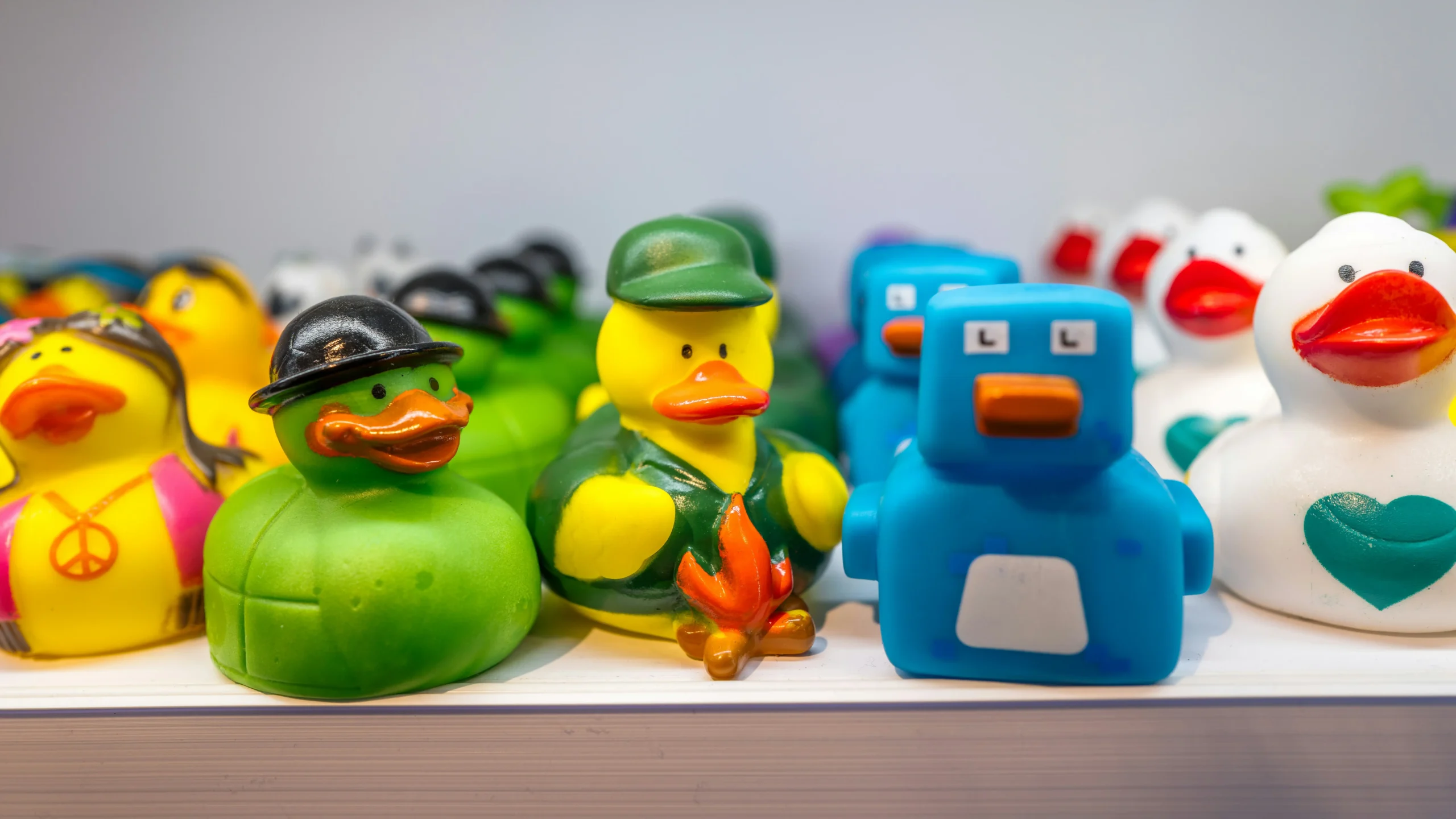
A rubber duck MOQ is the smallest order a factory will accept for custom production, and at LZENGO that number is 1,000 pieces. Most buyers hear “1,000” and think it means “1,000 ducks,” which is true but dangerously incomplete. The minimum buys you far more than ducks: it buys a production slot, a printing setup,…
Rubber Duck Giveaway ROI: How to Measure Brand Lift from a Small Swag Item
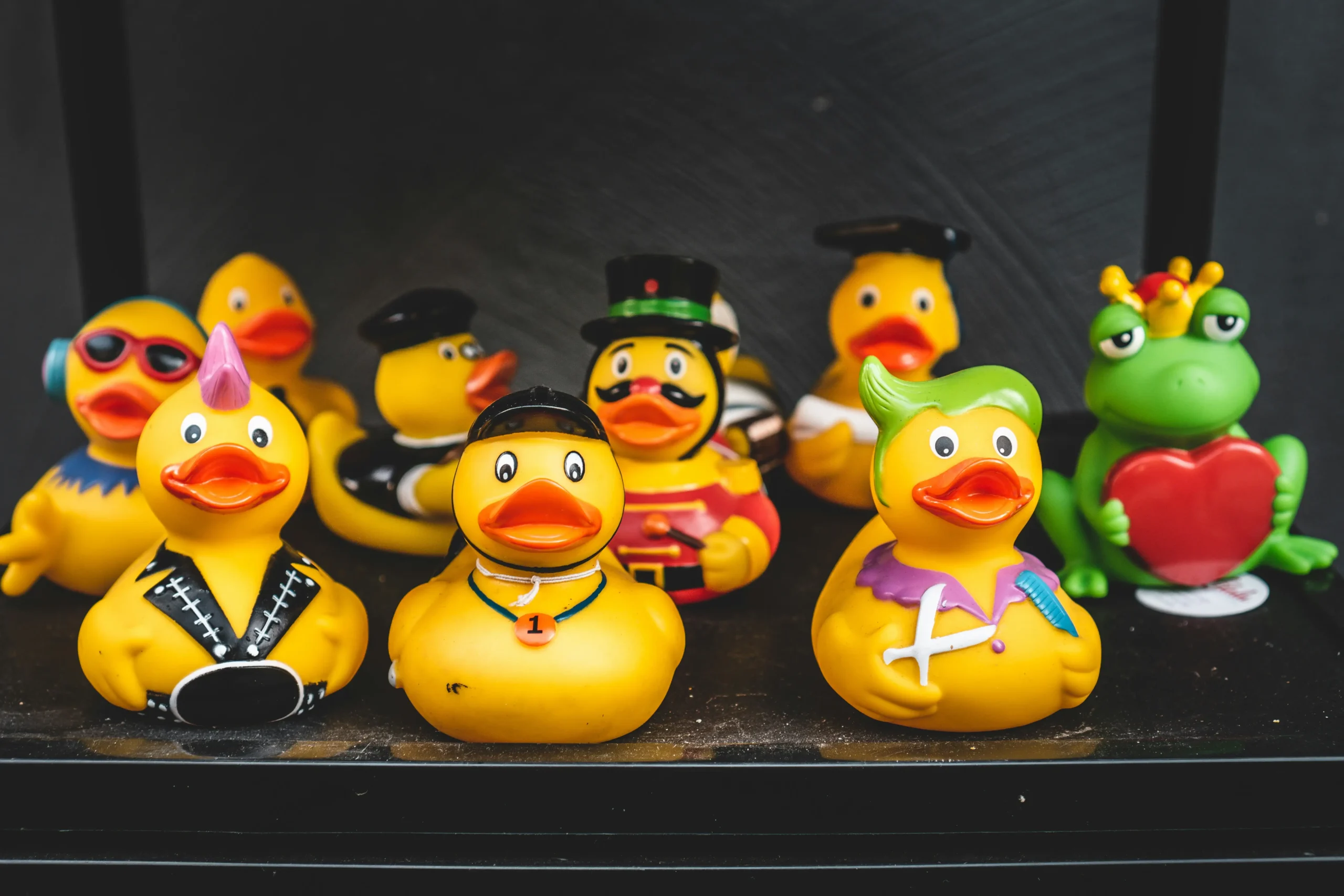
Most brands measure a rubber duck giveaway ROI the same way they measure a pen: by cost per unit. That math says a duck costs $0.50, so the campaign cost $500, and nobody can say what the $500 bought. The frame is wrong before the numbers go in. A giveaway is not a purchase line…