Skip to content

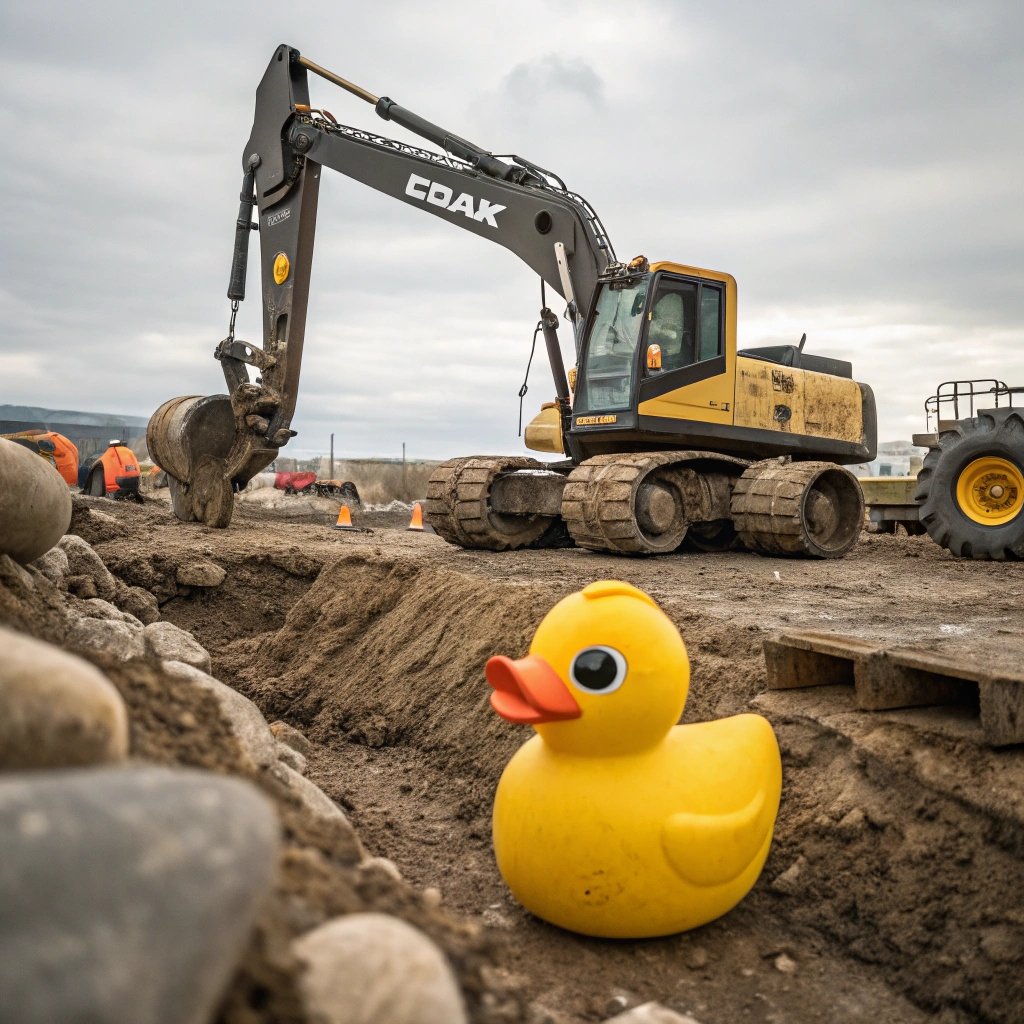
When a B2B buyer requests a custom rubber duck quote, the first question after pricing is almost always about material. PVC, TPR, and silicone are the three primary options, and the choice affects everything from per-unit cost to safety certifications to how the duck feels in a customer’s hand. Most buyers default to PVC because it is the cheapest, without understanding what they gain or lose by choosing TPR or silicone instead. This comparison breaks down the three materials across the dimensions that matter to B2B buyers: safety, durability, feel, float behavior, cost, and regulatory compliance.
LZENGO manufactures custom rubber ducks in all three materials, and the right choice depends on the end-use scenario, the target market’s regulatory environment, and the brand’s positioning. There is no universally “best” material — only the best material for a specific application.
PVC (Polyvinyl Chloride): The Industry Standard
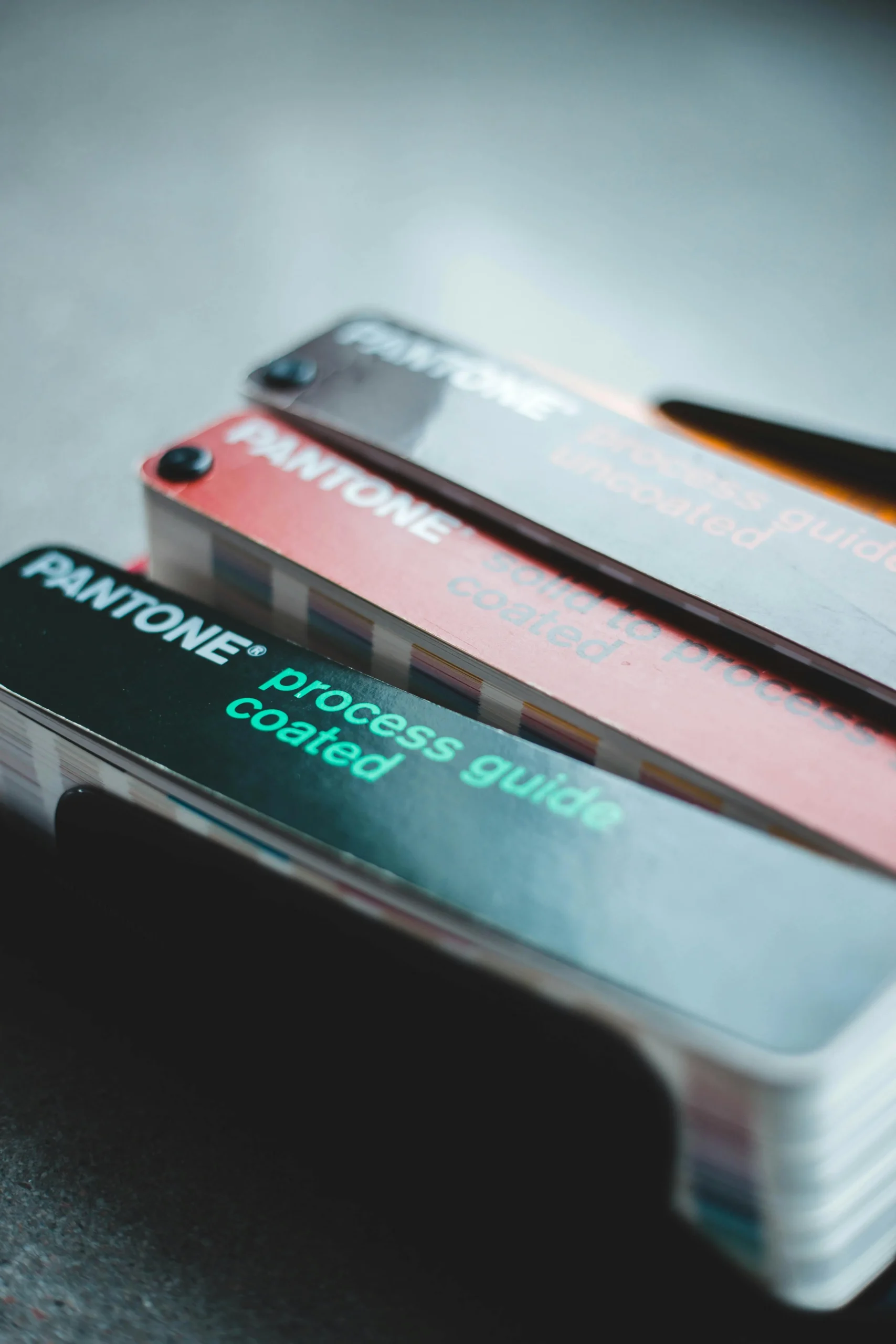
PVC is the most common material for custom rubber ducks worldwide, and for good reason. It is cost-effective, highly moldable, and produces the classic rubber duck feel that most consumers expect — soft, squeezable, and smooth. PVC ducks can be molded in any Pantone color, accept pad printing and UV printing cleanly, and have been the backbone of the promotional products industry for decades.
From a manufacturing standpoint, PVC’s low melting point and excellent flow characteristics make it ideal for detailed molds. The product range includes thousands of PVC ducks in standard and custom shapes, and the monthly capacity of 5 million+ units is built around PVC production lines. PVC is the baseline material at the 1,000-piece MOQ, and the entry-level pricing of approximately $0.85 per unit reflects PVC production economics.
The primary concern with PVC has historically been phthalate plasticizers — the chemicals added to make rigid PVC soft enough for a squeeze toy. Modern, compliant PVC ducks use non-phthalate plasticizers that meet REACH and CPSIA standards. LZENGO’s PVC ducks pass Intertek testing for phthalate content, confirming compliance with US Consumer Product Safety Improvement Act limits and EU REACH regulations. Always request the Intertek test report to verify that the specific PVC formulation used in your order is phthalate-compliant.
| Attribute | PVC |
|---|---|
| Cost at MOQ (1,000 pcs) | Lowest — baseline pricing ~$0.85/unit |
| Feel | Soft, classic rubber duck squeeze |
| Durability | Good for indoor/promotional use; moderate UV resistance |
| Float behavior | Consistent upright float in standard duck shape |
| Safety certifications | REACH, CPSIA compliant (phthalate-free formulation); BSCI audit |
| Environmental impact | Not biodegradable; recyclable with GRS-certified recycled PVC available |
| Best for | High-volume promotional giveaways, trade shows, events |
TPR (Thermoplastic Rubber): The Safer Alternative
TPR is a thermoplastic elastomer that combines the processing efficiency of plastics with the rubber-like feel of elastomers. For rubber ducks, TPR offers two key advantages over PVC: it does not require phthalate plasticizers to achieve softness, and it has better resistance to temperature extremes and UV degradation. TPR ducks maintain their flexibility and color longer in outdoor or sun-exposed environments.
TPR is the preferred material for buyers targeting markets with stringent toy safety regulations or brands positioning around environmental responsibility. Because TPR does not rely on phthalate plasticizers, the compliance documentation is simpler — the material is inherently phthalate-free, which streamlines the REACH and CPSIA certification process. LZENGO offers TPR as an upgrade material for orders where the end-use environment or brand positioning justifies the higher per-unit cost.
The trade-off is cost. TPR raw material is more expensive than PVC, which translates to a moderate per-unit price increase at every volume tier. The exact premium depends on order size and design complexity, but buyers should expect TPR ducks to cost roughly 15 to 25 percent more than equivalent PVC ducks. For buyers comparing material options, this premium is the cost of inherent phthalate-free compliance and improved environmental durability.
| Attribute | TPR |
|---|---|
| Cost at MOQ (1,000 pcs) | Moderate — ~15-25% premium over PVC |
| Feel | Similar softness to PVC, slightly more resilient |
| Durability | Better UV and temperature resistance than PVC |
| Float behavior | Consistent upright float; marginally better in warm water |
| Safety certifications | Inherently phthalate-free; REACH, CPSIA, BSCI compliant |
| Environmental impact | More recyclable than PVC; no chlorine content |
| Best for | Outdoor promotions, regulated markets, eco-conscious brands |
Silicone: The Premium Option
Silicone is the highest-grade material available for rubber duck production. It is a synthetic polymer that is chemically inert, hypoallergenic, and free of the entire family of plasticizers — not just phthalates. For brands targeting the infant and toddler market, silicone is often the only material that meets the most stringent safety requirements. It is also the most durable of the three materials, withstanding repeated sterilization, dishwasher cleaning, and high-temperature exposure without degrading.

Silicone ducks have a distinctive feel — slightly firmer than PVC or TPR, with a smooth, almost silky surface texture. The material accepts color well but requires specialized molding processes that differ from standard PVC/TPR production lines. The silicone mold production process uses higher-temperature tooling, which is reflected in the per-unit cost.
Silicone carries the highest per-unit cost of the three materials, often 40 to 60 percent above PVC pricing at the same volume. This premium reflects both the raw material cost and the specialized production requirements. For most promotional applications, silicone is overkill — but for brands selling ducks as infant toys, silicone is the responsible choice that eliminates entire categories of compliance risk.
| Attribute | Silicone |
|---|---|
| Cost at MOQ (1,000 pcs) | Highest — ~40-60% premium over PVC |
| Feel | Firmer, smooth, silky surface texture |
| Durability | Best — heat-resistant, dishwasher-safe, sterilizable |
| Float behavior | Consistent; denser feel in water |
| Safety certifications | Chemically inert; no plasticizers; REACH, CPSIA, BSCI compliant |
| Environmental impact | Most durable; long lifespan reduces replacement frequency |
| Best for | Infant toys, premium retail, medical/dental settings |
Side-by-Side Comparison Summary
| Dimension | PVC | TPR | Silicone |
|---|---|---|---|
| Relative cost | Baseline | +15-25% | +40-60% |
| Phthalate-free | Yes (compliant formulation) | Inherently | Inherently |
| UV resistance | Moderate | Good | Excellent |
| Squeeze feel | Soft, classic | Soft, resilient | Firmer, smooth |
| Infant-safe | Compliant (check age grading) | Compliant | Optimal |
| Recyclability | GRS recycled available | Better than PVC | Best long-term |
How to Choose the Right Material
The selection process is straightforward when you map the end-use scenario to the material strengths. For high-volume promotional giveaways at trade shows, events, and corporate appreciation days, PVC is the standard choice. It delivers the classic duck experience at the lowest cost, and as long as the factory provides Intertek-certified compliance documentation, the safety profile meets regulatory requirements in all major markets.
For outdoor promotions, eco-conscious brands, or markets with particularly stringent chemical regulations, TPR is the better choice. The inherent phthalate-free nature of the material simplifies compliance, and the improved UV resistance means the duck maintains color and flexibility longer in sun-exposed environments. The 15 to 25 percent cost premium is a reasonable investment for brands that want to lead with material safety as a positioning point.
For infant and toddler products, or premium retail merchandise where the duck is sold rather than given away, silicone is the right material. The higher cost is absorbed into a retail price, and the material’s safety profile — chemically inert, no plasticizers of any kind — eliminates the compliance risk that comes with plasticized materials in the infant category. For larger ducks where material durability is critical, silicone’s resistance to cracking and degradation also makes it a strong candidate.
Compliance Documentation Across Materials
Regardless of which material you choose, the compliance documentation package should include the same core elements. LZENGO provides the following certifications for all three materials:
- REACH compliance — confirms no SVHC (Substances of Very High Concern) above regulatory thresholds
- CPSIA compliance — confirms total lead content and phthalate content within US legal limits
- BSCI audit — confirms social compliance in the manufacturing facility
- Intertek test report — independent third-party testing results for the specific material formulation used in your order
For GRS-certified recycled PVC orders, an additional Global Recycled Standard certificate confirms the recycled content percentage and the chain of custody for the recycled material. This certification is relevant for brands running sustainability campaigns or targeting retail buyers who require recycled content documentation.
Frequently Asked Questions
Which material is safest for children?
All three materials — PVC, TPR, and silicone — can meet REACH and CPSIA safety standards when manufactured correctly. Silicone is the most inherently safe, as it contains no plasticizers of any kind. TPR is inherently phthalate-free. PVC uses compliant non-phthalate plasticizers. For infant products, silicone is the recommended choice.
Is PVC being phased out by regulations?
No. PVC remains legal and widely used in toy manufacturing. What has changed is the regulation of specific phthalate plasticizers, not PVC itself. Modern compliant PVC uses non-phthalate plasticizers that meet REACH and CPSIA standards. Always verify compliance through the Intertek test report.
Does the material affect the duck’s float behavior?
All three materials produce ducks that float upright in standard duck shapes. Minor differences exist — TPR is marginally more stable in warm water, and silicone has a denser feel in water — but the float behavior is determined primarily by the duck’s hollow-body design, not the material.
Can I get recycled-content ducks?
Yes. LZENGO offers GRS-certified recycled PVC ducks, which use recycled vinyl content with a documented chain of custody. Recycled TPR and silicone options are also available but less common. Request the GRS certificate for your order if recycled content is a brand requirement.
How much more does silicone cost compared to PVC?
Silicone typically costs 40 to 60 percent more per unit than PVC at the same order volume, due to both raw material cost and specialized production requirements. For retail products where the cost is absorbed into the retail price, silicone is viable. For promotional giveaways, PVC or TPR is more cost-effective.
Not sure which material is right for your ducks?
Tell us your use case and target market. Contact LZENGO for material-specific quotes and compliance documentation.