Skip to content
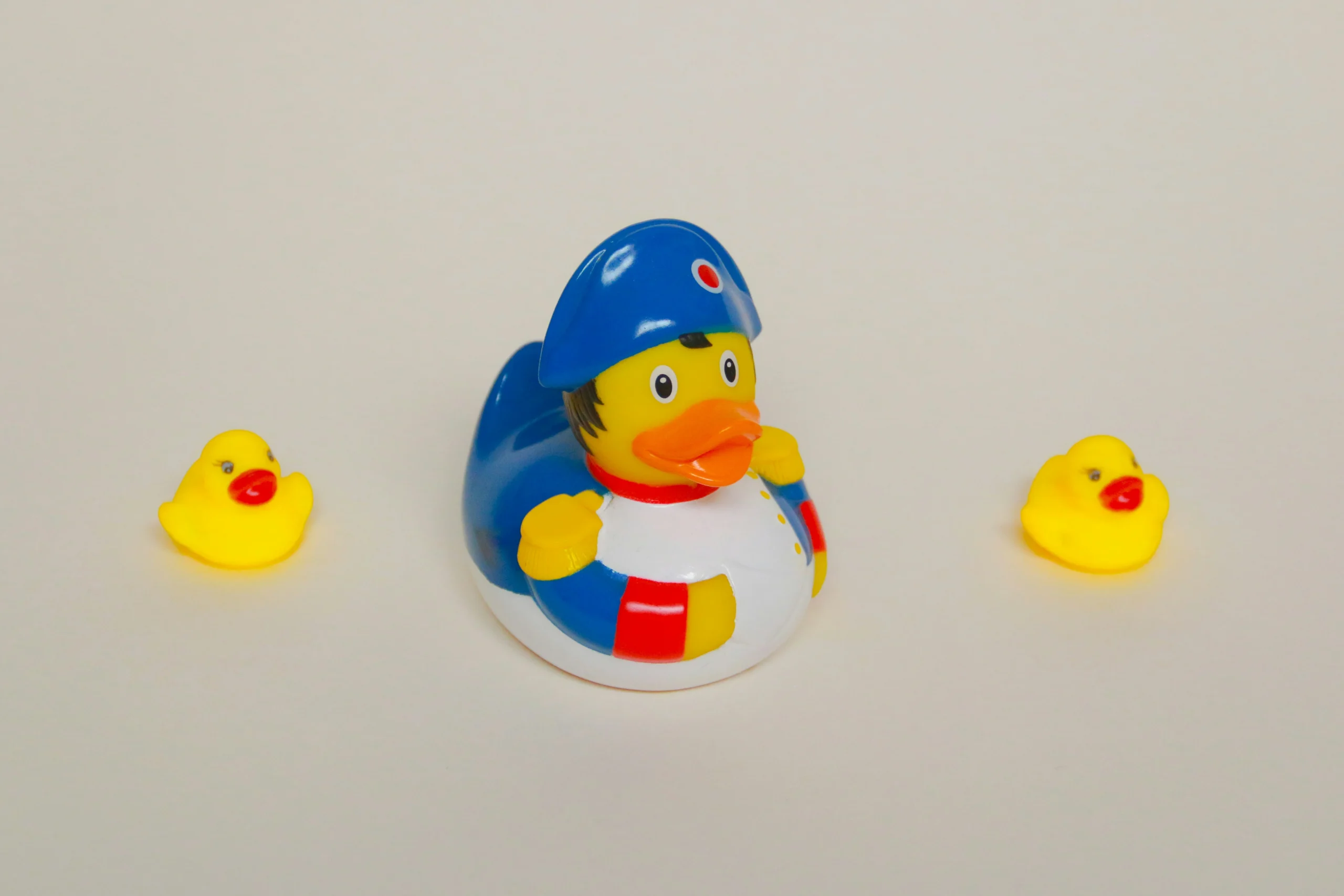
Every rubber duck that crosses an international border carries a classification code that determines the duty rate, the documentation required, and the compliance standards that apply. Buyers who get the HS code wrong pay either too much duty or face customs holds, penalties, and shipment seizures. For promotional product importers, getting the classification right the first time saves money and avoids supply chain disruptions.
The Harmonized System code for rubber ducks depends on the material, the intended use, and the importing country’s tariff schedule. This guide walks through the most common classifications and the documentation buyers need to prepare before the shipment arrives.

The HS Code for Rubber Ducks: Where They Fall in the Tariff Schedule
Rubber ducks are classified under different headings depending on the material and the customs interpretation. The most common codes are:
9503.00 — Toys, puzzles, and games. This is the most widely used classification for rubber ducks marketed as toys, novelty items, or promotional giveaways. Under the US Harmonized Tariff Schedule, consult the USITC HTS database for the current rate. Most rubber ducks under this heading enter the US duty-free or at low single-digit rates from China, though Section 301 tariffs may apply.

3926.90 — Articles of plastics, not elsewhere specified. If the duck is marketed as a decorative item, a bath accessory, or a non-toy novelty, some customs brokers classify it under this heading. The duty rate under 3926.90 is typically 5.3 percent ad valorem from China, which is higher than the toy classification.
4016.99 — Articles of vulcanized rubber. If the duck is made from natural rubber rather than PVC or silicone, it may fall under this heading. This classification is rare for promotional ducks but applies to eco-friendly rubber products.
How to Choose the Right HS Code
The classification depends on how the product is presented and marketed. A rubber duck sold in a toy section or marketed to children is classified as a toy under 9503. A duck sold as a bath accessory or decorative item may be classified under 3926. The buyer’s marketing materials, product packaging, and intended use all influence the classification.

For promotional product importers, the toy classification (9503) is usually the most favorable because it carries the lowest duty rate. To support this classification, ensure the product packaging includes age grading (such as “suitable for ages 3 and up”) and toy safety markings. The promotional rubber duck collection at LZENGO ships with appropriate toy safety markings for customs clearance.
Documentation Required for Customs Clearance
Importing rubber ducks requires a standard set of documents. The commercial invoice must list the HS code, unit value, total value, country of origin, and material composition. The packing list must specify the number of cartons, gross weight, net weight, and CBM. A certificate of origin may be required depending on the trade agreement between the importing and exporting countries.

For US imports from China, the importer must also file a Section 301 tariff declaration if the ducks are classified under a covered HS code. The Section 301 additional duty ranges from 7.5 to 25 percent depending on the specific subheading. Work with your customs broker to confirm the applicable rate before placing the order.
Common Classification Mistakes and How to Avoid Them
The most common mistake is leaving the HS code blank on the commercial invoice and letting the customs broker guess. This often results in a higher-duty classification that the importer then pays without questioning. Always specify the HS code on the commercial invoice and provide supporting documentation (product photos, packaging, marketing materials) that justify the classification.
Another mistake is classifying all ducks the same way regardless of material. A PVC duck and a natural rubber duck have different classifications. If your order includes multiple materials, list each variant with its own HS code on the invoice.
Duty Optimization Strategies
Importers can reduce duty costs by structuring orders carefully. If the duck is part of a promotional gift set that includes other items, the set may be classified under the heading of the principal item. If the duck is the primary item, the set classification may not change the duty rate, but bundling can reduce per-unit shipping costs.
Some importers use a foreign trade zone (FTZ) to defer duty payments until the ducks leave the zone. For promotional product distributors who hold inventory and ship throughout the year, an FTZ can improve cash flow by aligning duty payments with revenue collection.
Where this sourcing fork comes up, our factory-versus-local sourcing comparison runs the landed-cost and lead-time math.
{“@context”: “https://schema.org”, “@type”: “FAQPage”, “mainEntity”: [{“@type”: “Question”, “name”: “What is the HS code for rubber ducks?”, “acceptedAnswer”: {“@type”: “Answer”, “text”: “Rubber ducks are most commonly classified under 9503.00 (toys) or 3926.90 (articles of plastics). The toy classification (9503) usually carries the lowest duty rate.”}}, {“@type”: “Question”, “name”: “What duty rate applies to rubber duck imports from China?”, “acceptedAnswer”: {“@type”: “Answer”, “text”: “Under HTS 9503.00, most rubber ducks enter the US duty-free or at low single-digit rates, though Section 301 tariffs of 7.5-25% may apply. Under 3926.90, the rate is typically 5.3% ad valorem.”}}, {“@type”: “Question”, “name”: “What documents are needed to clear customs for rubber duck imports?”, “acceptedAnswer”: {“@type”: “Answer”, “text”: “Commercial invoice with HS code, packing list, certificate of origin, and Section 301 tariff declaration for US imports from China. Toy safety markings support the 9503 classification.”}}, {“@type”: “Question”, “name”: “How can importers reduce duty costs on rubber ducks?”, “acceptedAnswer”: {“@type”: “Answer”, “text”: “Use the toy classification (9503) when applicable, provide complete documentation to avoid broker reclassification, and consider foreign trade zones for duty deferral.”}}]}