Skip to content
Free vs Paid Rubber Duck Samples: What B2B Buyers Should Expect
Every rubber duck factory offers a sample, but “sample” can mean very different things. Some are free stock ducks in the mail; some are a paid custom moulding of your exact design. The difference is the difference between seeing the general look and validating your real production. This guide explains what to expect from free and paid rubber duck samples, and when a paid sample is worth the money.
LZENGO turns artwork into a digital mockup in 12 hours and delivers a physical sample in 7 days, with bulk production in 15-25 days after sample approval. A sample there is the bridge between a mockup and a full container of your design.
What a Free Sample Actually Tells You
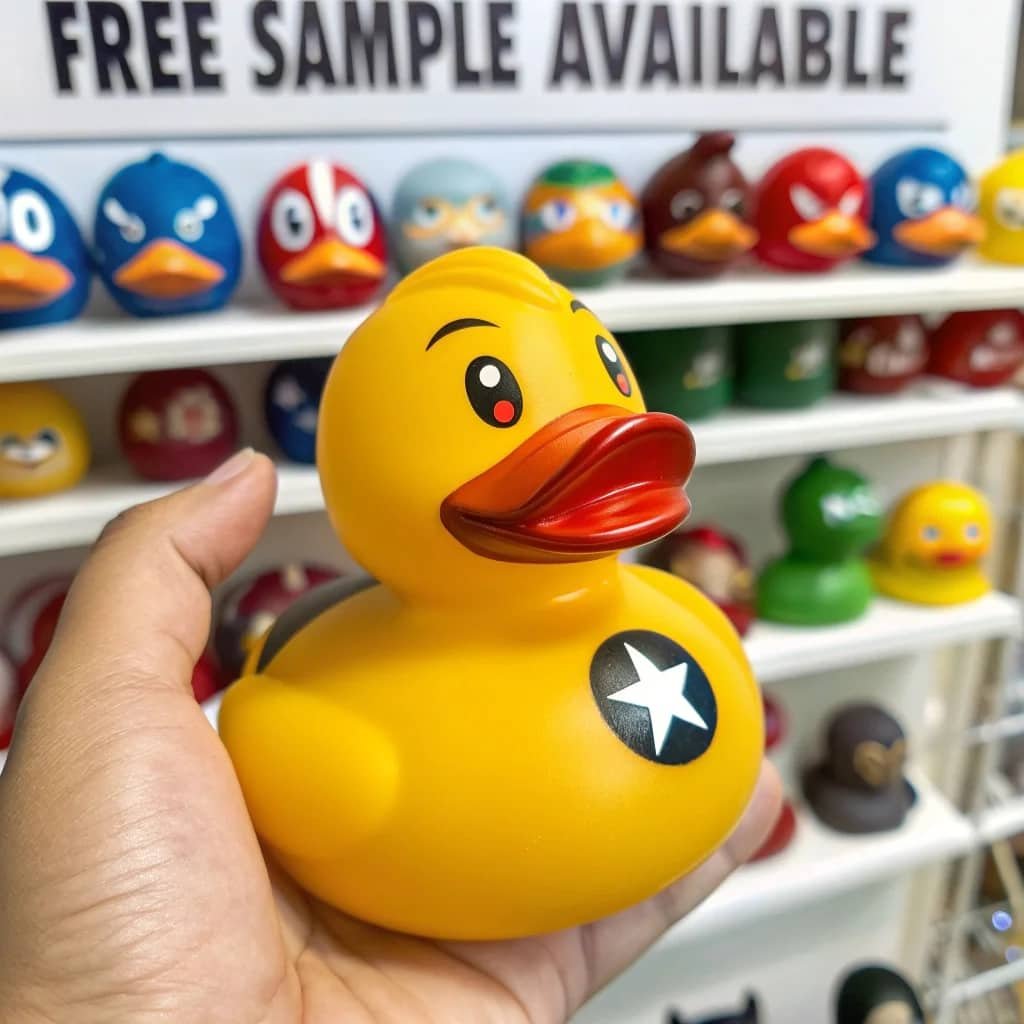
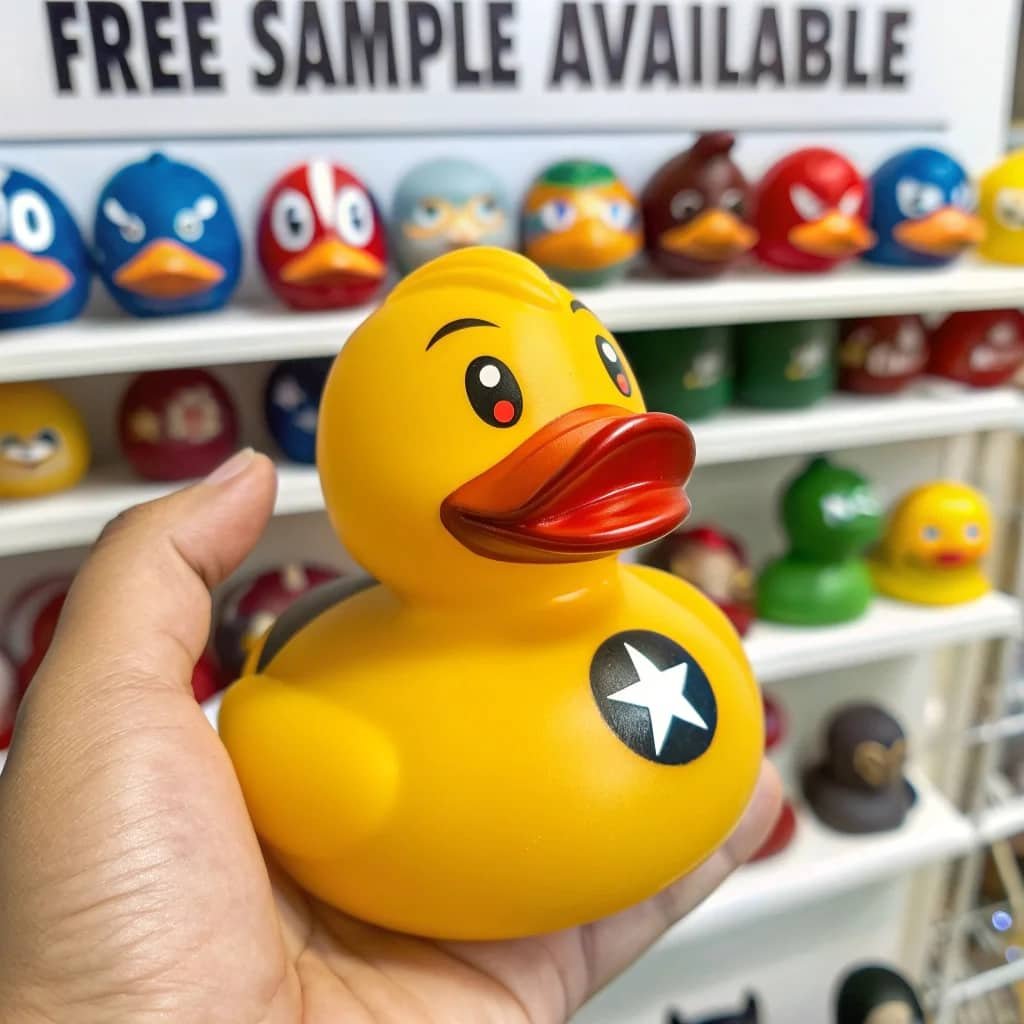
A free sample is usually a stock duck — a factory’s existing design shipped as a reference. It shows you the material, the size, and the general finish. It does not validate your logo, your colour, or your custom shape. A free sample is useful to judge the factory’s base quality, but it is not proof that your design will work.
Why a Paid Sample Is Worth It
For a custom duck, a paid sample is where the real risk is retired. It is usually a moulded or printed version of your artwork, so it reveals things a mockup cannot: whether the logo sits correctly in the print zone, whether the colour matches the Pantone, and whether the proportions look right in the hand. This is exactly why the mockup approval checklist exists.
What Makes a Sample Worth the Money
A good paid sample catches problems before bulk, not after. It should match your design’s print zone and colour, and it should be produced on the same body and material as the run. If you skip the paid sample, a mistake in the print zone or colour gets multiplied across a full container. A sample is expensive insurance against a much larger mistake.
How Long a Sample Takes
A digital mockup is nearly instant; a physical sample takes days, and a custom mould sample takes longer. LZENGO’s 12-hour mockup and 7-day sample give you a fast read before committing to production. Budget the sample time in the overall calendar so a slow sample does not push your ship date.
Contract and Payment Clarity
Whether the sample is free or paid, make the terms clear: what the sample covers, whether the sample fee is credited against the order, and who pays shipping. This is part of a clean supplier relationship. The UK’s business guidance on fair sourcing and contracts, from GOV.UK, is a sensible reference for what goes in writing.
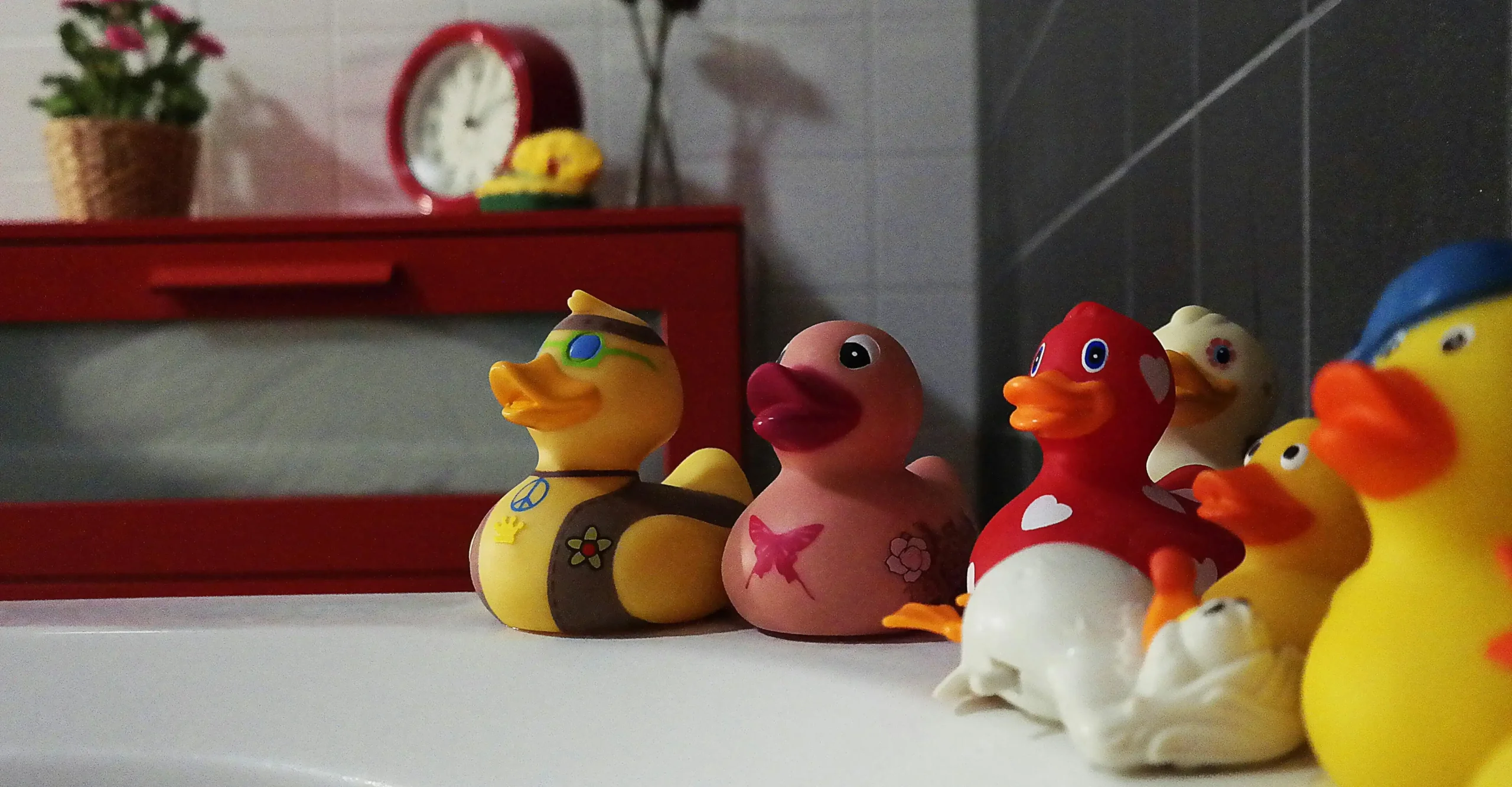
To source a custom rubber duck for your campaign, start with the custom rubber duck manufacturer page.
See also: custom rubber duck sample mistakes.
See also: rubber duck mockup approval checklist.
See also: custom rubber duck sourcing advice.
Common Questions
Is a free rubber duck sample worth asking for?
Yes, to judge the factory’s base quality and material. But a free stock sample does not validate your custom design or colour. For a custom duck, a paid sample of your artwork is what retires the real risk.
Should I pay for a custom rubber duck sample?
For a custom design, yes. A paid sample shows whether the logo sits correctly in the print zone and whether the colour matches. Skipping it risks multiplying a print or colour error across a full container order.