Skip to content
Promotional toy color is not a taste decision; it is an inventory decision with a clock on it. Ducks ordered in last year’s palette mark down, and palettes ordered too late miss the season they were meant for. Color trend cycles in consumer products move on a published rhythm, fashion seasons ahead of retail shelves, and importers who understand that rhythm buy duck color the way apparel buyers buy fabric. This guide explains the cycle, how to translate it into a duck palette, and how to split an order so color risk stays survivable.
Color decisions run through production as color matching, covered on the production side in our physical chip-approval workflow; here the focus is choosing which colors to bet on.
How the trend cycle reaches a rubber duck
The chain runs from high fashion to mass retail with roughly a 12 to 18 month lag. Fashion color authorities set seasonal palettes, notably the Pantone color system whose seasonal reports drive the palette conversation, and the hues cascade into home goods, then into promotional products and toys. By the time a color feels “everywhere”, the safe entry point has often passed; the buying opportunity is 1 to 2 seasons after a hue debuts on runways, when consumer recognition is high and the color has not yet saturated promo shelves. Buyers can watch the cycle on Pantone’s official site, where seasonal palettes are published, and treat those palettes as a leading indicator for next season’s duck order.
Translating a trend palette into duck SKUs
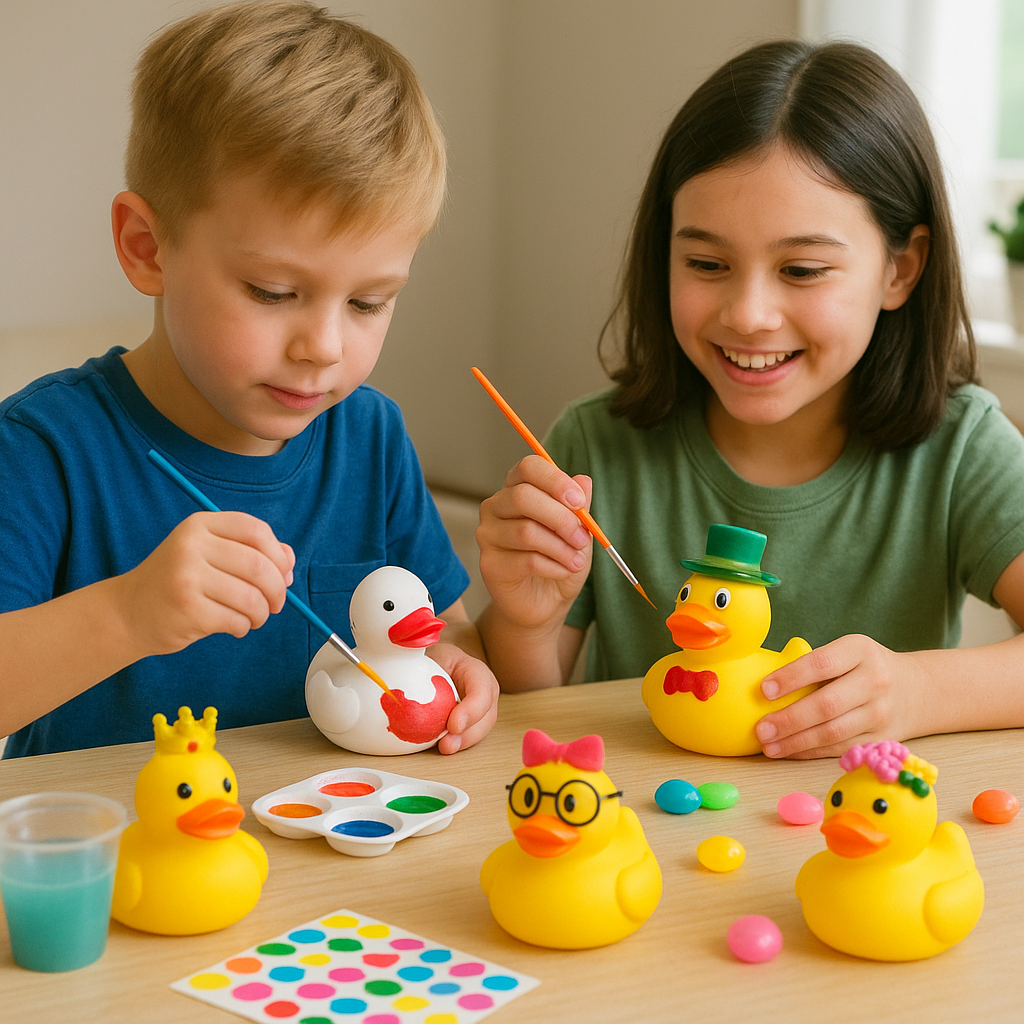
Three translation rules keep trend colors profitable. Rule 1: trend the body, not the beak, classic orange beaks and stable base colors keep a themed duck recognizable while the body color carries the fashion signal. Rule 2: pastels and muted tones have outperformed neon in gift settings in recent seasons, mirroring the wider quiet-luxury shift in consumer goods, which our seasonal trend analysis tracks for duck categories. Rule 3: match color to occasion, Halloween and Christmas have fixed palettes dictated by the holiday, so trend experiments belong in year-round and gift lines, per the occasion logic in our Halloween promotions guide and the gifting split in our Mother’s Day versus Father’s Day merch analysis.
Order structure that survives a color miss
The defensive order splits 60-30-10. Sixty percent in evergreen colors, yellow, white and blue that sell year-round and across regions. Thirty percent in the season’s probable trends, colors with confirmed retail momentum. Ten percent in the speculative hue, the runway bet that either differentiates the shelf or marks down quietly. The structure works at our MOQ 1,000 per design because color runs as a surface variable on existing molds, and mixed-SKU orders let one shipment carry all 3 tiers. Color matching to the chosen reference runs through our PMS workflow, with physical color chips approved before production so “trend color” means a matched chip, not a screen color.
Timing: when to place the color bet
Work backwards from the shelf date: production and freight consume the calendar, so a spring shelf date means a color decision in the prior autumn, exactly when seasonal palettes for that spring are being announced. Buyers syncing color bets to the announcement cycle gain 1 to 2 months of lead time on competitors who wait for retail confirmation. Gift-box and retail packaging decisions amplify the color story, and the pairing logic in our gift box packaging guide shows how carton and duck palettes multiply perceived value. Programs and palettes can be scoped with our team through the bulk rubber ducks order page, where MOQ 1,000 and mixed-SKU terms make a 3-tier color structure practical.
Video: colorful duck production at scale
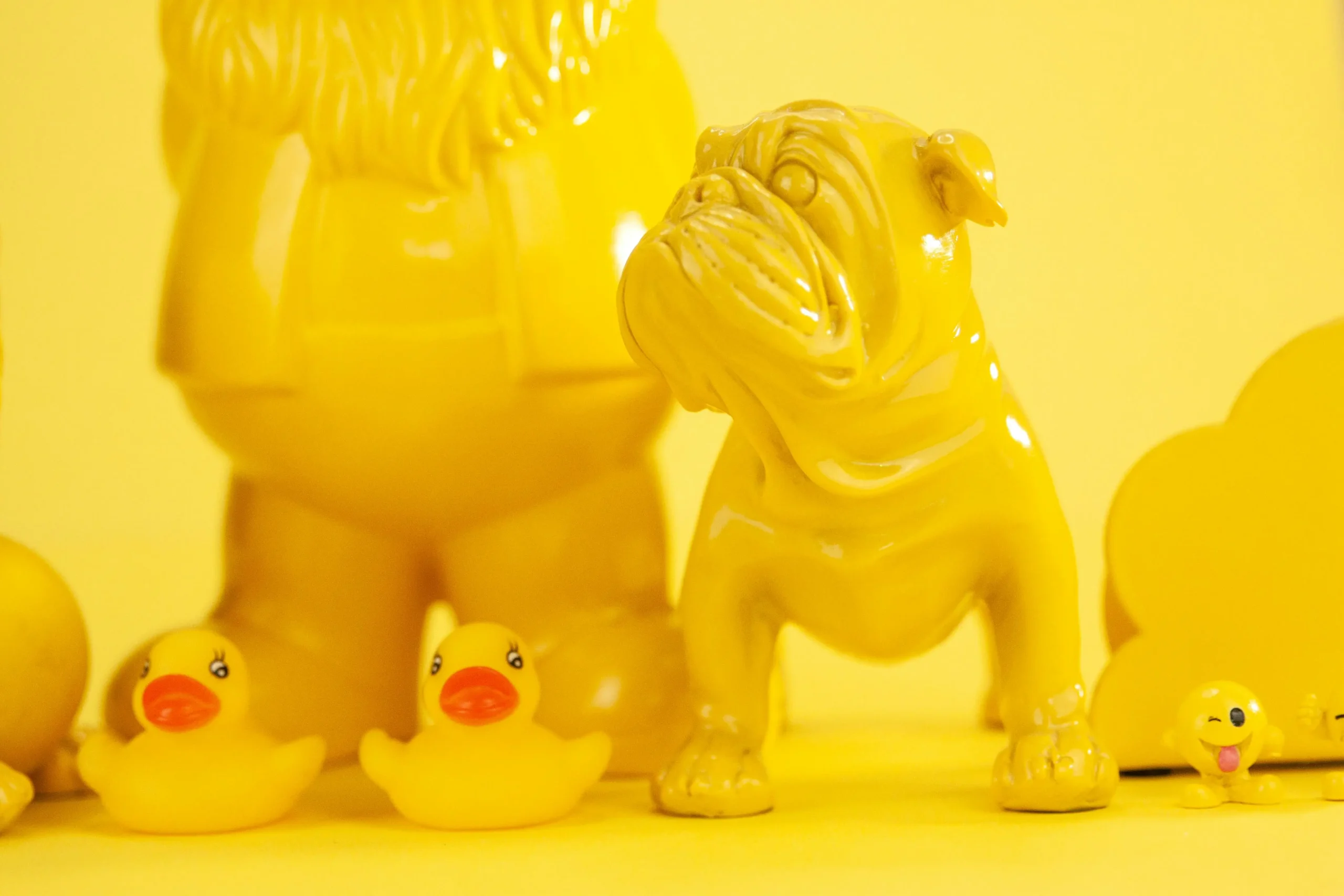
The clip shows color runs moving through production, the point where a trend bet becomes inventory, matched to the approved chips or not.
Frequently asked questions
Should trend colors replace classic yellow?
No. Classic yellow remains the category’s anchor color. Trend colors add breadth and gift appeal; they work as a share of the order, not a replacement of the core.
How far ahead do color trends reach promo toys?
Roughly 1 to 2 seasons after fashion debut, about 12 to 18 months from runway to promo shelf. The published seasonal palettes are the practical leading indicator.
Can I order a custom trend color at low quantity?
Color runs as a surface variable on existing molds, so a matched trend color runs within standard MOQ terms; a brand-new sculpt is where the 1,000-piece design minimum applies.
What happens to last season’s trend stock?
Gift and dollar channels absorb muted versions of past palettes well, which is why the 10 percent speculative tier keeps a miss survivable instead of structural.