Skip to content
Reviewing a YouTube custom rubber duck factory tour manufacturing process video gives you baseline context, but it won’t protect your brand perception when you’re sourcing theme Jeep ducks for a club event. You have likely dealt with this exact scenario. A supplier sends a flawless prototype, but the actual 2,000-unit run arrives with brittle beaks and sloppy paint lines. Your street team hands them out at a launch, and attendees literally toss them in the nearest trash can. That destroys your measurable social media engagement. The real friction happens because the assembly line producing your sample is rarely the same line running your bulk order.
You catch this mismatch by refusing the standard sample process. Tell the factory you want a raw, unpainted PVC duck directly off the injection molding machine shipped next to the fully painted prototype. Most brand managers only evaluate the finished surface. The unpainted plastic reveals whether the supplier diluted the material with calcium carbonate to save money. Diluted PVC snaps cleanly in half when a user drops it on concrete. If the factory hesitates to send the raw unit, walk away from the deal.
PLA vs PVC: Material Specs Compared
For bulk custom jeep ducks for events, injection-molded PVC is the only material that survives both the drop-test and the hot dashboard. PLA fails both at scale.
The Manufacturing Gap: Layer Extrusion vs Steel Mold Injection
The core difference between these two materials is not chemical, it is structural. 3D-printed PLA ducks are built by extruding corn-based polylactic acid filament in horizontal layers. This layer-line adhesion creates inherent weak points along the Z-axis. Injection-molded PVC, by contrast, forces liquid phthalate-free PVC into a closed steel mold under high pressure, producing a homogenous solid with no directional weakness. When we run our rubber duck manufacturing process, the mold cavity determines the wall thickness and surface finish in a single 15-second cycle. A 3D printer laying down the same geometry takes 45 to 60 minutes per unit. That throughput gap is why 3D-printed PLA ducks average $10 to $12 per unit retail, while bulk PVC custom ducks drop to $1.50 to $3.00 per unit at our 500-unit MOQ threshold.
Hard Spec Comparison: What Actually Happens Under Stress
Most sourcing guides give you chemical formulas. Here is what the physics look like when your branded merchandise leaves the factory floor and enters the real world:
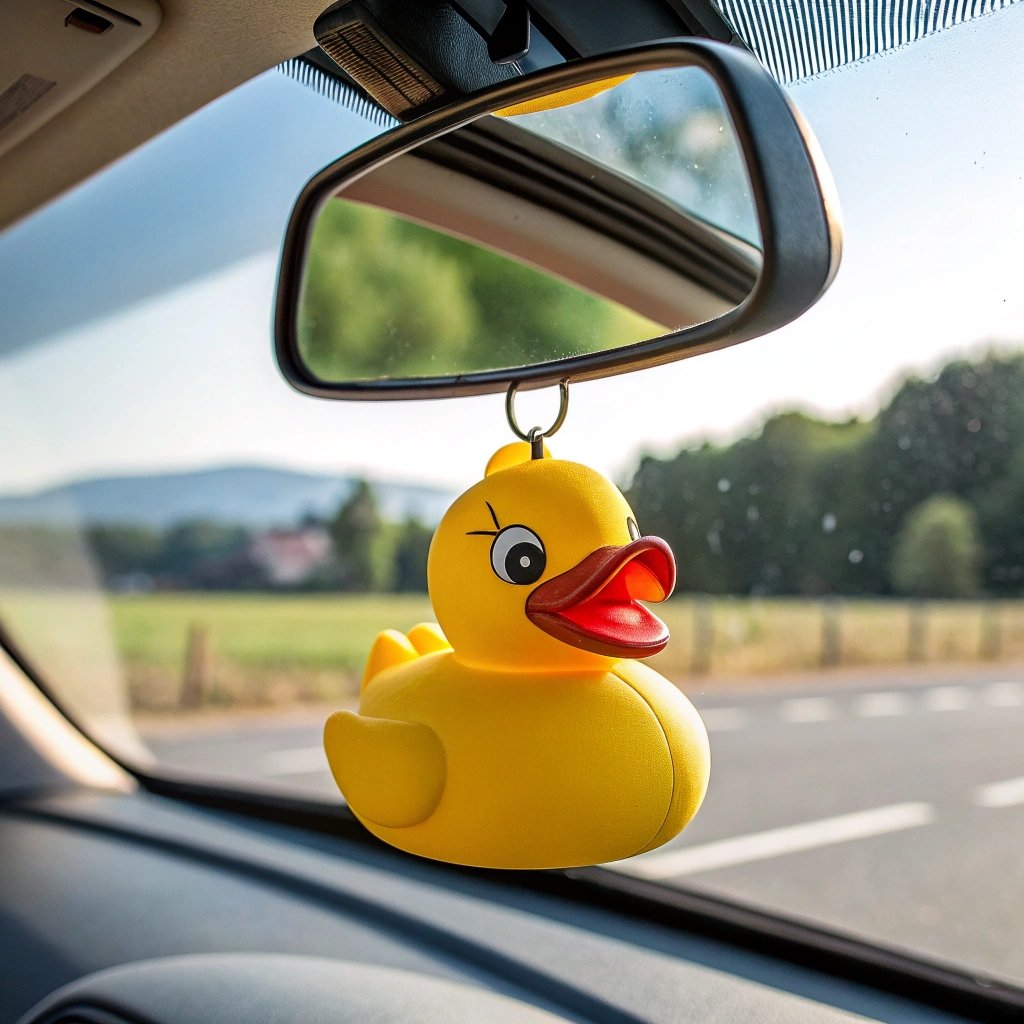
- Temperature Resistance: PLA begins to deform at 60°C (140°F). PVC remains structurally stable up to 80°C (176°F). A closed vehicle parked in July sun easily hits 65°C interior temperature, which means a PLA duck on a dashboard will sag and lose its shape within hours.
- Tensile Strength: Injection-molded PVC consistently tests at 10-12 MPa along all axes. 3D-printed PLA tests at approximately 15-18 MPa on the X-Y plane but drops to 5-7 MPa between layers, making it prone to snapping when dropped from waist height onto concrete.
- UV Stability: Uncoated PLA becomes brittle and discolors after 40 to 60 hours of direct UV exposure. PVC with standard stabilizers maintains surface integrity for 200+ hours. For outdoor event placements or festival booths, PLA will visibly degrade over a single weekend.
Why We Reject PLA for Outdoor B2B Activations
Some competitors aggressively market 3D-printed PLA ducks as an eco-friendly option for corporate jeep duck promotional merchandise. What they omit is that PLA warps under direct sunlight and becomes dangerously brittle when exposed to heat fluctuations. If you distribute 500 PLA ducks at a summer activation and recipients place them on dashboards, a significant percentage will deform within days. That deformed duck carrying your brand logo is now a negative brand touchpoint sitting in someone’s car. For B2B buyers procuring custom branded rubber ducks wholesale, the MOQ advantage of 3D printing (zero minimums) is a trap. Jeep clubs use it because they need 20 units for a local meet. You need 1,000 units for a national product launch, and at that volume, injection-molded PVC delivers ten times the drop-test durability at a fraction of the unit cost. We simply will not quote PLA for any order destined for outdoor distribution or warm-climate deployment.
| Specification | PLA (3D-Printed) | PVC (Injection-Molded) | B2B Impact |
|---|---|---|---|
| Manufacturing Process | FDM 3D printing (layer-by-layer deposition) | Precision steel mold injection molding | 3D printing leaves visible layer lines and rough textures; injection molding delivers the smooth, retail-grade finish required for strict brand consistency. |
| Unit Cost (at Scale) | $10.00 – $12.00+ per unit | $1.50 – $3.00 per unit (500+ MOQ) | Injection-molded PVC reduces unit costs by up to 65%, protecting agency margins and maximizing event ROI on corporate jeep duck promotional merchandise. |
| Thermal & UV Resistance | Deforms at 60°C (140°F); warps under direct UV exposure | High thermal stability; UV-resistant for outdoor use | PLA becomes a brand liability on hot summer dashboards; PVC maintains structural integrity during outdoor experiential activations. |
| Impact Durability | Brittle composition; prone to snapping on impact | 10x drop-test durability; elastic and shatterproof | Eliminates the risk of attendees receiving broken, cheap-feeling merch that generates negative brand sentiment at live events. |
| Branding Capabilities | Rough surface limits print adhesion; inconsistent logo application | Pad printing (3mm min font) or CMYK heat transfer | Ensures crisp, readable brand logos on curved surfaces, avoiding the blurred artwork delivered by suppliers who ignore print limits. |
| Safety Compliance | Often lacks official commercial toy safety certifications | Phthalate-free; EN71 & ASTM F963 certified | Guarantees legal compliance and risk mitigation for global FMCG and tech brands distributing bulk custom jeep ducks for events. |
Bulk Jeep Ducks: MOQs & Unit Cost
Factory-direct injection-molded PVC Jeep ducks start at $1.50-$3.00 per unit at 1,000 units — a 65% reduction over retail-sourced orders that cannot match this floor.
The Sub-1,000 Unit Trap
Most procurement leads sourcing custom jeep ducks for events encounter suppliers offering 100-unit or 500-unit runs. These are almost never factory-direct. At 100 units, you are buying from a reseller who sourced 3D-printed PLA ducks from a small-batch maker, paying $10-$12 per unit with zero ASTM F963 safety certification. At 500 units, mid-tier brokers sometimes pivot to injection-molded PVC, but they layer their own margin on top of the factory gate price, typically inflating the unit cost by 30-40%. Neither tier gives you direct access to the manufacturing floor or quality control protocols.
Pricing at the 1,000-Unit Factory Gate
Our MOQ floor is 1,000 units. At this volume, the unit cost for injection-molded PVC Jeep ducks collapses to $1.50-$3.00, depending on print complexity and secondary packaging. This is not a retail discount — it is the actual injection-molding economics kicking in. The 2.5-inch standard PVC duck weighs significantly less per carton than hollow ABS alternatives, cutting per-unit freight costs by roughly $0.25 at this volume. For a 5,000-unit campaign order, that freight delta alone recovers over $1,200 compared to sourcing heavier materials through a distributor.
Tooling Fee Amortization
Every custom PVC Jeep duck shape requires a steel injection mold. The one-time tooling fee runs $150-$300 for a standard 2.5-inch single-cavity mold. This is a sunk cost that resellers frequently bury inside an inflated per-unit price to make their quotes appear “tooling-free.” We separate it transparently. At 1,000 units, that $150-$300 tooling fee adds $0.15-$0.30 to your effective unit cost. At 5,000 units, it drops below $0.06 per unit and becomes negligible. Any supplier quoting below $150 for custom steel tooling is using aluminum molds, which degrade after 10,000-20,000 cycles and will produce flash and parting-line defects on repeat orders.
What Retail Markup Actually Costs You
The corporate jeep duck promotional merchandise market is dominated by retail arbitrage. A branded duck that sells for $8-$15 on Amazon or specialty Jeep accessory stores was likely manufactured for $1.50-$2.50. The delta between factory gate and shelf price is consumed by the importer, the distributor, and the retailer — each adding 25-50% margin. When you buy factory-direct at 1,000+ units, you eliminate two of those three margin layers entirely. More critically for brand managers, you gain direct access to the mockup approval chain. Retail channels cannot offer this — you receive whatever batch the importer chose to produce, with no visibility into pad print registration, PVC phthalate testing, or EN71 compliance documentation until the product arrives at your warehouse.
| Order Tier | Unit Cost (USD) | Material & Process | Freight & Logistics Impact | Marketing Suitability |
|---|---|---|---|---|
| 1 – 49 Units (Retail/Club Level) | $10.00 – $12.00+ | 3D-Printed PLA | High individual retail shipping rates; bulky consumer packaging | High Risk: Deforms at 60°C (140°F), warps under UV, actively damages brand perception at summer events |
| 500 Units (Entry B2B MOQ) | $1.50 – $3.00 | Injection-Molded Phthalate-Free PVC | Standard bulk freight; achieves 65% unit cost reduction vs retail orders | Reliable for localized activations; 10x drop-test durability, ASTM F963 safety certified |
| 1,000+ Units (Optimal B2B Scale) | $1.50 – $2.50 | Injection-Molded PVC (Pad Print/CMYK) | 40% lighter per unit than hollow ABS; saves ~$0.25/unit in freight costs | Maximum ROI: UV stable for outdoor/dashboard displays, ideal for high-volume UGC and viral giveaways |
Brand Color Matching & Print Limits
True brand color matching on PVC ducks happens inside the injection molding machine, not at the print station. Printed ink chips; structural plastic does not.
Pre-Colored Pantone Plastic via Injection Molding
When we receive a Pantone code from your brand guidelines, we mix that pigment directly into the raw PVC compound before injection. The duck’s body color becomes structurally identical to your brand spec—no topcoat, no ink layer. If a corporate jeep duck promotional merchandise piece gets scratched during transit or handled roughly at a live event, the exposed surface is still your exact Pantone color. Printed ink sits on top of the substrate and chips off under abrasion, revealing a generic yellow or white plastic underneath. For bulk custom jeep ducks for events where hundreds of units will be tossed into swag bags or handed out at festival booths, pre-colored plastic is the only method that survives the distribution chain without degrading your brand identity.
Pad Printing vs. CMYK Heat Transfers on Curved Surfaces
Most custom branded rubber ducks wholesale MOQ orders require a logo or tagline on top of the base color, and the physics of a curved PVC surface force a hard choice between two print methods. Pad printing stamps ink directly onto the duck using a silicone pad that conforms to the curve, but it is limited to a maximum of 4 spot colors. CMYK heat transfers wrap a full-color decal around the contour using heat and pressure, enabling gradients, photography, and complex artwork. The tradeoff is durability. Heat transfer films sit slightly raised on the PVC surface and will eventually peel at the edges after repeated handling or extended UV exposure. Pad printing bonds the ink directly into the surface—thinner, more resilient, but visually simpler. For campaigns where the logo needs to survive six months or more on a dashboard, pad printing is the safer engineering call. For one-off event drops where visual spectacle matters more than longevity, CMYK transfers deliver higher fidelity.
The 3mm Minimum Font Size Rule for Pad Printing
This is where most first-time B2B buyers get burned. Pad printing on a convex PVC surface compresses the silicone pad against the mold contours, and if your artwork contains text smaller than 3mm in height, the ink bleeds laterally before it cures. The result is a blurred, unreadable smudge where your brand name should be. We enforce a strict 3mm minimum font size rule on all pad printing artwork files, and any supplier who accepts smaller files without flagging this constraint is either inexperienced or deliberately avoiding a difficult conversation. When comparing PVC vs PLA 3D printed jeep ducks, keep in mind that PLA’s flat-printed surfaces can handle finer text, but the material itself warps on hot dashboards—so you gain legibility but lose the product entirely. On injection-molded PVC, the 3mm threshold is non-negotiable physics, not a suggestion.
Event Logistics & Drop Shipping Options
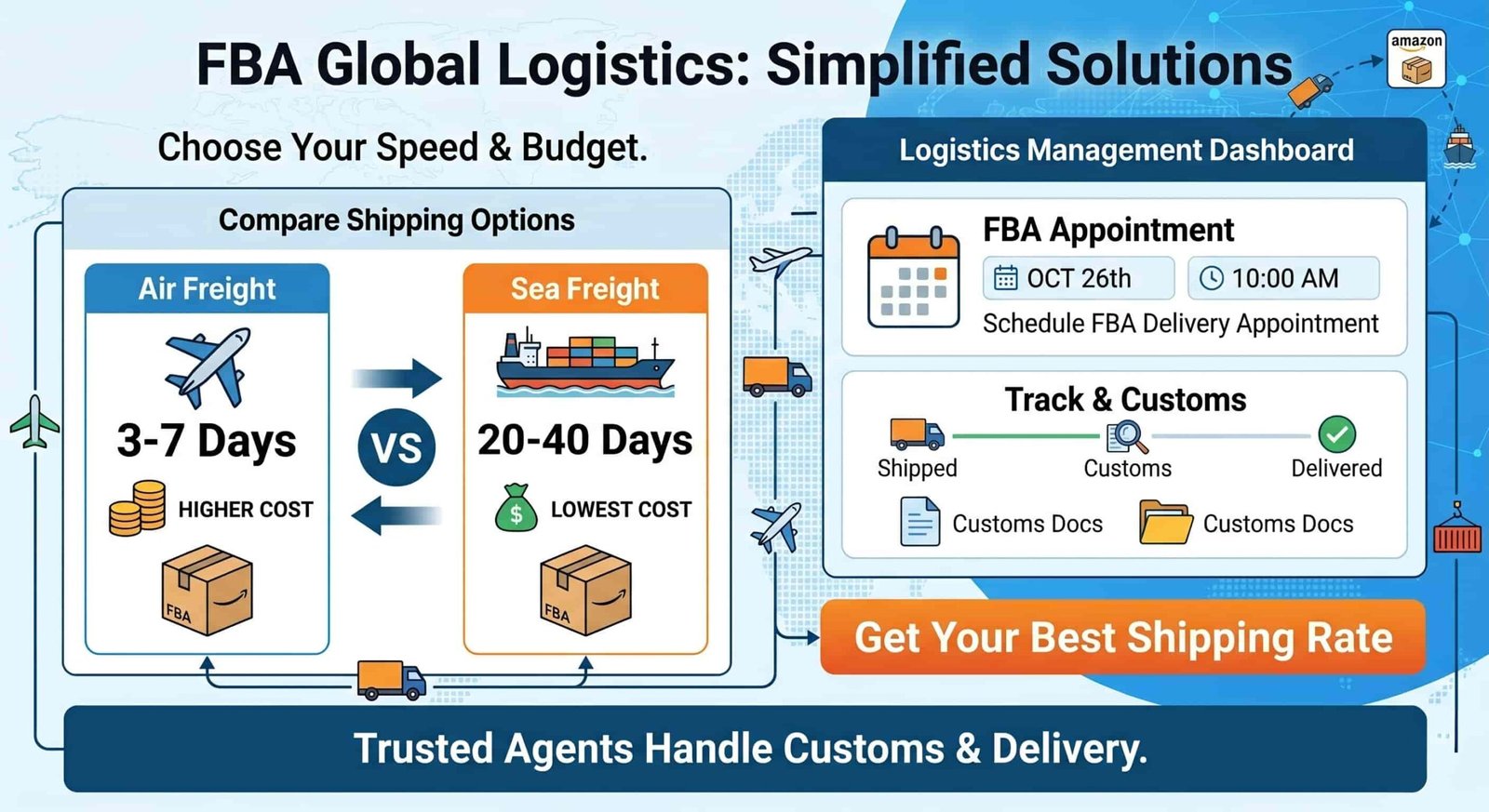
The 5-7 day freight window in our spec sheet refers exclusively to air freight. Sea freight for the same volume adds 20 to 28 days depending on destination port and customs clearance.
The Real Timeline: Mockup to Door
From the moment you submit artwork, the clock runs in three distinct phases. Day one through three covers digital proofing and physical mockup generation — this is where pad printing registration gets validated on a curved PVC surface before any steel molds touch material. Miss a font-size violation here (our minimum is 3mm to prevent ink bleed) and you lose a week re-proofing.
Production takes 15 to 20 days once the mockup is signed off. That window includes injection molding, degassing, pad printing or CMYK heat transfer application, and final QC against EN71 and ASTM F963 standards. We do not batch-ship partial orders — the full run clears QC before anything moves to freight.
The final 5 to 7 days is air freight door-to-door. Total worst-case: 30 calendar days from artwork submission to delivery at your event venue or warehouse.
Air vs Sea Freight: The 2,000-Unit Cutoff
At our 1,000-unit MOQ, air freight is the default and only practical option. Injection-molded PVC ducks are lightweight — roughly 28 to 32 grams per unit including individual polybag packaging — so a 1,000-unit air shipment typically lands between $180 and $320 depending on destination. That adds $0.18 to $0.32 per unit, which is negligible against the $1.50 to $3.00 base cost.
At 2,000 units and above, the math flips. Sea freight drops per-unit shipping to roughly $0.08 to $0.12 — a 60 to 70% reduction over air. The tradeoff is transit time: sea adds 20 to 28 days to the overall timeline, pushing your total lead time to 43 to 51 days. For multi-city launch campaigns locked to specific dates, that longer runway is rarely worth the freight savings unless you are ordering 5,000+ units where the absolute dollar difference exceeds $400.
One hidden cost most first-time buyers miss: destination port drayage and customs brokerage. Sea shipments require a local freight forwarder to clear and truck your cargo from port to warehouse. That adds $150 to $300 in fees that air freight (delivered direct to door via DHL or FedEx) already includes.
Drop-Shipping to Regional Event Locations
For brands running simultaneous activations across multiple cities — say, a product launch in New York, Chicago, and Los Angeles on the same weekend — we can split-ship your order from our facility to up to 10 distinct addresses. Each split shipment functions as an independent air freight consignment with its own tracking number and customs declaration.
This eliminates the need for a domestic 3PL to receive, re-sort, and redistribute your inventory. The per-split handling surcharge is approximately $25 to $40 per destination, which is almost always cheaper than paying a U.S.-based fulfillment center to break bulk and reship. The critical constraint is communication: each destination’s exact recipient name, address, and phone number must be locked before production completes. Last-minute venue changes after the ducks clear QC will force a re-routing through a domestic courier, adding both cost and days you likely do not have.
For recurring event series — monthly pop-ups, seasonal trade shows, or multi-stop brand tours — we maintain a rolling consignment schedule where approved artwork stays on file and new production batches launch on a fixed cadence, reducing the mockup phase to a simple color-confirmation step rather than a full three-day proofing cycle.
Conclusion
3D-printed PLA ducks warp on hot dashboards, turning a summer activation into a brand liability. Injection-molded PVC drops your unit cost to $1.50 while surviving a six-foot drop test. You have to reject the eco-friendly PLA spin when sourcing bulk custom jeep ducks for events, because physics dictates the actual material choice.
Request a physical sample to feel the PVC density difference before your next campaign locks in. It ships with a print-spec guide showing exactly how your logo holds up on a curved surface.
Frequently Asked Questions
What does a Jeep duck mean?
Jeep ducking is a popular social tradition where owners place rubber ducks on other Jeeps they admire as an anonymous gesture of goodwill. For B2B brands, this represents a high-trust, organic distribution channel for promotional merchandise that resonates deeply with a passionate community. By leveraging this trend with custom-branded ducks starting at a 1,000-unit MOQ, companies can seamlessly integrate their messaging into an existing culture of positivity.
How do people get Jeep ducks?
While individual consumers typically purchase retail ducks online, B2B brands must bypass these middlemen to source custom PVC ducks at scale. Working directly with an established injection-molding factory ensures you receive ASTM F963 safety-compliant products tailored specifically to your brand’s identity. This direct sourcing approach is ideal for promotions and brand campaigns, allowing you to deliver 5000,000+ ducks monthly with complete confidence in quality and customization.
Are there rules for ducking?
Although the practice is entirely unofficial, established best practices dictate placing ducks on visible, non-sensitive exterior areas like door handles or mirrors. To align with these placement zones, brands should design their custom rubber ducks within the standard 2.5-inch size so they fit perfectly without obstructing vehicle functions. Producing perfectly sized, brand-tailored ducks at a 1,000-unit MOQ ensures your promotional items are welcomed and utilized exactly as the community intends.
What are the unwritten ducking rules?
The primary unwritten rule is that ducks must remain on the vehicle exterior to be clearly visible to the owner, and the practice is generally reserved for Jeep models or rugged off-roaders. To adhere to this etiquette, brands should avoid producing heavy or oversized ducks that could scratch the vehicle’s paint or blow off at highway speeds. By manufacturing lightweight, durable custom PVC ducks through trusted global suppliers, your brand can safely participate in this trend while executing flawless promotional campaigns.
How do owners feel about ducking?
Jeep owners universally view being ducked as a highly positive, community-building experience that fosters a sense of belonging among enthusiasts. Brands that distribute high-quality, creatively designed ducks leverage this existing goodwill to generate significantly higher rates of organic unboxing content on social media compared to standard promotional items like pens or keychains. Supplying these highly sought-after, brand-tailored rubber ducks positions your company as an active participant in the community, driving exceptional campaign engagement.
Related B2B sourcing page: For production options, MOQ and custom project support, see our Jeep rubber ducks page.