Skip to content

Swim schools buy ducks for three reasons: as a reward a child takes home, as a teaching aid that floats at eye level, and as a retail item in the front of the building. Each use puts the duck in chlorinated water and hands it to a child, which turns a promotional product into something closer to a children’s item with a water exposure problem.
This note covers what changes in the specification for aquatic programs, how a factory like the one behind our custom rubber duck production handles the hygiene details, and where the relevant product safety rules apply.
Water, Chlorine and the Material Question
Pool water is not plain water. Chlorine and pH levels attack some plastics over time, and a duck that sits in a pool all season will show fading and surface degradation faster than a duck in a bathtub. The material choice affects this: PVC is the conventional material and performs well in short exposures, while TPR and silicone behave differently in chlorine and in sunlight.
The practical specification for aquatic use names the material, the colour reference and a washability expectation. A duck that will be handled daily and stored wet should be tested in the actual water chemistry the venue uses, in the same way a buyer testing a fabric would wash a sample rather than infer durability from a datasheet.
Sun exposure is a separate but related variable. Outdoor facilities should ask about UV stability, because a duck that fades in a season changes colour in the middle of a programme and looks like a quality failure even when the mould and material met specification.
Hygiene: Drain Holes and Drying
A hollow duck holds water if it only has a squeaker. Squeezed in a pool and left in a storage bin, the inside stays damp, and the discussion that follows is not about the moulding but about mould growth. The fix is a drain hole or a vented base, designed so water exits when the duck is set down.
Vent design has a trade-off worth understanding. A drain hole large enough to dry quickly is also large enough to let water in during normal play, which changes how the duck floats. Venues that use the duck as a dry-land reward can accept a smaller vent; venues that leave ducks in the water all day want the larger drain and should test the float behaviour.
Storage guidance belongs with the order. Ducks stored in a sealed bin while damp will develop odours regardless of the vent design, and a one-page care note for the venue is cheaper than a replacement run. Venues ordering across several program levels will find the sizes and formats grouped on our rubber duck products page.
Children, Safety and Compliance
Where ducks are given to children, the product moves into the scope of children’s product safety rules, which cover small parts, materials and testing obligations. The rules and their testing framework are published in the electronic Code of Federal Regulations, and the supplier should be able to state which standard applies and provide the associated documentation.
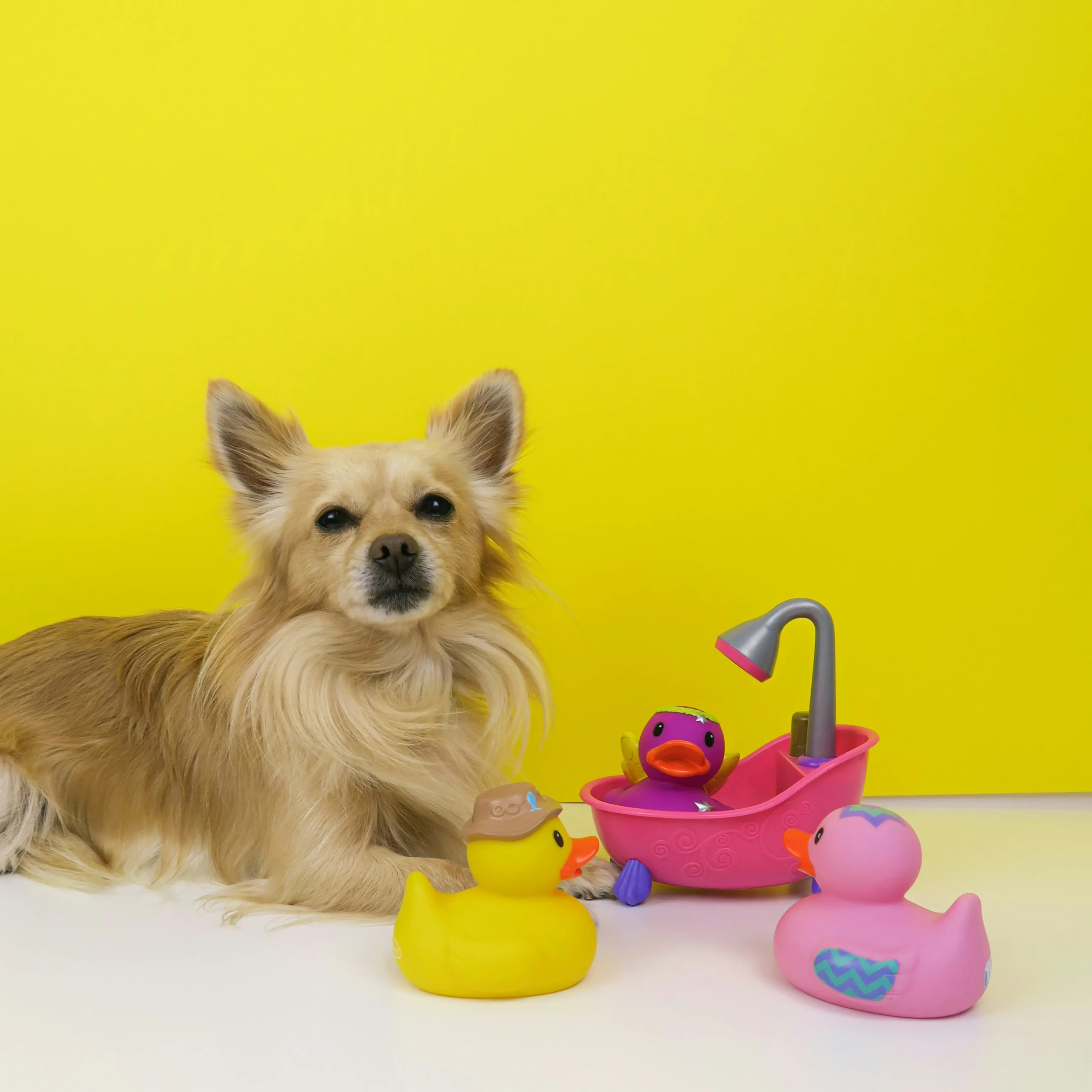
The practical points for a swim programme are size and small parts. A duck large enough not to be swallowed, with no detachable pieces, avoids the most common risk category. Where a duck carries a hat or a prop, the attachment becomes the item to verify.
Documentation should be requested once and kept on file: the applicable test report, the material declaration and the supplier’s conformity statement. Venues that buy annually should refresh the file rather than assume last year’s documents still apply to a new colour or size.
Programme Designs That Work
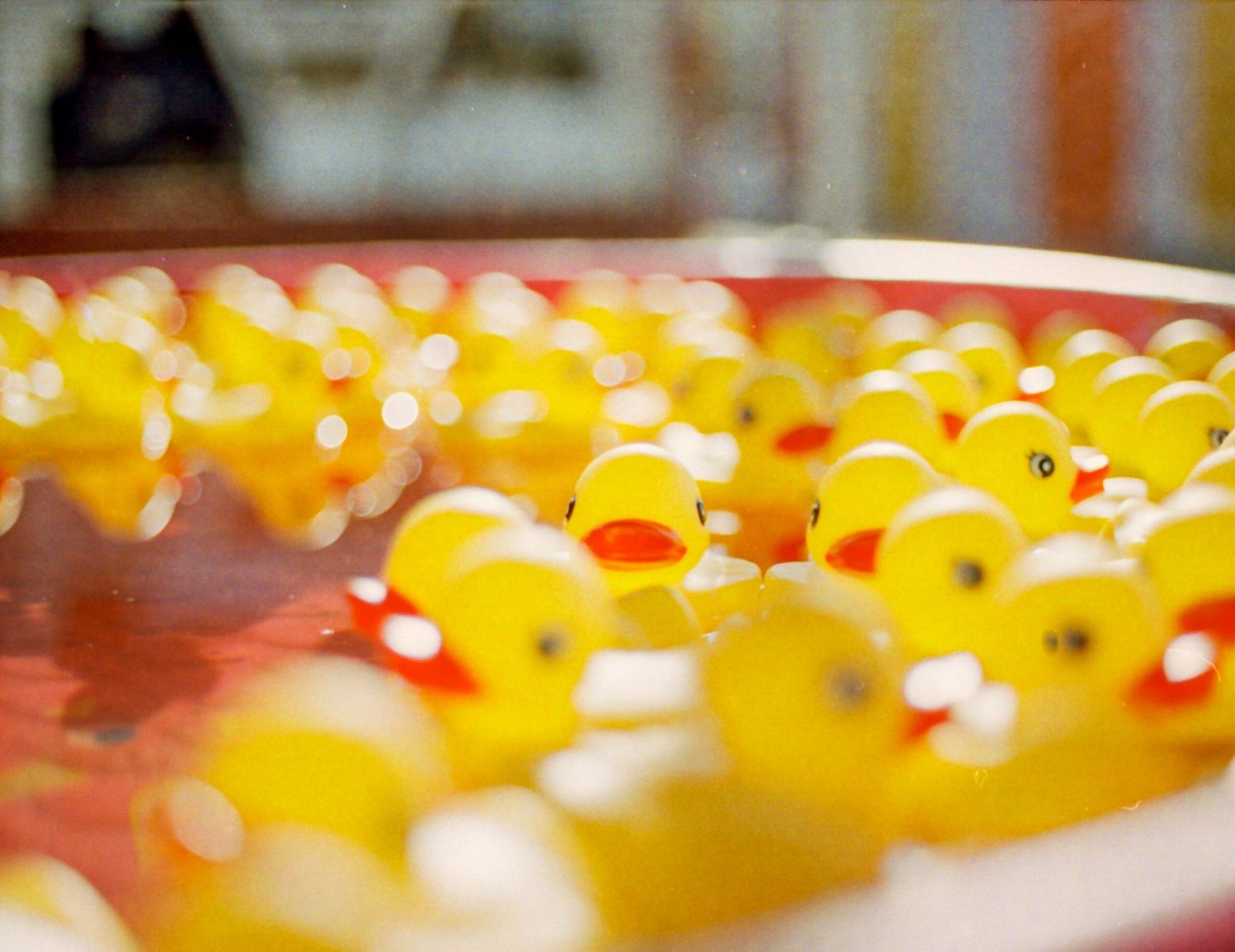
Three patterns cover most aquatic programs. Level-completion rewards, where each stage of the swim curriculum has a differently coloured duck, which also gives the venue a reason for repeat orders. Teaching aids in a set, used for counting games and floating exercises. And retail ducks in the front counter display, aimed at parents and siblings.
Each pattern implies different specifications. Rewards favour small sizes and bright colour separation between levels. Teaching aids favour consistent float behaviour and a size that is easy for a child to grasp. Retail favours display packaging and a design that reads well on a shelf.
Ordering the three together in one production run usually reduces unit cost and guarantees colour consistency across the program, which matters when a child’s collection of level ducks is the point.
Specifying for an Aquatic Buyer
The order should state the material, the colour references for each level, the drain design, the size, the packaging, and the compliance documents that apply. For outdoor venues, add UV expectations and a sample that has been through a season or an accelerated test.
Then agree the replacement rhythm. Swim programmes consume ducks steadily, and a small standing order is easier to manage than an emergency top-up before a new term. The sizing logic in our bulk rubber duck buying guide applies directly to term-based programs.
If you are equipping a swim school or water park, send the curriculum levels and the water chemistry to our custom duck team, and we will propose the material, drain design and colour set in one quotation.
FAQ
Will ducks fade in a chlorinated pool?
Some fading is normal over a season. Specify the material and ask for a sample exposed to the venue water chemistry and sunlight before bulk.
Why do ducks need drain holes?
To let trapped water out so the inside dries. Without one, hollow ducks stored damp develop odours and mould.
Do drain holes affect floating?
Yes. A larger drain lets more water in during play. Test the float behaviour if the duck lives in the water.
What documents should a swim school keep?
The applicable childrens product test report, material declaration and conformity statement, refreshed when the design changes.
How should a level-reward programme be ordered?
As one run with a separate colour per level, which keeps colour consistent and reduces unit cost.
Video: Water safety and swim programme teaching aids
If your swim programme needs reward ducks for each level plus teaching aids, send the curriculum to our custom rubber duck team. We will propose colours, sizes and drain designs suited to pool use.