Skip to content
A 20-foot giant rubber duck looks spectacular in the harbor photos, but most suppliers will ship you a ‘do not float’ model unless you specifically ask for a water-sealed, weighted-anchored design. I watched a procurement manager lose a $50,000 deposit on a waterfront festival activation because the pre-production sample approval showed a pristine duck on land, but the mass production run never accounted for ballast requirements or water pressure on the seams. The supplier delivered on time, the duck just couldn’t touch the water. That gap between what you see in the sample photo and what lands on your site is where the real planning happens.
The rubber duck event planning checklist I use with my own clients starts with one hard question: do you need this duck to float or not? That single answer determines your supplier pool, your engineering requirements, and your budget line items. A 4-foot sealed inflatable duck floats fine. Everything from 6 to 25 feet requires either land anchoring with internal ballast or custom water-sealing that adds $2,000 to $5,000 to the build. Most rental companies don’t mention this in their quotes. They assume you’re placing the duck on a trailer or a concrete pad. If you’re planning a waterfront festival, you need to ask for the engineering drawing and the weight distribution specs before you sign anything.
I’ve audited factories across China, Vietnam, and Thailand that produce these oversized inflatables, and the quality tolerance on the seam welding varies wildly. A reputable manufacturer will show their BSCI certification and a sample approval protocol that includes a24-hour inflation testat full pressure. The ones that skip that step are the ones shipping a duck that deflates mid-afternoon on day one. For a one-off festival, the FOB pricing runs $500 to $1,500 for a 20-foot duck shipped LCL from China to the US West Coast, but that’s just the ocean leg. Budgeting also needs to include a local event rigging crew because most suppliers don’t offer on-site installation. Planners have been known to add $3,000 to their budget for a crane and a two-person team just to get the duck upright and anchored.
Here’s the benchmark I tell every event planner to write down before they make their first supplier call: the industry standard for a custom branded 20-foot duck is 12 to 16 weeks lead time, and any supplier quoting under 10 weeks for a custom build should trigger a red flag. If you’re renting a standard 10 to 15-foot duck, you can compress that to 8 to 10 weeks, but only if the supplier has inventory and you’re flexible on color. Compare your timeline against that number before you commit to anything. If your event is 6 weeks out, you’re either renting what’s available on the floor or you’re looking at a different activation entirely.
Choose the Right Giant Duck for Your Event
4 ft sealed ducks float; 6–25 ft inflatables are land-only unless custom-engineered.
Most planners assume a giant duck is a giant duck. It’s not. There are three distinct types, and picking the wrong one means your duck either sinks, tips over, or looks comically small against the venue. Here’s how they break down.
- Inflatable floating ducks: Only available in sealed 4 ft designs. These are PVC bladders with welded seams and a weighted keel. They sit on water without a blower running continuously. Anything larger than 4 ft that claims to float without custom engineering is a red flag — most large inflatables are ‘do not float’ by default.
- Sealed display ducks: These are non-floating inflatables for land use only (10–25 ft). They require constant air from a low-pressure blower (110V/220V) and must be tied down with sandbags or screw anchors. A 20 ft duck needs roughly a 30×30 ft footprint including clearance — measure your site before ordering.
- Custom moulded ducks: These are rotational-moulded plastic shells (not inflatable). They’re rigid, weather-resistant, and can be reused for years. But they cost more upfront ($15,000+ for a 10 ft shell), weigh several hundred pounds, and require flatbed delivery and a crane for setup. Best for permanent installations or recurring annual events.

Site Planning: Space, Surface, Power & Access
80% of day-of failures trace back to site-planning errors, not the duck itself.
Every metre of duck height demands a specific footprint. A 20 ft inflatable duck needs roughly 30 ft x 30 ft of clear space including a safety clearance zone around the perimeter. That zone isn’t negotiable—it keeps attendees from tripping over anchor lines or blower cables and gives maintenance crews room to access the unit during the event.
- Footprint per size: 6 ft duck: minimum 12 ft x 12 ft. 10 ft duck: minimum 18 ft x 18 ft. 15 ft duck: minimum 24 ft x 24 ft. 20 ft duck: minimum 30 ft x 30 ft. These include a 20% safety buffer on each side.
- Surface requirements: Inflatable ducks need a clean, level surface free of sharp debris. Grass is fine if staked; asphalt or concrete requires weighted ballast bags (sand or water barrels). Avoid gravel—it shifts under load and can puncture the PVC base.
- Anchoring weight: A continuous-duty blower runs constantly to keep the duck inflated; anchoring is for wind stability, not inflation. For a 15–20 ft duck on land, plan for six anchor points with at least 75 lbs each (450 lbs total). On water, you need submerged ballast lines—ask your supplier for their specific anchor kit specs.
- Power for blowers: A standard industrial-grade blower draws around 8–12 amps at peak startup. You need one dedicated circuit per blower—do not daisy-chain extension cords across the site or you’ll trip breakers mid-event. Confirm generator capacity if power isn’t hardwired at your venue.
Real Cost Breakdown: Rental vs. Purchase 2026
Rental is cheaper upfront, but purchase pays off in 2-3 events.
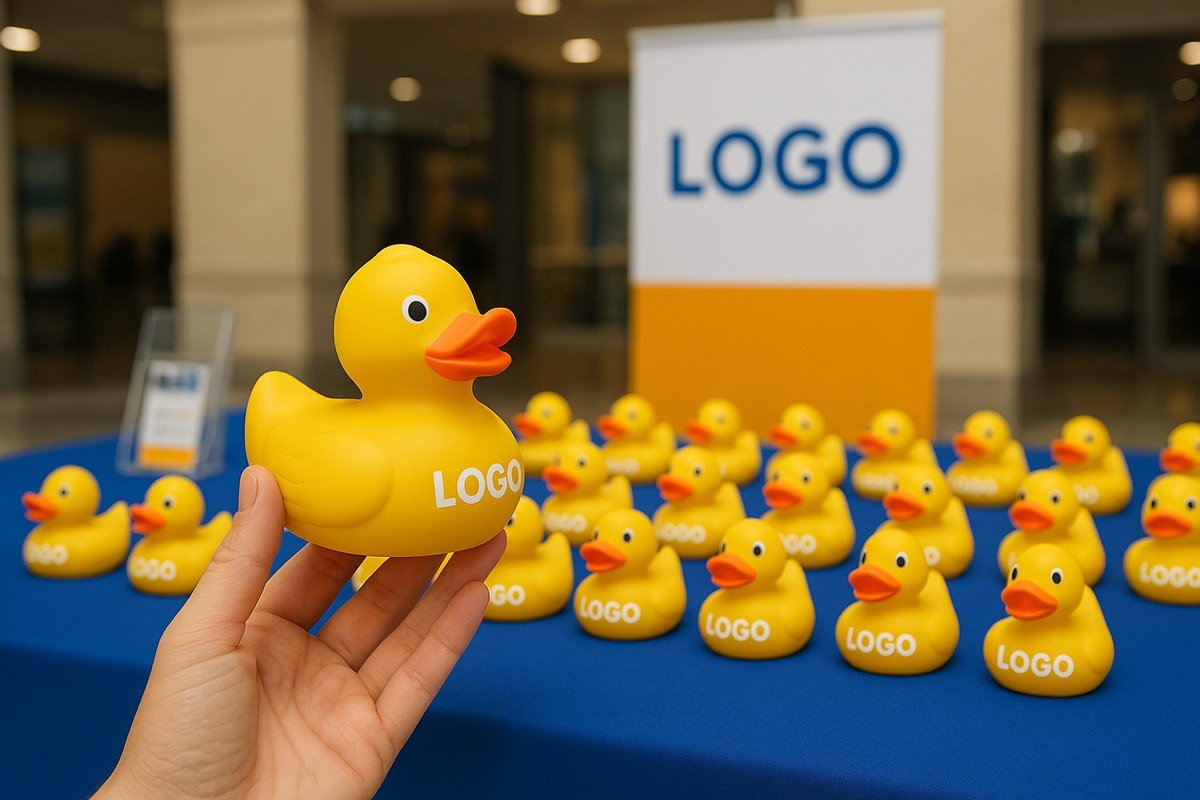
I’ve watched planners lock in a rental fee and then get blindsided by add-ons. Here’s the real picture: renting a 10–15 ft duck runs $1,500–$4,000 per event. That’s just the base — shipping, installation, insurance, and a backup unit are separate. Purchase of a 20 ft duck costs $8,000–$15,000, and custom branding adds another $1,000–$3,000. FOB shipping from China to the US West Coast runs $500–$1,500 for a 20 ft inflatable, but customs clearance for oversized cargo can tack on unexpected fees. The math becomes clear: if you plan to reuse the duck for three or more events, purchasing saves you 40–60% over renting. But if this is a one-off, rental is your safer bet.
- Rental fee (10–15 ft): $1,500–$4,000 per event – confirm if this includes delivery to site or just the unit.
- Purchase (20 ft, standard): $8,000–$15,000 – custom branding costs $1,000–$3,000 extra. Ask about refurbished moulds to avoid full mould fees.
- Shipping (FOB, LCL, China to US West Coast): $500–$1,500 for a 20 ft inflatable – but add $200–$500 for customs clearance and port handling.
- On-site installation crew: Most suppliers don’t include this. Budget $500–$2,000 for a local event rigging team to anchor, inflate, and secure the duck.
- Insurance & backup unit: Event insurance covers liability ($300–$800). A backup blower or spare duck section adds $200–$500.
| Category | Cost Breakdown | Hidden Fees & Logistics | Best For |
|---|---|---|---|
| Rental (10-15 ft Duck) | $1,500 – $4,000 per event | Shipping & on-site installation extra. Backup unit not included. | Single-event, zero long-term commitment, test-run before buying. |
| Purchase (20 ft Inflatable Duck) | $8,000 – $15,000 (base duck) | +$1,000 – $3,000 for custom branding. FOB shipping: $500–$1,500 (LCL to US West Coast). | Multi-event reuse, full brand ownership, long-term ROI. |
| Custom Branding Add-On | $1,000 – $3,000 (one-time) | Ask about refurbished molds to avoid full mold fees on one-off festivals. | Branded activations, festival sponsorships, social media virality. |
| On-Site Installation | Not included by default | Must contract local event rigging team separately. 80% of day-of problems are site-planning related. | Planners wanting a stress-free, turnkey setup. |
| Lead Time | 8–12 weeks (standard) / 12–16 weeks (custom branded) | Rush fees may apply for expedited orders. Confirm with supplier. | Planners with immovable deadlines; order early to avoid budget waste. |

Shipping, Customs & Installation: What Planners Miss
A 20 ft duck shipped LCL from China costs $500–$1,500 FOB — but customs delays can triple that.
Most planners focus on the duck itself and forget how it gets to site. A 20 ft inflatable packs down to roughly the size of a pallet when deflated, but that’s only true if the supplier uses flat-pack folding. Some ship in custom plywood crates to protect printed surfaces, which doubles the volumetric weight and adds $200–$400 to ocean freight. Always ask your supplier: ‘Is this shipped flat-packed or crated?’ and get the packed dimensions in writing before you budget shipping.
Port restrictions are another blind spot. A standard LCL (less-than-container-load) shipment from China to the US West Coast runs about $500–$1,500 for a 20 ft inflatable, but if your duck exceeds certain length thresholds (common with 25 ft+ models), it may require a dedicated 40 ft container or qualify as ‘over-dimensional cargo.’ That reclassifies your freight from standard LCL to project cargo, which can add 3–5 days at port and an extra $800–$2,000 in handling fees. Air freight is technically possible for smaller ducks (under 10 ft), but at $5–$10 per kg for oversized boxes, you’ll pay more for shipping than for the duck itself.
Delivery window buffers are non-negotiable. Ocean freight from Asia typically takes 25–35 days port-to-port, plus customs clearance (3–7 days) and inland trucking (2–5 days). If your event is on a Saturday and your duck arrives at port on Thursday, you lose. Build in a minimum two-week buffer between estimated arrival and load-in day.
- Installation gap:Here’s the reality: most inflatable duck suppliers do not offer on-site installation. They ship the unit with a blower kit and an instruction sheet. For a 15 ft+ duck requiring anchoring (concrete blocks or screw stakes), a local event rigging crew with experience in large inflatables is needed. Fewer than one in five suppliers provides factory-trained technicians for installation — and those that do charge $1,500–$4,000 per trip plus travel expenses.
- Crew requirement: For a 20 ft land-anchored duck, expect to need a crew of three: one operator managing the blower/tether system and two handlers guiding inflation and securing anchor points. Total setup time is usually 2–4 hours depending on wind conditions. If you’re placing the duck on water (custom sealed design only), you’ll also need a marine contractor for weighted anchoring systems — something even experienced event crews rarely handle.

How to Vet a Giant Duck Supplier
80% of day-of failures trace back to site planning — not the duck itself.
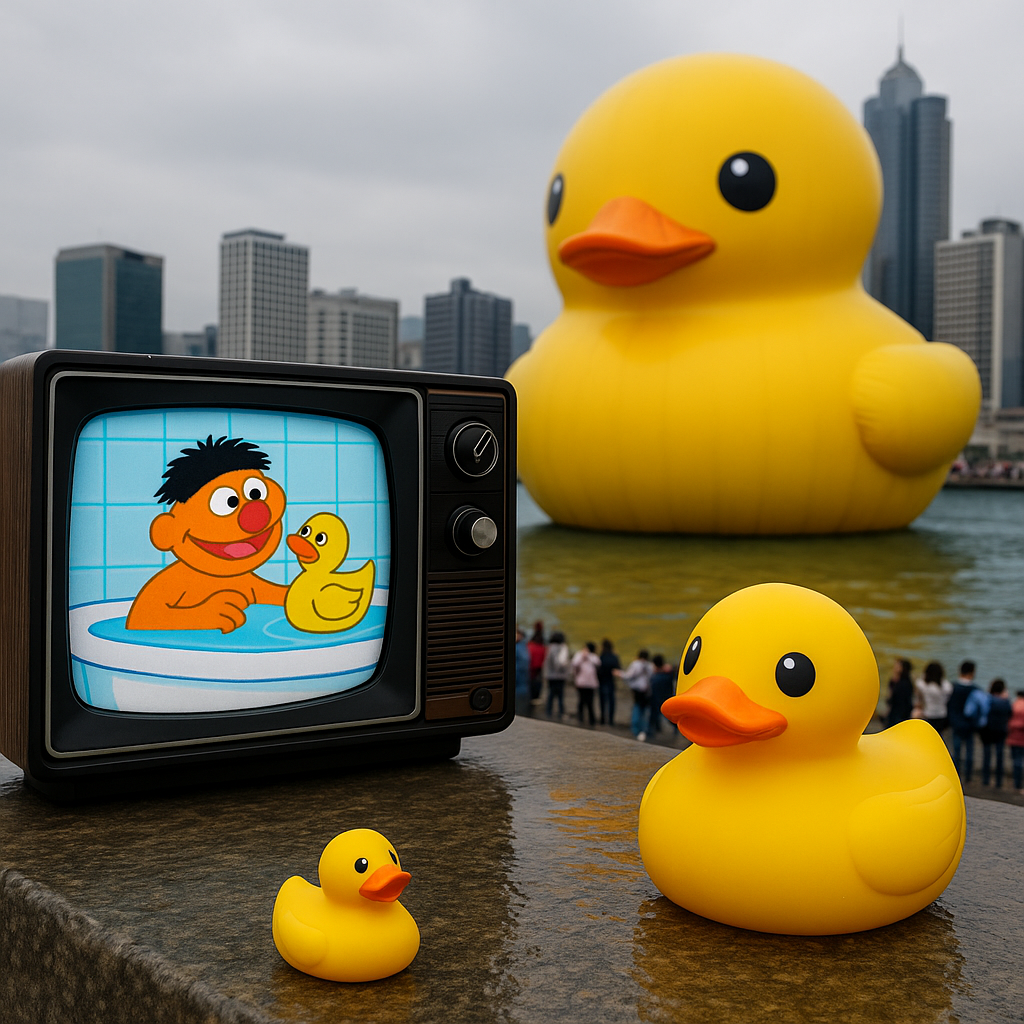
Most suppliers will happily sell you a 20-foot inflatable duck, but very few will tell you that their standard product is a ‘do not float’ unit designed for land anchoring only. Planners have discovered this the hard way — three days before the event, when the duck arrives without ballast rings or water-sealed seams. The question isn’t whether the supplier can deliver a duck; it’s whether they can deliver one that survives your specific setup.
- Engineering drawings for structural integrity: Ask for CAD or PDF showing seam reinforcement, anchor points, and wind-load ratings. A serious supplier provides these without hesitation. If they dodge, assume the duck is built to minimum spec.
- Case studies of festival installations: Request photos or references from events with similar scale and duration. A supplier who has deployed at a multi-day music festival knows about overnight wind shifts and crowd contact. A supplier who only sells to retail displays does not.
- Water-sealing for floating applications: ‘Can it float?’ is the wrong question. Ask: ‘Is this unit factory-tested for water submersion? What PSI does the seal hold?’ Most large inflatables are sealed for air retention, not water ingress — a crucial difference when mooring in a lake or harbour.
- Defect policy if the duck deflates during event:’We’ll send a replacement’ doesn’t help when the event runs tomorrow. Demand a written policy covering on-call remote troubleshooting, emergency patch kits included in shipment, and compensation terms if the unit fails due to manufacturing defect.
Conclusion
The final 10% that separates a professional setup from a failed activation is the site survey. You can nail the FOB pricing, get sample approval on your branding, and confirm quality tolerances with the factory, but none of it matters if your load-in route has a 12-foot clearance and your duck is 15 feet tall. Walk the site. Measure every gate, corner, and ceiling. That single hour of work prevents the one problem that no contract clause can fix.
Now take that site survey and match it against available duck sizes in our catalog. You will see exactly which configuration fits your festival footprint before you request a quote.
Frequently Asked Questions
What size giant rubber duck do I need for my festival?
For a noticeable outdoor anchor, go with a 10–15 ft duck; for major waterfront events, a 20+ ft duck creates a bigger visual impact. Indoor or table-top displays are best served. Match the size to your venue, audience distance, and power/logistics budget.
Can giant rubber ducks float on water?
Only if you specifically order a water-sealed, weighted-anchored design; most standard inflatable ducks are rated for land use only. Always confirm with the supplier whether the duck is engineered for. Ask for a water-rated model if your festival requires a floating duck.
How far in advance should I order a giant rubber duck?
Start planning 8–12 weeks ahead to allow for site prep, logistics coordination, and supplier lead time. Custom branding or water-sealed engineering may push that to 12–16 weeks, so factor in. Order early to secure the duck size and installation crew you need.
What is the typical rental cost of a giant rubber duck?
Renting a 15 ft duck typically runs $1,500–$4,000 per event, depending on duration, setup, and geographic reach. For a 20 ft inflatable purchase, expect to pay $8,000 or more, which pays off. Get a full quote that includes delivery, installation, and insurance.
Do suppliers provide installation support for giant ducks?
Many suppliers offer installation support, but it is usually an add-on service that must be booked in advance. Always confirm whether the quoted price includes on-site crew, blowers, anchoring, and a contingency. Ask for a detailed installation and support schedule before signing.