Skip to content
Gradient and Multi-Color Printing on Rubber Ducks: Limits and Costs
A gradient or multi-colour duck looks premium, but it also changes the cost, the tooling and the production risk. Printing a smooth colour fade or several colours onto a curved PVC duck is not like printing a flat label. This guide explains how the printing methods differ, what the limits are, and how the cost moves.
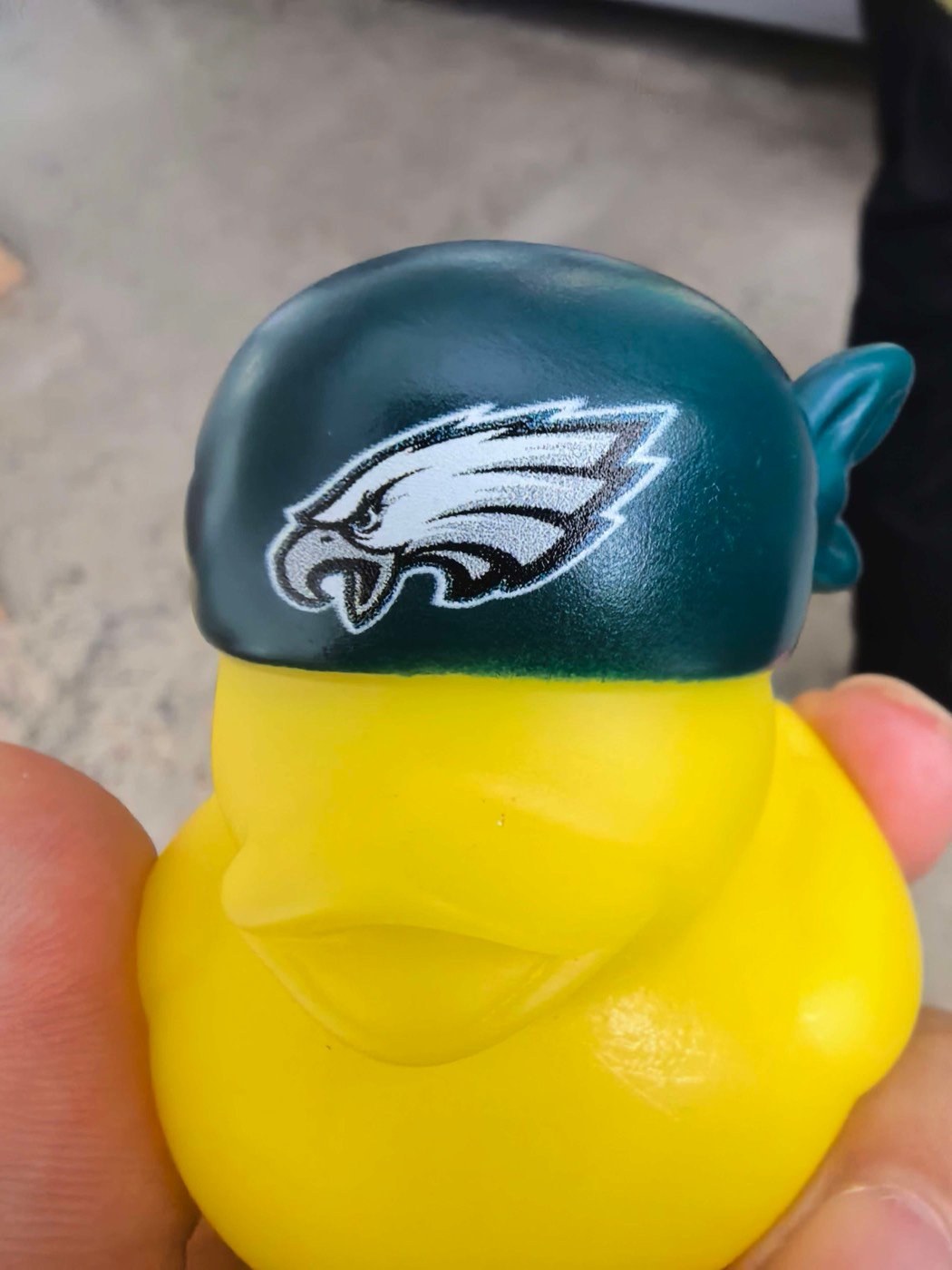
A gradient duck is built through the custom rubber ducks route, where the print method and colour match are set per order.
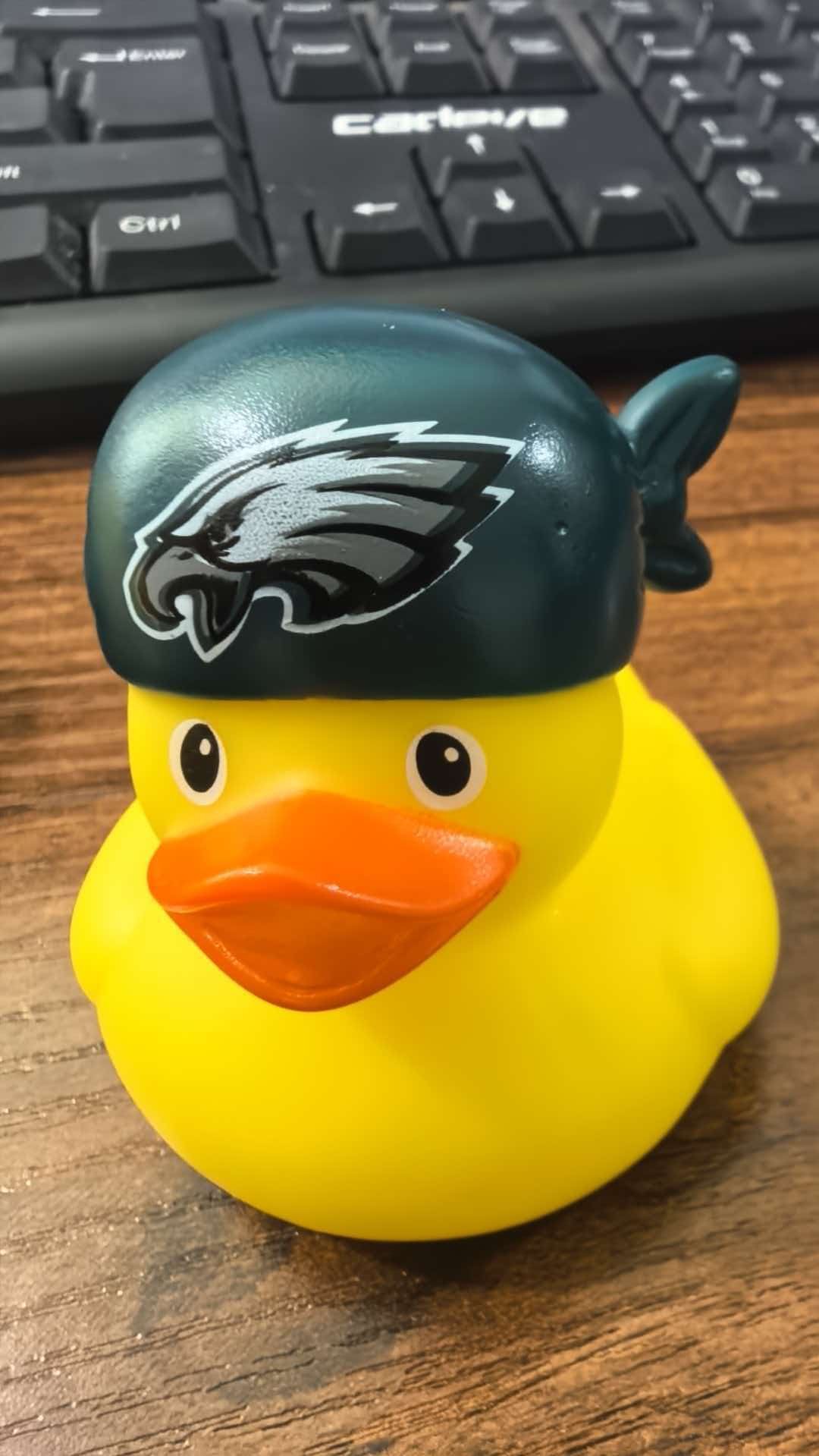
The printing methods that matter
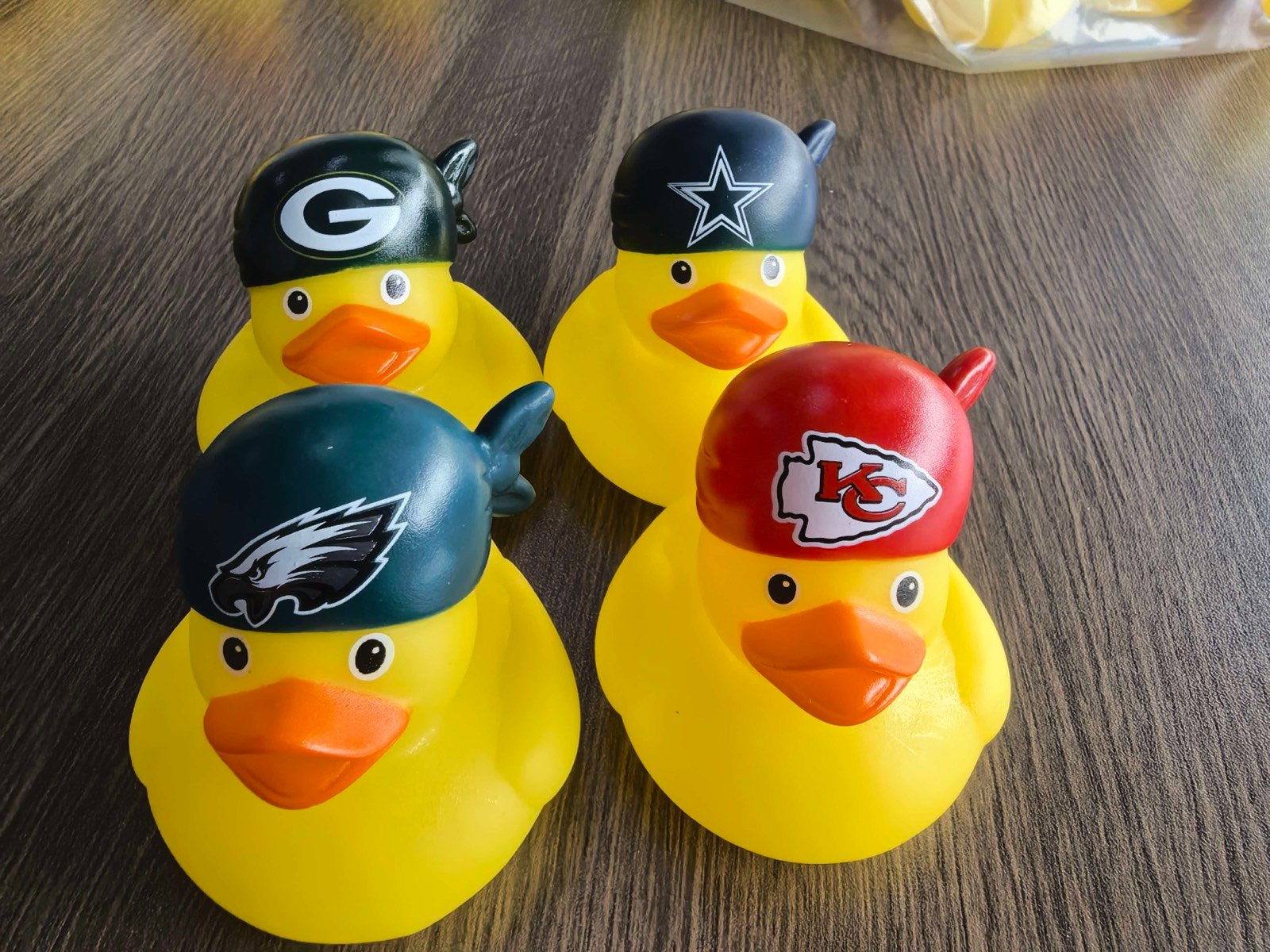
Two methods cover most custom duck printing. Pad printing transfers a design from a pad onto the curved surface, which is ideal for small, crisp logo and single or limited colour. UV printing sprays or prints colour directly onto the duck and can achieve a gradient and full-colour image, because it does not need a plate for each colour. For a gradient, UV printing is usually the route because a continuous fade is not practical to build from separate pads.
What a gradient actually costs
A gradient requires more set-up and a higher per-piece cost than a flat single colour. Because a fade is a continuous image rather than a solid, you may need a custom matte or a coated finish to keep the colour true, and that adds to the price. The MOQ also rises for a fully custom printed duck, because the setup is amortised across the run. On the LZENGO side, custom ducks are produced OEM/ODM with Pantone matching, so a buyer should ask for the price per piece at the quantity they plan, not at a small sample run.
Where gradient printing falls down
The limit is durability on a curved, handled surface. A printed duck that is squeezed, washed or handled a lot can rub, so UV printing needs a topcoat to protect the colour. A pad-printed logo holds up well because the ink sits on the surface, but it is limited to a few solid colours. For a duck that children will handle, the coating and the print durability are the spec to ask about.
Colour accuracy against a brand
If the gradient has to match a brand or a design file, colour accuracy becomes the whole job. Use Pantone matching for any solid colour, and ask the factory to confirm the gradient against your reference rather than approximate it. A factory that does controlled colour matching is the difference between a duck that carries your brand and one that just looks colourful.
Pricing a gradient duck? Send LZENGO your artwork and target quantity for the print method, coating and per-piece cost before you commit.
Related reading
See a real gradient application on the rubber duck wedding favors guide and volume on bulk rubber ducks.
FAQ
Can a rubber duck have a gradient print?
Yes, usually with UV printing, which can produce a continuous fade. Pad printing is better for small solid-colour logos, not a gradient.
Does a gradient duck cost more?
Yes. A gradient needs more set-up, may need a coated finish, and carries a higher per-piece cost and MOQ than a flat single colour.
Will the print rub off a handled duck?
It can. A UV-printed duck needs a protective topcoat if it will be squeezed or washed a lot, so ask about print durability and coating.
See also our duck color trend guide.
For more detail, see our Logo Placement on Rubber Ducks.