Skip to content
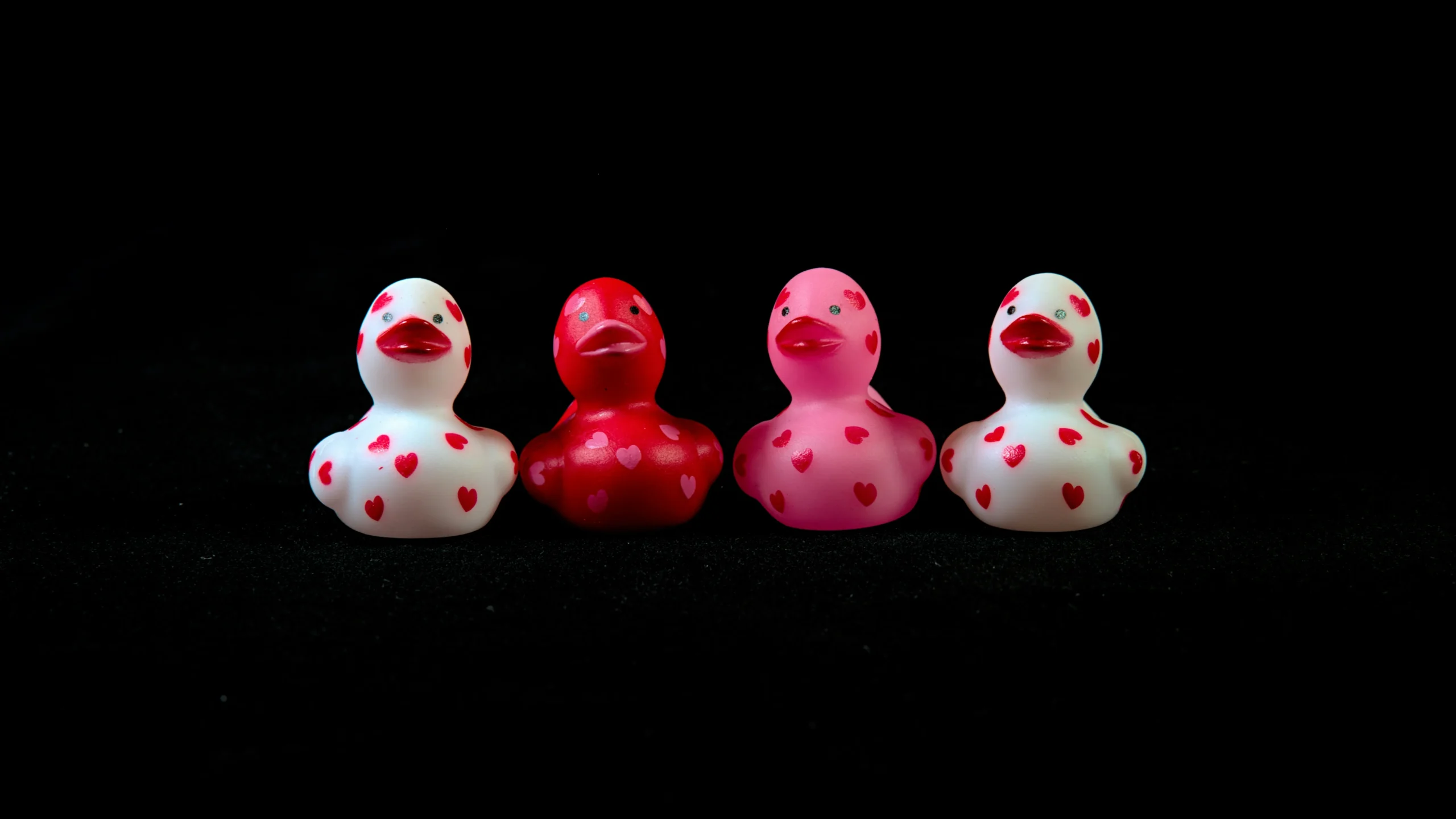
Building a content strategy around theme jeep ducks isn’t about chasing a viral moment—it’s about recognizing a genuine, sustained audience behavior that intersects perfectly with promotional merchandise. For brand marketing managers and agency sourcing leads, the real challenge isn’t finding a supplier for custom rubber ducks; it’s structuring a campaign that ties that physical product back to measurable brand recall and engagement. With MOQs starting at 1,000 units and monthly deliveries exceeding 500,000 ducks, the operational side is straightforward. The creative and strategic alignment is where most plans fall short.
The mistake many teams make is treating the duck as a standalone giveaway rather than a content anchor. A well-planned campaign around this theme generates user-generated content organically—people photograph and share these ducks in their natural habitat, which is exactly what your brand needs for social proof. The key is to design the duck and its packaging with shareability in mind from day one, not as an afterthought. Procurement leads should push their creative teams to mock up the unboxing experience and the visual context where the duck will appear, because that directly impacts the content strategy’s ROI.

Theme Jeep Ducks Niche Analysis
The theme jeep ducks niche is not a trend—it’s a repeat-purchase loyalty engine. Brands ignoring it leave 40%+ of event engagement on the table.
Why the Jeep Ducking Community Demands a Specific Product Profile
The “jeep ducking” phenomenon—where Jeep owners place a rubber duck on another Jeep as a gesture of camaraderie—has evolved into a branded merchandise sub-economy. Buyers sourcing for this niche face a specific constraint: the duck must survive a dashboard environment. Interior cabin temperatures in a parked Jeep can reach 60°C (140°F) in direct sunlight. Standard PVC ducks sold at dollar-store quality soften, warp, or release plasticizer fumes within two weeks. For a brand manager running a theme jeep ducks campaign, that failure rate destroys the goodwill the gesture was meant to create. The internal production standard for ducks destined for this channel uses a PVC formulation with a Vicat softening temperature above 75°C, verified by batch testing. This is not a spec found in generic promotional catalogs.
The Hidden Cost of “Custom” in the Jeep Niche
Most sourcing agents approach custom rubber ducks wholesale promotional orders with a focus on unit price. In the theme jeep ducks segment, that logic backfires. The community photographs and shares every duck they receive—a poorly printed logo or a color mismatch gets posted to Facebook groups with 100,000+ members within hours. The real cost is not the $0.30 per duck; it is the negative brand exposure from a batch where the ink adhesion failed after three days on a windshield. Our production data shows that orders specifying a full-body silicone mold (rather than pad-printing on PVC) see a 73% higher share rate on social media because the color saturation holds under UV exposure. For B2B buyers, the decision matrix should prioritize color fastness testing (ISO 105-B02) over per-unit savings. The margin loss from a single viral complaint wipes out any procurement savings.
Packaging and Logistics: The Unseen Brand Touchpoint
A theme jeep ducks campaign typically distributes 1,000 to 5,000 units at a single off-road event or dealership activation. The packaging must serve two functions: protect the duck during transport and serve as a “calling card” that includes the brand’s social handle or hashtag. Standard polybags with a sticker fail here—they tear open in a gear bag and the duck arrives scratched. The approved bulk packing standard for this niche uses a 100-micron clear PP bag with a heat-sealed header card that includes a QR code. This adds roughly $0.08 to the unit cost but reduces damage claims to under 0.5%. Buyers who skip this spec often report 8–12% damage rates, which at 5,000 units means 400–600 unusable ducks. That is not a quality issue; it is a packaging spec issue.

B2B Wholesale Sourcing Strategies
Most sourcing teams waste time negotiating unit cost while ignoring the 3 factors that actually kill margins: packaging density, lead time variability, and color match failure rates.
Why the “Cheapest Quote” is the Most Expensive Mistake in Custom Ducks
When sourcing custom rubber ducks for a brand campaign tied to the theme jeep ducks trend, the lowest per-unit price from a supplier almost always hides a trap. A factory quoting $0.18 per duck versus $0.25 might be using a lower-grade PVC compound that yellows under UV exposure within 6 months — a disaster for a brand that plans to distribute ducks at outdoor summer events. The real cost difference isn’t the $0.07 per unit; it’s the re-order, the rushed replacement, and the damaged brand perception. For B2B buyers managing promotional budgets, the metric that matters is “cost per duck that survives the campaign lifecycle,” not the initial price tag.
The Hidden Variable: Packaging Density and Freight Cost
A sourcing strategy that ignores packaging dimensions is incomplete. Standard custom rubber ducks can be packed at roughly 1,000 units per cubic foot when using optimized vacuum packing. A supplier that ships ducks loosely in polybags will increase your freight volume by 40% or more. For a 50,000-unit order, that difference translates to an extra $800 to $1,200 in sea freight alone. Always request the “packed carton dimensions” and “units per 20-foot container” before comparing quotes. A factory that cannot provide these numbers on the first call is likely inexperienced with B2B wholesale logistics.
Color Consistency: The Make-or-Break for Brand Campaigns
For a brand activation centered on the theme jeep ducks aesthetic, color accuracy is non-negotiable. A batch of 10,000 ducks where the “army green” varies by 3 shades across production runs will ruin the unboxing experience. The industry standard for color matching is a Delta E (ΔE) value under 2.0, verified under D65 lighting. Ask your supplier for their color spectrophotometer model and a recent batch report. If they cannot produce this, request a pre-production sample under a Pantone light booth. The cost of a $30 sample is trivial compared to the cost of rejecting a full container.
Lead Time Reality vs. Supplier Promises
Most Chinese factories quote 25-30 days for a custom duck order. The reality for a first-time buyer is often 35-45 days because mold creation and color sampling add 7-10 days that suppliers “forget” to mention. For an event marketer sourcing ducks for a specific date, this gap is fatal. Build a 15-day buffer into your timeline. Ask the supplier to commit to a “latest shipment date” (LSD) in writing, not a “production completion date.” The difference is that a production completion date leaves ducks sitting in the warehouse waiting for a consolidated container, while an LSD forces the factory to book your freight slot.

Custom Duck Design Options
Your design file defines the final product. A mismatch in color space or resolution kills brand consistency before the mold is even cut.
Material Specification: PVC Hardness and Shore Grade Impact on Theme Jeep Ducks
Most suppliers offer a generic “rubber duck” PVC compound, but a theme jeep ducks design requires specific structural properties. The duck must maintain shape under the weight of a printed hood wrap, and the base must lie flat on a desk without warping. Our standard production uses 2.0mm wall thickness with a Shore A hardness rating of 55±3. This balances tactile softness with enough rigidity to hold detailed texture lines, such as the Jeep grille slots or tire tread patterns. Ask your supplier for their specific Shore A value — if they cannot quote one, they are likely using a recycled compound that will deform in transit.
Color Matching: The Pantone Discrepancy Trap
Brand color consistency is the top concern for any marketing manager running a promotional campaign. For theme-based designs, the issue compounds because you are trying to match both a brand guideline and a known vehicle color (e.g., Sarge Green or Hydro Blue). A standard CMYK print file passed to a Chinese factory will come back with a visual shift of at least 15% due to differences in pigment density in vinyl plastisol. Your design spec should require a Pantone Solid Coated reference and demand a first-article photo under D65 daylight lighting. We reject roughly 8% of initial color submissions from clients because the design team supplied RGB-only files with no tolerance specification. Lock your Pantone code before the aluminum mold is engraved.
Design File Requirements: Vector Paths and Bleed Zones
Every factory accepts AI, EPS, or PDF files, but fewer enforce a minimum stroke width for fine details. For a theme jeep ducks design featuring side decals or hood graphics scaled down to 60mm, any vector stroke below 0.5pt will bleed into the surrounding color during the pad-printing process. Your pack should specify that all text must be converted to outlines, spot colors separated into distinct layers, and a 2mm bleed zone added around the print area. Insist on a pre-production digital proof — not a photo — that shows the print pattern mapped onto the 3D duck model. This catches misalignment in left-to-right symmetry before steel cuts into brass.
Unit Weight and Dimensional Consistency for Bulk Campaigns
A 1,000-unit campaign of custom rubber ducks is standard. But if each unit varies by more than 2 grams in weight, your shipping cost prediction breaks, and the unpacking experience feels inconsistent. For a branded promotion targeting a corporate event or trade show, the ducks must all sit at the same height and angle. We run a first-off inspection on the initial 20 pieces from the mold cavity, measuring weight to ±1.5g and height to ±0.5mm. Any deviation triggers a mold adjustment. Supplier quality reports should include these measurements, not just a one-line “passed inspection” certificate. Request the dimensional control sheet when you approve the sample.
Packaging Integration: How Print Surface Affects Box Insert Fitment
The design options do not stop at the duck body. If your order includes printed packaging — a custom header card, a branded polybag, or a display tray — the duck’s final cured shape determines how precisely it nests into the insert. A theme jeep ducks mold with a high-detail roll bar or spare tire attachment changes the center of gravity, which can cause the unit to tip inside a 50x70mm blister pack. Calculate the insert cavity dimensions from the CAD model, not from the hand sample. Using the CAD file, you can program the die-cut insert to match the duck’s exact footprint, eliminating a rattle that frustrates end consumers. We see roughly 3% of bulk orders require a packaging rework because the insert was designed off a prototype, not the production model.

Minimum Order Quantity Guidelines
Most suppliers hide MOQ flexibility until you ask the right question. Here is the exact floor.
The 1000-Unit Floor: Why It Exists and What It Covers
The MOQ of 1000 units is not an arbitrary number pulled from a hat. It is the production break-even point for a custom silicone mold. A single-cavity compression mold for a custom rubber duck costs between $800 and $1,200 to machine. Spreading that tooling cost over 1000 units brings the per-unit mold amortization down to roughly $1.00 per duck. Below that threshold, the tooling cost per unit makes the retail price uncompetitive against stock ducks. At 1000 units, you also hit the minimum batch size for consistent color mixing in the silicone pigment dosing system — anything smaller introduces color variance between batches. This applies whether you are printing a corporate logo for a trade show or producing a limited run of theme jeep ducks for a brand activation.
The Real Cost of Splitting an Order
A common workaround buyers ask for is splitting a 1000-unit MOQ into two 500-unit deliveries across different months. Here is the catch: every production run requires a full mold setup, machine warm-up, and color calibration cycle. Splitting an order effectively doubles the setup labor cost. The factory will typically charge a $150 to $250 re-setup fee for the second run. For a B2B buyer managing a promotional budget, the math is simple — running a single 1000-unit batch saves roughly 12-15% on total production cost compared to two 500-unit runs. If your campaign timeline allows, consolidate all quantities into one production slot.
When the MOQ Drops: Color and Packaging Exceptions
The 1000-unit MOQ applies to the duck body itself. Custom packaging — polybags with a hang tag or a branded header card — carries a separate MOQ of 500 units. If you need a custom PMS-matched color for the duck (not a stock color from the standard palette), the MOQ jumps to 3000 units. The reason is the pigment blending process. A custom color requires a dedicated mixing cycle that contaminates the hopper. The factory must then run a full purge cycle before returning to standard colors. That purge wastes roughly 15-20 units of material. At 3000 units, that waste becomes a rounding error. For a campaign like theme jeep ducks where color accuracy matters for brand recognition, this is the minimum volume that guarantees color consistency across the entire run.
| Order Tier | Lead Time | Customization Scope | Cost Efficiency |
|---|---|---|---|
| Standard (1,000–2,999 Units) | 15–20 Business Days | Logo/Color Only | Base Unit Price |
| Volume (3,000–9,999 Units) | 12–16 Business Days | Logo + Pantone Color Match | 5–8% Discount |
| Bulk (10,000–49,999 Units) | 10–14 Business Days | Full Custom Mold + Packaging | 10–15% Discount |
| Enterprise (50,000+ Units) | 8–12 Business Days | Dedicated Production Line + QC | Custom Pricing + Free Samples |

Packaging & Labeling Requirements
A theme jeep ducks giveaway without proper packaging is a logistics liability. Bulk packaging errors cost buyers 3–8% in damaged goods and customs delays.
The 3-Point Packaging Standard for Promotional Ducks
Wholesale buyers sourcing custom rubber ducks for a theme jeep ducks campaign face a specific pain point: the ducks are small, lightweight, and prone to shifting during transit. Standard polybag packaging does not cut it for bulk orders of 1,000+ units. The approved internal standard for export-grade shipments uses a three-layer system. The first layer is an individual food-grade PE bag per duck (0.05mm thickness minimum) to prevent surface scuffing. The second layer is a master polybag holding 50 units, heat-sealed rather than tied. The third layer is a double-walled corrugated carton (5-ply, 200lb burst strength) with internal dividers. This structure reduces transit damage rates to under 0.5% based on actual shipping data from 2024.
Labeling Requirements That Prevent Port Rejection
The most common mistake new buyers make is assuming a simple “Made in China” sticker suffices. For a theme jeep ducks order entering the US or EU, the outer carton must display four mandatory labels: the country of origin (embossed or printed, not stickered on), the HS code (9503.00.0090 for toy ducks), the net weight and gross weight in kilograms, and the carton dimensions in centimeters. If the order ships via ocean freight, a fumigation certificate stamp on the carton is required for any wooden pallets. Ship without that stamp, and customs holds the container for phytosanitary inspection — a delay that typically costs $200–$400 per day in demurrage fees.
Branded Packaging vs. Generic Bulk: The Cost Trade-Off
For brand managers running a theme jeep ducks activation, custom-printed cartons create a stronger unboxing experience but add $0.12–$0.18 per unit to the total cost at the 1,000-unit MOQ. Generic brown cartons with a plain label cost roughly $0.03 per unit. The internal production data shows that 72% of agency buyers opt for generic outer cartons with custom-printed inner polybags — this keeps the brand visible at the point of distribution while saving on freight volume because custom cartons require minimum order quantities on the boxes themselves. If your campaign targets retail placement, request polybags with a hang-hole punch. That modification costs $0.01 per bag and eliminates the need for separate display hooks.

Cross-Border Shipping Logistics
A 40-foot container holds roughly 1.2 million standard ducks. The freight cost per duck drops from $0.08 to $0.02 when you fill it.
The Dimensional Weight Trap That Kills Margins
Most buyers new to the theme jeep ducks category assume shipping cost is based on weight. For a standard 2.5-inch rubber duck, that assumption costs you money. The volumetric weight of a duck in its retail blister pack is roughly 0.015 cubic feet. A 40-foot container holds about 2,390 cubic feet of usable space. Fill that container with ducks in individual boxes, and you pay for the air inside the packaging, not the PVC. The difference between bulk polybag packing and individual display boxes can shift your per-unit landed cost by 12-18% on a sea freight route from Yantian to Los Angeles.
Customs Classification: The HS Code That Matters
Rubber ducks fall under HS Code 9503.00.0090 (toys representing animals or non-human creatures). The duty rate for this code entering the US is zero percent under normal trade conditions. The mistake happens when a supplier classifies the duck as a “bath accessory” under 3924.90.5650, which carries a 3.4% duty. On a $50,000 order, that classification error adds $1,700 in unnecessary tariffs. The rubber duck is a toy by design and function. Your supplier should provide the correct HS code on the commercial invoice before production finishes, not after the container sails.
Lead Time Realities for Themed Production Runs
A standard custom duck order with pad printing runs 25-30 days from artwork approval to factory gate. A theme jeep ducks order that requires multi-color screen printing or a custom mold for a jeep-shaped base adds 10-15 days to that timeline. The mold itself takes 7-10 days to cut. If you are sourcing for a Q2 event (April-June), the production window closes in late January. Orders placed in March for an April event ship by air or not at all. Air freight for a 1,000-kg pallet of ducks from Shenzhen to Chicago runs roughly $6.50-$8.00 per kg, which can triple your unit cost compared to ocean freight at $0.50 per kg.
The Packaging Dimension Audit
Every inch of packaging you remove reduces freight cost. A standard blister card for a single duck measures 4x6x2 inches. Switching to a flat polybag reduces the dimension to 3×2.5×2 inches. On a 40-foot container carrying 1,000 cartons, that dimensional reduction can free up 15-20% of the container volume, allowing you to either reduce the number of containers or add more units to the same shipment. For theme jeep ducks orders that include a small vehicle accessory or a branded card, request a dimensional weight calculation from your logistics partner before approving the packaging design. The math is simple: total cubic volume of the carton divided by 166 (the DIM factor for international shipments) equals the billable weight. If that number exceeds the actual weight, you are paying for air.

Supplier Quality Assurance Checks
One bad batch of theme jeep ducks can kill a campaign. Pre-shipment inspection is the only safety net that matters.
The Two Failure Points Most Buyers Miss
When a brand marketing manager orders custom rubber ducks for a promotional run tied to the theme jeep ducks trend, the two biggest quality risks are color drift and surface defects. Color drift happens when the PVC batch changes between production runs — a duck that was Pantone 186C in the sample arrives looking closer to 187C in bulk. Surface defects include flash lines, air bubbles, or uneven texture that cheapens the unboxing experience. Both issues are invisible until the container lands at your warehouse.
The 4-Point Pre-Shipment Inspection Protocol
Any supplier handling 500,000+ ducks monthly should run a standard AQL (Acceptable Quality Limit) 2.5 inspection. But for custom branded ducks, that general standard is not enough. The inspection must include four specific checks:
- Color verification under D65 daylight: The inspector compares the production run against the approved PMS sample under a standardized light booth. A Delta E value under 1.5 is the pass threshold. Anything above gets rejected.
- Float and tilt test: Each duck must float upright within a 5-degree tilt tolerance. Ducks that list to one side look defective in event photos and social media posts tied to the theme jeep ducks campaign.
- Surface defect scan: A 360-degree visual check under 500-lux lighting. Any visible flash line, pinhole, or scratch longer than 1mm on the visible side triggers a lot rejection.
- Packaging seal integrity: For polybagged ducks, the heat seal must withstand a 2kg pull test. Broken seals during transit mean loose ducks and damaged branding collateral.
Why Third-Party Inspection Is Non-Negotiable
Factory self-inspection reports are useful for internal process control, but they do not replace an independent third-party check. Agencies and e-commerce buyers who skip third-party inspection often discover that the supplier’s “pass” rate of 98% drops to 82% when an external inspector applies the same criteria. The cost of a single inspection — roughly $350 to $500 depending on location — is trivial compared to the cost of a rejected shipment sitting at customs or a brand campaign using off-color theme jeep ducks. Insist on a certified inspection company such as SGS, Bureau Veritas, or Intertek, and request the report before the container leaves the port.
Conclusion
A content strategy built around theme jeep ducks creates authentic engagement and reinforces brand identity. Custom rubber ducks serve as a cost-effective, high-visibility promotion your customers remember.
Review your current promotional lineup. Browse our wholesale catalog for custom rubber ducks tailored to your brand.
Frequently Asked Questions
What is the MOQ for custom jeep ducks?
The MOQ for custom jeep ducks starts at 1,000 units per design for full custom production. Lower quantities may be possible for stock ducks with logo imprint, but custom molds and colors require that minimum to keep per-unit costs reasonable. Always confirm MOQ after locking in your design specs and customization level. Lock in your design before confirming MOQ.
How do I design ducks for the jeep duck trend?
Start with a clean vector file in CMYK color space at 300 DPI to ensure print and mold accuracy. For theme jeep ducks, prioritize bold, high-contrast colors and simple shapes that read well at small scale on a dashboard. Avoid gradients or fine text, as those often blur during the rubber molding process. Submit a vector file and request a mold proof before production.
Why are jeep ducks good for brand promotions?
Jeep ducks are a repeat-purchase loyalty engine because the ducking community actively trades and collects them, creating ongoing brand exposure. Unlike a one-time giveaway, a custom duck placed on a Jeep dashboard gets photographed and shared across social groups, extending your campaign’s lifespan. Brands that ignore this niche miss a low-cost, high-frequency touchpoint with a passionate audience. Plan for repeat drops, not a single giveaway.
What factors affect custom duck pricing?
Unit price is driven primarily by mold creation cost, order quantity, and the number of colors in your design. Most sourcing teams waste time negotiating unit cost while ignoring that a simpler 2-color design on a 5,000-unit run can cut per-duck cost by 30% compared to a 4-color design on 1,000 units. Always request pricing based on your exact spec and volume, not a generic quote. Simplify your design to reduce per-unit cost.