Skip to content
Choosing between UV printing and pad printing for a custom rubber duck is not about finding one process that is always better. The artwork, proof result, and acceptable cost all affect the decision.
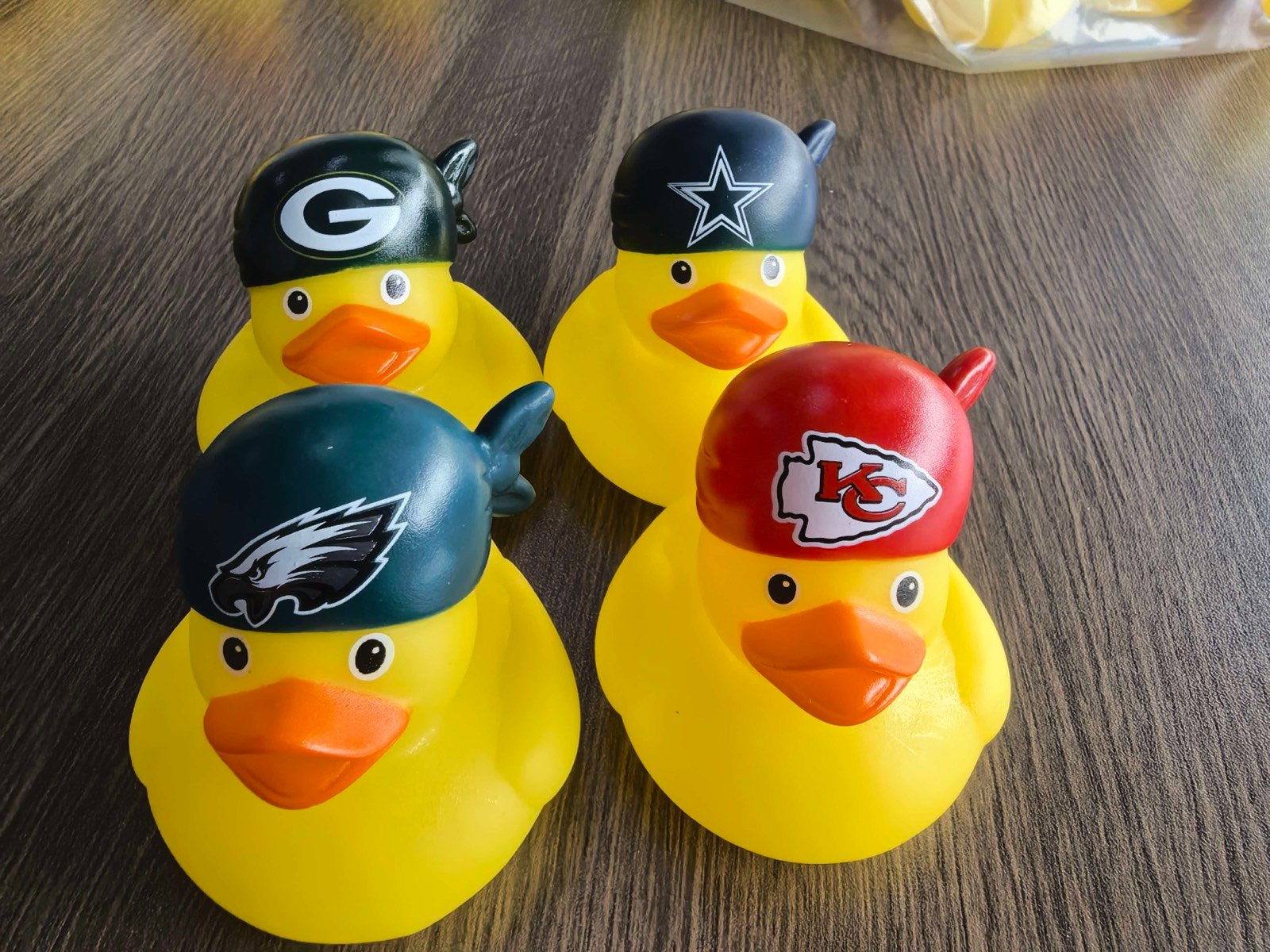
In one recent production case, a customer wanted detailed logo artwork on the molded cap of a yellow rubber duck. Pad printing was tested first, but the result did not reproduce the fine details as intended. The team then evaluated UV printing, which produced sharper line work and richer color in this case, although it was also the more expensive option.
Quick answer: Keep pad printing in consideration when the approved proof preserves the logo clearly enough. Evaluate UV printing when fine lines or color detail remain unsatisfactory and the visible improvement justifies the additional cost.
Why Fine Logo Details Change the Printing Decision
Logo printing on a small product surface is a visual translation problem. Thin outlines, small shapes, close color areas, and a recognizable overall silhouette all need to survive the move from artwork to a physical sample.
A simple one-color mark and a detailed illustrated logo do not create the same production challenge. A process that works well for one design may not preserve the details that matter in another. For that reason, the most useful review starts with the actual artwork and an agreed proof standard.
UV Printing vs. Pad Printing: What This Case Showed
The comparison below is limited to the recorded production case. It does not claim a universal difference in resolution, durability, production speed, or price.
| Decision point | Pad printing | UV printing |
|---|---|---|
| Role in this case | The first process tested for the customer’s logo. | The alternative evaluated after the first proof was not satisfactory. |
| Observed visual result | Did not reach the intended look for the detailed artwork. | Produced the preferred detail and color result in this project. |
| Cost position | No price figure was provided in the source material. | Described as the more expensive option for this application. |
| Practical decision | Keep it when the proof protects the essential artwork well enough. | Evaluate it when fine lines or color detail remain unacceptable after proofing. |
How the Production Review Progressed
- Define the visual goal. The customer wanted accurate logo artwork with fine line work on the duck’s cap.
- Test the first process. The team initially prepared a pad-printing result.
- Inspect the proof. The first result did not match the intended level of detail.
- Evaluate an alternative. UV printing produced the preferred detail and color result for this artwork.
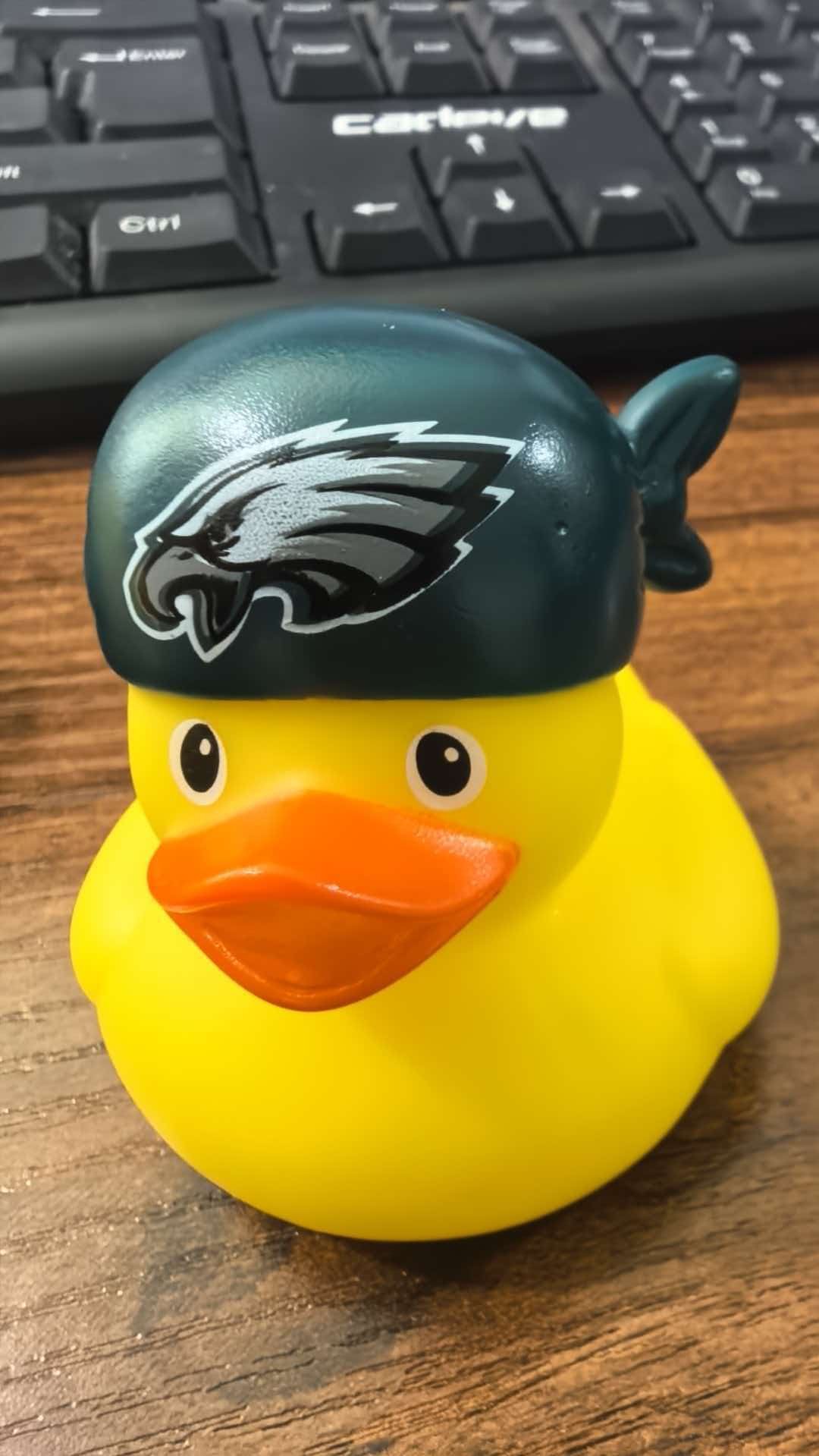
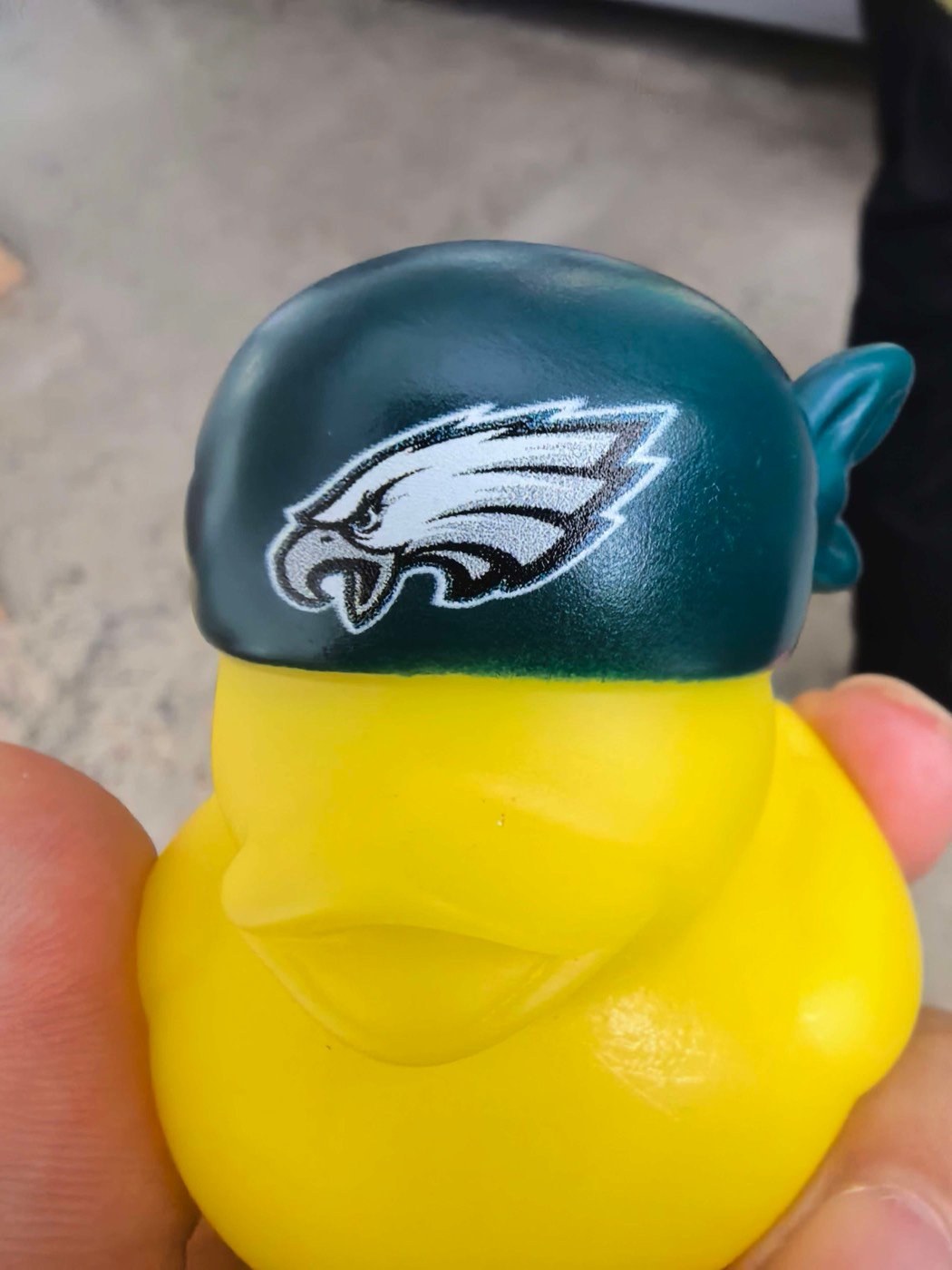
The photographs support the production story, but they were taken from different distances and under different conditions. They should be read as practical project references rather than a controlled laboratory comparison.
When to Keep Pad Printing in Consideration
- The proof keeps the important lines and overall logo shape clear.
- The buyer accepts the visual result without removing essential artwork detail.
- The improvement from another process would not add enough visible value to justify the additional cost.
When to Evaluate UV Printing
- Fine outlines remain unclear in the first proof.
- The artwork depends on color detail that the first result does not reproduce as intended.
- The buyer values the improved visual result enough to review a higher-cost process.
This is not a reason to skip proofing. It is a reason to compare the real artwork against a real sample and agree on which details are essential before production approval.
What to Send for an Artwork Review
A clear brief helps the production team focus on the details that cannot change. Before requesting a printing recommendation, prepare:
- The original logo file at the best available quality.
- A note identifying thin lines that must remain visible.
- The colors that are most important to the logo’s identity.
- Examples of details that may be simplified, if any.
- Confirmation that you have the right to use the submitted artwork.
- A request to review a process-matched proof before final approval.
Print area, quantity, schedule, pricing, packaging, and other production requirements should be reviewed separately for each project. If you are preparing a new concept, see the LZENGO custom rubber duck options before sending your brief.
Frequently Asked Questions
Is UV printing always better than pad printing?
No. This case supports a narrower conclusion: UV printing gave the preferred result for one detailed logo after the first pad-printing proof did not meet the visual goal. A different artwork may lead to a different decision.
Why not use UV printing for every custom rubber duck?
The production recording described UV printing as a higher-cost option that is not commonly used for this application. It is most useful to evaluate when the artwork needs a visible improvement.
Can photographs prove which printing method is better?
Not by themselves. Photographs can document a project result, but lighting, angle, distance, and sample preparation can change what the viewer sees. The final decision should be based on an approved physical proof.
What should I provide for a printing review?
Share the original logo, identify the fine lines and colors that matter most, and explain which details may or may not be simplified. The production team can then recommend an appropriate proofing path.
Start with the Artwork, Then Approve the Process
The practical lesson from this case is simple: do not select a printing method by name alone. Start with the artwork, test the proposed process, inspect the proof, and move to another option only when the result shows a meaningful reason to do so.
Before choosing between pad and UV printing, review the 7-point mockup approval checklist to verify that your printing method matches your design.
Have a detailed logo for a custom rubber duck project? Send LZENGO your artwork and project requirements for a production review before approval.