Skip to content
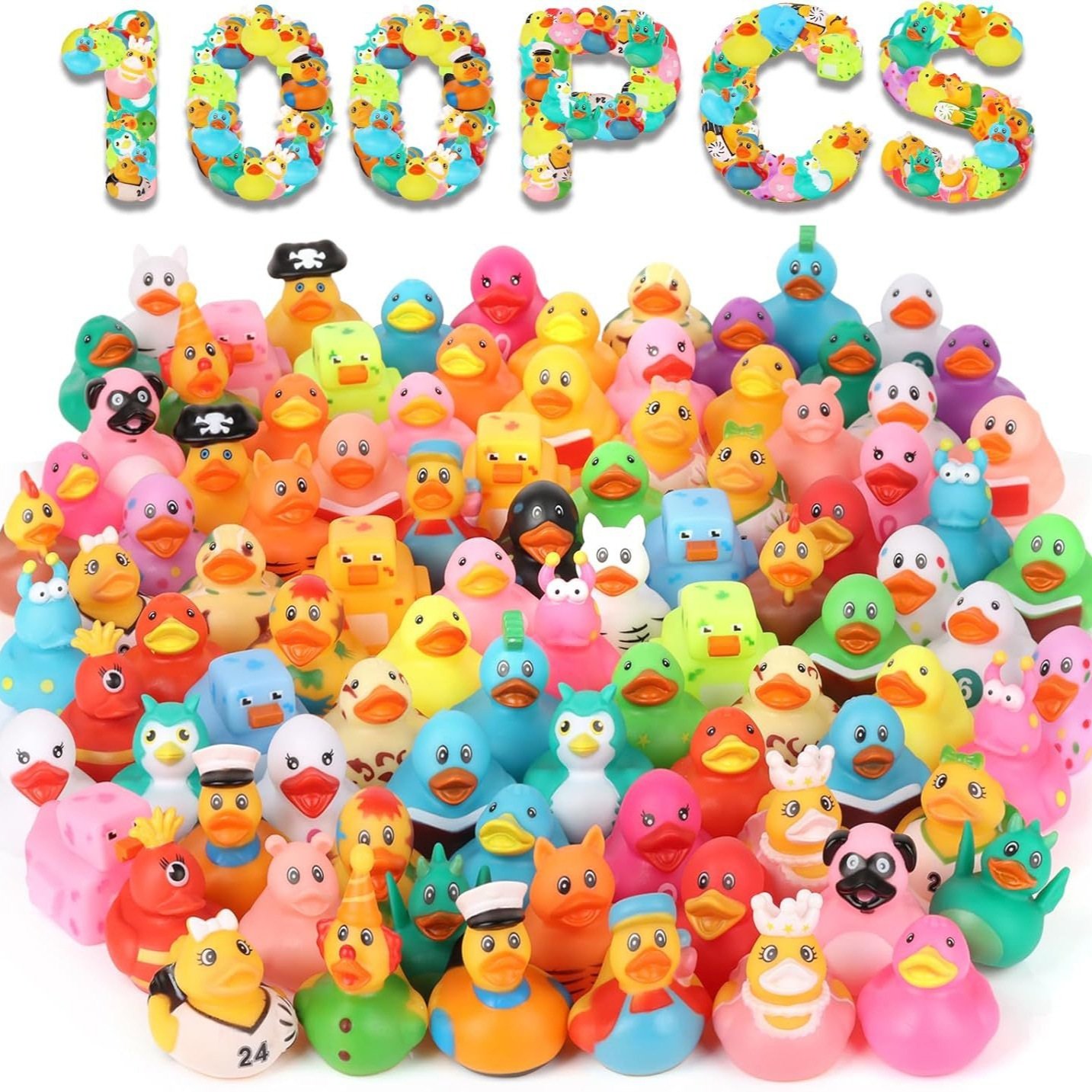
Virtual events replaced the trade show floor with the browser tab, but they did not eliminate the need for a physical touchpoint. Attendees who log in to a webinar, conference, or product launch from home still sit in the same room they always do — and the brands that send something tangible to that room earn a share of attention that a Zoom background never could. Among the options, a custom rubber duck is the lightest, cheapest, and most memorable item you can ship in a swag box.
The Promotional Products Association International tracks retention rates for event swag, and unusual-shaped items consistently outperform conventional ones. A rubber duck lands in a parcel, gets unpacked on camera, and sits on a desk for months. The cost to ship one weighs almost nothing in a padded envelope.

Why Rubber Ducks Work for Virtual Events
Virtual event fatigue is real. Attendees close browser tabs, check their phones, and multitask through sessions. A physical item arriving in the mail breaks the digital monotony. The unboxing moment becomes a secondary event — attendees post it on social media, tag the organizer, and create organic reach that the live stream alone cannot generate.
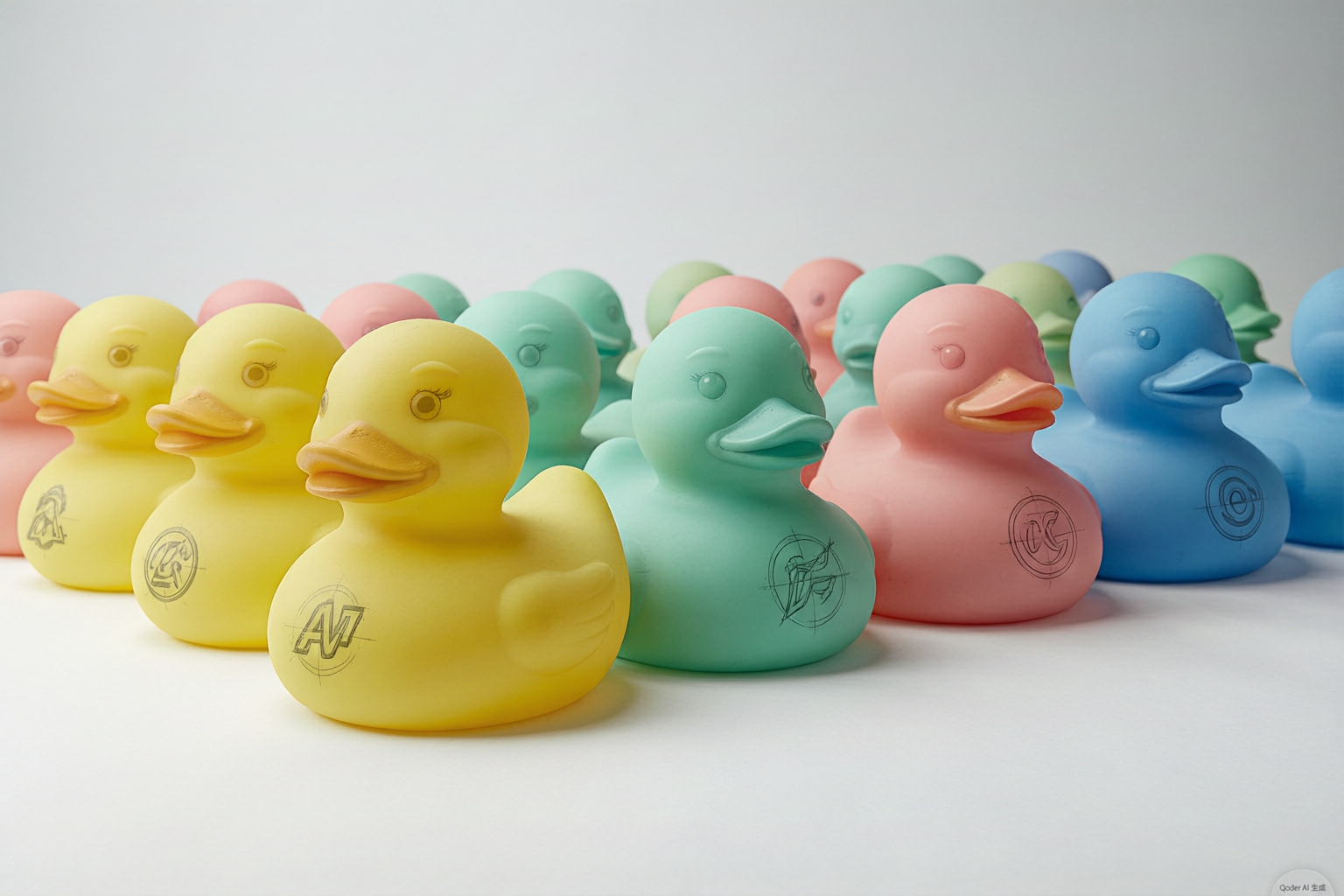
A rubber duck works better than a branded mug or t-shirt for three reasons. First, it ships flat and light — a padded envelope with a duck weighs under 100 grams, keeping postal costs at the lowest tier. Second, it is unexpected — nobody anticipates a rubber duck in a conference swag box, and surprise drives social sharing. Third, it has no sizing problem — unlike a t-shirt, one duck shape fits every recipient.
Designing the Duck for a Virtual Audience
The duck design should reference the event itself, not just the sponsor logo. If the event is a tech conference, a duck wearing a headset or sitting on a laptop shape creates a visual connection. If it is a healthcare summit, a duck in scrubs or with a stethoscope makes the item feel bespoke rather than generic.
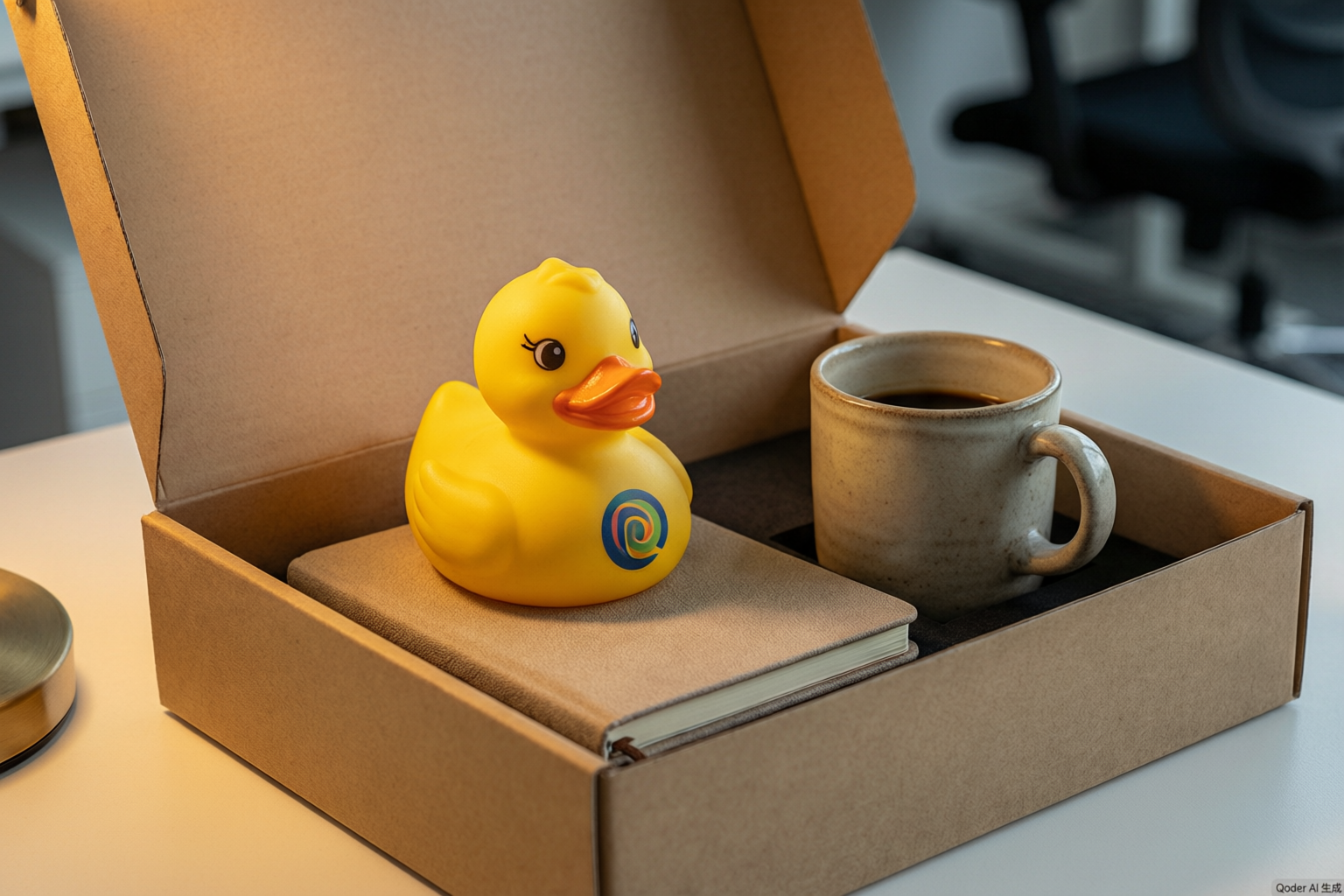
Color matching matters. A Pantone-matched duck in the event’s brand color signals that the organizer put thought into the swag selection. The custom rubber duck collection at LZENGO supports Pantone color matching with MOQs starting at 1,000 units for standard shapes and 5,000 for fully custom molds.
Packaging and Shipping Logistics
The shipping workflow for virtual event swag follows a simple sequence. Collect attendee shipping addresses during registration. Consolidate addresses into a packing list. Pack each duck in a branded poly bag with a thank-you card, then seal in a padded envelope. Ship via a postal service that provides tracking — the tracking number doubles as a “your swag is on the way” email touchpoint.
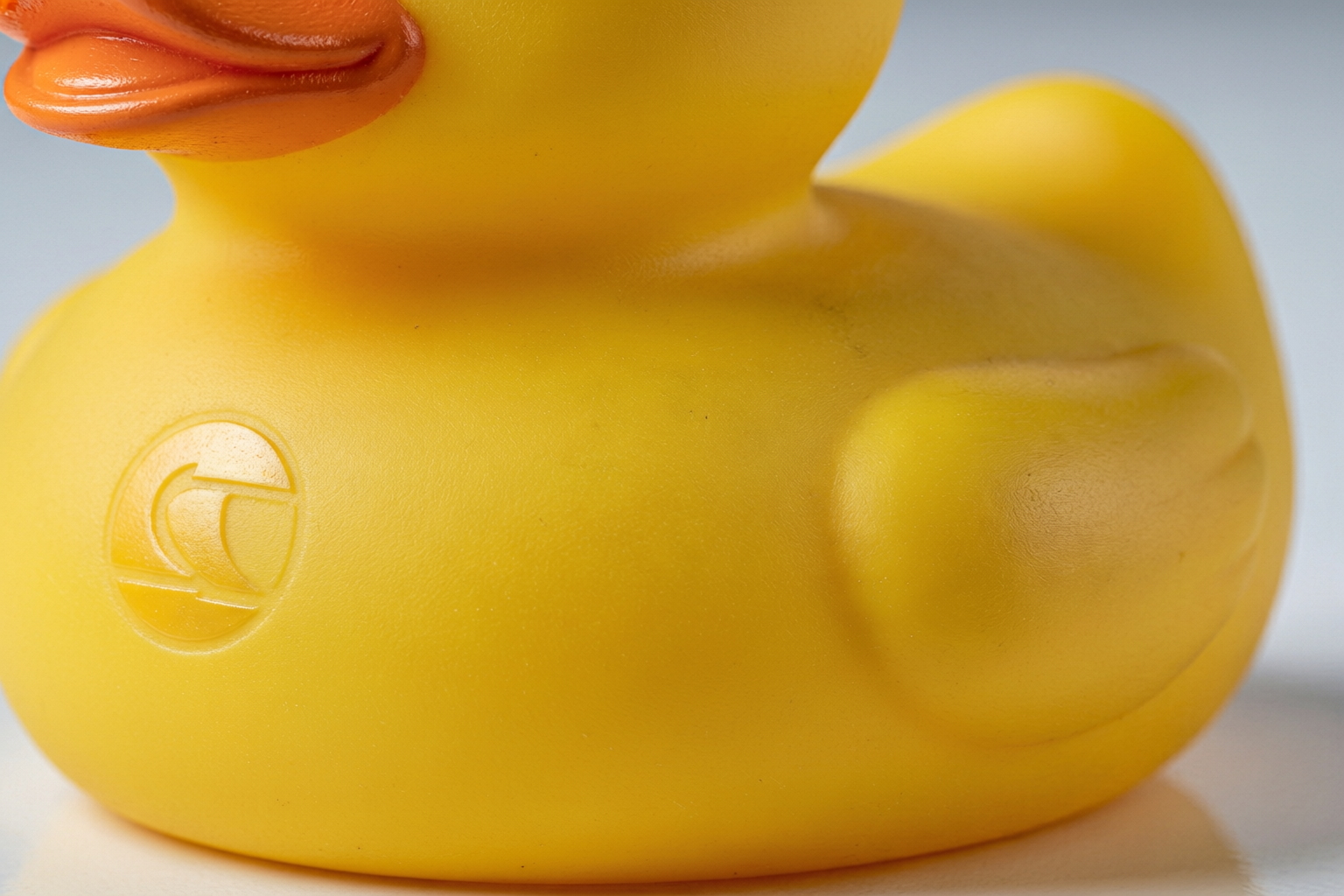
Timing is critical. Ducks should arrive two to three days before the event, not after. The unboxing becomes part of the pre-event excitement. For multi-day virtual conferences, some organizers send one duck per day with different accessories, creating a collectible series that keeps attendees logging in.
Cost Breakdown for a 2,000-Attendee Virtual Event
At 2,000 units, a custom-colored rubber duck with a single-color logo costs approximately $0.45 to $0.65 per unit. Packaging (poly bag plus card plus padded envelope) adds about $0.15 per unit. Shipping via standard postal service runs $0.80 to $1.50 per envelope domestically and $2.00 to $4.00 internationally. Total cost per attendee: $1.40 to $2.65 domestically.
Compare that to a traditional trade show swag bag at $3 to $8 per attendee, and the virtual duck approach delivers a physical touchpoint at roughly one-third the cost, with the added benefit of reaching attendees who would never travel to an in-person event.
Measuring ROI from Virtual Swag
Track three metrics. First, social media mentions — search for the event hashtag and the duck image in the week surrounding the event. Second, post-event survey responses — add a question asking whether recipients received and kept the swag item. Third, repeat engagement — compare session attendance rates between attendees who confirmed receiving the duck and those who did not.
For organizer teams buying at event scale, the tier, MOQ, and packing decisions are covered in our conference-scale duck buying guide.
{“@context”: “https://schema.org”, “@type”: “FAQPage”, “mainEntity”: [{“@type”: “Question”, “name”: “What is the best rubber duck to ship as virtual event swag?”, “acceptedAnswer”: {“@type”: “Answer”, “text”: “A custom-colored rubber duck with a single-color logo printed on the chest. Pantone matching to the event brand color makes the duck feel bespoke. At 2,000 units, cost is approximately $0.45-$0.65 per duck.”}}, {“@type”: “Question”, “name”: “How much does it cost to ship rubber ducks to virtual event attendees?”, “acceptedAnswer”: {“@type”: “Answer”, “text”: “Domestic shipping in a padded envelope costs $0.80-$1.50 per unit. International shipping runs $2.00-$4.00. Total per-attendee cost including duck, packaging, and shipping: $1.40-$2.65 domestically.”}}, {“@type”: “Question”, “name”: “When should virtual event swag ducks be shipped?”, “acceptedAnswer”: {“@type”: “Answer”, “text”: “Two to three days before the event starts. This creates a pre-event unboxing moment that generates social media buzz and builds anticipation.”}}, {“@type”: “Question”, “name”: “Can rubber ducks be customized for specific virtual events?”, “acceptedAnswer”: {“@type”: “Answer”, “text”: “Yes. Custom molds, Pantone color matching, and logo printing are all available. MOQs start at 1,000 units for standard shapes and 5,000 for fully custom molds.”}}]}
Related reading: Marathon and 5K Race Ducks: Finisher Gifts Runners Actually Keep