Skip to content
Rubber ducks have moved far beyond the bathtub. Over the past decade, a growing community of collectors has turned custom and limited-edition rubber ducks into a niche but active market segment. For B2B brands, this trend opens a door: a well-designed custom duck can function as both a promotional item and a collectible that recipients actively seek out and display.
The World Intellectual Property Organization (WIPO) tracks trademark filings for three-dimensional product shapes, and rubber duck designs are among the growing categories. Brands that invest in a unique duck shape can protect it as trade dress, turning a promotional item into a defensible brand asset.

What Drives Collectibility
Collectibility comes from scarcity, story, and visual appeal. A duck that is produced in a limited run of 500 units for a specific event becomes more desirable than a generic yellow duck available anywhere. A duck that tells a story — a city skyline silhouette on the base, a mascot character reimagined as a duck — carries emotional value that outlasts the event where it was distributed.
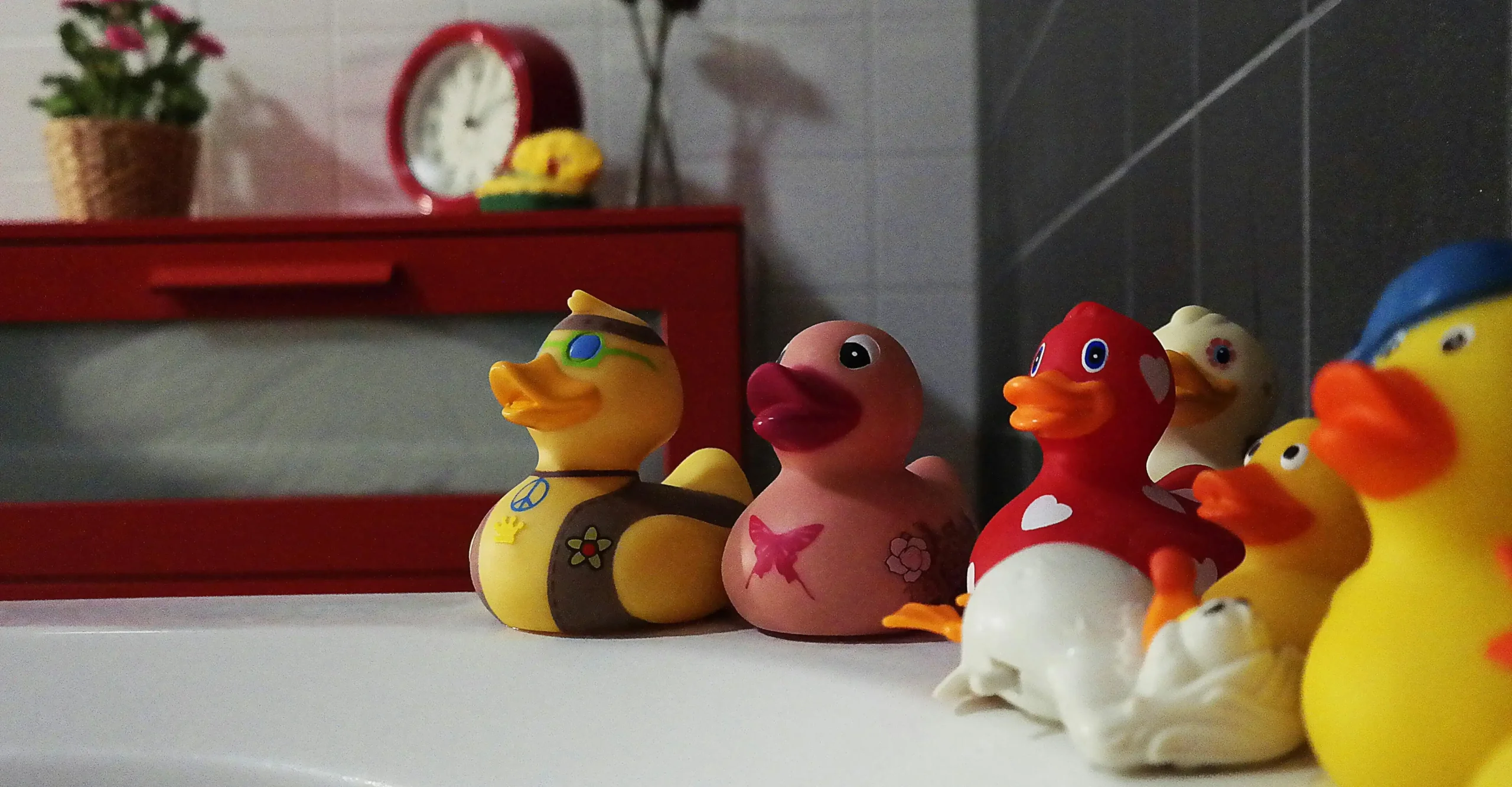
The most successful collectible duck programs release themed series. Think of it like a trading card set: Series 1 might feature five ducks representing different departments in a company. Series 2 introduces seasonal variants. Collectors (in this case, employees, clients, or event attendees) want to complete the set, which drives engagement across multiple touchpoints.
Brands That Have Embraced Collectible Ducks
Tech companies have been early adopters. A Silicon Valley startup might commission a duck in its brand colors for its annual user conference, then release a new design each year. Attendees who collect multiple years’ ducks become brand ambassadors — their desk displays tell a visual story of loyalty.
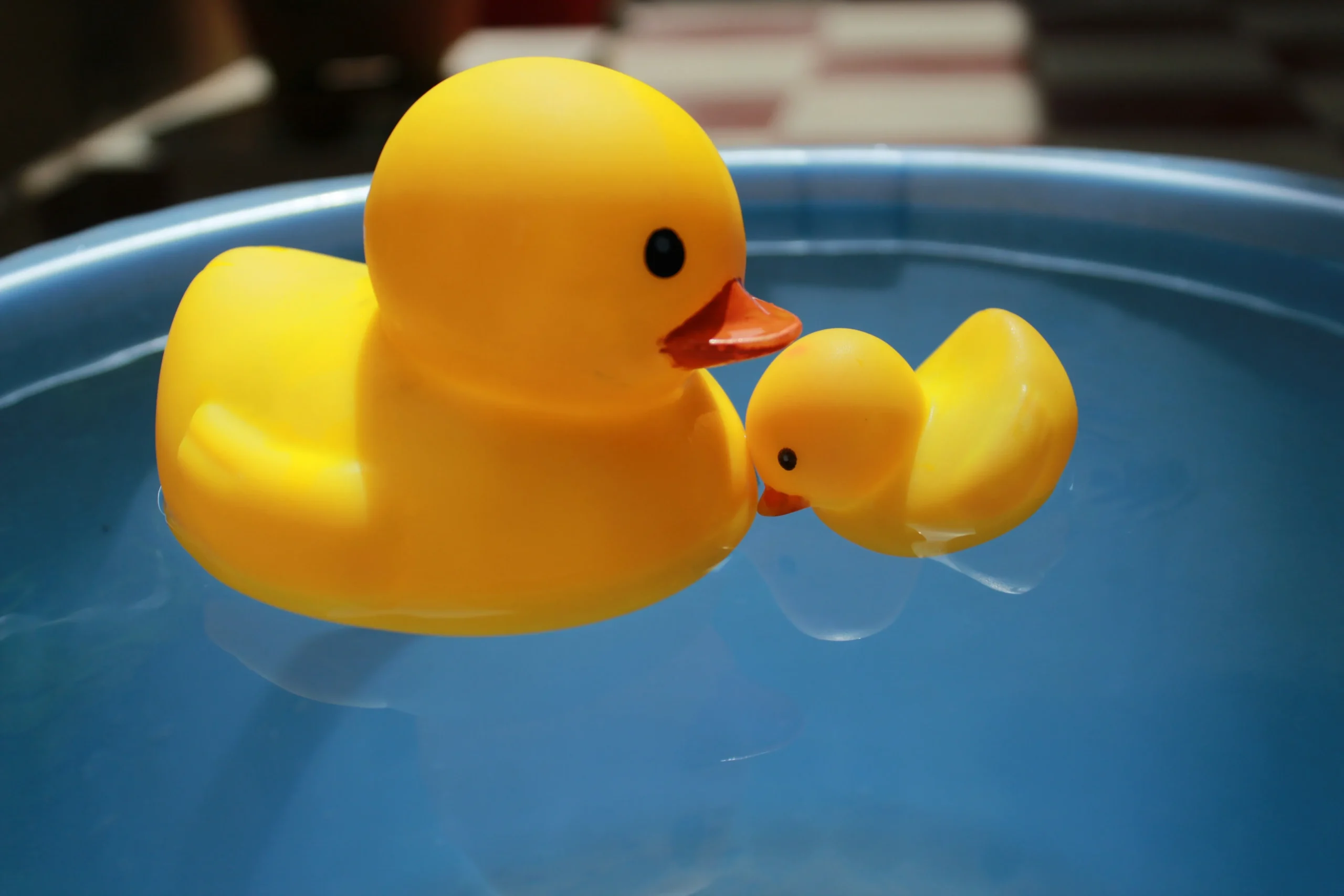
Museums and cultural institutions have also entered the space. A natural history museum might commission a duck shaped like a dinosaur, an art museum might collaborate with a local artist for a one-of-a-kind duck design. These ducks sell in the gift shop at a premium and generate social media content when visitors share their purchases.
Design Considerations for Collectible Ducks
A collectible duck needs at least one element that separates it from a standard promotional duck. This could be a custom body shape (a duck wearing a specific hat, holding a specific object), a special finish (metallic paint, glow-in-the-dark vinyl, soft-touch coating), or a functional element (a built-in whistle, a magnetic base for desk display).
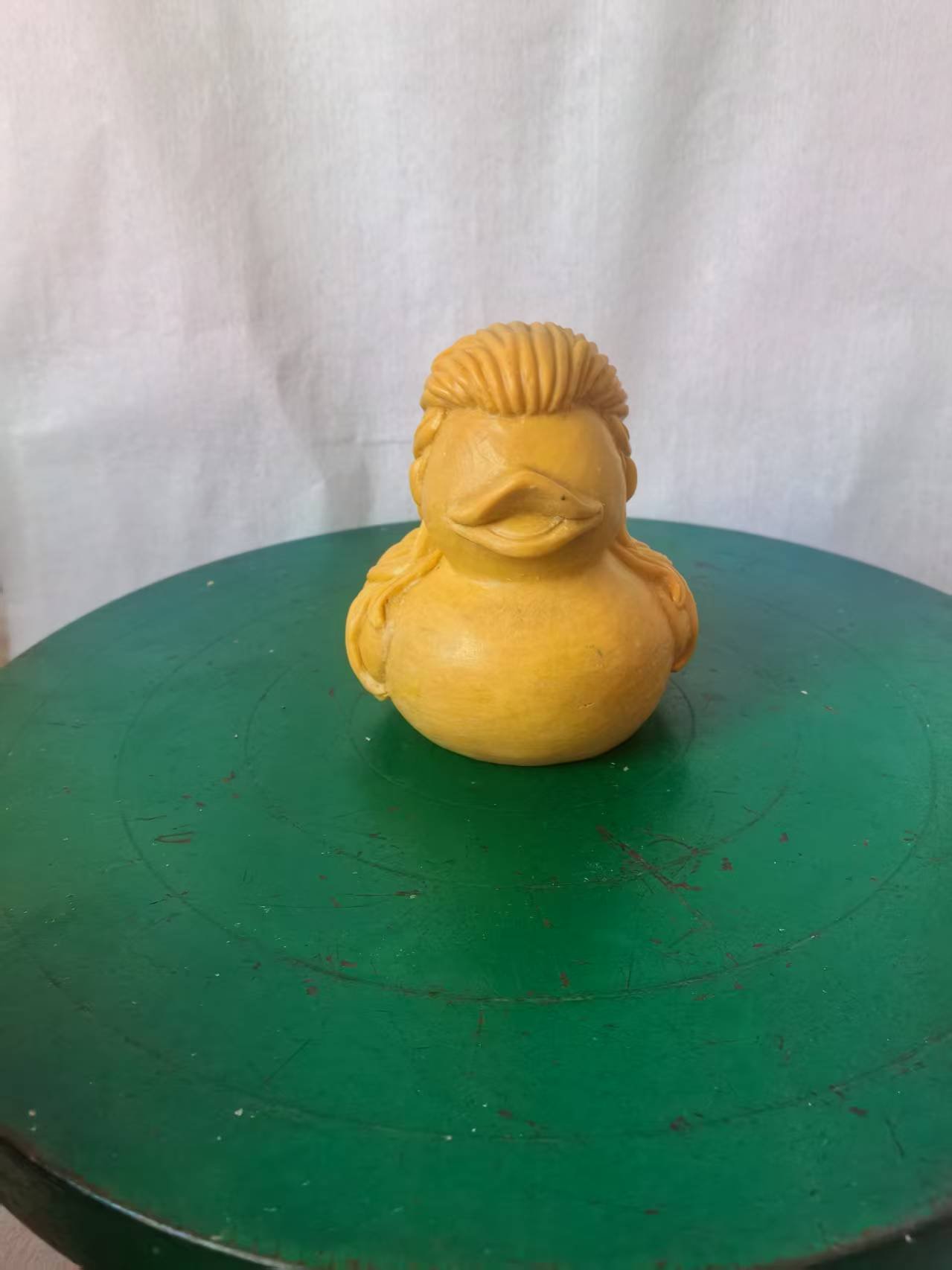
The custom design service at LZENGO supports all of these options — from custom mold creation for unique shapes to specialty finishes like metallic, translucent, or textured surfaces. The design team works with brands to translate a concept into a production-ready duck that balances visual impact with manufacturing feasibility.
Pricing for Collectible Runs
Collectible ducks are typically produced in smaller quantities (500–2,000 units), which means the per-unit cost is higher than mass promotional runs. A custom-molded duck with a specialty finish at 1,000 units might cost $1.50–$3.00 per unit. But the value proposition is different: a collectible duck sold at $9.99 in a museum gift shop yields a 3–6× margin, while a promotional collectible duck generates ongoing brand impressions that a cheaper item cannot match.
Protecting Your Duck Design
If your custom duck becomes associated with your brand, consider trademark protection for the three-dimensional shape. In the United States, trade dress protection covers product shapes that have acquired distinctiveness. In the European Union, a 3D trademark application can be filed through EUIPO. The cost of a trademark application ($250–$600 in government fees) is modest compared to the brand equity a successful duck design can build.
Summary
The collectible rubber duck market proves that a well-designed duck transcends its role as a promotional item. Limited editions, themed series, and specialty finishes turn ducks into objects people want to keep, display, and share. For B2B brands, investing in a custom collectible duck is an investment in a physical brand asset that generates impressions — and emotional connections — for years.
Related reading: Esports Team Giveaways: Rubber Ducks at Tournaments and Streams.
For the upstream signals that predict these shifts, our trend-spotting signal guide maps the five-signal chain.