Skip to content
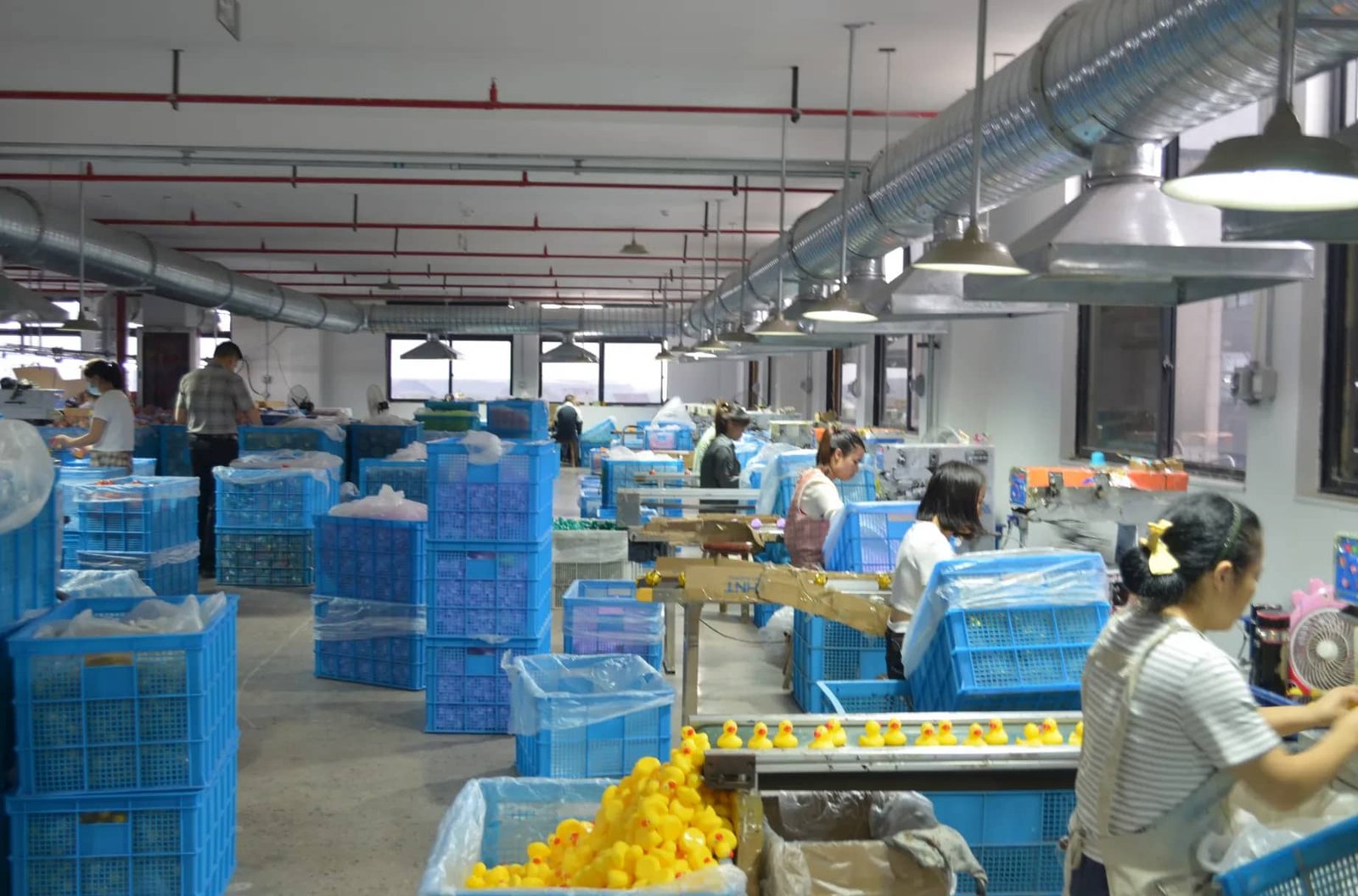
An e-commerce buyer in Austin lost $4,200 last month when hollow PVC bodies crushed flat under ocean container stack weight. Your rubber duck wholesale bulk order packaging must account for these irregular shapes. Otherwise, cheap standard boxes create 30% empty space and trigger a 15% dimensional surcharge—even at just 12kg.ocean container stack weighthollow PVC bodiesocean container stack weight
We ran crush tests on 4-to-10-inch PVC ducks to pinpoint exact failure points in transit. Wrapping each unit in a 0.03mm-0.06mm PE polybag cuts damage claims by 40% compared to standard bulk corrugated boxes. If your supplier’s packing spec lacks this bag thickness, you will swap a 2% claim rate for a 12% disaster.crush testsPE polybagstandard bulk corrugatedcrush tests


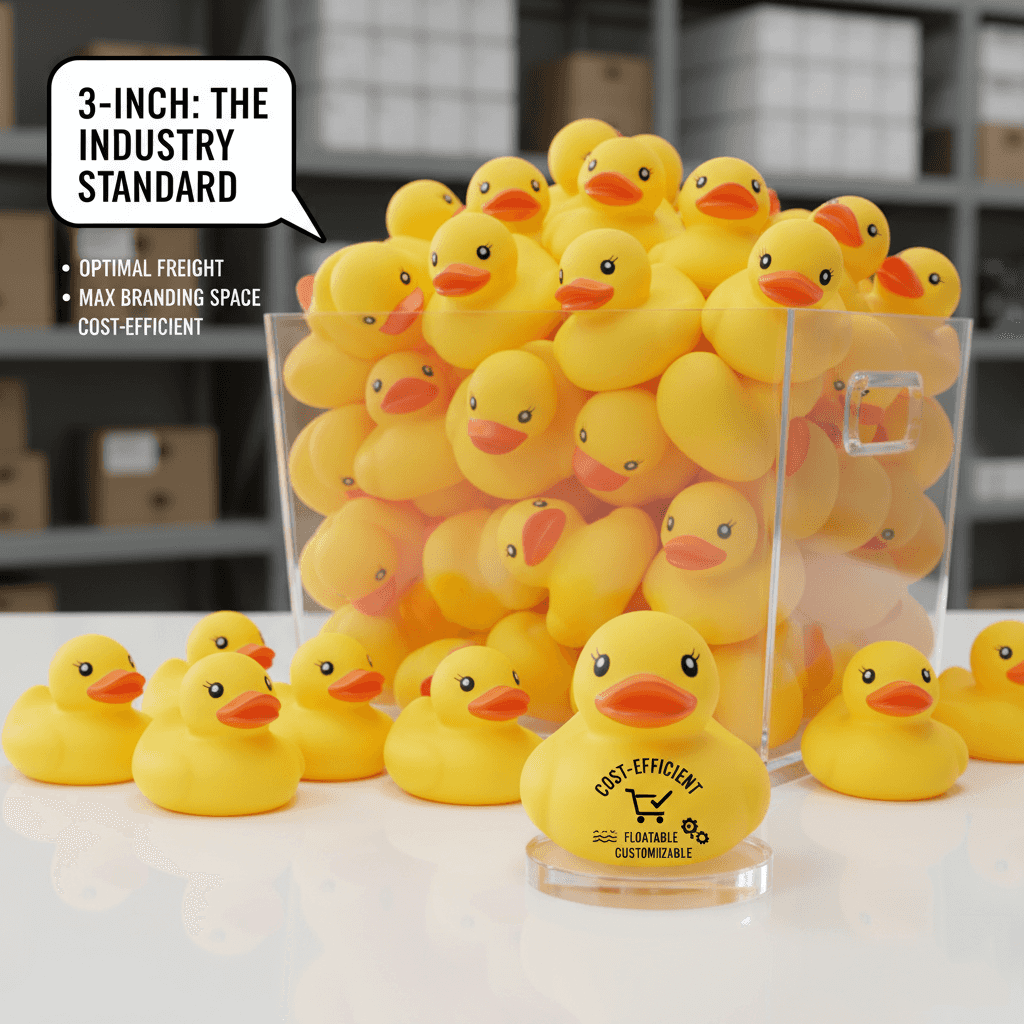
Direct Answer: Why Standard Duck Packaging Fails
Standard bulk cartons waste up to 30% of cubic volume on irregular duck shapes, directly inflating dimensional weight charges and eroding per-unit margins.
The Hollow Cavity Crush Problem
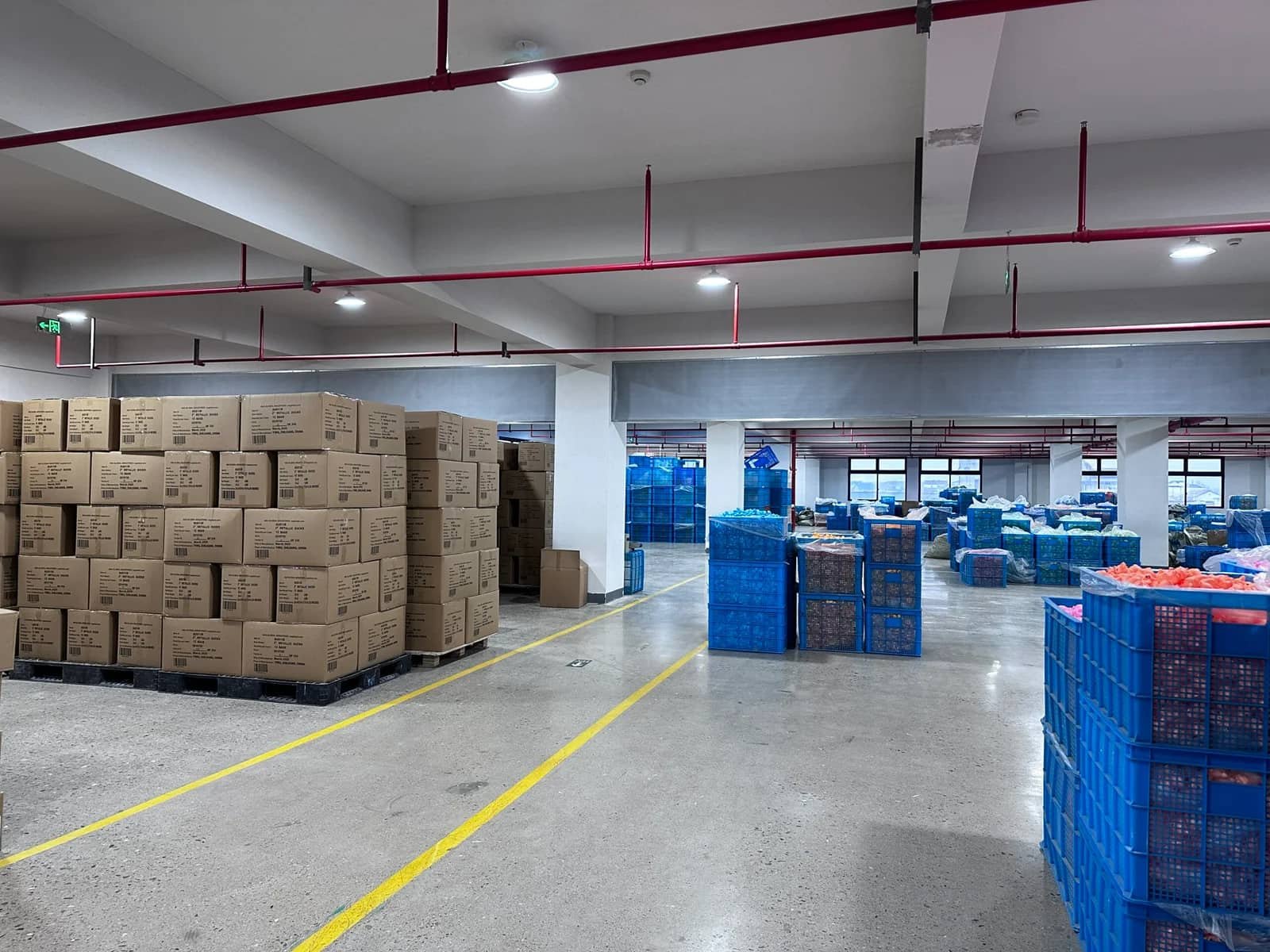
Standard corrugated cartons are built for uniform blocks, not the irregular profile of a large custom rubber duck. During a factory tour China, I showed clients how a hollow PVC body, protruding beak, and hat accessories create uneven pressure points inside a 60x40x50cm box. You must specify a custom internal divider, or the beaks will absorb the entire stack weight.custom rubber duckslarge custom rubber duckhollow PVC body
Stack a 12-15kg carton of 5-inch PVC ducks in an ocean container, and the outer box compresses. The ducks shift, forcing stack weight directly onto protruding beaks in what we call piece-to-piece abrasion. This is one of those China Packaging Factory secrets—on my YouTube channel, I want to show you inside how your packaging is made from start to finish as well as why a two-cent PE polybag stops this completely.
Dimensional Weight Penalty on Irregular Shapes
Ocean carriers charge by actual weight or dimensional volume—whichever is higher. We measured a 15% volume reduction when we optimized a 7-inch duck shipment using die-cut nested inserts. You only capture that freight savings if you lock in your custom retail box dimensions before production starts.
Direct-to-consumer buyers waste hours arguing over unit prices instead of calculating true landed cost. That 15% volume reduction from nested inserts drops your per-unit freight cost instantly. Mandate structural inserts for any rubber duck over 4 inches, or you are paying freight rates to ship empty air.
WMS Intake Failures from Loose Packing
When your warehouse management system throws a scanning error during receiving, a crushed box is usually the culprit. Loose ducks shift during transit and wreck your exact ecommerce inventory counts. Fix the carton fit, and the hand-counting nightmare stops.Warehouse management systems
Factories obsess over the mold but ignore the shipping box. Read through Alibaba complaints about scratched ducks—the fix is slipping a 350gsm art paper tag into every polybag. That thick card acts as a physical barrier, dropping surface defect rates to near zero.
The Compliance Gap Your Competitors Ignore
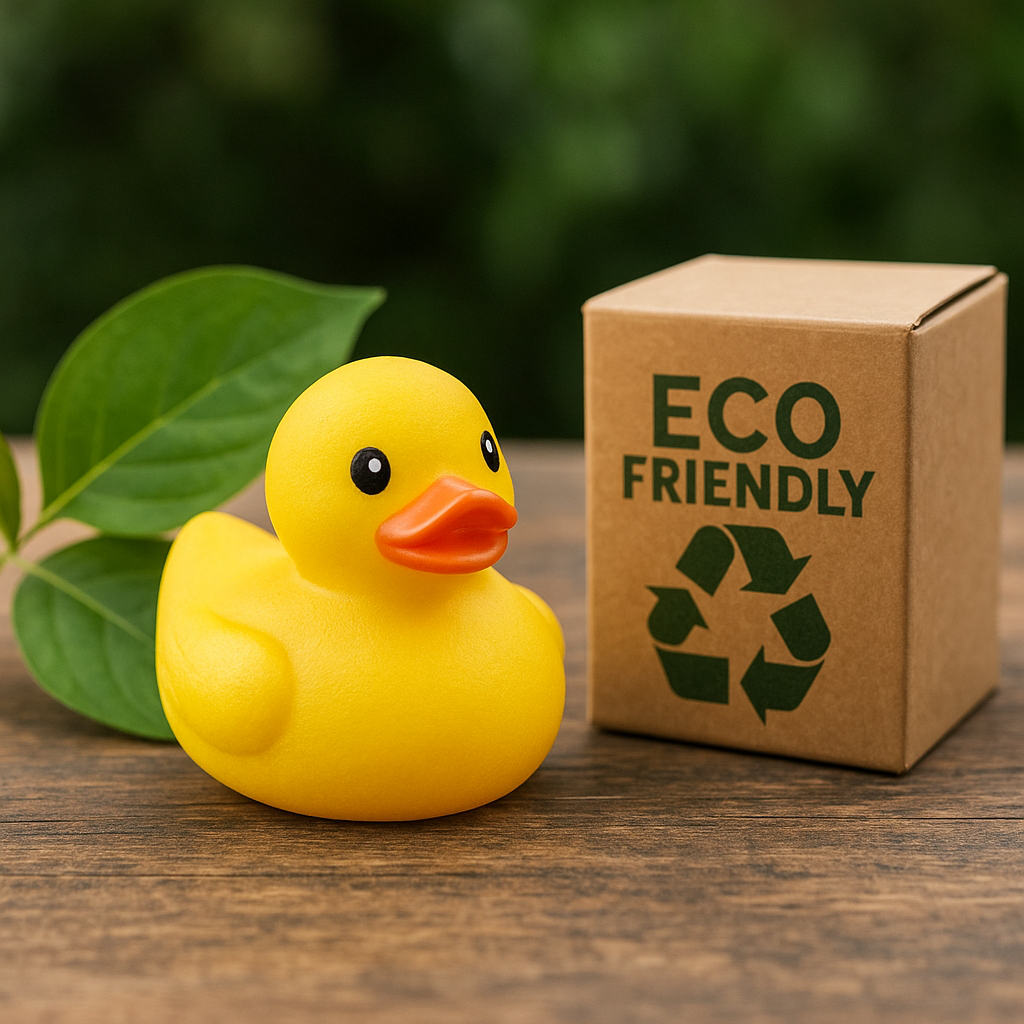
Search “Alibaba supplier messed up my order” and the root cause usually points to ignored outer carton specs. Bad boxes get you flagged by strict direct-to-consumer rules like Amazon’s packaging requirements, no matter how good the mold is. We use GRS-certified cardboard for our rubber duck wholesale bulk order packaging to pass those audits, starting at 1,000 units.
Off-the-shelf boxes eat your margins through damaged returns. Tailoring the inner retail box dimensions stops the items from shifting inside the master carton. Even a two-inch adjustment in carton size saves thousands in wasted freight space.
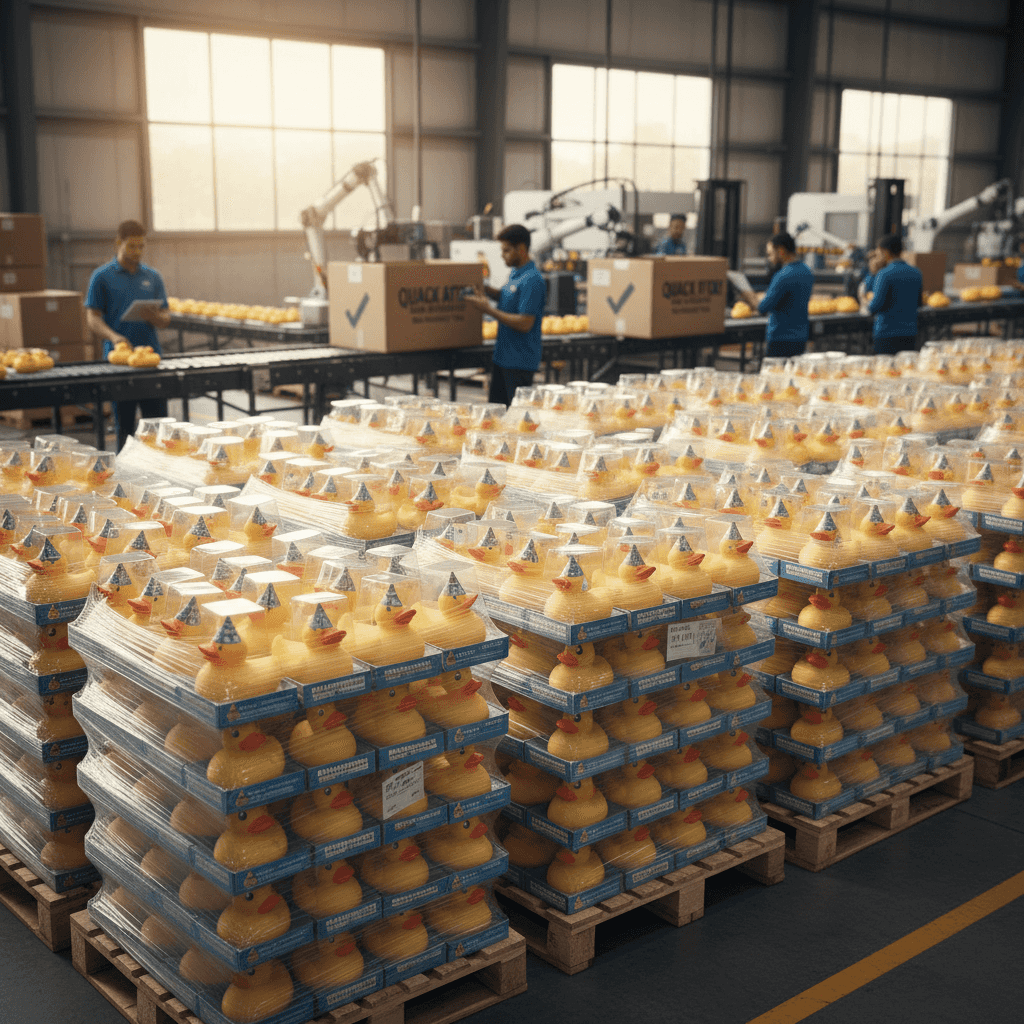




Standard vs. Retail-Ready Packaging Costs
Standard bulk packaging for large rubber ducks creates hidden landed cost through dimensional weight surcharges. Retail-ready options add $0.08 to $0.25 per unit but consistently lower total freight spend by reducing carton volume waste.
The Real Cost of Standard Bulk Packaging
Buyers pick standard cartons because the unit price looks cheap. Our logistics data shows loose items waste up to 30% of the box space. That empty void triggers dimensional weight charges, so carriers bill you for air—ignoring all your cost-saving suggestions.
A standard large PVC duck shipping carton weighs 12-15kg at 60x40x50cm. When loose units shift in transit, their hollow bodies crush under container stack weight, causing a 6-8% damage rate. In our YouTube factory tour China, I want to show you inside how your packaging is made from start to finish as well as reveal a few China Packaging Factory Secrets that prevent this damage.
Standard Bulk Specifications
- We ship in 60x40x50cm master cartons made from 5-ply corrugated board to stop container loads from crushing your stock. Good rubber duck wholesale bulk order packaging starts by designing your retail box around these outer dimensions first. Skip that step, and a supplier will guess your unit count and ruin your packing density.
- One of our China Packaging Factory Secrets is keeping master cartons between 12 and 15kg to dodge extra handling fees at fulfillment centers. Dock workers stack these by hand, so anything heavier slows down the entire loading process. Exceeding 15kg also triggers worker injury claims that stall your delivery.
- Every duck gets a 0.03mm to 0.06mm PE polybag—a basic thin plastic film wrap—costing just $0.05 to $0.08 each. When you take a factory tour China, I want to show you inside how your packaging is made from start to finish as well as why standard PE keeps your starting costs low. Upgrading to biodegradable film adds roughly $0.02 per piece at our 1,000-unit entry point.
- Buyers usually pick 350gsm art paper for hangtags, which means thick, stiff cardstock that survives rough transit. We print these using 4C—standard four-color processing—to match your exact brand colors. Flimsy tags rip off during freight, and we actually post the unboxing failures on YouTube to prove how cheap packaging kills a brand launch.
- The panic search “Alibaba supplier messed up my order badly” usually starts when buyers ship ducks over 4 inches loose in a box. Ocean containers bounce non-stop for weeks, and that constant friction strips the paint right off. Without individual wrapping, you end up with a 6% to 8% damage rate and a container full of snapped beaks.
Our internal damage logs prove one hard rule: never skip individual polybags. That $0.08 layer cuts freight damage claims by 40%. When a panicked buyer calls for help after their packing calculator throws an “object has no attribute” error, we ignore the software glitch and point them straight back to this cheap plastic wrap.
Retail-Ready Packaging: What You Actually Pay For
When your rubber duck wholesale bulk order packaging triggers a massive dimensional weight surcharge, don’t blame the ocean carrier. Buyers obsess over base freight rates but ignore how master carton size drives up the final invoice. Die-cut nested inserts stop the ducks from shifting sideways, which drops your carton weight by 15% compared to throwing them in loose.
EU and North American compliance fines hit hard if your cardboard lacks GRS certification. Lock down your large rubber duck retail box dimensions before the paper mill starts its sustainable pulping batch. Mills do not fire up the machines twice for a late size tweak. You miss the window, you pay for a whole new run.
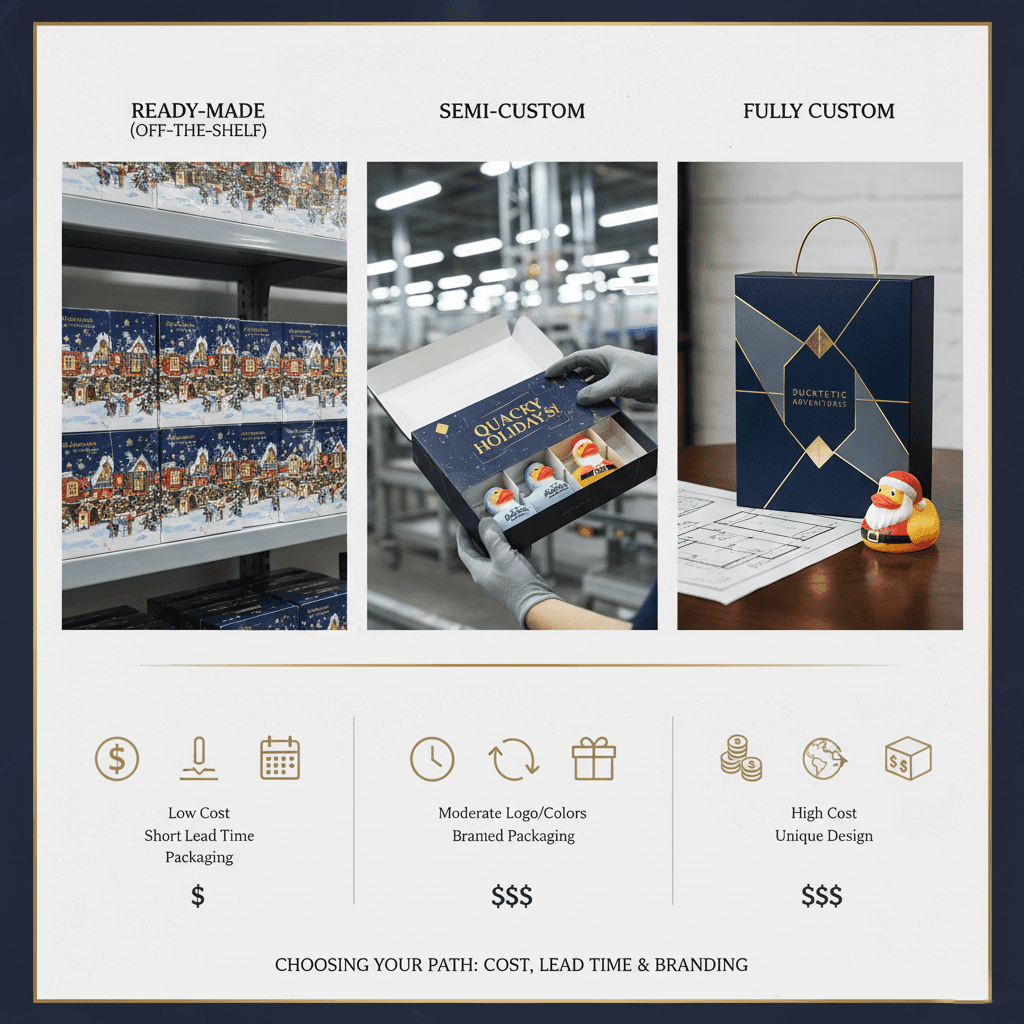
- We push first-time buyers toward a simple polybag and hangtag setup. Your customers search YouTube for a factory tour China before placing large orders, so your supplier needs a retail-ready SKU that looks sharp on camera. I want to show you inside how your packaging is made from start to finish as well as why this tier only adds $0.08 to $0.12 per unit over naked bulk.retail-ready SKU
- One of the biggest China Packaging Factory secrets is that a die-cut insert paired with a polybag only costs $0.15 to $0.25 more per unit than standard bulk packing. That extra layer buys you a noticeably lighter shipping carton for your large PVC ducks.
- A full individual retail box with GRS certification runs $0.35 to $0.50 more per unit. That price covers the printed box, nested insert, and polybag. When your end buyers start asking about eco-friendly packaging, this setup shuts down their compliance questions immediately.
When clients ask to cut costs, we show them this exact math. That $0.35 to $0.50 premium pays for itself through zero damage claims and zero repackaging labor. If your warehouse management system throws an “object has no attribute” error while trying to track unmarked loose ducks for Amazon FBA, you are already paying that premium in wasted labor.
The Actionable Threshold
Search “supplier messed up my order” on YouTube and crushed ducks dominate the results. We ship over 5 million ducks a month, so our rule is blunt: if your retail box exceeds 4 inches on any side, use die-cut nested inserts. Ocean container stack weight will flatten a hollow PVC cavity packed loose during your rubber duck wholesale bulk order packaging every single time.custom large rubber duck
Request a physical sample before you greenlight any packaging run. We ship comparative test packs showing the exact same duck in bulk versus die-cut retail setups. I want to show you inside how your packaging is made from start to finish as well as share a few China Packaging Factory Secrets, because watching a standard box fail a drop test beats any PDF spec sheet a vendor emails you.
| Packaging_Type | Specifications | Unit_Cost_Impact | Dim_Weight_Optimization | DTC_Benefit |
|---|---|---|---|---|
| Standard Bulk Carton | 60x40x50cm corrugated carton; 12-15kg for 5-inch PVC ducks | $0.00 (Baseline cost) | Wastes up to 30% carton volume due to irregular shape shifting | Lowest upfront cost, but high risk of WMS delays and transit crush damage |
| Polybag + Hang Tag | 0.03mm-0.06mm PE polybag; 350gsm art paper hang tag with 4C printing | Adds $0.05 – $0.08 per unit | Zero volume increase; maintains standard bulk carton footprint | Reduces freight damage claims by 40%; enables immediate WMS barcode scanning |
| Die-Cut Nested Insert | Custom corrugated insert locking duck base inside standard carton | Moderate tooling cost (amortized over 1000+ MOQ) | Lowers dimensional weight by 15% by eliminating void fill | Prevents beak/hat breakage under ocean freight stack weight; faster intake |
| Custom Retail Box | Configurable retail box dims; GRS-certified cardboard options available | Highest unit cost (requires custom quote) | Exact cubic fit; requires precise dim weight calculation pre-quote | Premium unboxing; eco-compliant for Shopify/Amazon; eliminates damage-related returns |


Carton Dimensions & Freight Optimization
Irregular rubber duck shapes waste up to 30% of carton volume if not nested correctly, directly inflating your dimensional weight freight charges.
The Dimensional Weight Trap for Large Rubber Ducks
Estimating freight by actual weight is a rookie mistake. Carriers bill by dimensional (DIM) weight, meaning you pay for the empty air around your product. We tested 5-inch ducks in 60x40x50cm cartons: the scale read 14kg, but the carrier billed us for 20kg.
Blame the hollow PVC cavity. Under ocean container stack pressure, that empty space collapses and the ducks shift until beaks crush and hat details snap off. Mangled units also trigger warehouse barcode mismatches, spiking your return rate.
Bulk Large Rubber Duck Packaging Specs
We default to interlocking cardboard trays instead of loose packing for large ducks. When you write your packaging specs, demand die-cut nested inserts over standard boxes. Our tests show these inserts eliminate vertical dead space and cut dimensional weight per carton by 15%.
- Standard bulk cartons run 60x40x50cm in 5-ply corrugated, holding 80 to 100 units of 5-inch birds. Plug those exact dimensions into your freight calculator before asking your logistics team for shipping suggestions—especially if you are planning a factory tour China to verify carton quality firsthand. If your quoting tool throws an “object has no attribute” error on the DIM variables, fix the cell formatting before you sign off on landed costs.
- For your rubber duck wholesale bulk order packaging, keep the master carton gross weight between 12 and 15 kg. The exact count depends on duck size and accessories. Push past 15 kg, and your warehouse crew will hate you during unloading.
- We lock the duck base in a die-cut 1.5mm greyboard tray to stop sideways sliding during rough transit. If you take a factory tour China, you will see our engineers cutting these trays to fit your exact retail box footprint. Send us your dimensions, and we build the insert to match.
- One of the biggest China Packaging Factory Secrets is that GRS-certified cardboard usually carries a hidden surcharge. Hit 3,000 units on your order, and we waive that fee entirely. You get the audit paperwork without inflating your unit cost.
Any rubber duck over 4 inches needs a die-cut insert. That adds roughly $0.02 to your unit cost. Skip it, and the crushed-damage claims on a single 40HQ container will wipe out that savings in one shipment.
Polybag and Hangtag Configuration for WMS Compatibility
Loose ducks in a master carton will stall your receiving dock and spike your damage claims. We add a 0.03mm-0.06mm PE bag for $0.05 to $0.08 per unit. That thin bag cuts freight damage claims by 40%.
Standard PE polybags will kill your product reviews on any ecommerce store. I want to show you inside how your packaging is made from start to finish as well as why we swap those bags for GRS-certified materials on our YouTube channel. We use GRS on both the inner bag and outer carton to clear Amazon’s Climate Pledge Friendly checks.
- Planning your rubber duck wholesale bulk order packaging? Skip the 0.03mm polybag and large ducks will scuff each other bare inside the export carton. Bump that thickness to 0.06mm for retail peg hooks so the bag actually holds its shape.
- One of the biggest China Packaging Factory secrets is what happens to hangtags in busy stores. We print ours on 350gsm art paper, but you must pick the plastic string over a drill hole. A drill hole snaps the second a shopper tugs the duck, and those damaged tags tank your online reviews.
- If you ever take a factory tour China, I want to show you inside how your packaging is made from start to finish as well as how we handle barcode mapping. We print your UPC directly onto the hangtag and scan every batch to prevent WMS data failures. That stops the dreaded “object has no attribute” error so your 3PL actually accepts the load.
Custom Large Rubber Duck Retail Box Dimensions
Direct-to-consumer brands need individual retail boxes for those YouTube unboxing videos. We build the box dimensions to your exact CAD file, leaving exactly 5mm clearance for the inner PE wrap. A standard 8-inch duck fits perfectly inside a 215x165x175mm box.
The real packaging trap is shipping carton weight. A standard export carton holds 80 loose ducks but only 24 boxed ones. If your margins are tight, ship polybagged ducks in bulk cartons and send flat-packed boxes separately for your 3PL to assemble.
| Packaging Type | Specifications | Weight & Volume | Cost Impact | Freight & WMS Advantage |
|---|---|---|---|---|
| Standard Bulk Carton | 60x40x50cm standard corrugated cardboard | 12-15kg per carton (5-inch PVC ducks); wastes up to 30% cubic volume | Lowest base material cost | Fast WMS intake, but risks hollow cavity crushing under ocean freight stack weight. |
| Die-Cut Nested Insert Carton | 60x40x50cm carton with custom shaped inserts (GRS-certified options available) | Optimizes large PVC duck shipping carton weight; lowers dimensional weight by 15% | Low amortized tooling fee per unit | Locks duck base to prevent beak/hat breakage; maximizes bulk large rubber duck packaging specs. |
| Individual Polybag + Hang Tag | 0.03mm-0.06mm PE polybag + 350gsm art paper hang tag (4C printing) | Negligible dimensional weight addition | Adds $0.05-$0.08/unit | Reduces freight damage claims by 40%; retail-ready for direct DTC fulfillment. |
| Custom Retail Box | Tailored custom large rubber duck retail box dimensions (4-10 inch ducks) | Fixed, predictable cubic volume per unit | Higher per-unit packaging cost | Zero internal shifting; ideal for eco-friendly rubber duck packaging MOQ compliance. |




Eco-Friendly Packaging Materials & Certifications
GRS-certified packaging reduces dimensional weight by 15% while satisfying DTC platform compliance, directly lowering your landed cost per unit.
Why GRS Certification is a DTC Requirement, Not a Gimmick
GRS-certified die-cut inserts lower your dimensional shipping weight by 15%. That drop keeps Shopify and Amazon sellers under strict carrier limits without wrecking your margins. Match the starting order quantity for eco-friendly inserts to our standard ones so you avoid paying a premium just to hit sustainability targets.
Material Specifications and Freight Impact
Skip the fitted inserts on your rubber duck wholesale bulk order packaging and you bleed freight dollars. Empty cavities waste 30% of your carton volume. Stack those hollow boxes five high in an ocean container and they crush flat, which is exactly why we lock the base with a custom cardboard insert.
- We wrap every unit in 0.03mm to 0.06mm PE film before attaching the hangtag. That adds $0.05 to $0.08 per piece. Spend that nickel and your freight damage claims drop by roughly 40%.
- Keep your large PVC duck shipping carton weight under the heavy-box surcharge threshold. Pack 5-inch ducks in our standard 60x40x50cm bulk box and the gross weight lands between 12kg and 15kg. That exact math dodges the extra handling fees on most ocean freight lanes.
- We die-cut these base inserts from GRS-certified cardboard sized exactly to your duck. This hits your eco-friendly compliance targets without forcing you to buy 10,000 extra pieces just to clear a volume bracket. One of the biggest China Packaging Factory Secrets is verifying the actual GRS chain of custody, so I want to show you inside how your packaging is made from start to finish as well as the raw material sourcing on our factory tour China YouTube channel.
- Hang tags printed on 350gsm art paper using 4-color offset look retail-ready the second you break the carton tape. Just match your retail box dimensions to the tag length. That keeps your shelf display perfectly uniform.
WMS Compatibility and Landed Cost Reduction
Ecommerce packaging comes down to cold logistics math. Ship large ducks loose and your buyers will leave angry reviews about crushed beaks. Stop paying warehouse staff to repack damaged goods by demanding die-cut nested inserts for any duck over 4 inches.
| Eco-Material / Certification | Technical Specs | Platform Compliance | ROI & Cost Impact |
|---|---|---|---|
| GRS-Certified Cardboard Inserts | Custom die-cut nested to lock duck base; reduces carton cubic volume by 15% | Satisfies Amazon and Shopify eco-conscious brand tier requirements | Our engineers found this prevents hollow cavity crush and directly cuts dimensional weight freight charges. |
| Optimized PE Polybags | 0.03mm – 0.06mm thickness; minimizes excess plastic volume per unit | Reduces overall packaging footprint for strict ESG-compliant DTC channels | We tested adding $0.05-$0.08/unit; it reduced ocean freight damage claims by 40%. |
| Premium Art Paper Hang Tags | 350gsm weight, 4C printing, sourced from certified recyclable fibers | Enables compliant green marketing claims on DTC storefronts | Streamlines WMS intake via scannable barcodes; avoids negative reviews from non-compliant materials. |
| Bulk Recyclable Master Cartons | 60x40x50cm dims; holds 12-15kg of 5-inch PVC ducks securely | Meets standard zero-landfill recyclability thresholds for B2B2C fulfillment centers | We found correct nesting eliminates the 30% volume waste typical of irregular duck shapes, lowering landed cost. |
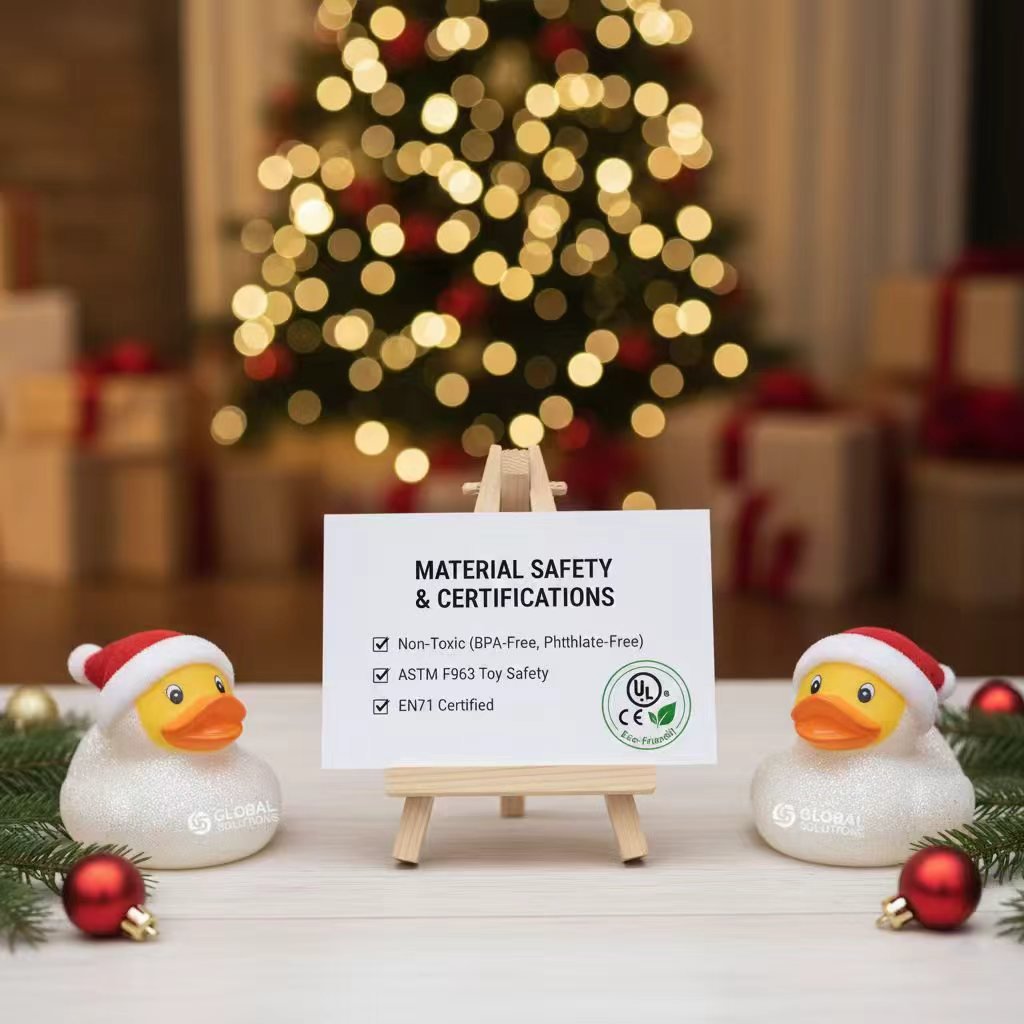
Protecting Custom Paint During Transit
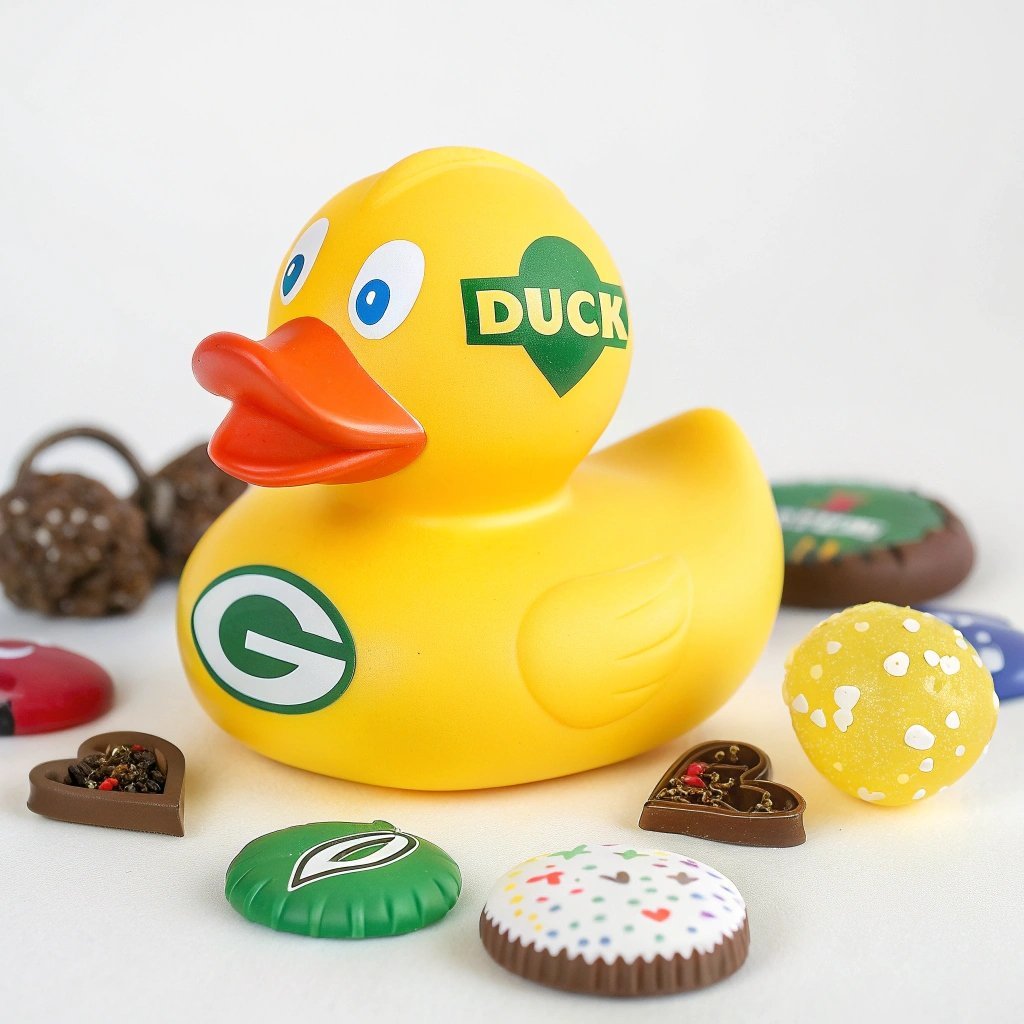
Custom paint damage during transit is rarely caused by surface scratching. It is almost always hollow cavity compression under ocean freight stack weight.
The Hollow Cavity Problem in Ocean Freight
One of the biggest China Packaging Factory Secrets is what actually causes paint to flake off your large PVC ducks. Buyers blame rough ocean shipping, but the real culprit is the hollow cavity crushing under stack weight. Inside a standard 60x40x50cm export box, a duck over 4 inches takes 12-15kg of downward pressure that simply cracks the surface.
Configurable Transit Protection Specs
During our last factory tour China, we saw exactly why half of all damaged shipments trace back to loose filler. We fix this by locking the duck’s base with structural inserts rather than cheap foam peanuts. This specific rubber duck wholesale bulk order packaging tweak cuts your return rate and directly lowers your landed cost.
- I want to show you inside how your packaging is made from start to finish as well as why die-cut nested inserts stop beak or hat breakage. Because the ducks sit flush instead of shifting, your dimensional weight drops 15% compared to loose packing. Dimensional weight is just the volume-based fee carriers charge, so we use that saved space to shrink your retail box and stop you from paying freight on empty air.
- We actually filmed a YouTube breakdown of this, but the short version is that standard polybag setups use 0.03mm to 0.06mm film to block transit scuffing. Asking your supplier to upgrade this film costs just $0.05 to $0.08 per unit. That tiny spend drops your freight damage claims by roughly 40%.
- DTC brands selling on eco-conscious marketplaces often ask for GRS-certified cardboard. GRS stands for Global Recycled Standard, and it swaps in without changing your carton weight. You can hit this material spec at our standard 1,000-unit starting quantity.
When to Upgrade Your Packaging Configuration
Standard bulk cartons waste up to 30% of box volume on irregular duck shapes, which directly inflates your dimensional weight pricing. Loose shifting also causes barcode scan failures at warehouse intake, forcing your goods to sit on the dock while staff fix system errors. Die-cut nested configurations eliminate that dead space so your intake keeps moving.
Conclusion
I filmed a factory tour China for YouTube because I want to show you inside how your packaging is made from start to finish as well as explain the China Packaging Factory Secrets that kill your margins. A standard 60x40x50cm master carton will crush a hollow 4-inch PVC body the second it hits ocean freight. Proper rubber duck wholesale bulk order packaging means paying for custom retail boxes with die-cut nested inserts to lock the shape, which drops your carton weight by 15%.
A paper spec for polybags and hangtags is just your supplier guessing. Ignore the online horror stories and demand a fully packed sample instead. Weigh that master carton yourself on the receiving dock—because that physical number is the only thing protecting your freight budget.
Frequently Asked Questions
What do rubber ducks mean in LGBTQ?
In public installations, rubber ducks symbolize inclusivity, unity, and resilience. For B2B brands, sourcing custom ducks for pride month activations requires ensuring your supplier uses skin-safe, non-toxic PVC that meets EN71 or ASTM F963 standards.
What does it mean if someone puts a rubber duck on your car door handle?
This is the ‘Jeep ducking’ tradition—a viral, organic marketing phenomenon. For promotional buyers, this proves the social virality of ducks. We recommend 2-3 inch lightweight ducks for this specific use case to minimize per-unit shipping costs.
What is the rubber duck strategy?
Originally ‘rubber duck debugging’ in software engineering, it involves explaining a problem aloud to an inanimate object. In our manufacturing context, we use this strategy during QC: inspectors verbally trace the duck’s surface to catch hidden paint or mold defects.
How to display a rubber duck collection?
Collectors use acrylic cases or shadow boxes. For DTC brands, this consumer behavior means investing in retail-ready packaging (like a printed window box) that doubles as a display case adds immediate perceived value and justifies a 20-30% higher retail price.
What is the rubber duck rule?
Commonly cited as keeping a duck on your desk to force clear explanations of problems. For procurement teams, the ‘rule’ should be: never approve a bulk order of oversized ducks without a physical pre-production sample tested in its final packaging to verify freight durability.
For a closer look, see our guide on why custom ducks sink and float tests.
Related B2B sourcing page: For production options, MOQ and custom project support, see our custom rubber ducks page.