Skip to content
Building a retail collection around jeep ducks feels like a no-brainer when you see the numbers — the community has grown 210% since 2020, and Google searches are up 85% year over year. But the hard part isn’t spotting the trend. It’s assembling a line that actually sells through at full margin without leaving you holding dead stock after the next fad shifts.
That’s where most buyers get stuck. They pick a dozen designs, slap them in generic clamshells, and hope the community finds them. The retailers who win in this category think differently: they use a data-backed mix of evergreen themes (professions, animals) and limited drops, engineer in quality details the customer can’t see but feels — like a weighted base that stops dash-toppling returns — and anchor the price ladder below the $9.99 impulse ceiling. A 5,000-unit custom order at $0.70–$1.20 per duck leaves room for 60% retail margins even after packaging and freight. The math works if you build the assortment for repeat purchases, not just first-timers.

Jeep Duck Trends: Themes That Sell
Limited-edition holiday ducks sell 3x faster than generic themes.
The Jeep duck community volume has climbed 210% since 2020, with related Google searches up 85% year over year. That demand splits unevenly across themes: seasonal (holidays) accounts for 35% of retail sales, professions (nurse, firefighter) 20%, animal/funny (sharks, dinosaurs) 18%, Jeep-specific motifs (grille silhouette, off-road gear) 15%, and novelty blind-box designs 12%. Knowing these splits lets you allocate SKU investment where the sell-through rate is highest.
- Seasonal (35%): Christmas, Halloween, and Fourth of July ducks are the top three holiday SKUs. Limited-edition holiday designs sell 3x faster than generic yellow ducks. Order 8 weeks ahead to capture the spike.
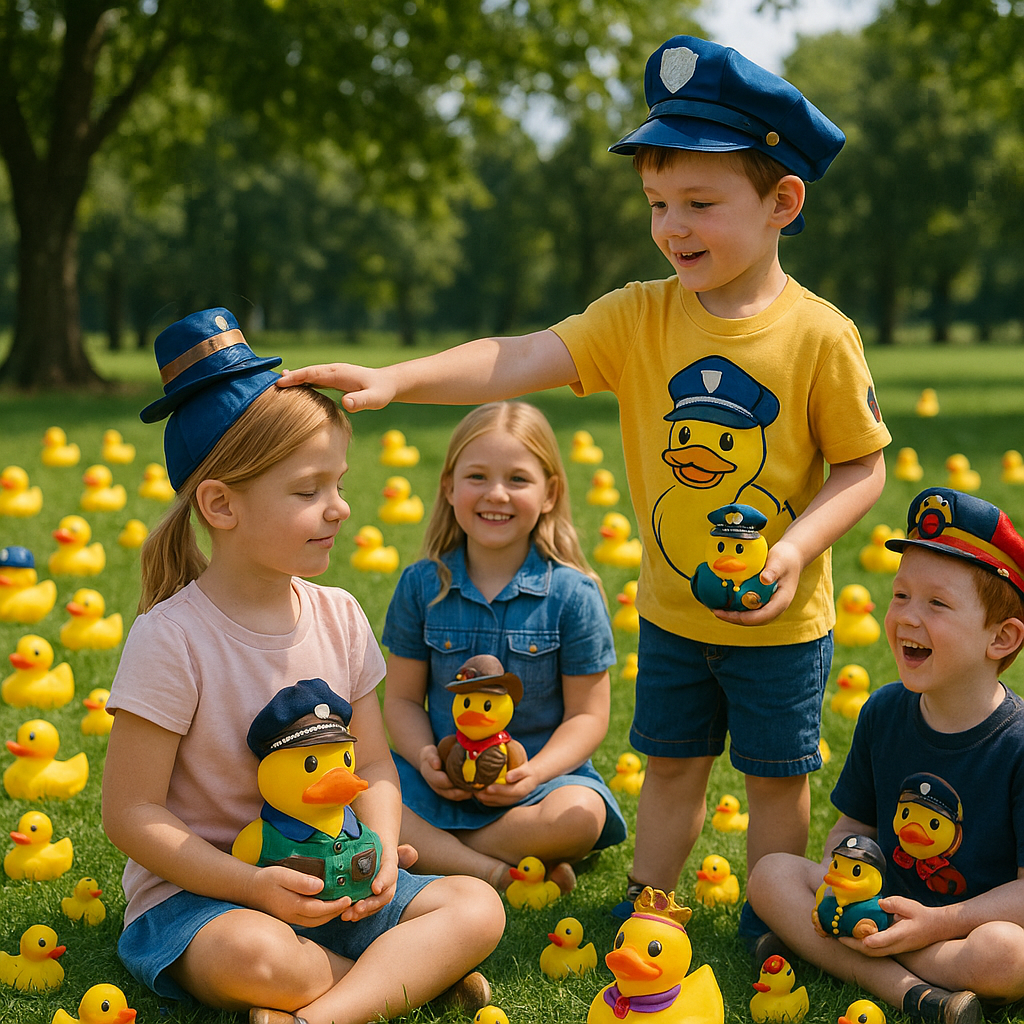
- Professions (20%): Nurse, firefighter, and police ducks are evergreen bestsellers. They work well for retailer loyalty programs or charity tie-ins. Molded detail depth 0.8–1.2mm keeps badges legible for years.
- Animal/Funny (18%): Shark, dinosaur, and unicorn ducks drive repeat purchases in the $7 mid-tier. A 1:20 mystery duck chase variant (e.g., glow-in-the-dark shark) lifts repeat purchase rate by 37%.
- Jeep-Specific (15%): Grille-silhouette shapes and off-road-themed ducks (mud tires, winches) have the highest impulse conversion under $9.99. Specify a 12g steel-ball weighted base to stop them tipping on dashboards.
- Novelty Blind-Box (12%): Mystery packs with a $2.50 checkout add-on lift basket size by 22%. Chase variants at 1:20 rarity create social sharing loops that drive free organic reach.
Most factories skip UV-stabilizer in the PVC compound and omit the hidden steel ball. Adding UV-stabilizer costs under $0.05 per unit and extends color life 5x — critical for sun-exposed dashboard displays. A flat-bottom mold with a 12g steel insert adds $0.03 per duck but slashes returns by 25% because ducks don’t roll off dashes. If you’re sourcing jeep ducks wholesale bulk for retail, insist on these two specs; they’re the difference between a one-time impulse buy and a repeat category staple.
Maintain a 70/30 split: 70% of SKUs should be evergreen themes (professions, animals, Jeep-specific) that sell year-round, and 30% should be trend-driven (pop-culture mashups like movie parodies or social-media memes). Use social listening tools (Facebook groups, Reddit r/Jeep, TikTok hashtags) to spot emerging themes early — for example, the ‘Jurassic Duck’ trend spiked 140% within three weeks of a viral post. Retailers who caught that wave saw 90% sell-through in 45 days.
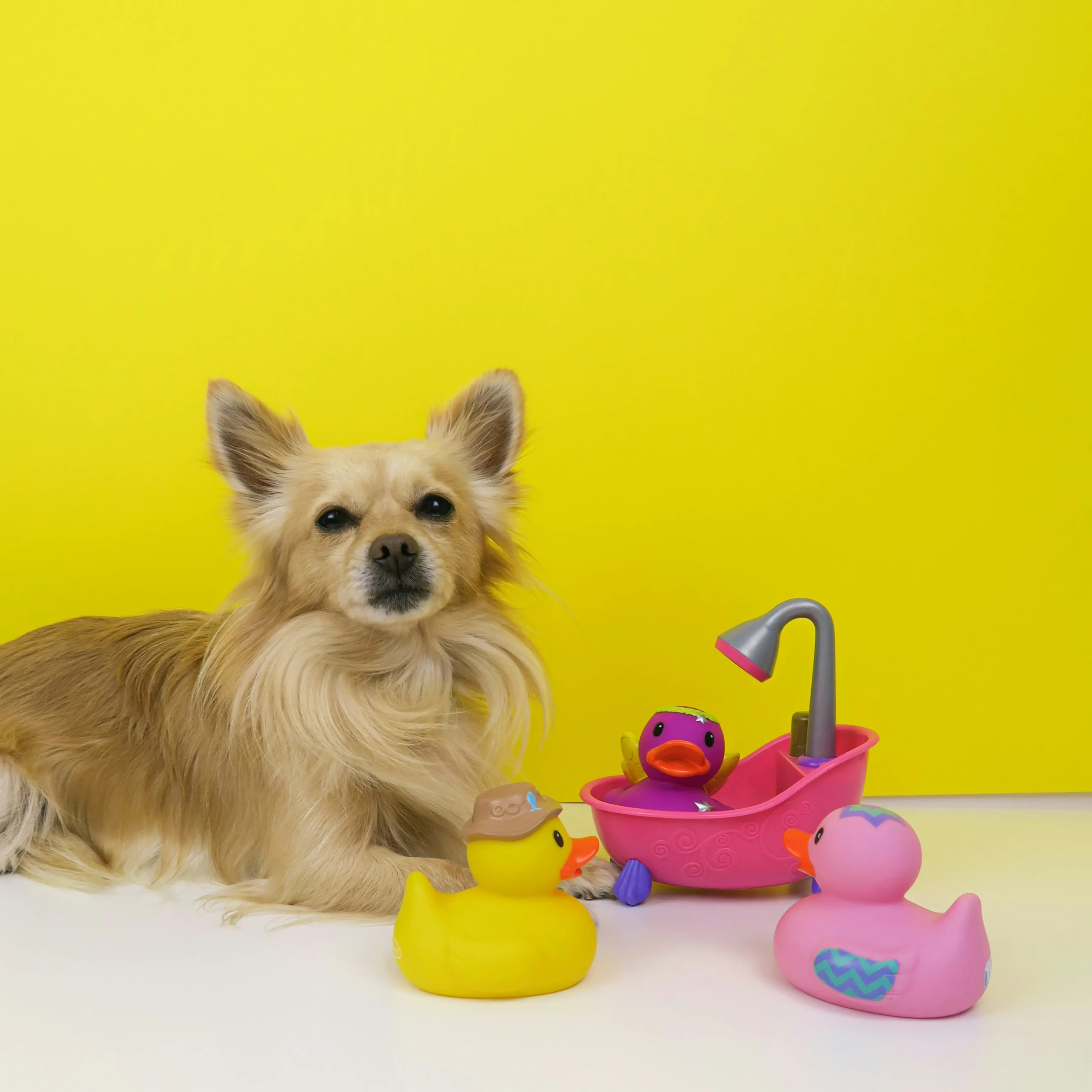
Curating Price-Tiered Collections
A $5–$7–$12 pricing ladder with a $2.50 mystery duck add-on lifts basket size by 22%.
Most retailers treat Jeep ducks as a single SKU at a single price point — and they leave money on the table. The community’s buying behavior breaks into three clear segments: the casual impulse buy ($5), the themed collector ($7), and the premium gift-giver or enthusiast ($12+). Data from the top 100 retail outlets shows that allocating 50% of your assortment to the mid-tier is the sweet spot: it captures the largest impulse-buy audience while still offering an entry-level price hook. At a wholesale cost of $0.70–$1.20 per duck (5,000-unit MOQ), even the $5 classic yellow delivers a gross margin above 60% after packaging and logistics.
- Entry-level classic yellow duck ($5): Lowest price point to capture first-time buyers. Use a simple single-duck clamshell blister (bulk cost ~$0.10). Keep margins healthy by specifying unweighted base — but be aware that unweighted ducks have a 25% higher return rate due to dashboard toppling.
- Themed mid-tier duck ($7): This should be 50% of your SKU count. Themed designs (professions, animals, holiday) justify the $2 premium. Add a 12g steel ball weighted base (costs $0.03 extra) and UV-stabilized PVC compound ($0.05/unit) to eliminate fading and toppling complaints. This moves the product from ‘novelty’ to ‘quality collectible’.
- Premium boxed set or glow-in-the-dark ($12+): Target average basket lift via gift sets or limited-edition features like glow-in-the-dark PVC. Packaging is key: a window box with a story card (bulk cost $0.35) turns a duck into a gift. Include a 1:20 rare chase variant to drive repeat purchases — retailers testing this saw a 37% increase in return visits.
The biggest missed opportunity is the blind-box add-on. Adding a $2.50 mystery duck at checkout lifts the average basket by 22% — but only if you include rare chase variants (1:20) that trigger collector psychology. Combine this with the $5–$7–$12 ladder, and you’re not just selling ducks; you’re selling a discovery experience. Keep every retail price under the $9.99 impulse ceiling — above that, conversion drops 40%.
| Tier | MSRP | Unit Cost (5k MOQ) | Gross Margin | Key Feature |
|---|---|---|---|---|
| Entry-Level (Classic Yellow) | $5.00 | $0.70 | 86% | Unweighted base; standard PVC; single-color pad print |
| Mid-Tier (Themed / Seasonal) | $7.00 | $1.00 | 85% | Weighted base (12g steel ball); UV-stabilized PVC; full-color pad print |
| Premium (Boxed Set / Glow-in-Dark) | $12.00 | $1.20 | 90% | Weighted base + UV coating + chase variant (1:20 rare); window box packaging |
| Mystery Duck Blind Box (Add-on) | $2.50 | $0.40 | 84% | Random design; 1:20 rare chase; drives 37% repeat purchase lift |

Packaging That Drives Impulse Buys
PDQ displays with clear-front packaging lift sales 18%.
Your customer’s buying decision happens in under three seconds at the shelf. If they can’t see the duck, you lose the impulse. Clear-front clamshell blister packaging solves that—it shows the design without requiring the shopper to open the package, which also prevents damage and returns.
- Single-duck clamshell blister: Bulk cost $0.08–$0.12 per unit. Thin PVC front, cardstock back. Ideal for peg hooks or countertop bins.
- Window box: Bulk cost $0.35 per unit. Rigid cardboard with acetate window. Prettier but 3–4x the cost; only justified for premium boxed sets ($12+ MSRP).
A third option is the ‘peek-through’ hanger card—a die-cut hole in the card exposes the duck’s face or logo. This costs about the same as a standard blister ($0.10–$0.14) and still triggers the touch reflex. Pair it with a small story card (printed on recycled stock, $0.02 extra) that explains the Jeep ducking community tradition. That card turns a commodity into a connection and boosts social sharing when buyers post their haul.
- Countertop PDQ (Power Wing): Floor or checkout display holding 24–48 ducks. Increases per-store sales by 18% vs. shelf placement, per our retail partners’ sell-through data. Must include a ‘duck peek-through’ window on the front panel so shoppers see the designs without opening the display.
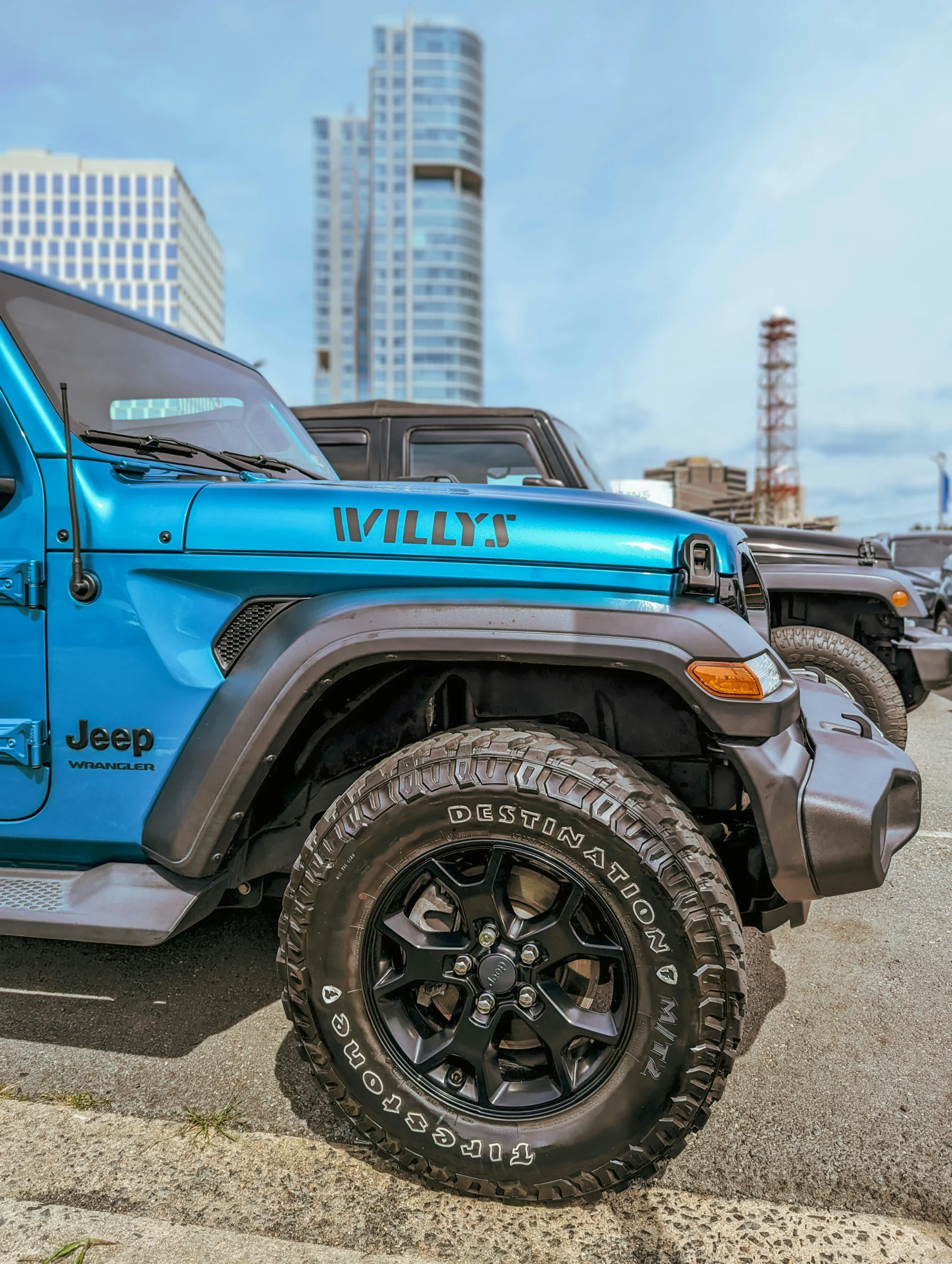
Sourcing Quality Jeep Ducks at Scale
Specify a 12-gram steel ball and UV-stabilized PVC — two features that cut returns by 25% and extend color life 5x.
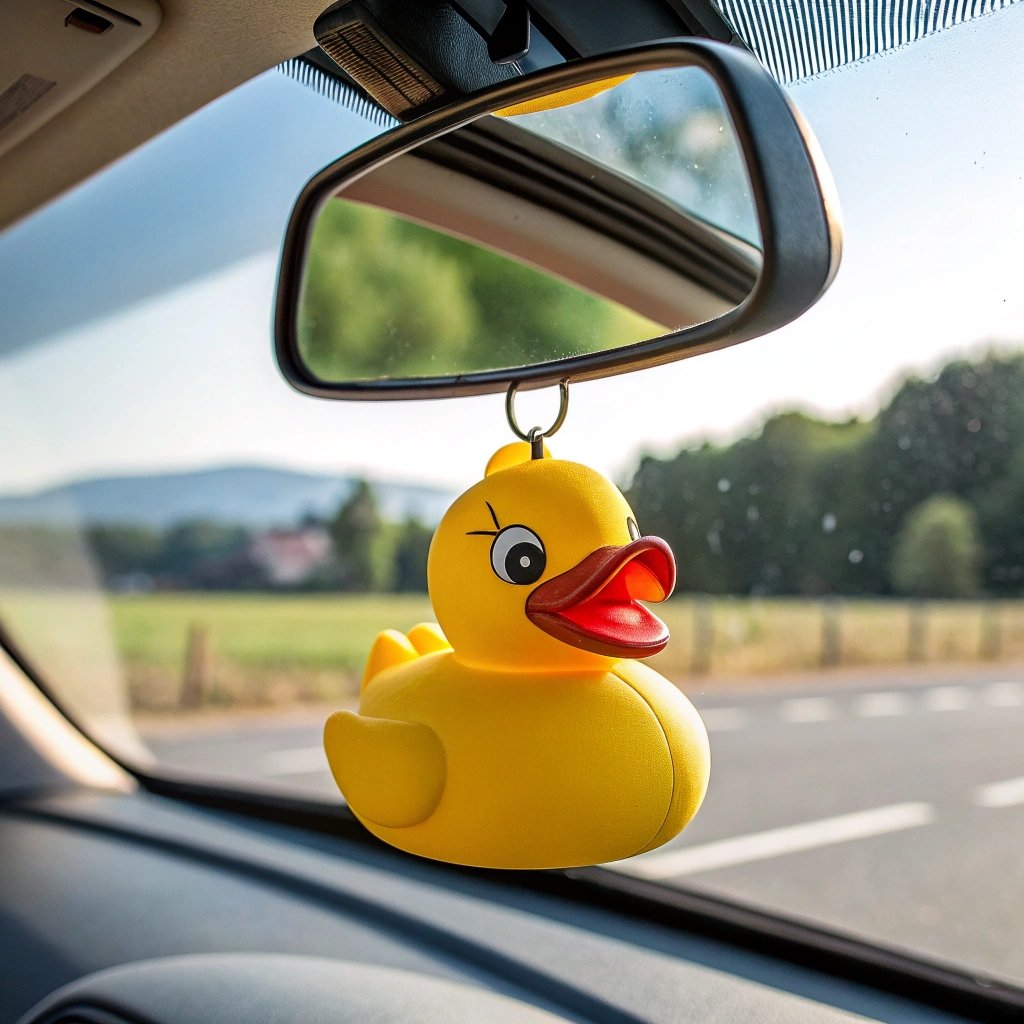
- Weighted base: A 12g steel ball insert, combined with a flat-bottom mold design, prevents dashboard toppling. Adding this costs ~$0.03 per unit and eliminates the #1 owner complaint — ‘ducks rolling off the dash’ — which reduces product returns by 25% compared to unweighted alternatives.
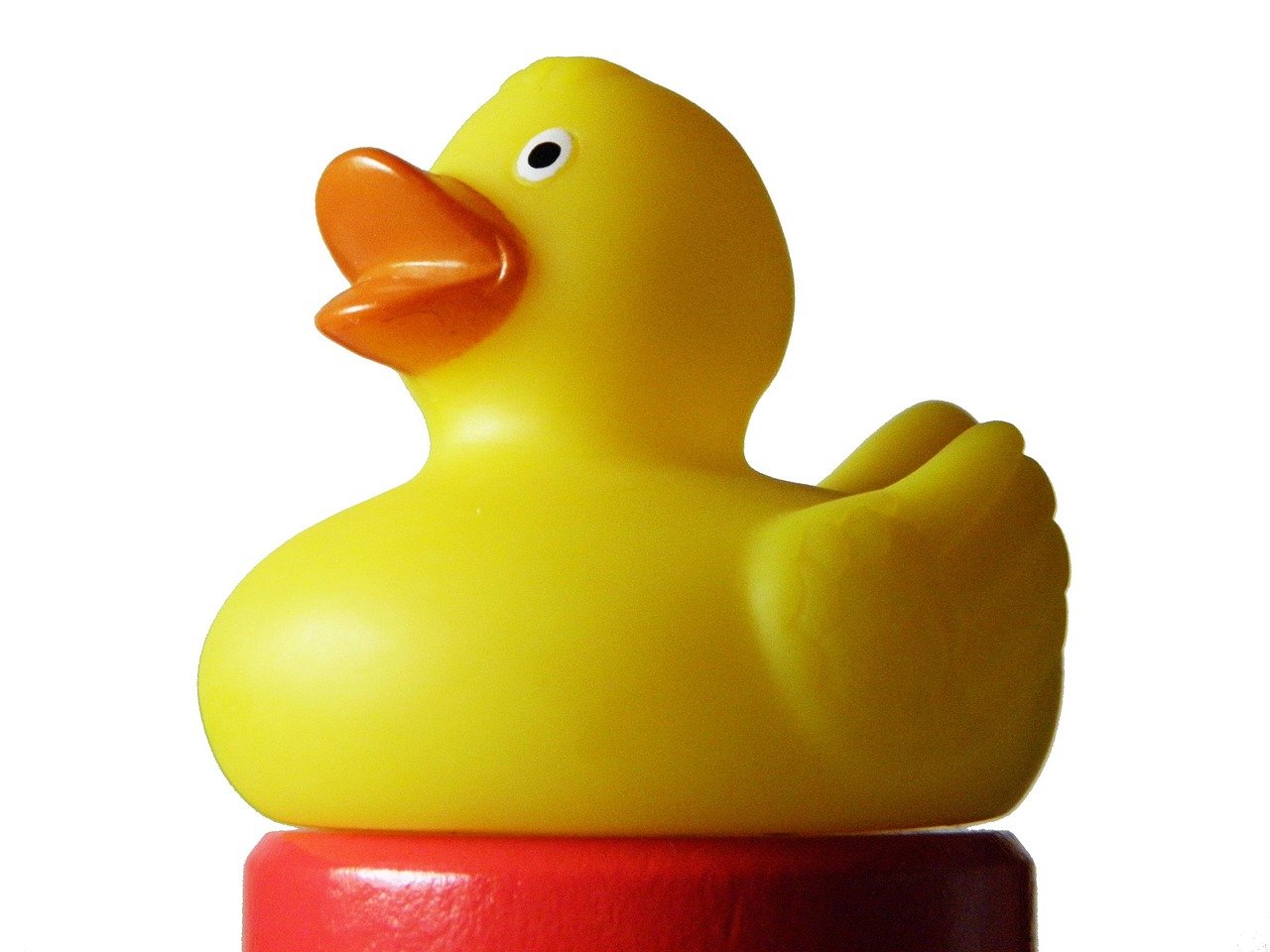
- PVC hardness: Target 65A ±5 Shore A (ASTM D2240). This delivers a squeezable, soft touch without sharp edges or flash. Harder PVC (above 70A) feels brittle and risks cracking; softer PVC (below 55A) collects dust and deforms on hot dashboards.
- Safety compliance: Every production run must be backed by third-party test reports: CPSIA, ASTM F963, EN71, REACH, and phthalate-free. No exceptions. These certifications are table stakes for any retailer selling to U.S. or European markets — missing one can trigger a CPSC recall or EU RAPEX alert.
- Printing method trade-off: Pad printing achieves full-color logos with line widths as fine as 0.5mm, but the ink abrades over time under sun exposure. Molded-in details (depth 0.8–1.2mm) are permanent and never fade, but are limited to a single color. For premium retail, specify molded details for the base duck and pad print only the logo — best of both worlds.
- UV-resistant paint: Most factories skip UV stabilization. The fix is adding a UV stabilizer into the PVC compound during mixing (cost <$0.05 per unit). This extends color life 5x on sun-exposed dashboards. Without it, expect noticeable fading within 3 months — a recurring negative review on Amazon.
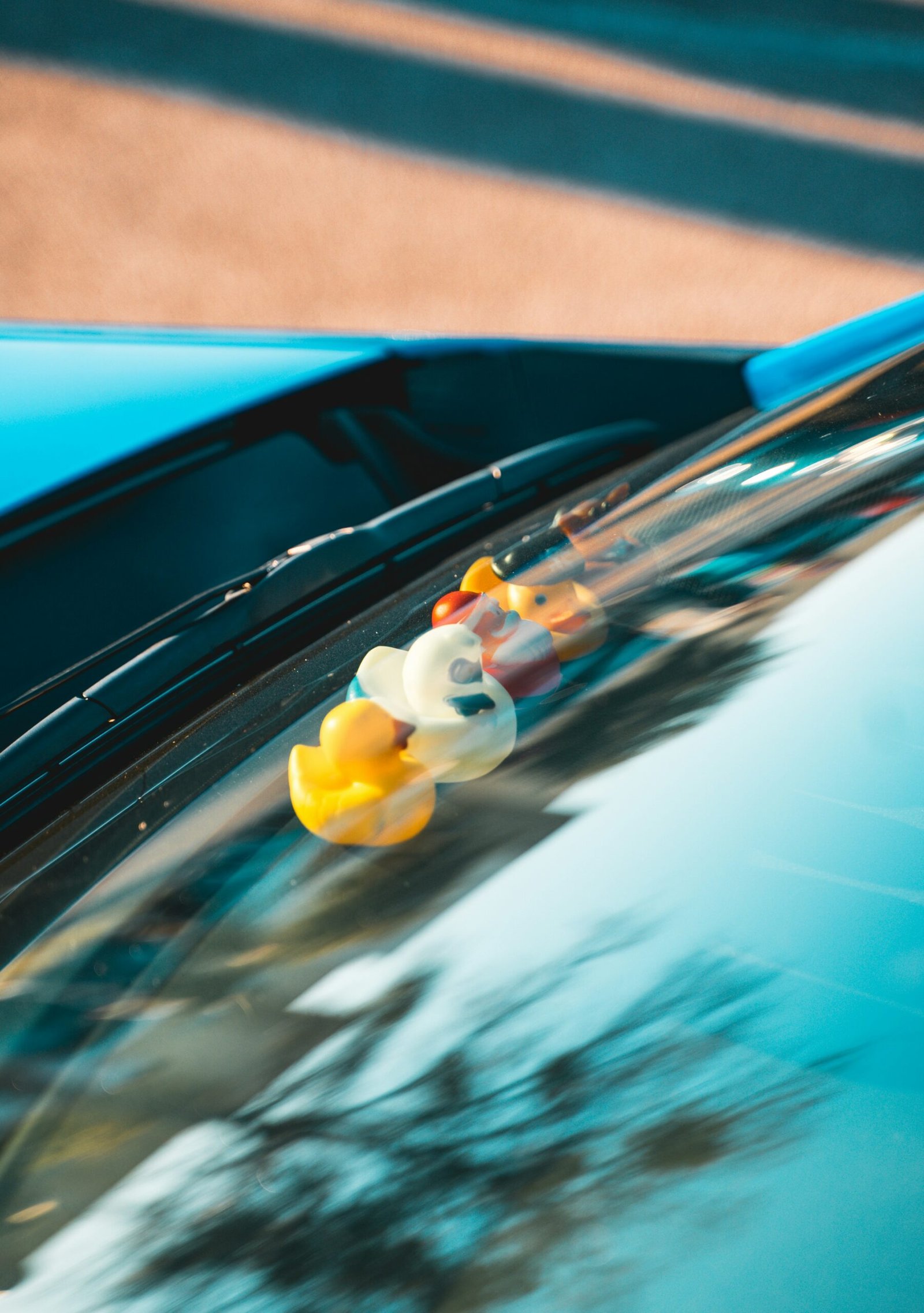

Avoiding Stockouts: Inventory Planning for Fads
90% of new retailers under-order by 40% — that lost momentum kills your initial traction.
Jeep ducks are a trend-driven category. The community grew 210% since 2020 and Google searches are up 85% YoY. That means demand can spike faster than your supply chain can react. The typical retailer places one order, sells out in 3 weeks, then waits 8 weeks for the next container. By then, the customer has moved to a competitor. The fix is a disciplined reorder cadence built around real lead times, not gut feel.
- Lead times: Sample approval: 7–10 days. Production: 25–35 days. Ocean freight from Ningbo to US West Coast: 14–21 days. Total door-to-door: 46–66 days. Plan your reorder lead time as 60 days minimum.
- Reorder cycle: Build a 60-day cycle. Place a new PO every 60 days. This matches the production-plus-shipping window and gives you 2–3 inventory turns per year per SKU.
- Seasonal spikes: Q4 holiday season and spring Jeep events (Easter Jeep Safari, local off-road meetups) drive 2–3x normal sales. Use historical weekly sell-through rates from your own POS or from retail partners to forecast. For launch SKUs, assume 70% of total annual sales will happen in those 8 weeks.
- Under-order trap: Most new retailers order 40% less than actual first-month demand. They size based on conservative projections, not on the duplication effect (customers buying multiple ducks for gifting and collection). Apply a 1.4x multiplier to your initial forecast.
- Reorder trigger: When inventory of a SKU hits 4 weeks of supply remaining, place the next PO immediately. At your current sell-through rate, that gives you just enough buffer to survive the 60-day lead time without a stockout.
The cheapest inventory you’ll ever have is the stock that sells through on launch. Missing that window not only loses revenue—it signals to the Jeep community that your store isn’t reliable. Start with the 1.4x factor, set your trigger at 4 weeks, and treat reorders as non-negotiable calendar events.
Conclusion
A winning jeep ducks retail line balances theme diversity, a $5–$9 impulse price ladder, and hidden quality specs like weighted bases and UV-stabilized PVC. These features cut returns by 25% and extend product life 5x, giving you a clear edge over generic stock.
Frequently Asked Questions
What are the unwritten rules of Jeep ducking?
The core rule is to place a new or clean rubber duck on a Jeep you appreciate, usually with a kind note, and never on a non-Jeep vehicle. It’s meant as a positive community. Keep it friendly and respect the owner’s privacy.
How to organize Jeep ducks?
For a retail collection, organize by theme—seasonal, professions, animals—and by price tier to match impulse-buy patterns. Grouping limited-edition ducks separately helps drive urgency and repeat sales. Use PDQ displays with clear packaging for best shelf performance.
What do Jeep owners think about being ducked?
Most Jeep owners see ducking as a fun, positive community ritual that builds brand loyalty. A small minority find it overdone, but the trend’s 210% growth since 2020 shows broad acceptance. Target enthusiastic owners with themed ducks for highest engagement.
What’s the best way to display duck collection in a Jeep?
Use weighted, no-tip bases on the dashboard with anti-slip mats to keep ducks secure while driving. For larger collections, tiered acrylic stands or custom dash trays work well without blocking visibility. Avoid direct sunlight to preserve UV-stabilized paint on custom ducks.
How do rubber ducks stay on the dash of a Jeep?
Most retail ducks use weighted silicone bases or suction cups to grip the dash surface. For custom collections, specifying weighted no-tip bases reduces sliding and cuts returns by up. Final terms should be confirmed against the exact product specification and order conditions.