Skip to content
How to Verify BSCI, GRS, REACH and CPSIA Certificates Before You Order
When a supplier tells you they are certified, the right answer is not to take the logo at face value. Certificates expire, scopes change and numbers get recycled. For a rubber duck or any PVC product, the certifications buyers ask about most are BSCI for social audit, GRS for recycled content, REACH for chemical safety and CPSIA for children’s-product compliance. This guide shows how to check each so your order is protected.
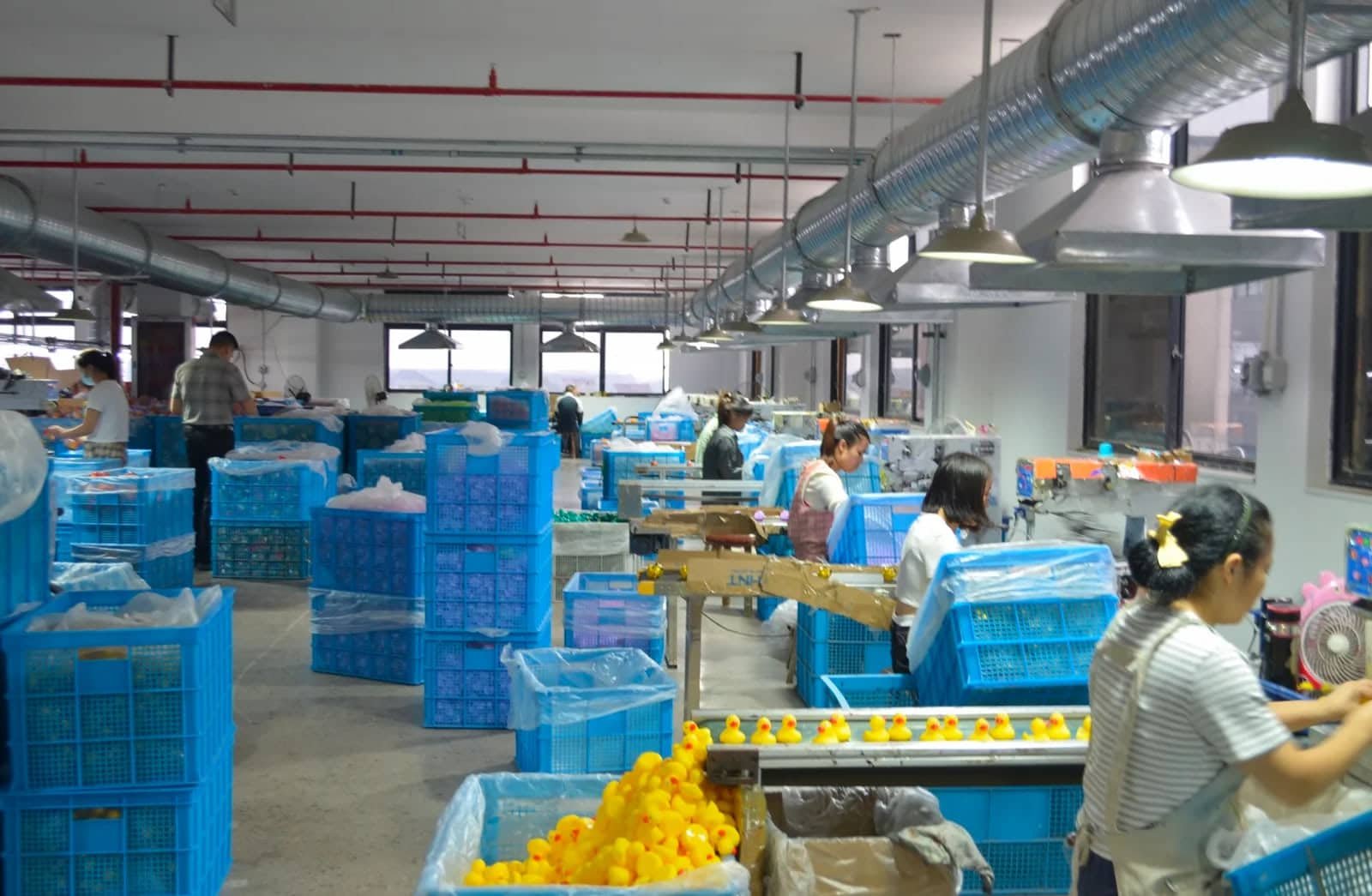
A certified factory is easiest to trust when you can read the production and compliance detail on the about the LZENGO factory page.
Read the scope, not the logo
Every certification has a scope sheet that lists what it actually covers. BSCI is a social audit of a factory, so a BSCI logo means the workplace was audited, not that a specific product is compliant. GRS is about recycled content and chain of custody for a specific product. REACH applies to the chemical composition of a material, and CPSIA applies to a product intended for children. Ask for the certificate that covers the specific factory, product and item code you are buying.
The four you will be asked for
BSCI: a social-compliance audit covering labour and safety conditions at the factory. GRS: verifies recycled fibre content and the chain of custody for that product. REACH: restricts chemicals of concern in materials, with a list of substances to check. CPSIA: for a duck that a child will touch, confirms it meets the applicable lead, phthalate and testing rules. Confirm which apply to your market and your application rather than assuming all four are needed.
How to check a certificate is real
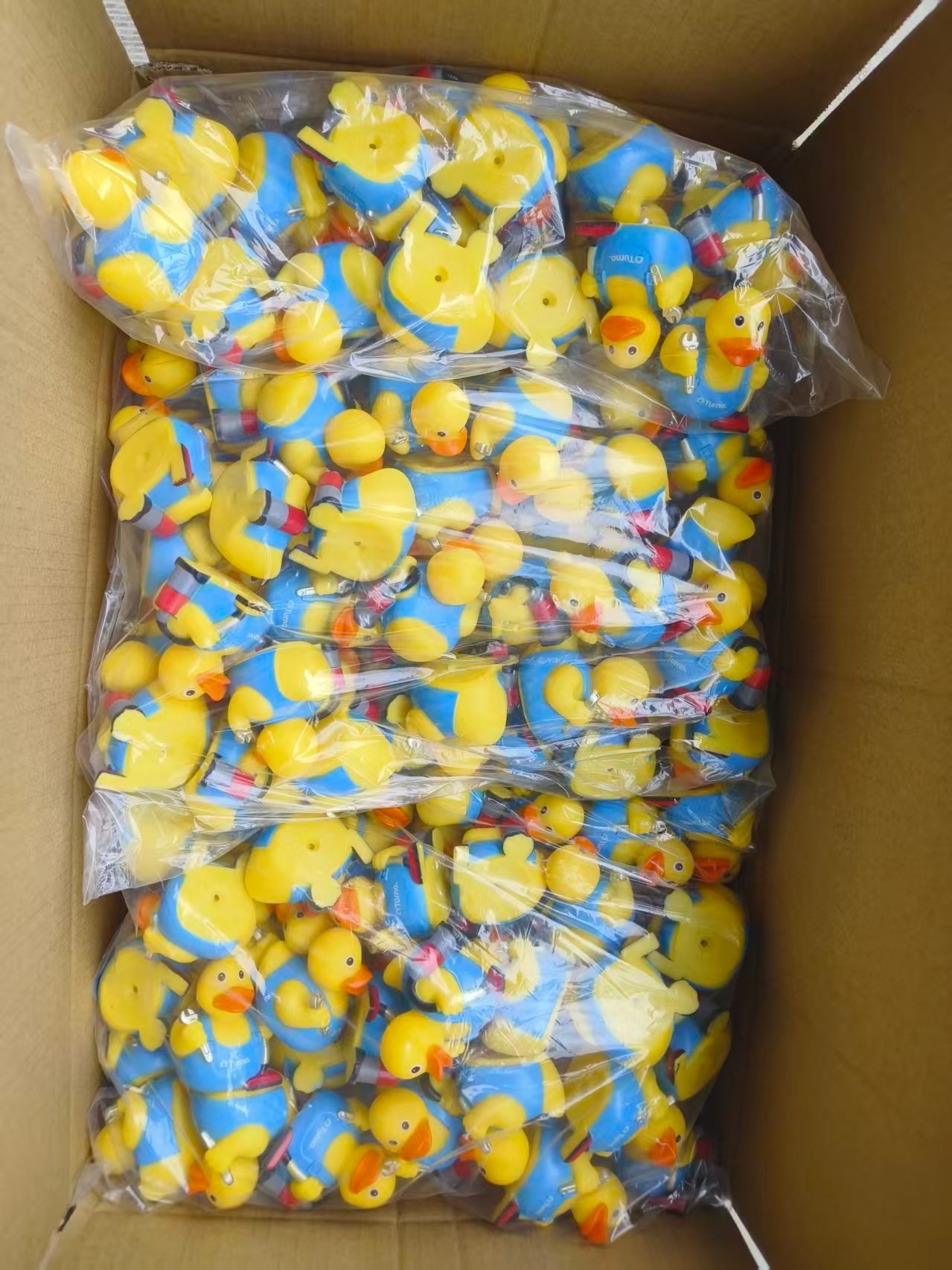
Three checks catch most problems. First, confirm the certificate is current, because certifications expire. Second, confirm the certificate number and scope match the supplier and the specific item. Third, ask for a third-party test report tied to a batch rather than a generic claim. On a line such as LZENGO, which runs a BSCI and GRS certified production line, a buyer can request the compliance and material documentation to confirm each claim before the order ships.

What REACH and CPSIA look like in practice
REACH compliance usually comes as a test report listing the restricted substances and the levels found, checked against the EU’s list. For a toy-style duck, CPSIA requires testing to the applicable standard and a certificate of compliance, which for a child’s product is a hard gate. The authoritative framework for restricted substances sits with the EU, and OEKO-TEX Standard 100 is one widely used mark for a product that passes a broad substance screen; you can read the standard on the OEKO-TEX Standard 100 page.
Build the checks into your order
Put the compliance ask in writing before you order, not after. State which certificates you need, ask for the certificates plus a batch-level test report, and keep them with the order file. That turns a vague “are you certified?” into a checkable clause that survives the order.
Need compliance paperwork for your order? Ask LZENGO for the BSCI and GRS certificates plus a batch-level test report before you commit.
Related reading
See the product routes on custom rubber ducks and bulk rubber ducks.
FAQ
What is the difference between BSCI and GRS?
BSCI is a social audit of factory labour and safety conditions. GRS verifies recycled content and chain of custody for a specific product, so they cover different things.
Which certificates apply to a rubber duck?
It depends on your market and use. For a duck a child will touch, CPSIA and REACH matter, and BSCI and GRS are supply-chain and sustainability marks you can ask for.
How do I confirm a certificate is valid?
Check it is current, that the number and scope match the supplier and specific item, and ask for a third-party batch test report rather than a generic claim.
See also our phthalate-free PVC duck guide.
For more detail, see our Rubber Duck Purchase Contract.