Skip to content
Jeep clubs keep trails open. Between organized cleanup days, maintenance fund contributions and land-access advocacy, the clubs that duck each other at trailheads are often the same clubs paying to keep the trails drivable — and a growing number of them have turned ducking itself into the fundraiser. The model is simple: a club commissions custom ducks, members buy them at a markup, and the margin funds trail work. This guide covers the economics, the ordering structure, and the design decisions that make a duck fundraiser actually raise money.

The economics: margin math on a 1,000-piece run
A club fundraiser lives and dies on unit economics. The structure: commission ducks at the factory tier (our MOQ is 1,000 pieces), sell at club events and online at a supporter price, and the spread funds the maintenance line item. Three variables move the margin. Order structure: ducks that split into design variants dilute the run, so a single strong design outsells four mediocre ones. Price anchoring: ducks sold as fundraiser items carry supporter pricing, not retail pricing — buyers are donating as much as purchasing, and the framing is the club’s choice. Sell-through window: event-linked sales spike at meetups and trail days, so inventory planning follows the club calendar, the ordering logic we worked through in jeep club bulk order quantity sizing. The underlying cost mechanics — molds, printing, packaging at club scale — are laid out in low-MOQ manufacturing costs, and the broader ducking economy around clubs is mapped in the bulk ducking economy.
Design decisions that drive fundraiser demand
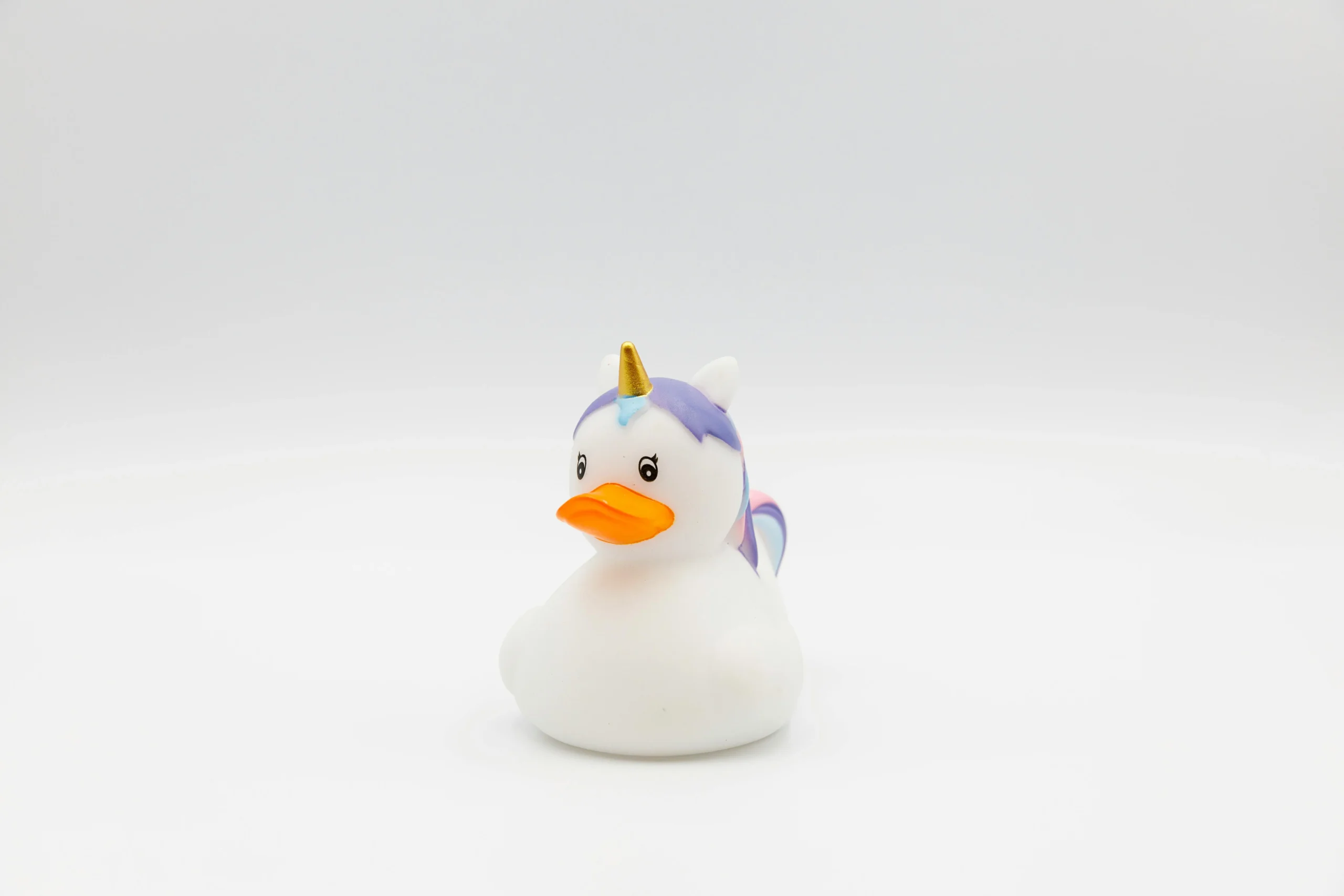
Fundraiser ducks sell identity, not cuteness. The designs that move are the ones specific to the club: the club logo on the duck’s chest, the trail name on the base, the event year for anniversary runs — the personalization options documented in our guide to personalized Jeep ducks with names, models and club logos. Community relevance is the demand engine: a duck that says “this club, this trail, this year” sells to members; a generic duck with a logo sticker does not. The comparison between custom and generic ducks in this context is decisive for fundraisers — our breakdown at custom versus generic Jeep ducks shows exactly where the willingness to pay comes from. Family-friendly design matters too, since ducking runs include kids, the safety considerations we cover in kid-safe jeep ducking for families.
Running the program transparently
Fundraisers carry a trust obligation that retail does not: buyers should know where the money goes. The clubs that run clean programs publish the math — cost per duck, supporter price, dollars to trail maintenance per unit — and post the trail work the funds paid for. This closes the loop and sets up the next fundraiser. Ordering follows the same transparency: production timelines anchored to the event calendar, with sampling inside 7 days and mockups inside 12 hours so the club sees its design before the run commits — the process detailed on the custom rubber duck program page. Clubs fundraising on public land should also coordinate with the managing agencies, whose volunteer and stewardship programs — such as the Bureau of Land Management’s volunteer and stewardship resources — often provide the framework trail maintenance contributions plug into. Community-scale programs have grown large enough that the ducking community itself is now measurable, the numbers we compiled in jeep ducking community statistics for 2026.
Video: custom ducks for club programs
A Jeep club duck fundraiser works when three things line up: honest unit economics on a single strong design, ducks that carry the club’s specific identity, and published numbers showing where the money went. Clubs that run it that way turn a five-dollar gesture into trail maintenance budgets — and the ducks on the next run’s windshields become the marketing for the fundraiser after that.