Skip to content
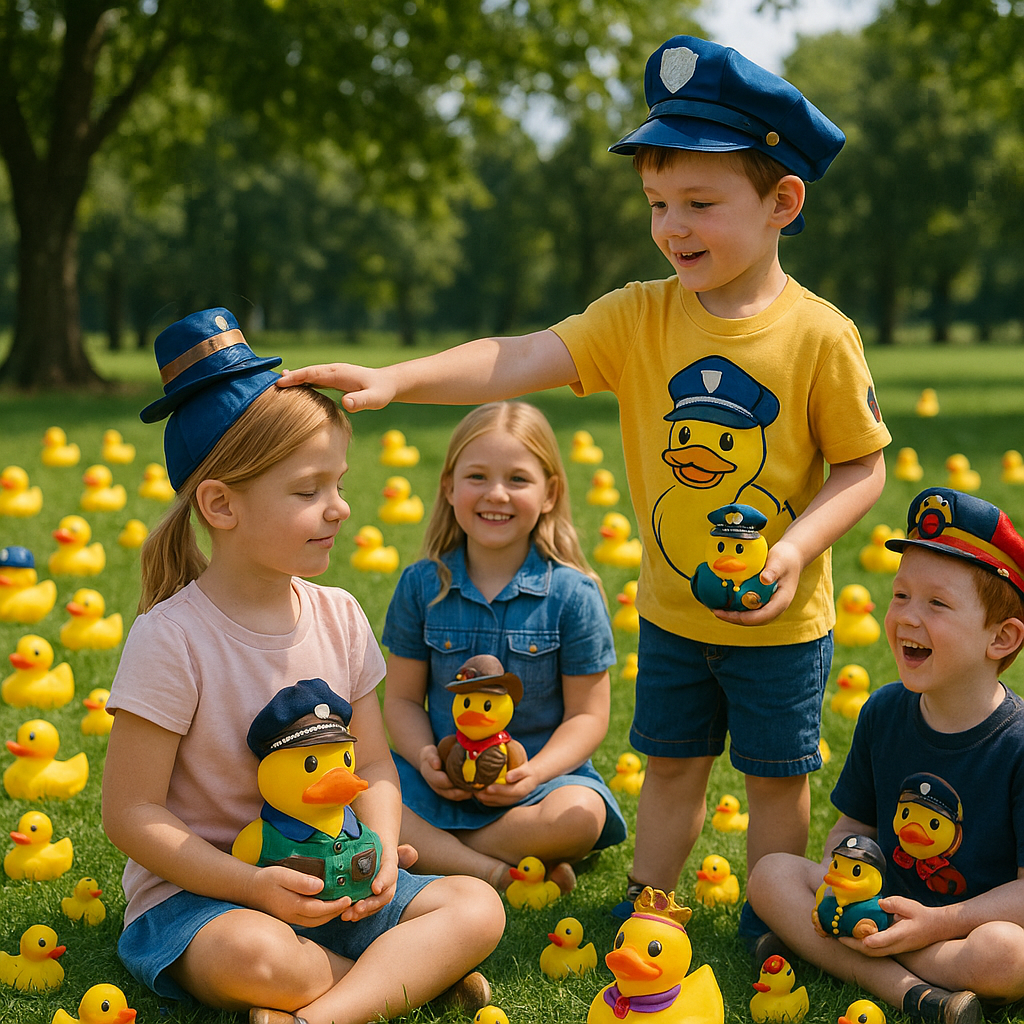
Youth sports support clubs run on tight margins and volunteer hours, which is exactly why team-themed rubber ducks keep showing up as their best fundraiser. A duck costs a few dollars landed, sells at a markup that funds uniforms and travel, weighs nothing in a concession-stand drawer, and unlike candy or coupon books, it does not expire. This guide walks school sports clubs and the distributors who serve them through a duck fundraiser that actually clears money: the unit economics, the safety and customization choices, and the ordering timeline that fits a season.
The Unit Economics That Make Ducks Work
A fundraiser’s profit is set at the purchase order, not at the sales table. Clubs ordering team-colored ducks with a logo typically buy at the factory minimum of 1,000 pieces, which lands the per-unit cost low enough to price at a multiple of cost, five to ten times depending on the market, and still feel like an easy purchase for a sports parent. A club that clears 500 units at a strong markup funds jerseys; a club that clears the full 1,000 funds a season’s travel.
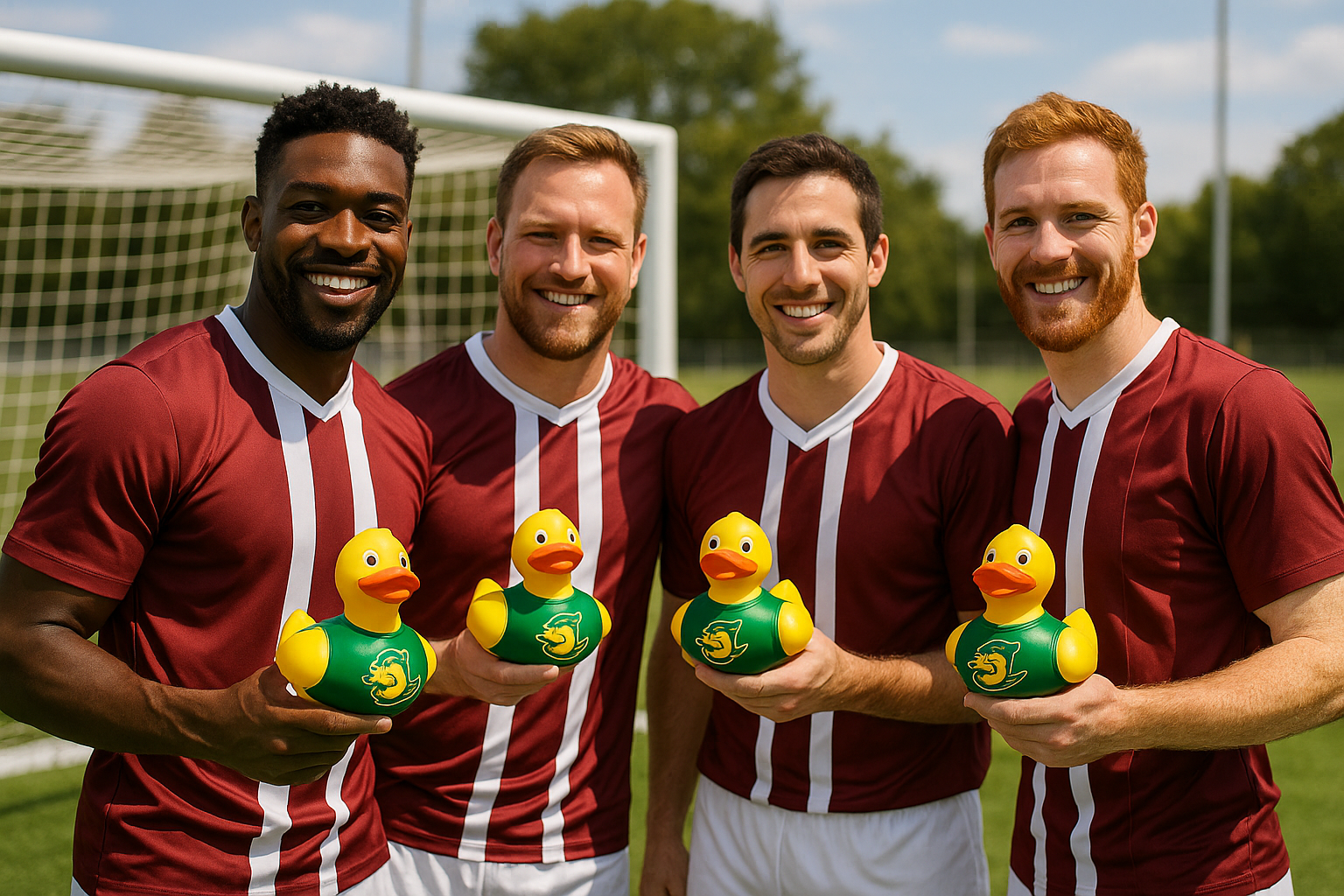
Two design choices protect the margin. Keep the customization to color plus one-color logo on the chest, which uses pad printing and keeps unit cost near the floor, and avoid specialty builds, sound chips, glitter fills, multi-part accessories, until the club has a proven seller. LZENGO’s sports team rubber ducks line exists precisely for this: team colors, mascots and jersey numbers as a production-ready category rather than a custom engineering project.
Safety First: What Clubs Must Check Before Selling to Families
Ducks sold to raise money for children are still toys sold to children, and the compliance conversation belongs before the order. In the United States, children’s toy sales fall under CPSIA requirements for material safety and labeling; reputable factories document compliance through third-party laboratories such as Intertek, which tests toys to CPSIA and REACH requirements. LZENGO’s production carries Intertek-tested CPSIA and REACH documentation, and club organizers should ask any supplier for the test report naming the actual duck, not a generic certificate.
Age marking matters at the sales table too. Small parts rules mean the packaging should carry the intended-age labeling the market expects, and clubs selling to elementary schools should favor one-piece ducks without detachable accessories. The same kid-safe selection logic that Jeep ducking families use applies here, covered in our guide to choosing kid-safe ducks for families.
Selling Mechanics That Actually Clear Inventory
Clubs that sell out share three habits. They pre-sell before the order, running a one-week sign-up sheet at registration nights so production quantity matches committed demand; the club’s risk drops to the gap between pre-orders and the 1,000-piece minimum. They sell at events where emotion runs high, season opener, trophy night, championship run, rather than at practice pickups. And they give the duck a story: mascot duck, senior-night duck, rivalry-week duck, a themed reason to buy beats a generic reason every time.
Clubs planning bigger programs, adopting a duck race or multi-team sales, should read the fundraising math in our guide to adopt-a-duck races and numbering, and the quantity planning method in sizing a bulk duck order, which applies the same arithmetic to club stores. Programs that outgrow a single order can move to personalized builds, names and numbers per player, as covered in our guide to personalized ducks at club scale.
The Season Timeline for Clubs
Six weeks before the season: lock colors and logo, submit artwork, and receive the mockup, 12 hours at LZENGO, then the sample, about 7 days. Five weeks out: approve the sample and place the PO against pre-orders. Production runs two to four weeks depending on the queue. Four to two weeks before the season opener: ducks arrive, pre-orders distribute, and table sales begin. Clubs that start at six weeks never pay express freight; clubs that start at two weeks turn their margin into air shipping.
Frequently Asked Questions
What does a team duck fundraiser cost to start?
The factory minimum is 1,000 pieces. At typical landed cost and sports-parent pricing, clubs build margins of several multiples while keeping the sale price in impulse range.
Are the ducks safe for young children?
Order one-piece ducks without detachable parts, confirm CPSIA test documentation from a third-party lab such as Intertek, and keep age labeling on packaging.
How long does a custom order take?
Mockup in 12 hours, sample in about 7 days, production two to four weeks. Six weeks of lead time covers a season-opener sale comfortably.
Can we sell ducks with player names and numbers?
Yes through personalization programs, though per-unit cost rises with per-piece customization. Standard team-color logo ducks remain the margin leader for table sales.
Planning a school sports club duck fundraiser? Send your team colors and logo to LZENGO through the contact page for a free mockup in 12 hours and a quote at the 1,000-piece MOQ, with CPSIA and REACH documentation included.
Related reading: Ducks for Swim Schools and Water Safety Programs