Skip to content
Virtual events replaced the tote bag with the doorstep. When attendees gather on a video call, the swag kit that lands at their home does the branding work a booth once did, and a custom rubber duck has become one of the highest-keep items in that kit: it is small, it survives the mail, it sits on a desk in the video frame, and it carries your logo into every meeting the attendee joins. Shipping ducks to attendees’ doors is a logistics exercise, though, and the brands that do it well plan four things before the event date: kit contents, packaging that passes the mail stream, address data hygiene, and a fulfillment route matched to each attendee’s country.
Why the Duck Works as Virtual Swag
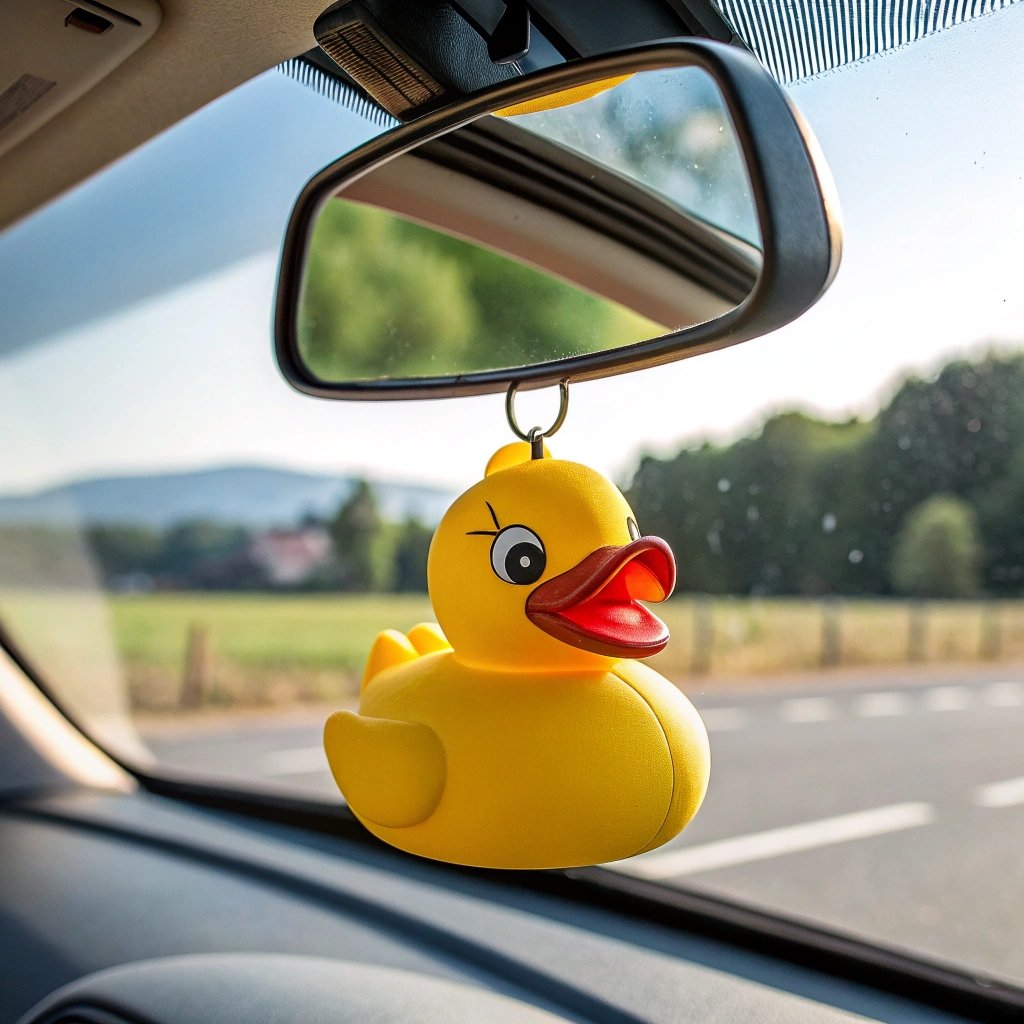
Swag earns its cost only when the recipient keeps it. A rubber duck passes the keep test on three counts. It is light, typically under 40 grams for a standard 2.9-inch duck, so direct mail stays affordable. It is rigid enough to ship in a poly mailer or small box without damage. And it photographs, which matters more than planners expect: attendees put ducks on desks and webcams include them, so the logo keeps appearing in meetings long after the event ends.
The desk-presence effect is the quiet argument for custom over generic. A duck shaped for the event theme, an anniversary duck for a company milestone, a character duck for a product launch, gets displayed; a plain yellow duck ends up in a drawer. LZENGO’s custom duck program starts at 1,000 pieces with design mockups returned in 12 hours, which lets event teams see the themed duck before committing to production.

Kit Design: What Ships With the Duck
A direct-mail swag kit usually pairs the duck with one or two flat items: a branded card, a QR code linking to the event platform, or a sticker sheet. The duck’s squeaker and shape make it the hero item, and flat companions ship without adding dimensional weight. Two kit rules prevent the common failures. First, weight: keeping the assembled kit under roughly 200 grams preserves affordable first-class and international economy tiers in most destinations. Second, protection: a duck in a poly bag inside a rigid or padded mailer survives automated sorting; a duck loose in an envelope arrives squeaking from a split seam.
Custom packaging options at the factory, polybags, retail boxes and gift boxes, change both the unboxing and the postage, so the packaging decision belongs in the same conversation as the duck design. Teams comparing kit economics can read the packaging trade-offs in this guide to bulk duck packaging boxes.
Address Data: The Failure Point Nobody Budgets For
Virtual events collect registrations online, and registration data is mail-data quality. Three habits cut failed deliveries sharply. Validate addresses at registration rather than after the event, when re-mailing doubles the cost. Decide before invitations what happens in countries you will not ship to, because a global attendee list guarantees a few destinations where couriers, customs or sanctions screening turn a $3 duck into a $30 problem. And set the mail window at least three weeks before the event for international attendees; domestic recipients can follow closer to the date.
Cross-border mail adds customs forms, and low-value gift shipments clear smoothly only when contents and values are declared correctly. The World Customs Organization’s cross-border e-commerce frameworks describe the declaration discipline customs authorities expect, and fulfillment partners apply it shipment by shipment. LZENGO’s global fulfillment program, detailed on the shipping solution page, covers door-to-door drops for event kits and consolidates production and dispatch so the ducks ship from one point with one document set.

The Timeline That Keeps Swag On Time
Working backward from the event: lock the duck design and kit contents eight weeks out, which fits the 12-hour mockup and 7-day sample cycle with room for one revision. Approve samples six weeks out. Allow three to four weeks for production at a factory running millions of pieces monthly. Ship international kits three weeks before the event and domestic kits one to two weeks out. Teams that start at eight weeks spend their budget on ducks; teams that start at three weeks spend it on express freight.
Frequently Asked Questions
What is the minimum order for custom event ducks?
1,000 pieces, with design mockups in 12 hours and samples in about 7 days. Smaller events sometimes combine designs to reach the minimum.
How much does a duck kit weigh for mailing?
A standard duck runs under 40 grams; with packaging and flat companions, most kits stay under 200 grams, which preserves affordable mail tiers.
Can kits ship directly to attendees in different countries?
Yes through a fulfillment route matched by destination, with customs forms declaring contents and values correctly for low-value gift shipments.
How early should we order for a virtual event?
Eight weeks before the event: two weeks for design and sampling, three to four weeks production, and a three-week international mail window.
Planning swag for a virtual event? Send your theme, quantity and attendee countries through the LZENGO contact page, and the design desk will return a duck mockup within 12 hours with a door-to-door fulfillment quote. Production runs at the LZENGO factory, BSCI-audited, with samples in about 7 days.