Skip to content
When a custom duck design carries fine facial detail, tiny lettering, gradients or a logo that sits across a curved surface, the question that decides both cost and quality is how the decoration gets applied. Molded-in detail, pad printing and hand painting are the three tools factories reach for, and they produce visibly different results on the same duck body. Hand painting in particular is misunderstood: buyers either dismiss it as slow and expensive, or expect artisan brushwork on a ten-thousand-piece order. This guide explains what hand painting and airbrushing actually do well, where they cost-justify, and how to combine them with printing on a production program.
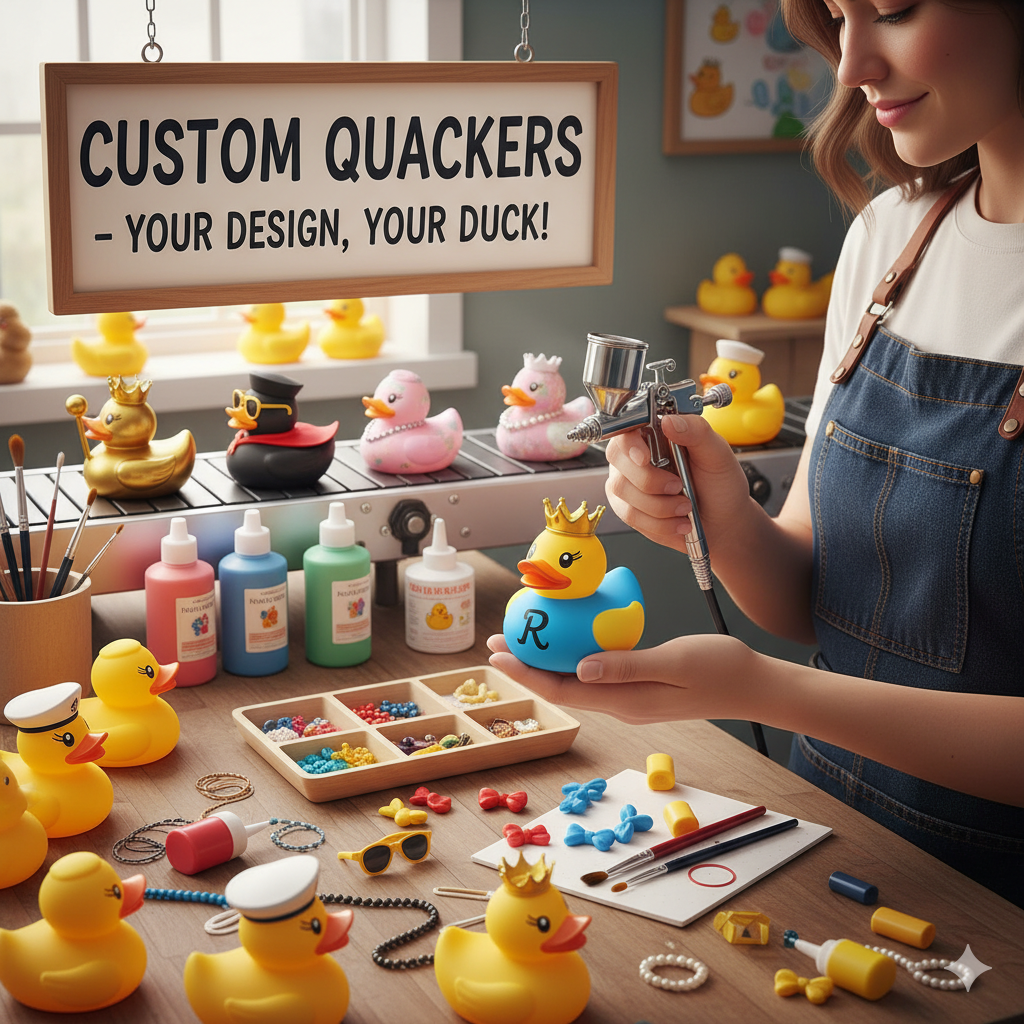
What Hand Painting and Airbrushing Do That Printing Cannot
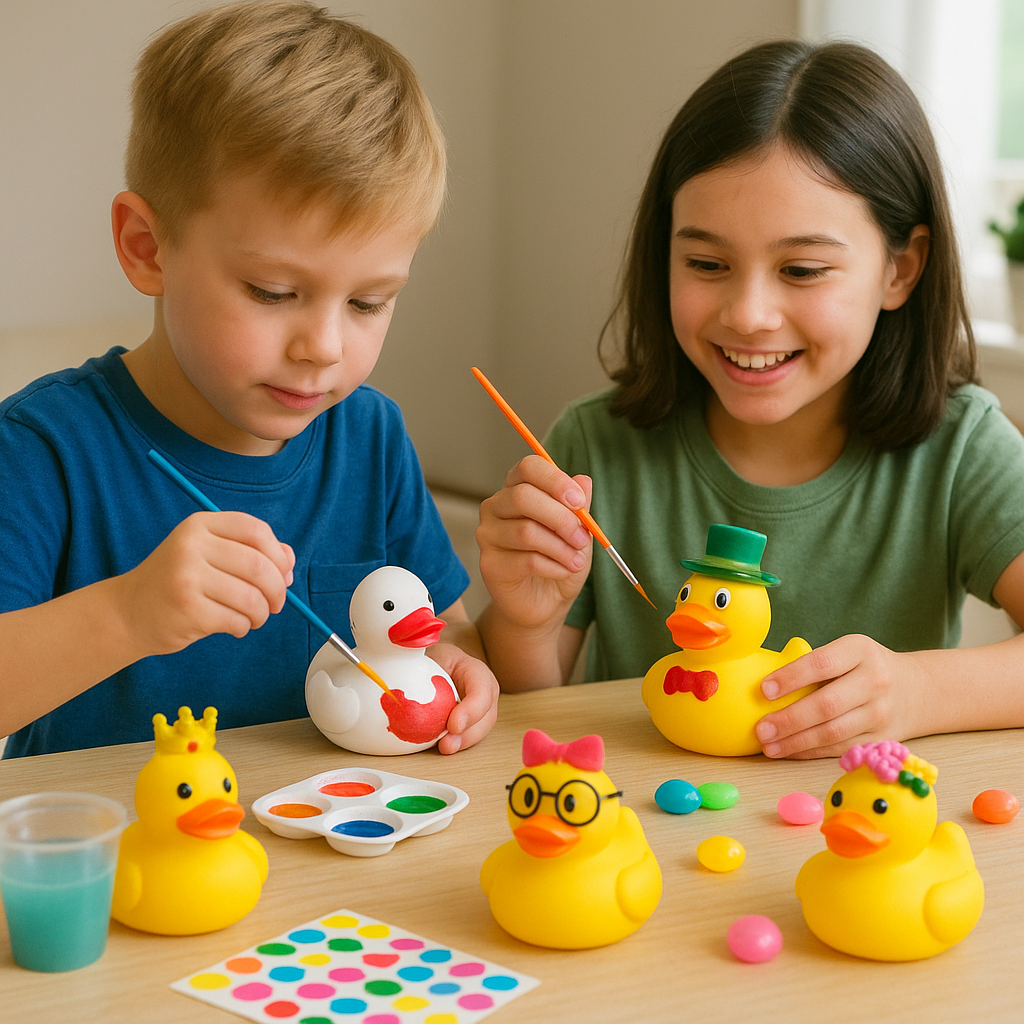
A hand-painted stroke follows the duck’s contours in a way a flat stamp cannot: blush on cheeks that wraps the curve, shading that fades gradually across a hat brim, eyes with depth from layered color. Airbrushing extends this to gradients, sunburst effects, weathering and two-tone fades that pad printing simply cannot render, because a pad transfers one solid ink film per cycle, a process discipline standardized across ASTM International print and ink test methods. For character designs, mascot ducks and premium gift programs, that extra dimension of shading is what separates a duck that reads as licensed-quality from one that reads as a giveaway. The costs are labor, per-piece time and a dependency on painter skill, which is why hand-painted programs price per unit rather than per mold.
Where It Cost-Justifies in a Production Program
Hand decoration earns its place in three situations. Low-to-mid volume programs where the per-unit premium is affordable and the design demands it, typically corporate gifts, wedding favors and boutique retail lines. Detail that printing cannot hold: micro-lettering, multi-color gradients, and detail crossing multiple surfaces. And premium tiers of a larger program, where a hand-finished variant sits above a printed standard variant, letting one mold serve two price points, a structure covered in our duck size scaling guide for tiered assortments. The pattern that fails is simple: hand painting a design that pad printing renders at 95 percent of the effect, and paying a large per-unit premium for the difference.
Combining Methods: The Hybrid Specification
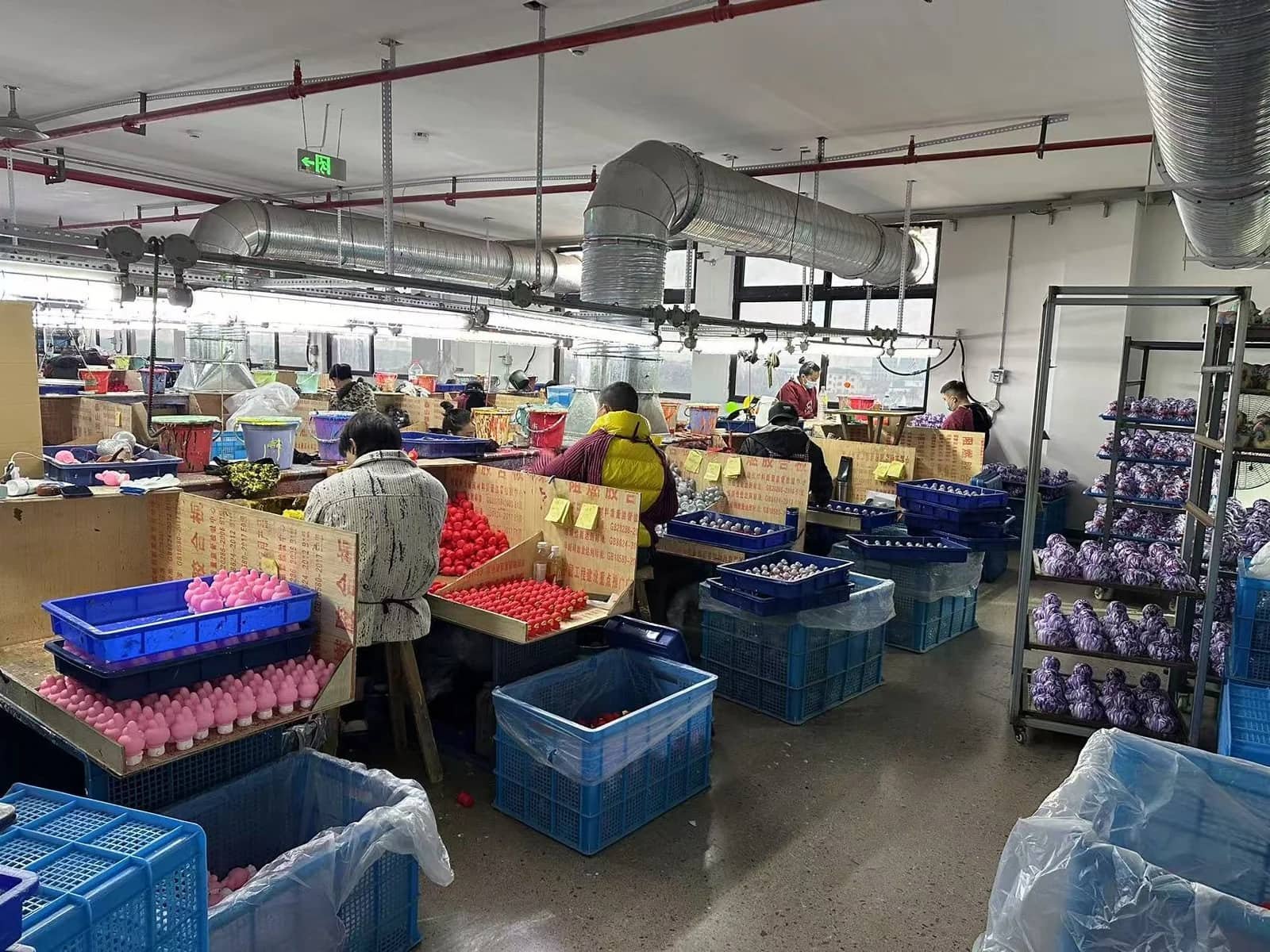
Most successful custom ducks are hybrids: body color molded in, logos and flat details pad printed, and selective hand painting or airbrushing on the elements that benefit, cheeks, shading, special accents. This hybrid keeps hand-labor minutes low while capturing the premium look where it is visible, and it is how factories keep hand-finished programs affordable at thousands of units rather than hundreds. The specification should state which elements are painted versus printed, because factories will otherwise quote full hand decoration, and inspection later needs that breakdown to judge defects. Print-side durability follows the ink and curing process, which we cover separately in the glitter and metallic finish guide for surface effects, and paint adhesion belongs in sample testing rather than assumption.

Quality Control for Painted Programs
Paint adds a defect category that molded ducks never see: smudges, bare spots, color bleed and overspray on adjacent surfaces, like the smudge example our inspection team photographs for training. Three controls keep a painted program clean. First, a signed painted sample that becomes the standard for coverage and shade, with inspection comparing bulk against it rather than against the artwork. Second, a defined defect tolerance in writing: what counts as acceptable variation in handwork, because zero-variation language on a hand process creates claims nobody can win. Third, cure and rub checks before packing, since under-cured paint transfers in cartons. Buyers running decorated programs can put all three into motion through the custom rubber duck ordering process, and for gift programs where the finish carries the value, our corporate year-end gift kit guide shows how packaging protects painted surfaces in transit.
Video: Production Finishing in Context
FAQ
Is hand painting possible on bulk orders?
Yes, with the hybrid approach: molded body and printed logos carry the volume, while selective hand painting on faces and accents adds the premium look. Full hand decoration on large orders is possible but the per-unit premium rises steeply with quantity.
How long does painted detail add to lead time?
Expect hand-painted stages to run after molding and printing, adding days depending on coverage and quantity. Programs with hard deadlines should confirm the finishing calendar at order placement, not after sample approval.
Will painted details survive squeezing and play?
Properly cured paint on flexible vinyl flexes with the surface, but paint is still the most delicate layer on a duck. For heavy-play programs, favor molded-in or printed detail on high-touch zones and reserve paint for low-contact areas.
What should a painted-sample approval include?
The signed physical sample plus a written defect tolerance: which smudges, shades and coverage variations count as acceptable handwork, and which count as defects. That document is what inspection and claims get measured against.
Related reading: Painted Faces and Moulded Colour on Bath Ducks: What Survives the Tub