Skip to content
The PPAI Expo in Las Vegas is where promotional products distributors set their year: new lines get found, supplier relationships get made, and budget commitments happen on the show floor. For distributors adding custom rubber ducks to their line card, the show rewards preparation, because the decisions that matter, tooling path, MOQ structure and sample timelines, are made before and after the floor hours, not during them. Here is the working plan.
Before the Show: Know Which Duck Path Fits Your Clients
Custom ducks come down two paths, and your client mix decides which to source. Stock molds with logo printing carry low MOQs and fast timelines, ideal for giveaways and event bags; the trade-off and tooling comparison are laid out in our stock mold versus custom tooling guide. Full custom sculpting builds a proprietary duck for retail lines and collectible programs, with MOQ 1,000 and a mockup-first workflow: artwork in, photo-real mockup within 12 hours, physical sample within 7 days. Walking the floor with this decision already sketched lets you qualify suppliers in minutes instead of collecting brochures. The full program structure sits on the bulk custom ducks program page.

The Questions That Separate Factories From Resellers
Show-floor conversations sound similar across booths, so ask questions with verifiable answers. Where is production, and can you video-audit the line? What is the sample lead time, and is the mockup free? What happens to tooling ownership after the first order, a question our mold ownership guide explains in detail? And what are the payment terms on a first order? A factory answers these from process; a reseller answers them from a price list. Distributors who verify before committing avoid the classic post-show surprise of a quote that was never manufacturable at the promised MOQ.
After the Show: The Sample-First Follow-Up
Post-show discipline decides whether expo contacts become revenue. Sequence the follow-up in three steps: request the mockup within the first week while the conversation is fresh, approve and pay for the physical sample, and benchmark sample quality against the show-floor counter samples. Timelines matter at this stage because promotional calendars do not wait: campaign orders placed after the show need production slots, and our production run timeline shows how mockup, sample, tooling and bulk phases sequence. For programs with hard event dates, air versus ocean is the lever, covered in the sea versus air freight guide.
What to Put in the Show-Year Plan
Three line items make the year plan real. A sample budget covering mockups and physical samples across your three most promising duck concepts. A client-mapping session right after the show: which accounts get stock-mold ducks, which get custom sculpting, which get both in phases. And a tooling decision rule: custom tooling pays for itself when a design runs more than once, so commit tooling only to concepts with a repeat calendar behind them. Industry benchmarks for show-year planning come from the association itself; the PPAI Expo program pages publish the show’s scale and education calendar each year.
Meet the Factory Behind the Line Card
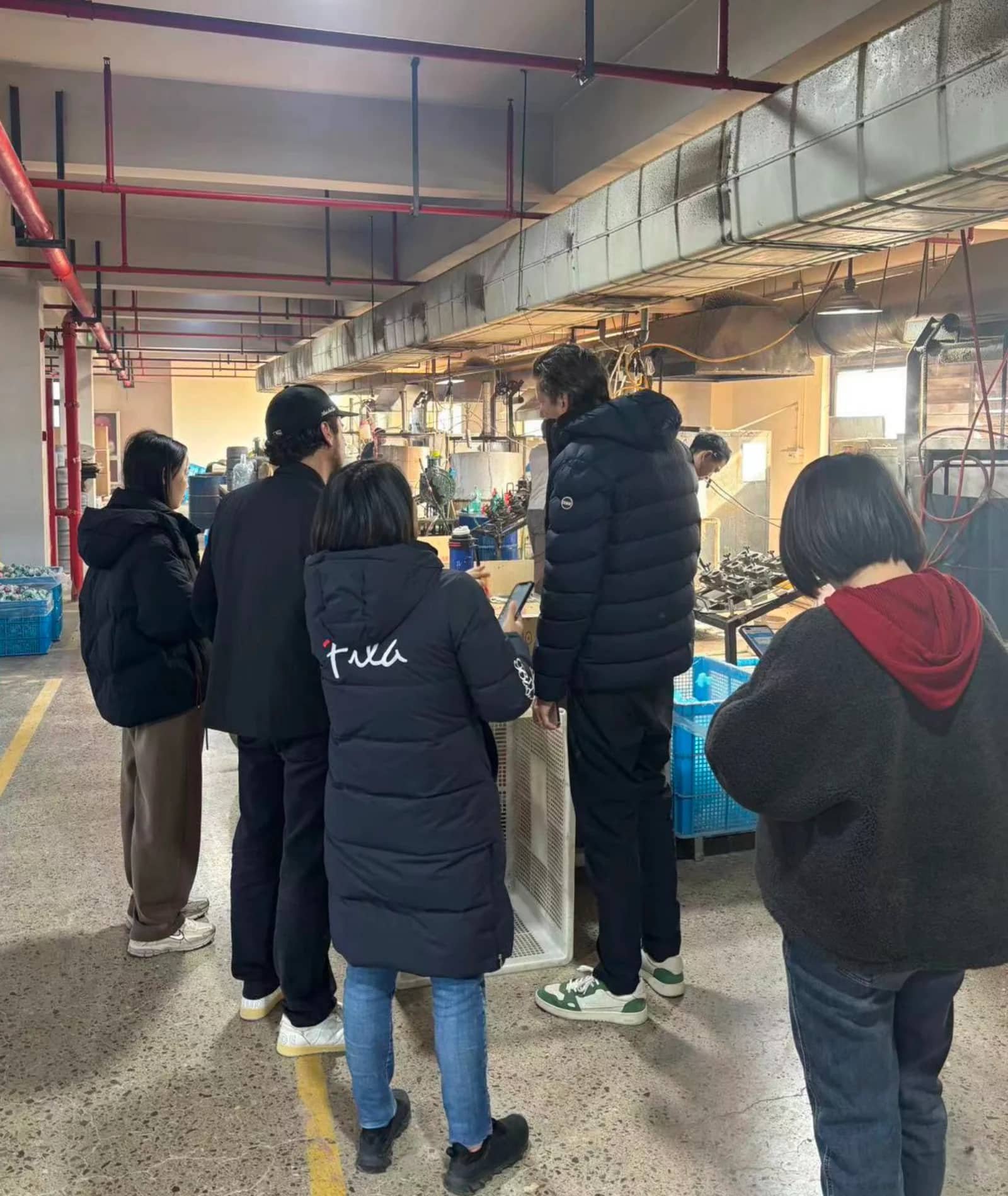
Distributors who want a duck line without the reseller margin can work factory-direct: LZENGO runs production with MOQ 1,000, 12-hour mockups and 7-day samples, and the factory walk-through video on our YouTube channel shows the line before you ever book a flight. Bring your client list to the plan: request mockups for your top three duck concepts through the contact page, and have physical samples in hand before the next show season opens.