Skip to content
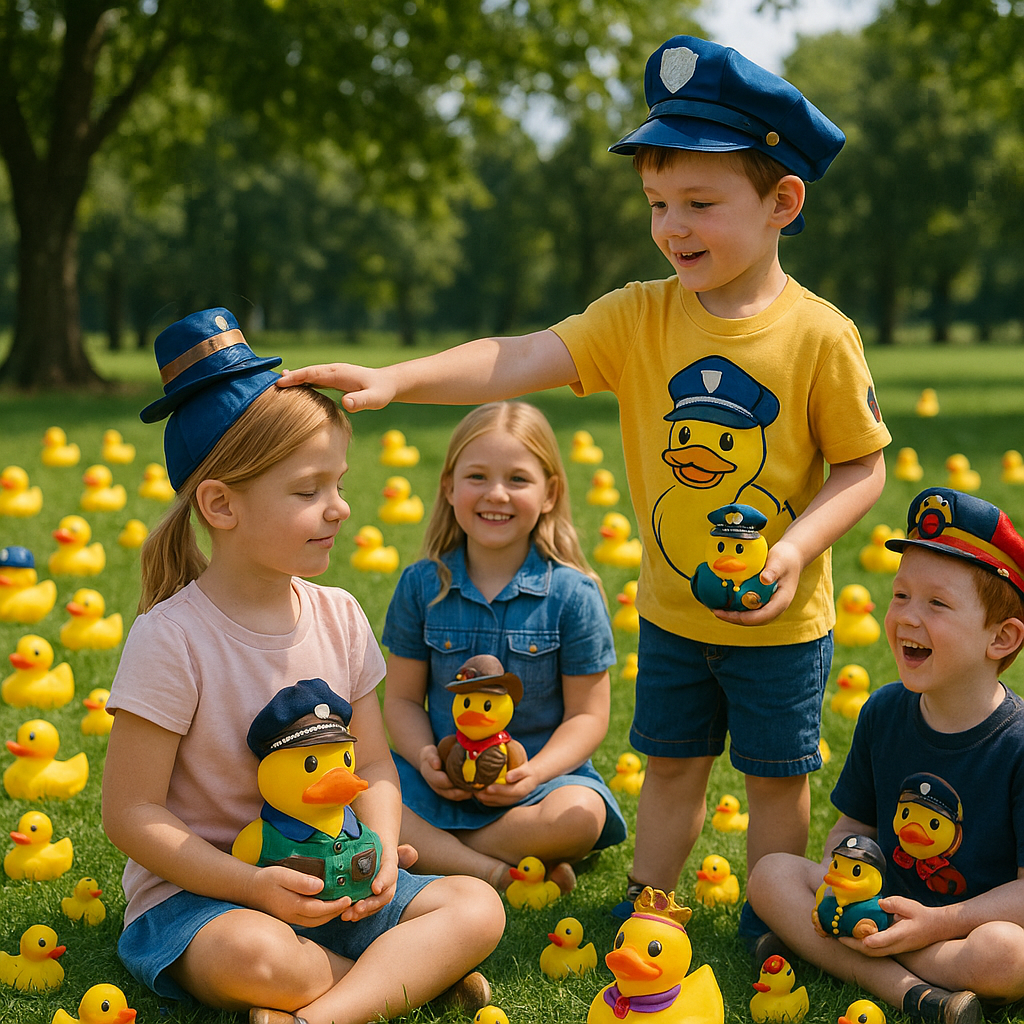
Nurse ducks with stethoscopes. Electrician ducks with hard hats. Teacher ducks holding tiny books. Occupational rubber ducks have grown from a novelty shelf item into one of the steadier reorder categories in promotional merchandise, because every profession buys its own identity back as a gift. For distributors and brand teams, the category rewards those who understand why it works and how to build a program around it. This guide covers both.
Why Occupational Ducks Reorder
The economics are unusual for promotional products: the buyer is rarely the end user’s employer alone, it is also the profession itself. Nursing units buy graduation ducks for cohorts; firehouses buy anniversary ducks; dental offices buy thank-you ducks for referrals. Each purchase is small by corporate standards but emotionally loaded, which drives two behaviors distributors care about: strong keepsake retention, and repeat orders tied to annual events rather than one-off campaigns. The pattern mirrors what we documented for bank and credit union programs in the kids account duck guide, where a single profession’s calendar generates predictable annual volume.

What Makes an Occupational Duck Land
Three design elements separate the ducks that get kept from the ducks that get left in a drawer. First, the prop must be profession-specific and readable at two meters: a stethoscope curve, a wrench, a book stack, not a generic accessory. Second, the finish does the storytelling: two-tone molding for uniform colors, or hand-painted detail on the prop for gift-tier programs, a discipline covered in our hand-painted detail guide. Third, the base duck stays classic. Programs that over-redesign the body chase trends; programs that keep the silhouette and change the costume build a collectible line their buyers complete year after year.
Building the Program: MOQ, Mockup, Sample
Occupational programs usually start narrow and widen. A practical first order: one profession, one prop, MOQ 1,000 pieces, which is our standard starting quantity for custom work. The workflow is fast by design: send the profession and logo, receive a photo-real mockup within 12 hours, approve, and hold a physical sample within 7 days. From sample approval, production planning follows the production run timeline, with monthly capacity above five million pieces keeping multi-profession rollouts on one schedule. Distributors testing several professions at once can mix designs within the MOQ, which is exactly how the biggest occupational lines start: three professions, one container, one reorder cycle to learn what sells.

Channel Notes: Who Buys and Where It Sells
Occupational ducks sell through four channels with different rules. Gift and professional boutiques want packaged singles with display presence; our gift box packaging options cover that tier. Corporate HR buyers order recognition ducks in bulk for onboarding and appreciation weeks. Fundraisers use profession ducks as premium items, the same mechanics as our youth sports fundraiser guide. And the jeep ducking community trades occupation ducks as theme pieces, which turns a corporate SKU into a street-level marketing loop. Price the channels differently and the same tool serves all four. The promotional products industry association, PPAI, tracks distributor demand across these channels, and occupation-themed merchandise recurs as a category in its trend reporting.

Start With One Profession This Quarter
The fastest entry: pick the profession your client base already serves, commission the mockup, and hold a sample against a 1,000-piece first run. Watch which of the four channels pulls first, then widen the line profession by profession, reusing the base duck to hold tooling costs flat. Send the profession and your logo through our contact page or start from the bulk custom ducks program page, and the 12-hour mockup clock starts the same day.
Related reading: Hotel and Resort Duck Giveaways: Guest Room Gifts That Travel
Related reading: Employee Onboarding and Internal Campaign Duck Kits