Skip to content
Barber shops, hair salons and nail studios share a business problem that ducks solve neatly: children sitting through services they did not choose. A kid in a styling chair turns a 45-minute appointment into a negotiation; a kid holding a small themed duck turns it into quiet play. Salons that run ducks as both a kids-corner distraction and a take-home loyalty gift report calmer appointments and a repeat-visit hook that costs pennies per visit. Here is how to build the program, duck selection, hygiene, and the economics that make it a line item worth keeping.
Picking the Duck: Size, Theme and Squeeze Safety
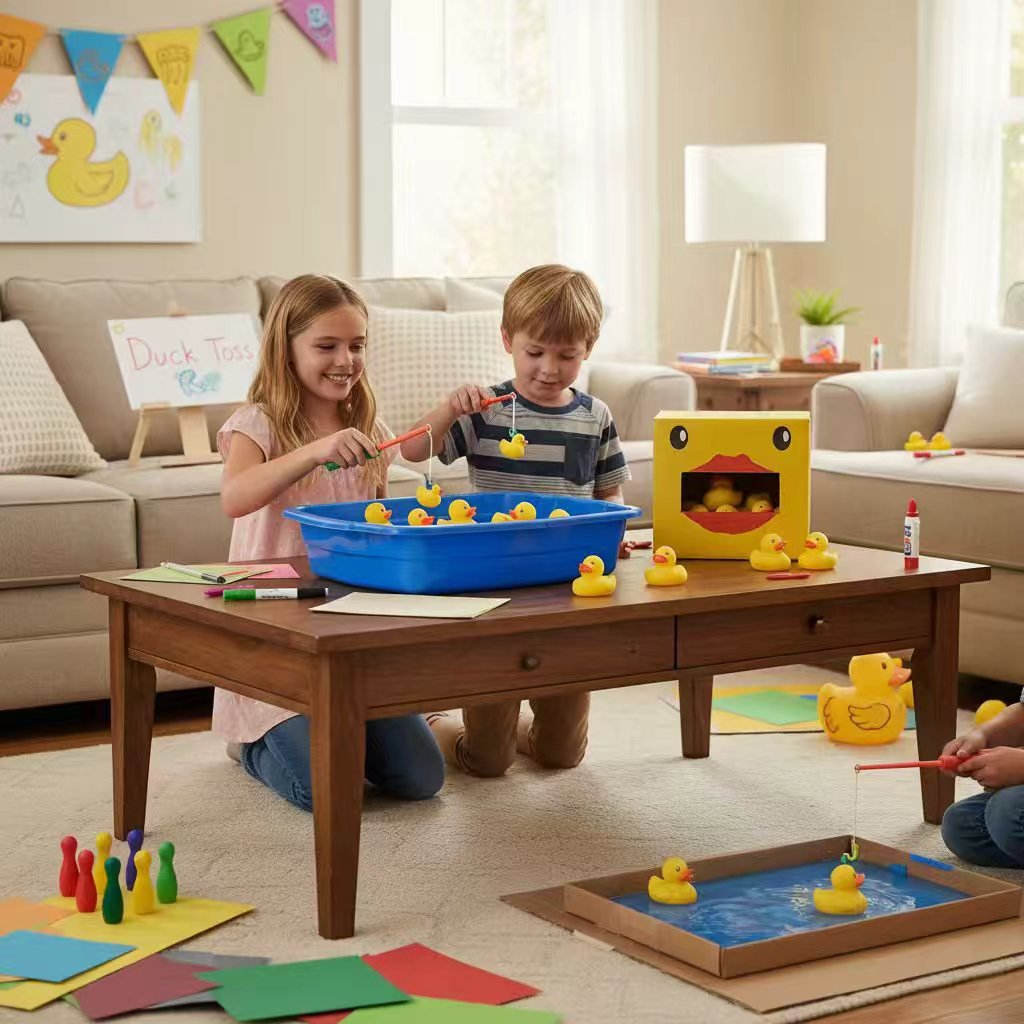
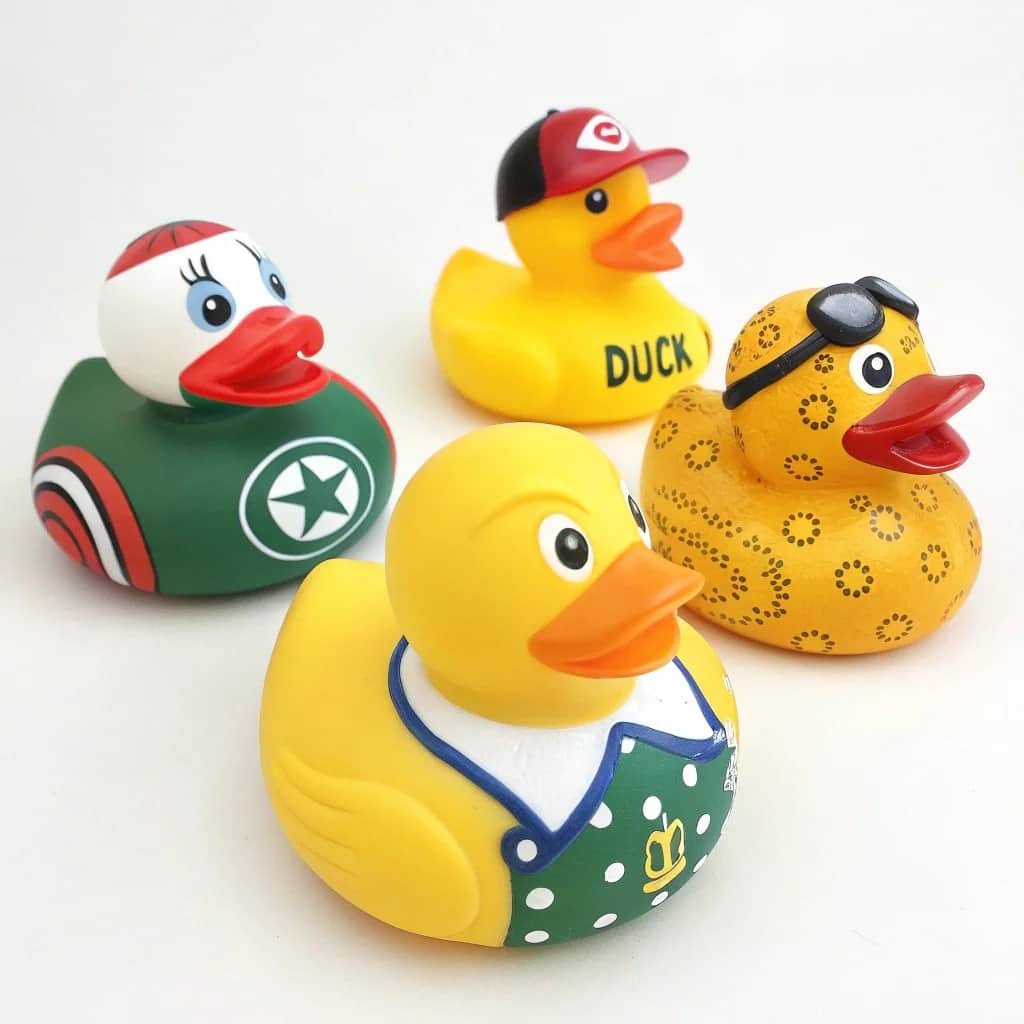
Two duck types cover salon duty. Counter ducks, small 5 to 8 centimeter characters in themed sets, occupational ducks with scissors and combs, animals, holiday editions, live in a bowl by the reception and cost little enough to hand out freely. Chair ducks, slightly larger with strong squeeze appeal, occupy restless hands during the actual service. Selection criteria for a waiting-room toy differ from a bath toy: no small detachable parts for under-3 visitors, a sealed hole or a squeeze-and-release design that avoids ingesting bathwater, and paint that survives being chewed, because in a salon it will be. The safety documentation to ask for rides on the same toy standards that govern retail ducks, and the chemical and small-parts basics are summarized in our phthalate-free and REACH/CPSIA guide.
Hygiene Between Clients: The Part Most Programs Get Wrong
A duck that passes between a dozen children a week is a surface, and it needs a cleaning protocol like any other salon surface. The workable routine: warm water with mild detergent after each play session, a weekly deeper soak, and full drying before storage, standing ducks on a wire rack rather than a closed basket, since trapped moisture is what breeds the biofilm that makes ducks feel slippery and smell wrong. Bulk operators follow the same water-quality discipline documented in our bulk duck cleaning guide, and facilities that maintain public toy programs operate under cleaning and maintenance guidance similar to the pool and water-play standards collected by the North American Session and Council organizations network. Retire and replace ducks quarterly; the replace cost is trivial next to one parent complaint.

The Loyalty Layer: From Distraction to Return Visit
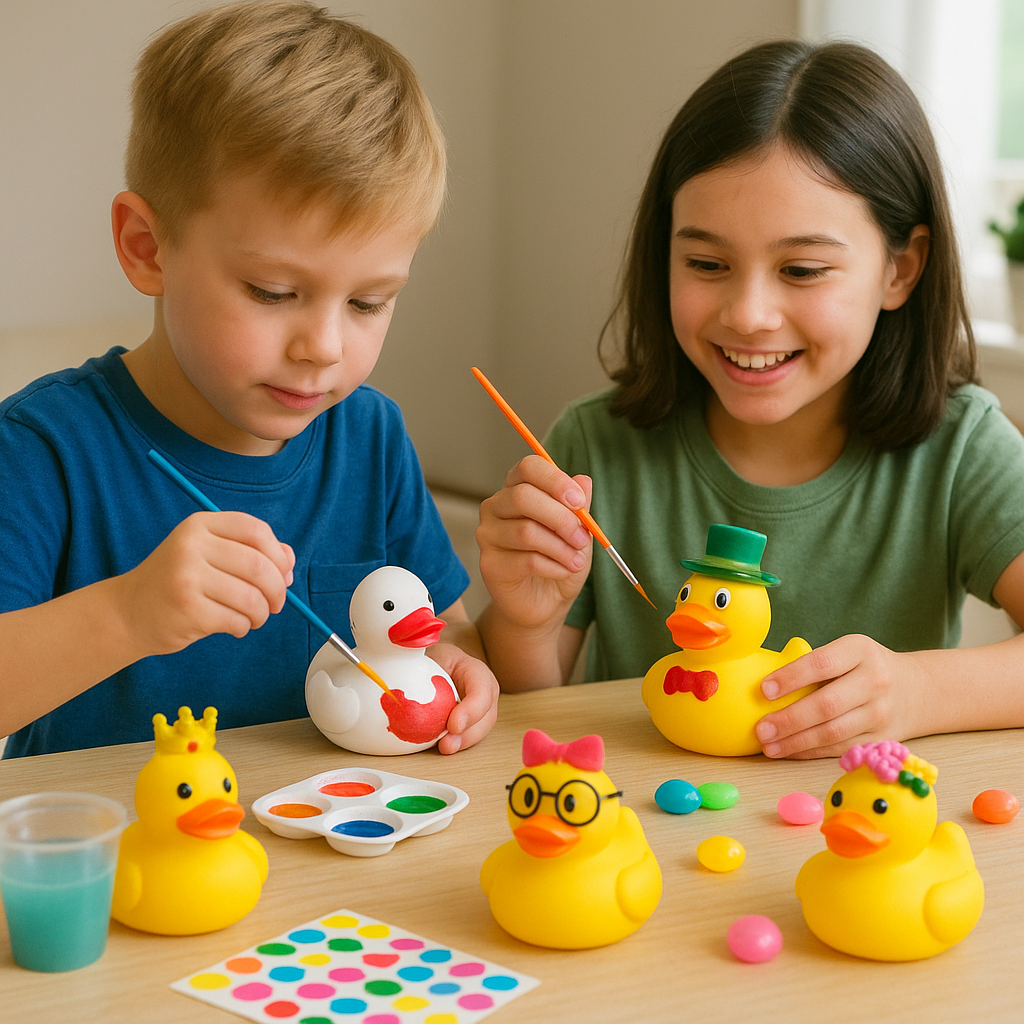
The upgrade that turns ducks into a retention tool is collectibility. A 12-duck themed series, released a few characters at a time, converts each appointment into a chance to find the next one: kids ask parents to book the next cut, and the salon becomes a collection point rather than a chore. Studios that punch a simple loyalty card alongside, one stamp per visit, ducks at milestones, report the program writing itself into family calendars. Year-round themes keep the series alive between holidays, an approach documented in our year-round gifting guide.
Budgeting the Program
The math at wholesale scale: themed counter ducks commonly land in the 0.30 to 0.60 US dollar range per unit at modest custom quantities, with paint complexity and packaging moving the number. A salon running 20 kid-visits a week and handing out at half of them consumes roughly 500 ducks a year, a program cost under 300 dollars that compares well against any other retention spend in the budget, and one themed series usually spans a full year. To price a themed series with custom paint, start from the occupational ducks catalog, where scissor-and-comb characters sit beside the profession sets most salons copy, and count the series against a real client list before ordering.
Video: Themed Ducks for Business Programs
FAQ
What size duck works in a salon kids corner?
Counter ducks of 5-8 centimeters for giveaways and slightly larger squeeze ducks for chair play. Avoid small detachable parts for under-3 visitors.
How do salons keep ducks hygienic?
Warm water and mild detergent after play sessions, a weekly deeper soak, full air-dry on a rack, and quarterly replacement. Closed baskets breed the biofilm that makes ducks slick.
Do ducks actually bring families back?
Collectible series do: releasing themed characters a few at a time turns each appointment into the next chapter, which is what converts a giveaway into a retention tool.
What does a salon duck program cost per year?
At roughly 0.30-0.60 dollars per themed duck and around 500 handouts a year for a busy studio, the program lands under 300 dollars annually.