Skip to content
Non-holiday duck sales keep growing because ducks solve a merchandising problem every month of the year: a low-cost, brandable, photogenic object that fits hospital programs, fundraisers, car dealership events and classroom rewards without a calendar excuse. Buyers who treat ducks as a holiday-only SKU leave ten months of shelf time unused, and the factories behind the boom now run themed lines that cover the whole calendar.
The trend shows up in three demand patterns we see across programs: occupational and cause-themed designs replacing generic stock, event-driven drops timed to local calendars rather than global holidays, and year-round retail lines in gift and museum shops. This guide walks the demand logic and the sourcing decisions behind a non-holiday duck program.
Why the calendar flattened
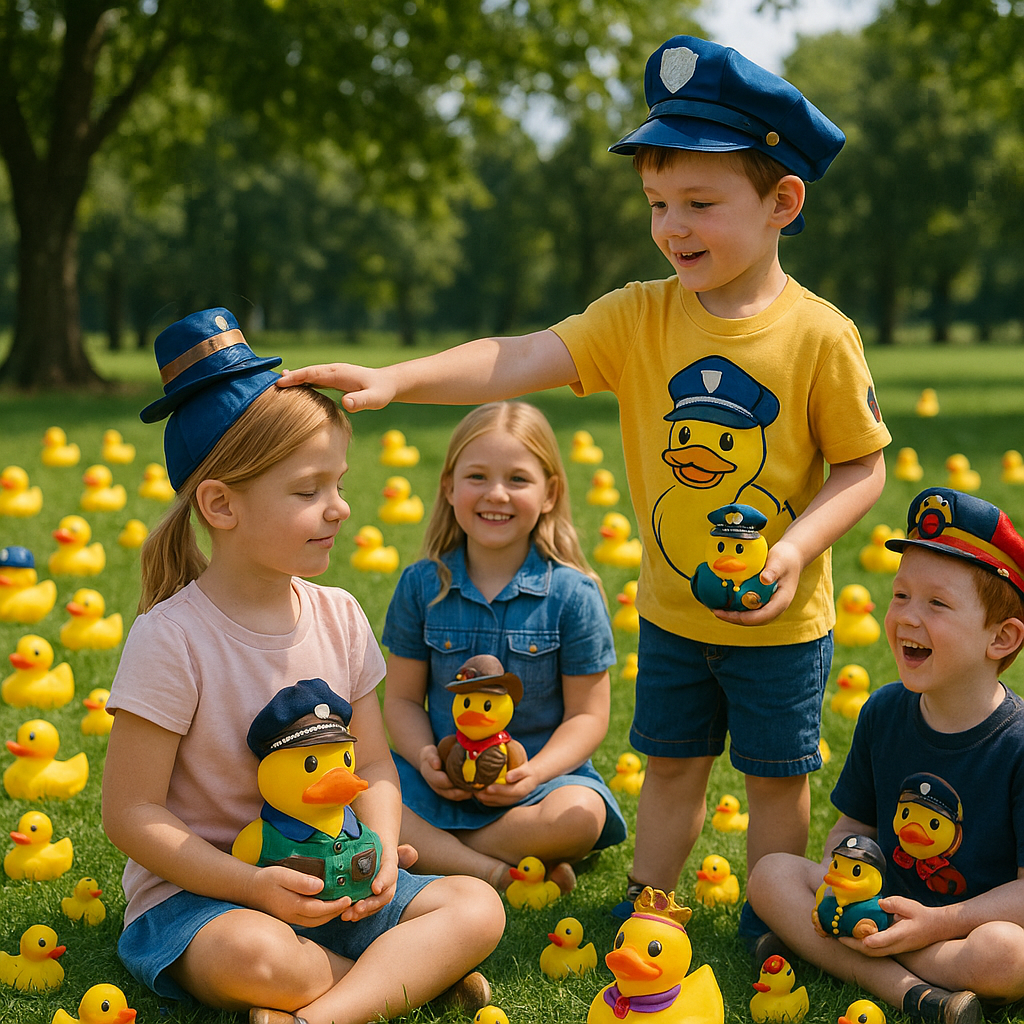
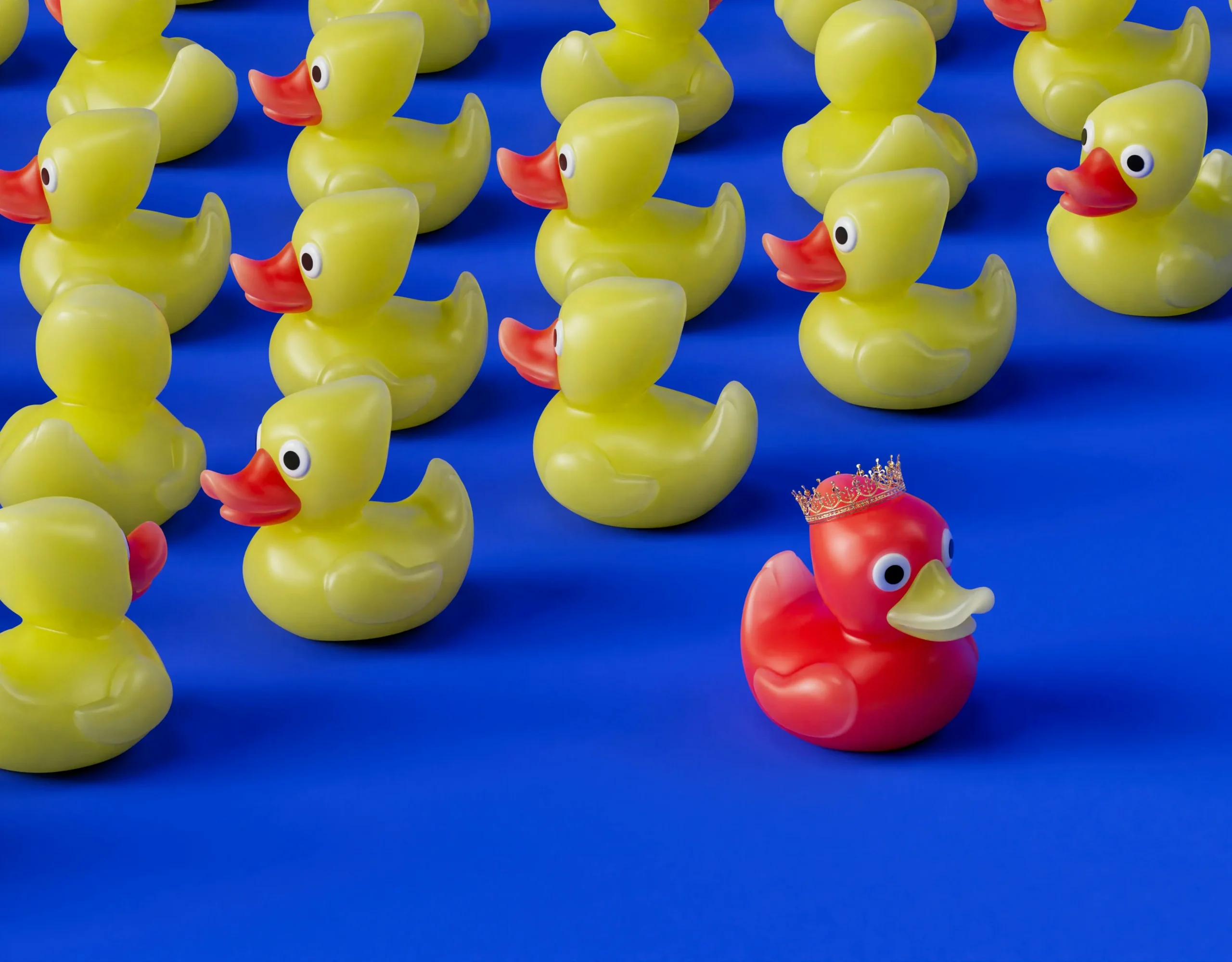
Two shifts moved ducks off the holiday calendar. The first is community ritual: duck drops, library reading rewards and hospital bravery programs run on their own schedules, and each order wants a theme that matches the moment rather than December. The second is retail logic: gift shops and museum stores stock an object that photographs well and prices under an impulse threshold, and those shelves turn every month. A themed line that once sold for six weeks now earns a year of placement.
Promotion-industry data backs the pattern; the promotional products trade body, PPAI, tracks a channel where branded giveaways run year-round across verticals, and ducks sit in the most flexible corner of that channel. Occupational themes are the fastest grower in our line, covered on the occupational ducks page.
| Non-holiday program | Typical theme | Buyer | Order pattern | Design note |
|---|---|---|---|---|
| Hospital bravery programs | Healthcare and courage themes | Children’s hospitals, clinics | Repeat orders all year | Soft edges, no small parts |
| Car dealership events | Brand colors, service themes | Auto groups | Quarterly campaigns | Pantone match to the brand |
| Museum and gift shops | Exhibit and local icons | Retail buyers | Two to four drops a year | Display-ready packaging |
| Fundraising walks | Cause colors and numbers | Nonprofits | Event-locked dates | Numbered or dated prints |
Sourcing a non-holiday line
The sourcing decisions compress into three: theme depth (stock mold plus printed logo versus full custom mold), color accuracy (Pantone matching at the factory, with a physical sample sign-off), and the calendar. Custom molds reset the timeline, so programs on a fixed event date should lock the theme early; printed-logo programs on stock molds run fast enough to follow a trend mid-season. Program terms start at a 1,000-piece MOQ per design, with mockups in 12 hours and samples in about 7 days; retail drops commonly run 2 to 4 themed releases a year on that calendar, which is what makes small themed drops economic. Color and theme approvals run on physical samples rather than screen renders, because vinyl shifts a shade between screen and production light. The custom envelope is laid out on the custom ducks page, and Jeep-adjacent community programs sit on the Jeep ducks page.
Video: a themed mix moving through the line
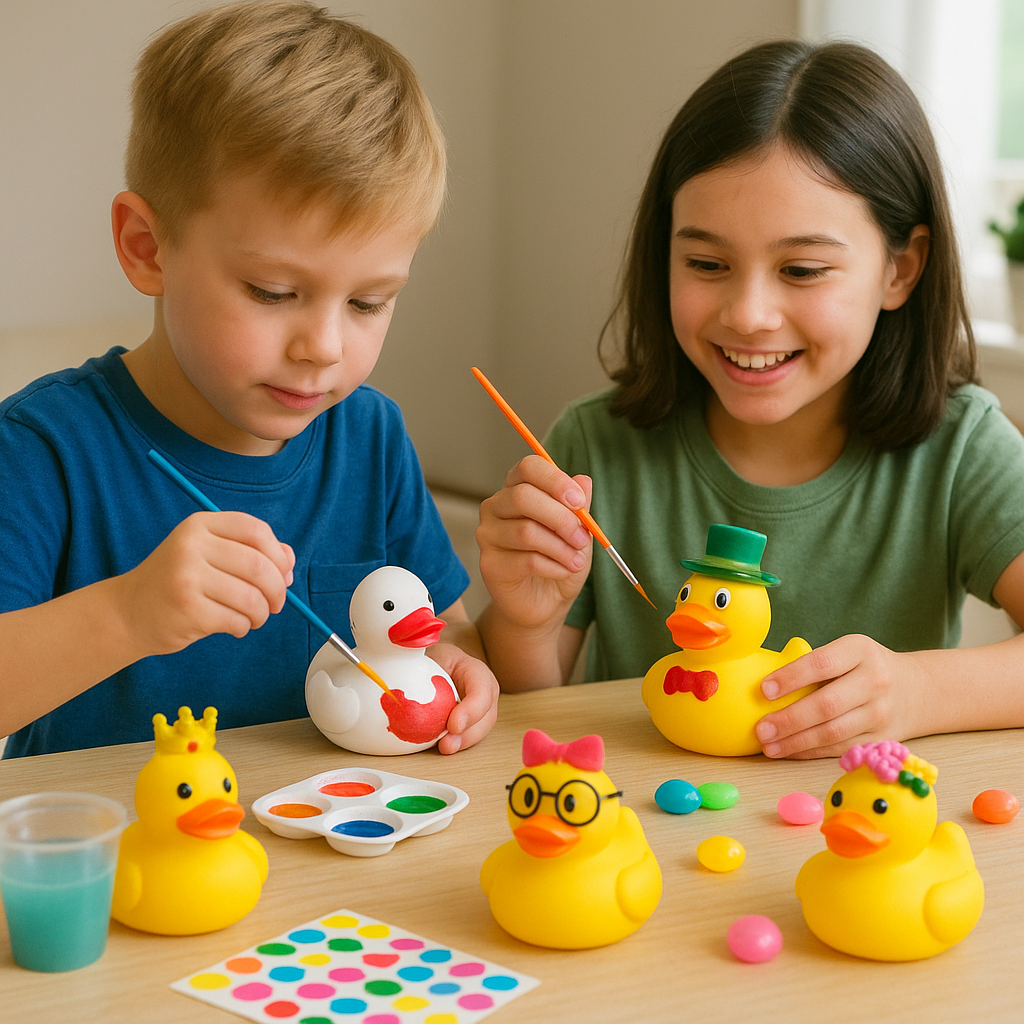
The themed mix in the clip shows how stock molds carry printed themes at speed: same bodies, different stories, each running its own calendar instead of waiting for a holiday. That flexibility is the operational reason the trend holds.
Frequently asked questions
Which non-holiday themes sell fastest?
Occupational and cause themes lead, followed by local-icon designs for museum and gift shop programs.
Do themed programs need full custom molds?
Not always. Stock molds with a printed logo carry most themes; full molds are for shapes the stock library cannot cover, and they reset the sampling calendar.
How small can a themed drop be?
Programs start at 1,000 pieces per design, which is sized for a single event or a shelf test.
How is brand color matched?
Pantone references are matched at production with a physical sample sign-off before bulk runs.
See also our duck retail packaging guide.