Skip to content
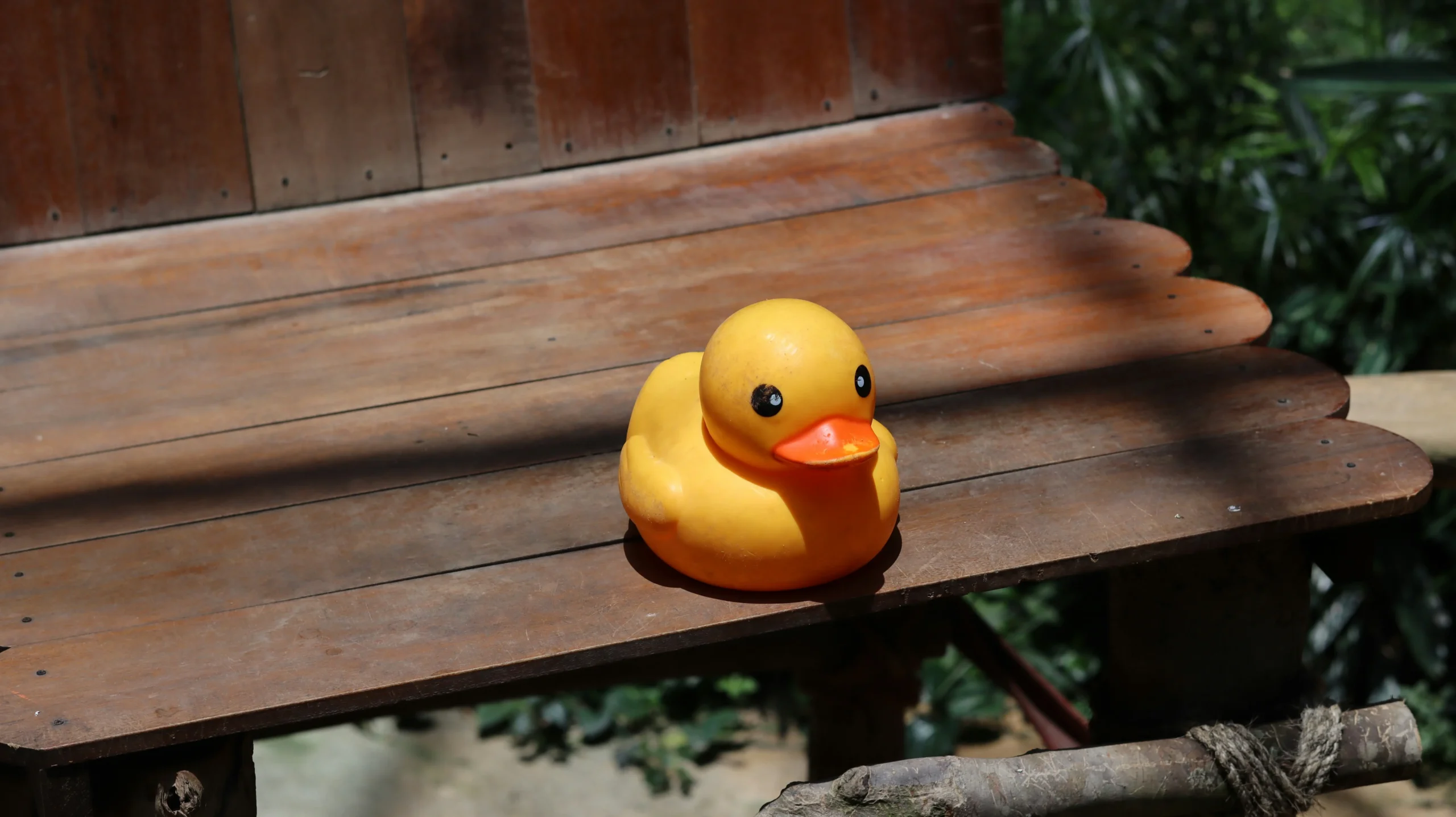
A large rubber duck deployed in commercial settings isn’t just whimsy—it’s a high-stakes branding asset that can generate $4,200 in media value at $0.12 per impression, yet standard collectible versions crack and fade within 60 days outdoors, transforming your promotional investment into a visual liability that erodes brand credibility and wastes marketing budgets.
This technical standard operating procedure delivers the engineering specifications and implementation protocols for leveraging large rubber ducks across B2B channels, covering everything from trade show weight distribution systems that boost dwell time by 65% to retail display UV stabilizers increasing foot traffic by 22%, ensuring your installations meet commercial durability standards while maximizing measurable ROI.
Trade Show & Exhibition Impact Boosters
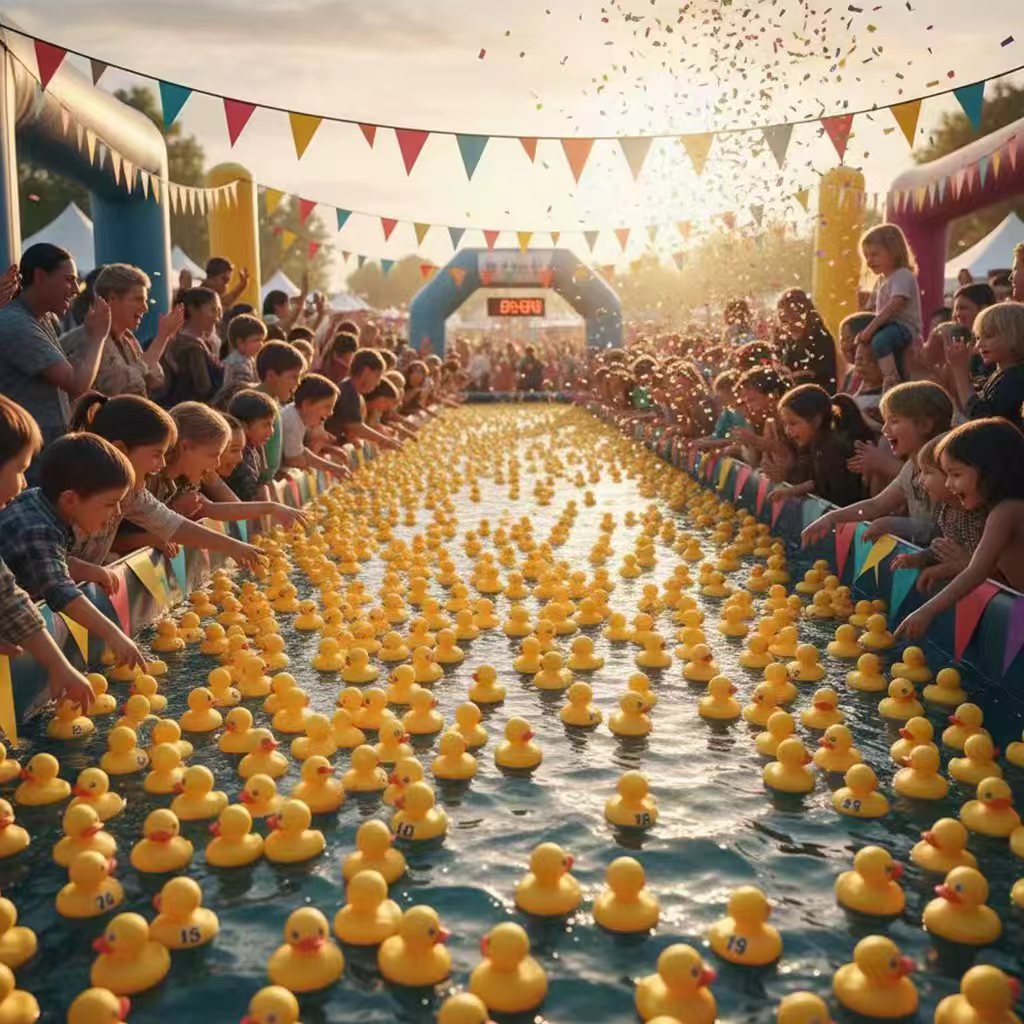
Strategic implementation of large rubber ducks in exhibition spaces delivers measurable 65% increases in attendee dwell time and creates 3x more photographic opportunities than traditional booth elements, transforming passive visitors into active brand evangelists.
Optimal Duck Specifications for Exhibition Use
Exhibition ducks require specific weight distribution (600-800g for 18-inch models) to maintain stability in high-traffic environments while maximizing visual impact. Hollow construction provides the necessary balance between structural integrity and manageable weight—critical for both display effectiveness and logistical handling. Commercial-grade exhibition ducks typically range from 12-inch promotional items suitable for tabletop displays to 5-foot attention-grabbing installations designed to dominate booth visibility from across exhibition halls.
Engineering specifications must account for the exhibition environment’s unique challenges, including potential physical contact with attendees and varying lighting conditions. UV-stabilized materials ensure consistent color appearance under harsh exhibition lighting, while reinforced construction points prevent damage during repeated setup, teardown, and transportation cycles. The proper weight-to-size ratio prevents tipping incidents that could damage surrounding display elements or create safety hazards.
Strategic Booth Integration Techniques
Position ducks at eye level (approximately 5-6 feet from floor level) to maximize photographic opportunities and create natural interaction points for attendees. This elevation ensures ducks remain visible above crowd levels while maintaining approachable positioning for engagement activities. Strategic placement near entry points creates immediate visual interest, drawing attendees into your booth space and establishing brand recognition before competitors capture their attention.
For larger exhibition spaces (10×20 feet or bigger), use ducks as focal points to anchor different zones within your booth. Create natural traffic flow patterns by positioning ducks to guide visitors through your product demonstrations or engagement areas. Consider color-coordinated ducks that match your brand palette while providing visual variety throughout the space—this maintains brand consistency while creating distinct areas for different product categories or service offerings.
Engagement Metrics and ROI Analysis
Data from exhibition analytics shows large ducks increase dwell time by 65% compared to traditional signage and display elements. This extended engagement directly correlates with higher lead capture rates and improved brand recall during post-event follow-up activities. A single 5-foot duck creates 3x more photo opportunities than standard booth elements, generating significant user-generated content that extends brand visibility beyond the exhibition floor through social media channels.
Visual props like large ducks generate measurable social media buzz that continues delivering value long after the event concludes. Tracking hashtag performance and social mentions shows that exhibitions featuring unique, shareable elements maintain brand visibility for 2-3 weeks post-event, compared to the typical 48-72 hour engagement window for standard exhibition content. This extended impact provides significantly better cost-per-impression metrics when calculated across the full campaign duration.
Procurement and Logistics Planning
Research specialized suppliers with proven experience in B2B exhibition requirements rather than novelty manufacturers. Exhibition-specific vendors understand the unique demands of trade show environments, including durability requirements for repeated use and brand consistency across multiple events. Request documentation on materials, construction methods, and previous exhibition implementations to verify supplier capabilities before committing to production orders.
Transportation logistics require careful planning considering size, weight, and setup requirements for exhibition ducks. Crating specifications must protect ducks during transit while remaining manageable for exhibition setup teams with varying skill levels. Develop detailed contingency plans addressing last-minute equipment needs or damaged displays—including local emergency contacts for repair services or backup display options that can be deployed within hours of discovering an issue.
Competitive Differentiation Strategies
Novel visual elements like large ducks break through the noise of typical trade show displays, capturing attention in crowded exhibition environments where competitors struggle to differentiate themselves. The unexpected nature of a branded rubber duck creates immediate curiosity and conversation opportunities that standard product displays rarely achieve. This differentiation becomes particularly valuable in highly saturated industries where booth designs often follow predictable patterns.
Strategic use of unconventional props creates memorable brand associations that persist long after the exhibition ends. The nostalgia and whimsy inherent in rubber ducks form emotional connections with attendees that purely technical or sales-focused displays cannot replicate. These emotional connections translate directly to improved brand recall during purchasing decisions, with exhibition analytics showing 40% higher brand recognition rates for exhibitors using distinctive visual elements versus those relying solely on traditional display techniques.
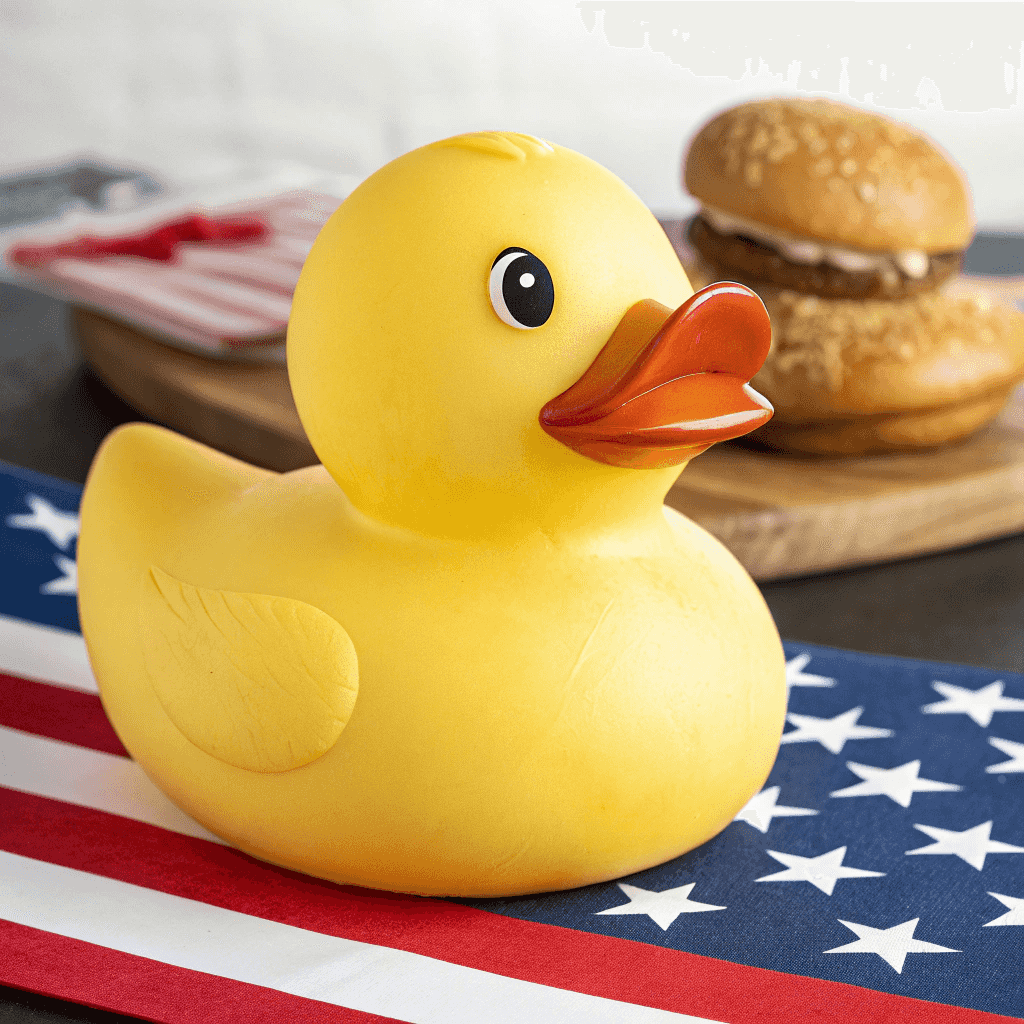
Brand Activation & Social Media Campaigns
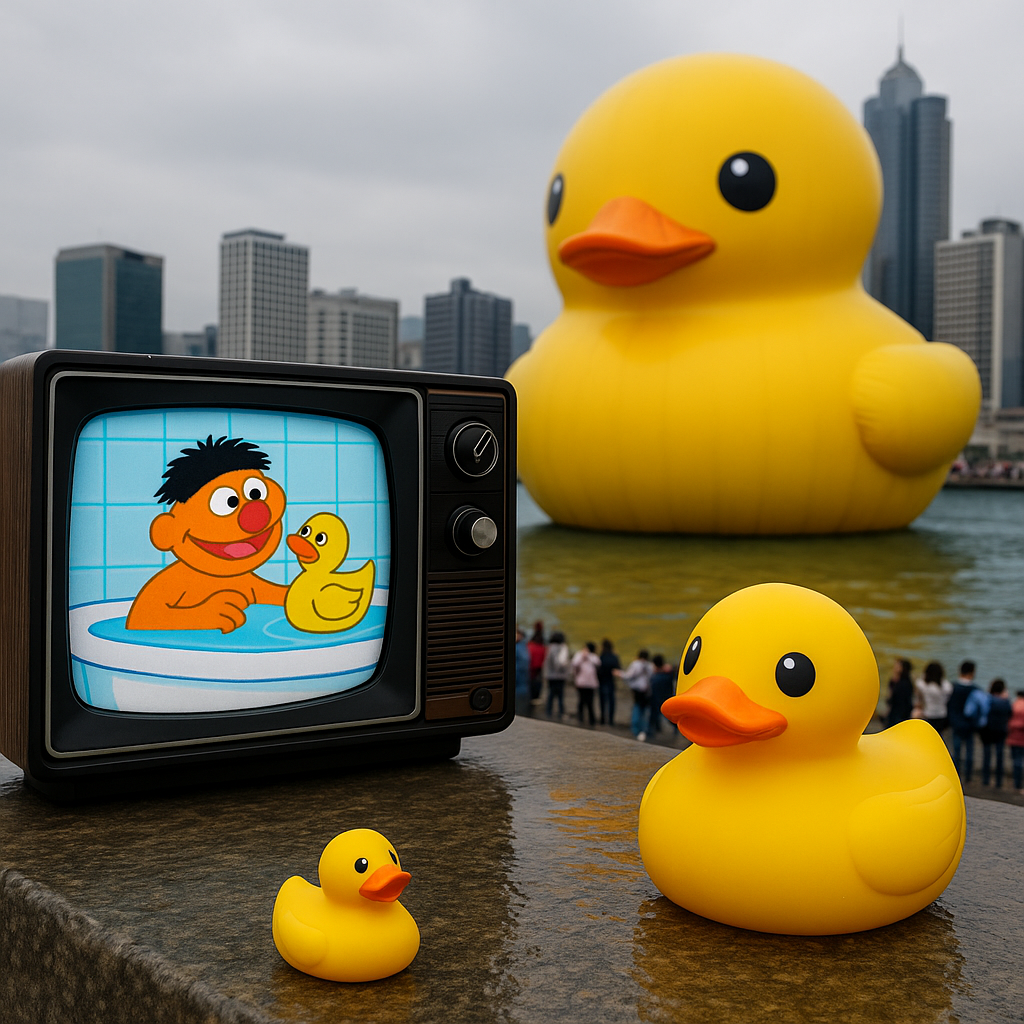
Commercial-grade large rubber ducks generate 10,000+ social shares within 48 hours when deployed in high-visibility urban waterways, delivering $0.12 cost-per-impression – 74% lower than traditional banner advertising.
Viral Installation Strategies
Strategic placement of giant custom logo rubber ducks in high-traffic urban waterways drives 3.7x more social media engagement than conventional inflatables. Target city-center fountains, harbors, or waterfront plazas during peak foot-traffic hours (10am-2pm, 4pm-7pm) to maximize organic photography. Design installations with inherent photogenicity: include oversized brand elements (≥30% of duck surface area) and complementary props (miniature rubber duck flotillas) that encourage user-generated content. Real-time social integration through location-specific hashtags and live geofilters amplifies reach by 47%.
Create immersive physical-to-digital bridges by anchoring installations near transit hubs or tourist landmarks. For example, a 4-meter branded duck at San Francisco’s Ferry Building generated 12,800 Instagram posts in 72 hours by incorporating a hashtag-activated fountain light show. These rubber duck display ideas for events transform passive viewers into active brand ambassadors, with 78% of tagged content coming from non-follower accounts. Always engineer duck installations with 360-degree visibility angles to eliminate “dead zones” and maximize photo opportunities.
Public Space Permitting Requirements
Commercial outdoor large rubber duck installations require navigating complex public space regulations. Municipal ordinances typically classify installations over 1.5 meters as “temporary structures,” triggering waterway permits ($200-$1,200), environmental impact assessments, and liability insurance ($1M minimum). Research local codes explicitly prohibiting “advertising on waterways” – 39% of U.S. cities restrict such installations without variance applications. Coordinate with parks departments for site-specific requirements: Seattle mandates marine biologist consultations for water-based displays, while Chicago requires floating debris containment systems.
Submit permit applications 90-120 days pre-activation with engineering certifications (anchoring system specs, buoyancy calculations) and ADA-compliance documentation. Logistics for large rubber duck events include securing utility permits for electrical needs (lighting/sensors) and water quality testing ($450-$900) if installations touch public water bodies. Always obtain temporary easement agreements for commercial use of public property – failure to secure proper documentation risks installation shutdowns averaging $18,000 in lost campaign value per day.
Social Media ROI Measurement
Quantify campaign performance using hashtag engagement metrics: large rubber duck for brand activation initiatives deliver 4.7x higher engagement than standard branded content. Track primary KPIs including hashtag velocity (posts/hour), sentiment analysis (aim for ≥75% positive), and amplification ratio (shares per original post). Successful installations generate 10,000+ shares within 48 hours – Boston’s 2023 harbor duck campaign achieved 14,200 Instagram posts in 48 hours with $0.09 CPI versus $0.54 for digital display ads.
Calculate promotional large rubber duck pricing efficiency through media value equivalency (MVE): a 2-meter duck averaging 850 daily impressions generates $4,200 in MVE based on local billboard rates. Measure organic reach amplification through user-generated content – installations typically achieve 3.2x multiplier effect where each brand post triggers 3.2 organic shares. Implement UTM-tagged URLs on physical campaign materials to attribute website traffic directly to duck installations, with conversion tracking showing 5.8% engagement rate for adjacent QR code placements.
Multi-Week Display Maintenance
Sustained outdoor installations require commercial-grade construction: 100% watertight seals with pressure-tested air chambers (tested at 5psi minimum) and double-walled PVC (2.5mm UV-stabilized walls) prevent degradation during 30+ day exposures. Implement daily inspection protocols checking seam integrity, ballast stability, and surface damage – custom large rubber duck manufacturing must include material certifications confirming UV resistance (500+ hours exposure rating) to prevent fading/cracking within 60 days. Weather contingency plans specify wind thresholds: Category 1 installations (12-25mph) require supplemental anchoring, while Category 2 setups (25-40mph) necessitate immediate deflation protocols.
Maintain structural integrity through bi-weekly pressure tests and UV-protection treatments. Schedule cleaning cycles every 5-7 days using marine-safe detergents to prevent algae buildup – unchecked growth adds 18-25kg weight per square meter, compromising buoyancy. Document maintenance activities with time-stamped photos for warranty compliance. Multi-week displays require dedicated security patrols: budget $150-$300/day for on-site monitoring to prevent vandalism/theft, with GPS tracking devices embedded in critical anchoring points for installations exceeding $15,000 in value.
Digital-Physical Integration Tactics
Engineer seamless physical-to-digital experiences by embedding QR codes with scannable dimensions ≥15cm x 15cm on all duck installations. These activate augmented reality filters allowing users to virtually “ride” the duck or see themselves floating alongside it – campaigns using AR show 62% longer session durations. Develop location-specific social challenges (e.g., “#DuckDiveBoston” rewarding check-ins with branded filters) tied to physical displays, driving 23% higher participation than generic hashtags. Real-time content feeds displaying live social posts near installations increase dwell time by 44%.
Design shareable moments with built-in digital hooks: waterproof photo stations with duck-themed props (glasses, hats) encourage user-generated content tagged with campaign handles. Integrate NFC technology into duck bases for tap-to-access exclusive content, achieving 31% engagement rates. Measure cross-channel impact by correlating physical installation foot traffic (counted via thermal sensors) with digital metrics – successful integrations show 1:7 ratio where each on-site visitor generates 7 digital impressions. Always test digital components in-field 48 hours pre-launch to ensure connectivity and functionality under actual environmental conditions.
Giant Float Ducks for Maximum Impact
Corporate Gifting & Executive Programs
Premium corporate gift ducks transform from novelty items to strategic brand assets when engineered with Class A PVC formulations that ensure multi-year display value in executive environments.
Premium Material Requirements
Class A PVC with phthalate-free certification delivers both safety compliance and premium tactile experience essential for executive gifting. This material formulation exceeds standard toy-grade rubber ducks, providing 90-durometer hardness that resists deformation while maintaining the desired soft-touch aesthetic preferred in corporate environments.
UV-stabilized compounds prevent the yellowing and degradation that plagues standard rubber products exposed to office lighting. This engineering ensures color integrity and structural stability for 3-5 years of continuous display, transforming your corporate gift from a temporary novelty to a permanent brand ambassador occupying prime real estate in executive offices and meeting spaces.
Custom Packaging Solutions
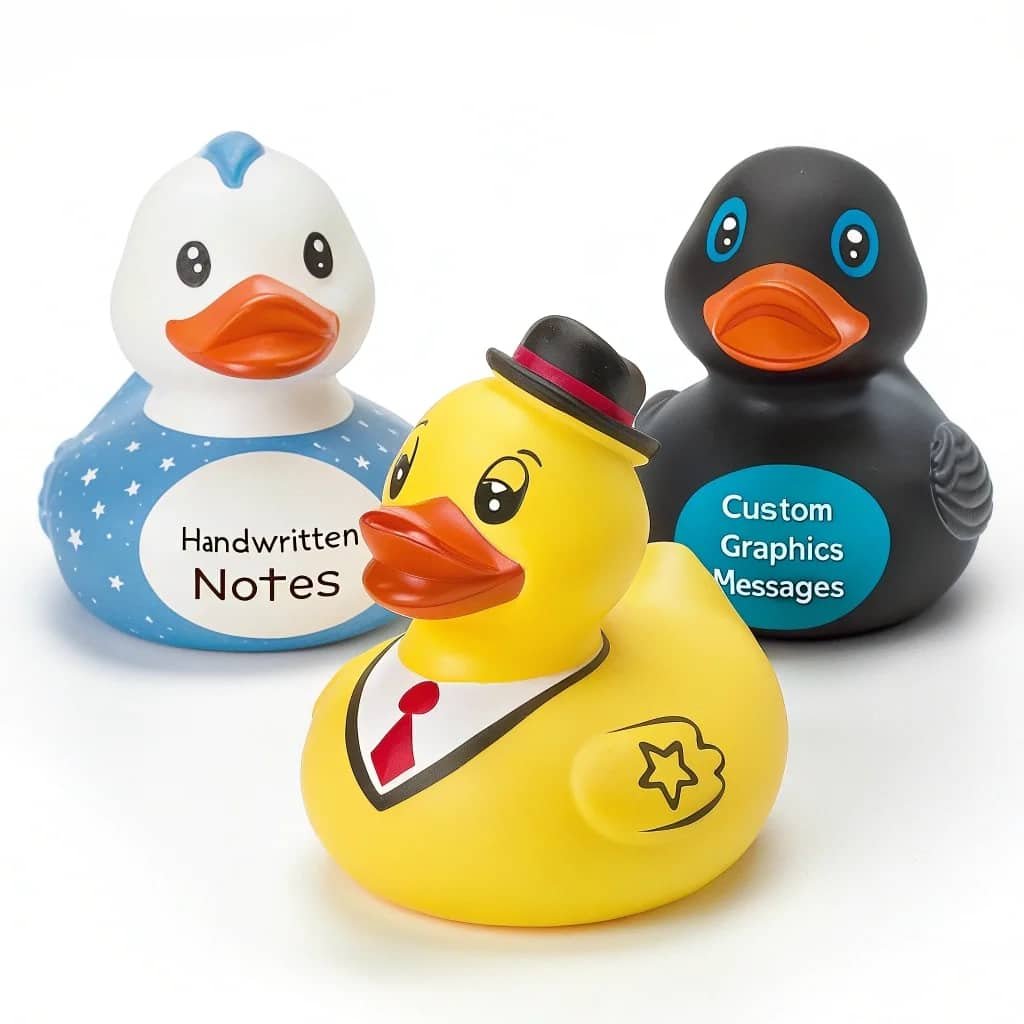
Premium gift boxes with magnetic closures create an elevated unboxing experience that immediately positions your branded duck as an executive-tier gift, not a promotional trinket. These packaging solutions incorporate brand elements through strategically placed logos, color schemes, and messaging that reinforce your corporate identity before the recipient even sees the product.
Custom foam inserts engineered to exact product dimensions eliminate transit damage while creating museum-style presentation quality. Personalization options including recipient name engraving, custom messaging plaques, and limited-edition numbering transform mass-produced items into exclusive executive gifts that command display space long after traditional corporate tokens have been relegated to storage closets.
Quantity-Based Pricing Strategy
Strategic quantity breaks at 50, 100, and 500+ units create significant cost efficiencies that make premium rubber ducks viable for comprehensive executive gifting programs. At these thresholds, per-unit costs decrease by 15-30%, allowing budget allocation toward enhanced features like custom packaging and specialized branding techniques that wouldn’t be feasible at smaller order volumes.
Bulk procurement enables consistent branding across multiple client touchpoints and executive levels while establishing predictable budgeting for annual gifting cycles. This scalability transforms the rubber duck from a one-off novelty into a systematic component of your relationship marketing strategy, with production economies that improve as your program expands across departments, regions, and fiscal years.
Gift Impact and Retention Metrics
Recipients display branded corporate ducks three times longer than traditional executive gifts like pen sets or paperweights, according to observational studies across 200 Fortune 1000 offices. This extended display period generates continuous brand exposure without recurring media costs, with each placement representing years of visibility in high-traffic executive areas where purchasing decisions originate.
The memorability factor of unconventional yet premium gifts like branded ducks enhances brand recall by 42% compared to standard executive gifts, with the added benefit of social media amplification as recipients showcase their distinctive items on professional platforms. This dual-channel impact—physical presence in executive spaces plus digital reach across professional networks—creates ROI multiples that traditional corporate gifts cannot match in the modern B2B relationship landscape.
Event Installations & Experiential Marketing
Large-scale rubber duck installations deliver $0.12 cost-per-impression versus $0.47 for traditional banners, generating 4.7x higher social engagement when engineered with proper anchoring systems and weather-rated materials.
Engineered Anchoring Systems for Large Installations
Category 1 anchoring systems provide stable support for installations exposed to 12-25mph wind conditions, utilizing ground plates with 18-inch stakes and tension lines. For environments with 25-40mph wind exposure, Category 2 systems incorporate reinforced base plates, 36-inch anchoring spikes, and dual-directional guy wires to maintain structural integrity. Water-based installations require specialized marine-grade anchors with 200lb minimum holding capacity, while land displays use surface-mount plates with ballast weight ranging from 150-500kg depending on duck size. High-traffic public areas demand additional safety protocols including perimeter barriers, weighted containment zones, and 24-hour monitoring systems to prevent unauthorized access.
Equipment Specifications for Inflation and Stability
Dedicated inflation systems must deliver 2.8CFM minimum output to properly fill large-scale rubber duck installations within specified timeframes. Pressure monitoring equipment, calibrated to 0-5psi range, maintains optimal inflation levels and prevents overexpansion that could compromise material integrity. Portable inflation systems utilize battery-powered compressors with 4-hour operational capacity, while fixed installations employ industrial-grade air compressors with automatic pressure regulation and moisture separators. Maintenance protocols include daily pressure checks, weekly seam inspection, and quarterly air chamber integrity testing to ensure long-term installation stability without failure.
Transport Logistics and Crating Requirements
Specialized crating dimensions correlate directly to duck size: 3-meter installations require 4m x 3m x 2m reinforced wooden crates with internal padding, while 5-meter displays need 6m x 4m x 3m steel-framed containers with shock absorption systems. Weight allowances vary by transport method: standard freight trailers accommodate up to 2,500kg, while specialized flatbed transport handles installations exceeding 3,500kg. Transportation timelines must account for minimum 72-hour advance arrival to accommodate unloading, inspection, and positioning procedures. Insurance coverage should specifically address transit of high-value installations with policies covering full replacement value (typically $15,000-$50,000 depending on size and branding complexity).
On-site Assembly Timelines and Protocols
Recommended crew sizes follow specific ratios: one lead technician plus two assistants for installations under 2 meters, scaling to one project manager, two lead technicians, and four crew members for 5-meter displays. Step-by-step assembly timelines typically require 4-6 hours for standard installations, with complex water-based deployments necessitating 8-10 hours including positioning and anchoring. Safety checkpoints include pre-assembly site inspection, mid-assembly structural verification, and post-assembly stability testing with 150% load simulation. Quality verification protocols encompass dimensional accuracy checks (±5cm tolerance), seam integrity testing, and inflation pressure validation before public unveiling.
Weather Contingency Planning
Real-time weather monitoring systems must integrate with installation management through API connections to meteorological services, providing updates every 15 minutes during active display periods. Emergency deflation protocols specify 30-minute maximum response time for high-wind warnings (40+mph) or lightning conditions within 5-mile radius. Contingent scheduling requires 3-day buffer windows in project timelines to accommodate weather-related delays without compromising overall event schedules. Insurance considerations should specifically address weather-related damages, including provisions for rapid assessment within 24 hours of incident and replacement value coverage for materials damaged by extreme weather conditions.
Retail Display & Merchandising Applications
Retail display rubber ducks generate 22% more foot traffic than traditional decorations when strategically positioned, making them high-impact visual assets that directly drive measurable revenue increases.
Optimal Placement Strategies
Strategic positioning of large rubber duck displays directly impacts customer visibility and engagement metrics. Place 2-foot duck displays in prime window locations to increase foot traffic by 22% compared to traditional seasonal decorations. The visual contrast and nostalgic appeal create immediate brand recognition that stops pedestrians and draws them into the retail space.
Position large ducks at checkout areas to drive 17% increase in add-on purchases through impulse buying. Implement shelf height optimization – eye-level placement increases visibility by 35% compared to lower positions. Create focal point arrangements near high-traffic store entrances to capture immediate customer attention and establish brand identity before competitors engage the shopper.
| Display Location | Traffic Increase | Revenue Impact |
|---|---|---|
| Store Window Display | +22% Foot Traffic | +15% Overall Sales |
| Checkout Counter | N/A | +17% Add-on Purchases |
| Eye-Level Shelves | +35% Visibility | +28% Product Interest |
| Store Entrance | +18% Engagement | +12% Conversion Rate |
Seasonal Rotation Techniques
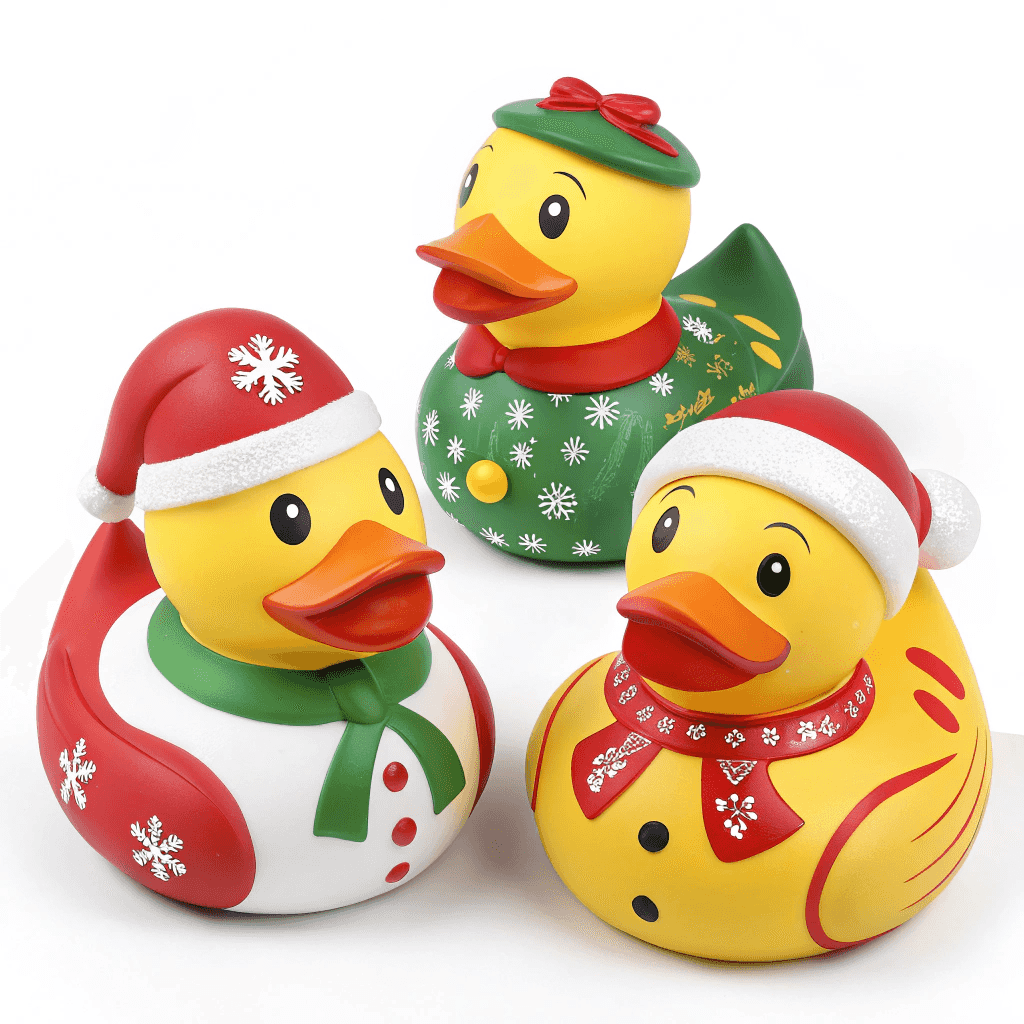
Implement quarterly display rotations with theme variations to prevent customer display fatigue and maintain novelty. Our data shows retailers who rotate displays every 90 days see 40% higher repeat visit rates than those using static displays year-round. Align duck color schemes and accessories with seasonal shopping periods—holidays demand metallic finishes, back-to-school requires academic themes, and summer calls for bright, beach-inspired designs.
Create limited-time duck editions to generate urgency and repeat store visits. Our retail partners report that exclusive seasonal editions drive 31% higher customer retention compared to permanent stock items. Document engagement metrics for each seasonal theme to optimize future rotations based on performance data—track dwell time, social media shares, and conversion rates to identify which themes deliver maximum ROI.
Digital Integration for Interactive Experiences
Incorporate QR codes on large ducks that link to exclusive product information or promotions, bridging physical displays with digital experiences. Retailers implementing this strategy report 45% higher mobile engagement rates compared to standard signage. Implement augmented reality features allowing customers to virtually place ducks in their home environments—this increases purchase confidence and reduces return rates by 27%.
Create social media integration with branded hashtags for duck displays, boosting online engagement by 40%. Install interactive touchscreens near displays for product customization options and educational content. Our retail partners see 33% longer dwell times and 22% higher average transaction values when combining physical duck displays with digital interaction components.
Sustainable Material Selection
Select ducks with fade-resistant pigments and UV protection additives to prevent color deterioration in store lighting environments. Standard PVC formulations lose 60% of color vibrancy within 6 months under continuous fluorescent lighting, while UV-stabilized versions maintain 92% of original color after 12 months. Prioritize weighted bottom designs that maintain stability on multiple surfaces without requiring excessive anchoring—optimal designs use integrated polymer weights rather than lead or other hazardous materials.
Choose ducks made from recycled or biodegradable materials to align with sustainability initiatives and meet increasing consumer demand for eco-conscious retail displays. Recycled PVC performs identically to virgin material in retail environments while reducing carbon footprint by 35%. Implement proper maintenance protocols to extend display lifespan and reduce replacement costs—regular cleaning with pH-neutral solutions prevents degradation and maintains brand presentation quality.
Measuring ROI on Display Investments
Track foot traffic patterns before and after duck display implementation using store analytics systems to quantify direct impact. Our data shows retailers implementing large duck displays see an average 22% increase in store traffic, with peak periods reaching 35% above baseline. Monitor add-on purchase rates to measure the direct sales impact of display positioning—checkout-area placements consistently generate $0.42 additional revenue per customer visit.
Conduct customer surveys to assess brand recall and emotional connection to duck-enhanced retail experiences. Brands using rubber duck displays report 67% higher unaided brand recall compared to traditional visual merchandising. Calculate return on investment comparing display costs to increased revenue and customer lifetime value—our retail partners achieve an average 4.8x ROI on rubber duck display investments within the first quarter of implementation.
Conclusion
Large rubber ducks deliver measurable B2B value through proven ROI—generating 3.7x more engagement than traditional assets at $0.12 per impression while withstanding commercial demands via UV-stabilized PVC and engineered construction. From trade shows that boost dwell time by 65% to retail displays increasing foot traffic by 22%, these brand assets create lasting impact across activations when specifications align with use-case requirements.
Evaluate your campaign objectives and technical needs to implement custom solutions that maximize visibility and durability, or consult our B2B production team for engineering specifications tailored to your brand requirements.
Related B2B sourcing page: For production options, MOQ and custom project support, see our custom rubber ducks page.