Skip to content
Print-Ready Artwork Files for Rubber Ducks: What Factories Need (AI, PDF, EPS, 300 DPI)
The most common reason a rubber duck artwork file gets rejected is not bad design; it is the wrong file format wearing the right logo. A factory receiving a 72-dpi PNG copied from a website cannot print it at duck scale, and the artwork that looked crisp on a laptop screen turns into a soft,…
How to Add Brand Logos to Rubber Ducks Without Losing Detail

Day 1 you place the order for logo rubber ducks, confident in the Pantone code and the vector file you sent over. Day 14 the pre-production sample arrives, and the logo looks sharp on a flat desk. Day 45 the container lands at your warehouse, and that crisp 8pt serif font is now a smudged,…
Gift Rubber Ducks: 3 Quality Checks to Avoid Production Disasters
Why does your pre-production sample for gift rubber ducks look flawless, but the full production run arrives with logos peeling and colors that miss the Pantone match by three shades? I watched a buyer eat a $50,000 order on a subscription box program because the sample approval process skipped one critical check: the difference between…
Custom Rubber Duck Finish Comparison: Matte vs Gloss
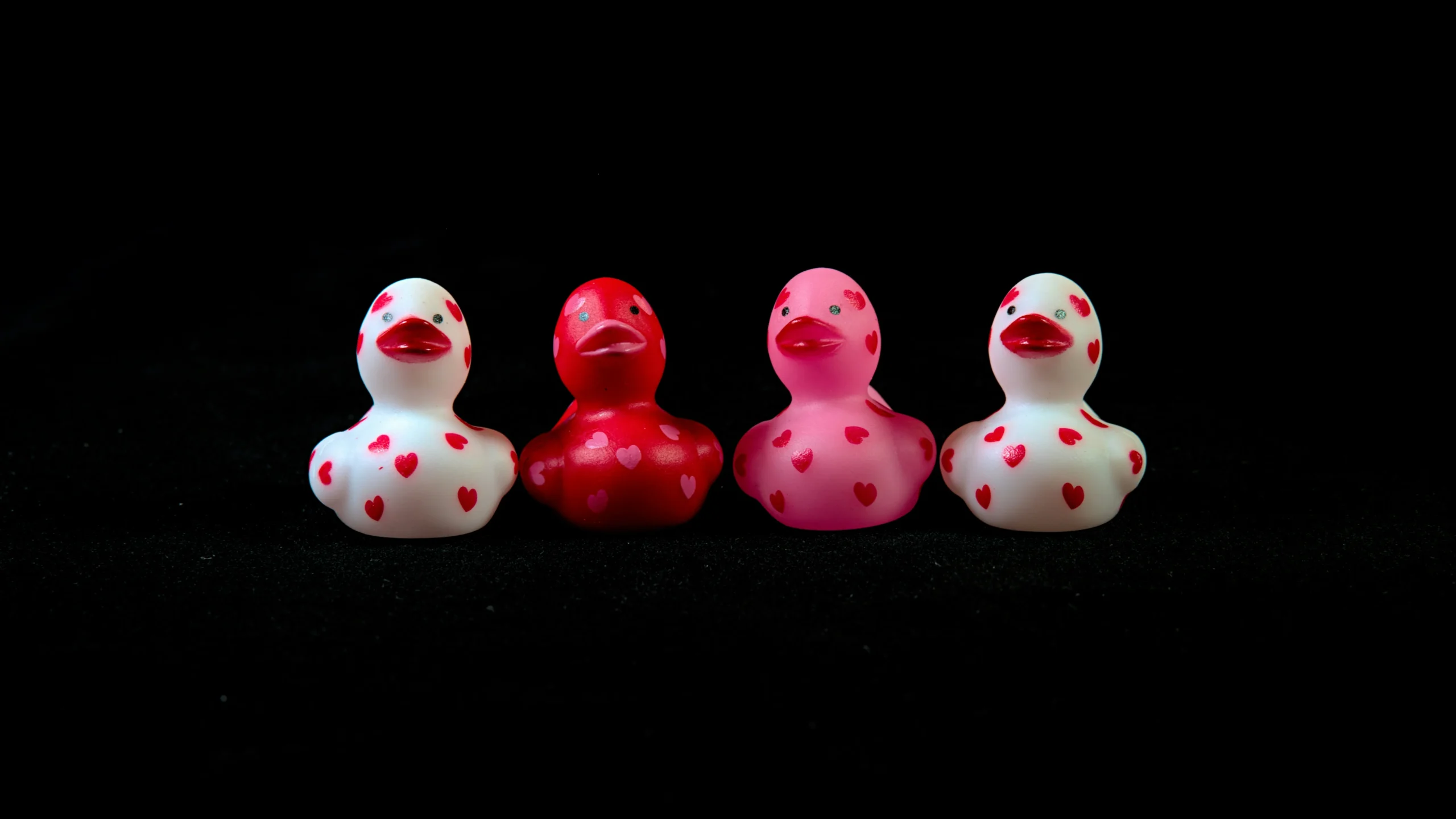
custom rubber duck finish durability is the first checkpoint buyers should lock before they approve a supplier, budget, or production slot. I watched a brand manager unbox 5,000 custom rubber ducks at a trade show last year and saw her face drop. The pre-production sample approval had been perfect — high-gloss, vibrant logo, zero defects….
UV Printing vs. Pad Printing for Custom Rubber Ducks
See when UV printing may outperform pad printing for detailed custom rubber duck logos, based on a real production case and artwork review checklist.
Custom Rubber Ducks Production: 4 Stages of Lead Time
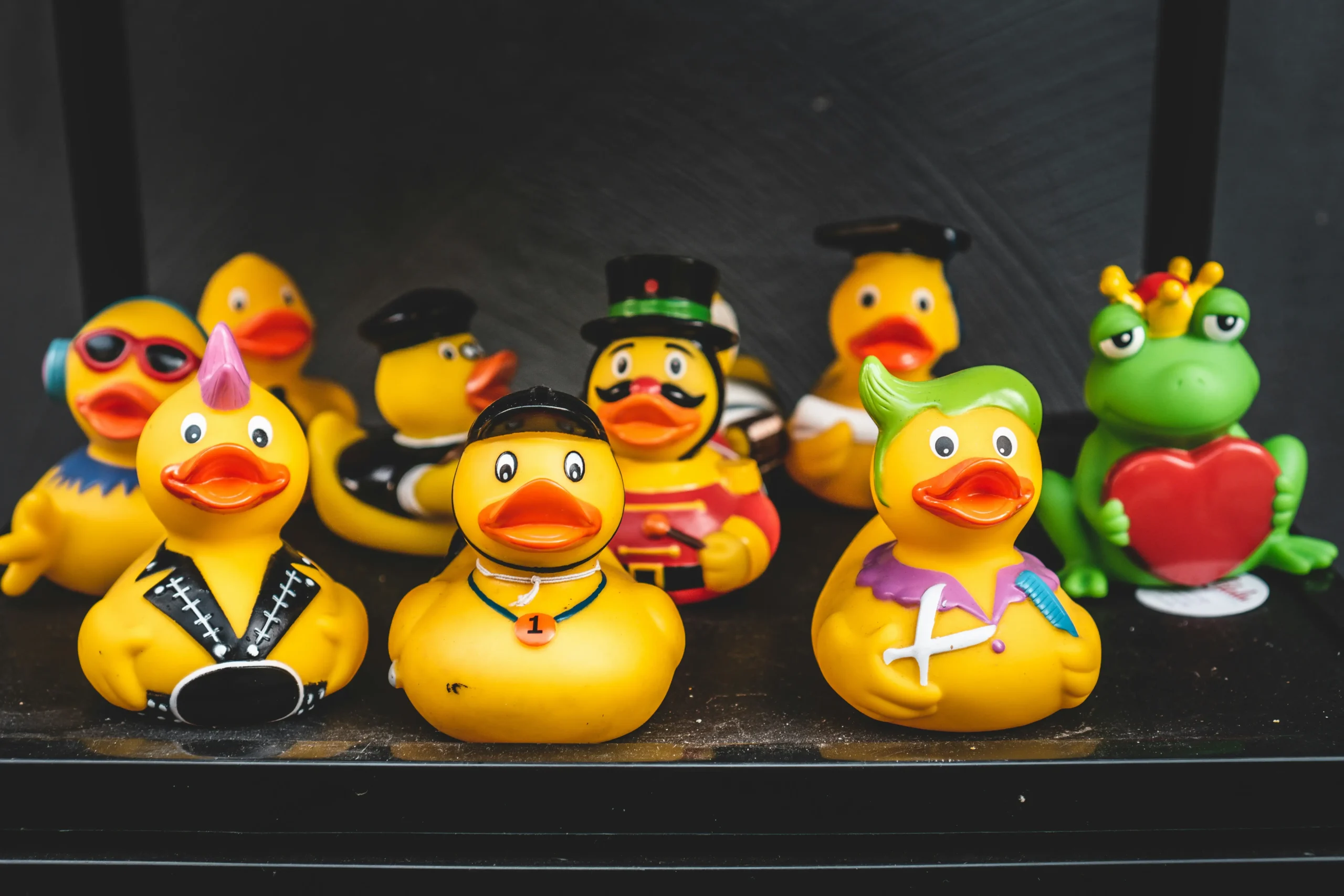
You can nail down the custom rubber ducks lead time to the day, only to watch that timeline disintegrate when the mass production run arrives looking nothing like the pre-production sample. I’ve seen it happen more times than I care to count — a buyer signs off on a perfectly painted sample, then three weeks…
Custom Rubber Duck Squeaker Failure: 3 Fixes That Work

squeaker failure fix is the first checkpoint buyers should lock before they approve a supplier, budget, or production slot. You finalize a sample approval for a $50K custom rubber duck order—pre-production sample squeaks perfectly, color matches your brand deck, and the client signs off on FOB pricing. Then the full container arrives, and 40% of…
Rubber Duck Safety Testing: How to Verify Supplier Claims

Rubber duck safety testing is often treated like an afterthought until a $50,000 container lands with ducks that look nothing like the approved sample. The disconnect between pre-production sample approval and mass production is where most buyers get burned — the paint shade shifts, the material feels different, and thechemical compliance paperworkturns out to be…
Pantone Colors on Custom Rubber Ducks: Match or Miss?
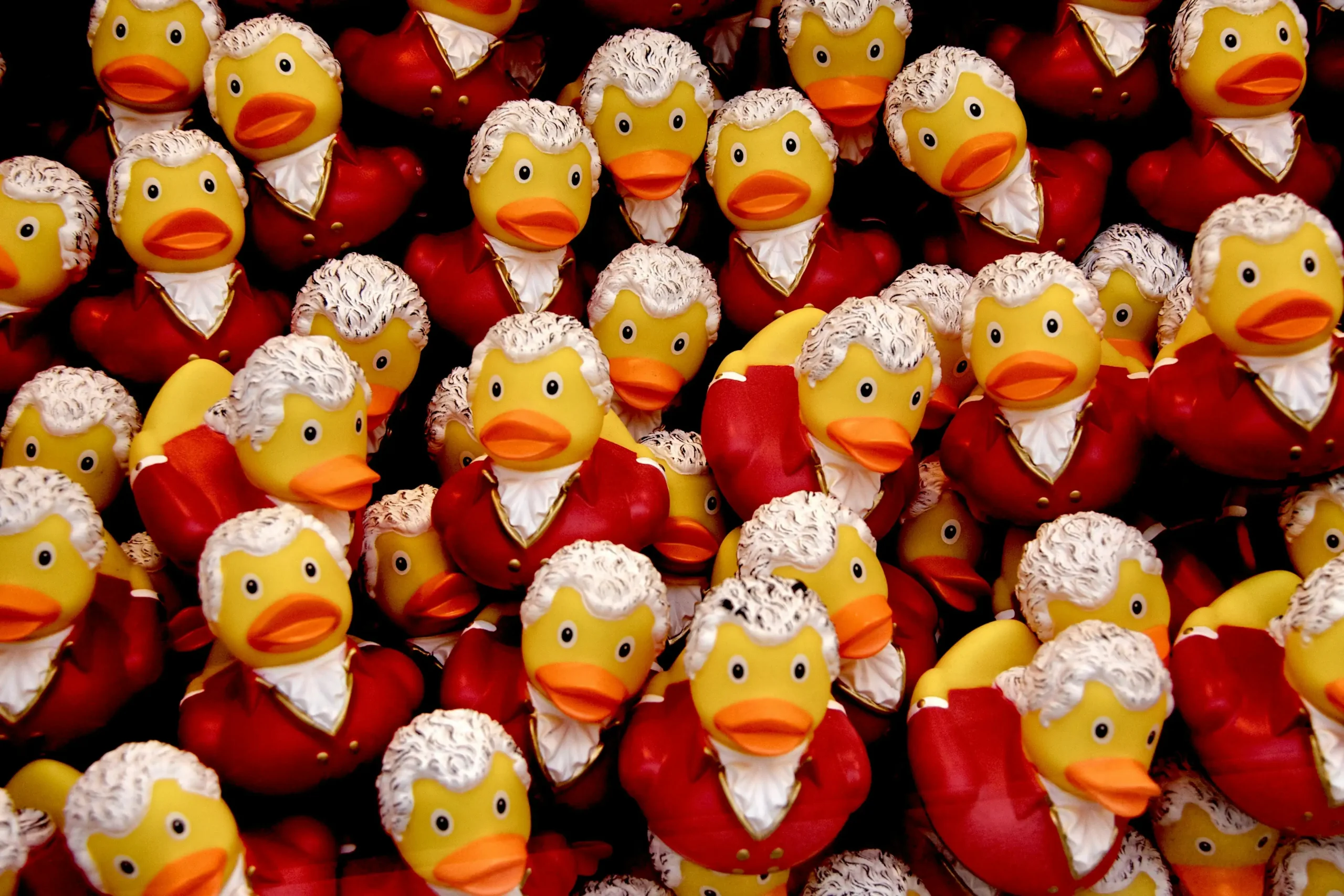
custom rubber ducks pantone is the first checkpoint buyers should lock before they approve a supplier, budget, or production slot. You sign off on the pre-production sample. It looks perfect under the office lights — that signature blue is dead on. Six weeks later, the full container arrives for your Q3 campaign launch. You open…
Custom Rubber Duck Colors: White Base Prevents Color Mismatch
Every article you read about custom rubber ducks colors tells you the same thing: send your Pantone number and trust the pre-production sample. That advice burned a buyer I worked with on a $50,000 order. The sample looked perfect, but the mass production run came out a muddy version of their brand blue. The problem…