Skip to content
Logo Placement on Rubber Ducks: Front, Top, Side, and Belly Options

Logo Placement on Rubber Ducks: Front, Top, Side, and Belly Options Where a logo goes on a rubber duck matters more than on most products. A duck has no single flat angle; it has a chest, a head, a back and a belly, and each one takes a print differently. Put a logo where the…
Gradient and Multi-Color Printing on Rubber Ducks: Limits and Costs
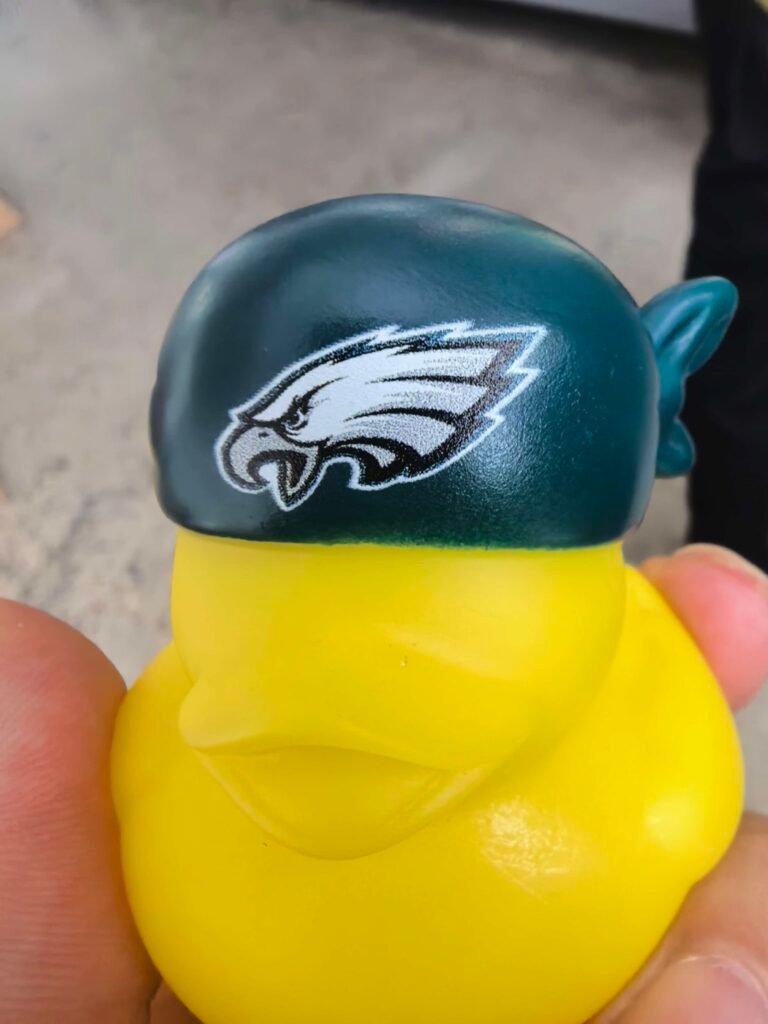
How gradient and multi-colour printing works on a rubber duck, the method limits, durability and coating, and how the cost and MOQ move.
Two-Tone Rubber Ducks: How Multi-Color Molding Works

Two-tone ducks are not painted twice; they are planned twice, and the planning happens in the mold and the process route. A duck with a yellow body and a red beak, or a white top fading into a translucent blue base, looks like one colorful product but is usually the output of a deliberate color-separation…
Hollow vs Solid Rubber Ducks: Feel, Float, and Bulk Pricing Compared
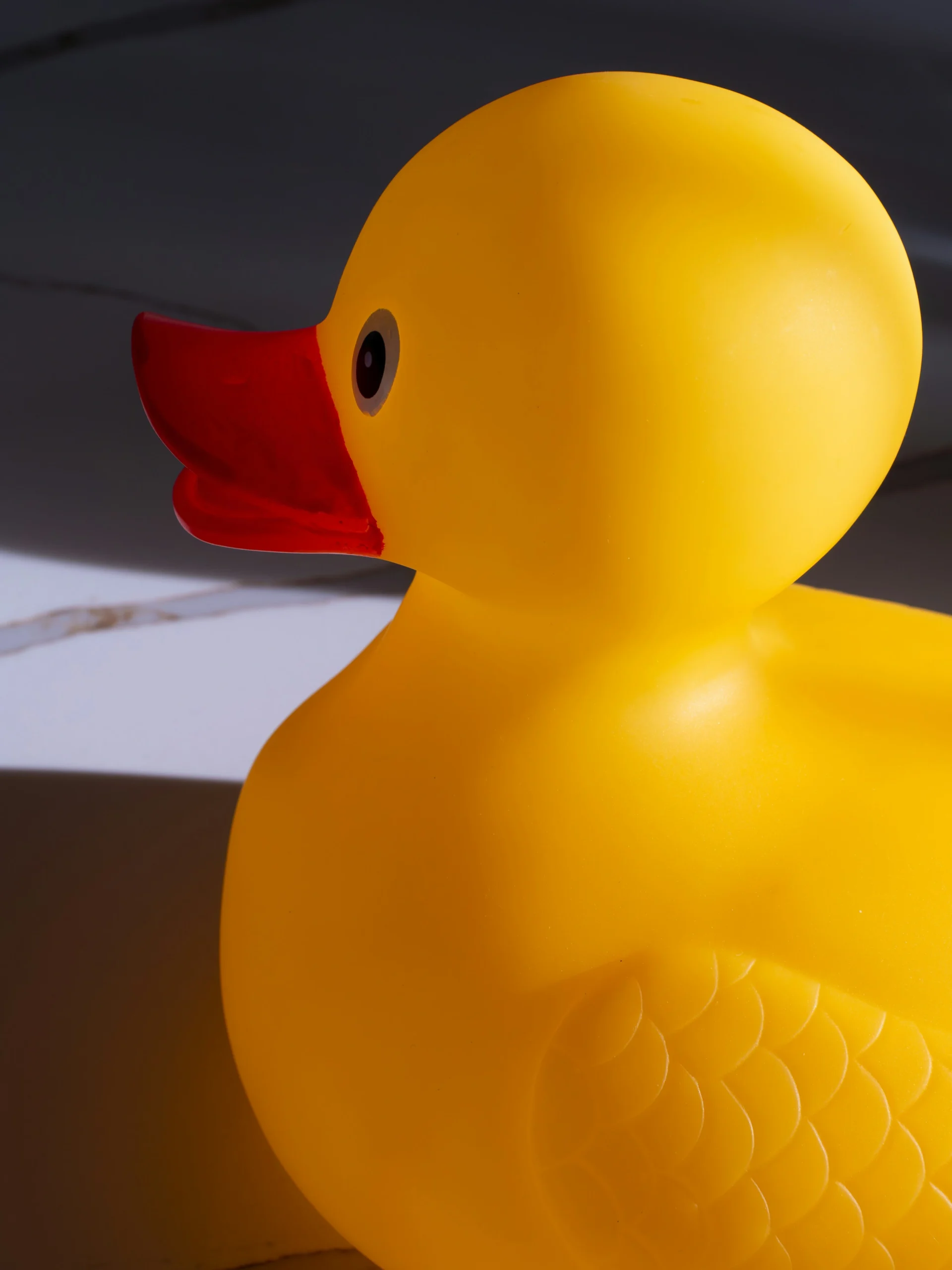
When a buyer asks for “a rubber duck,” the factory hears a hollow one: the classic bath duck is rotationally molded with a sealed air chamber, and the squeaker lives inside that chamber. Solid ducks exist for a different set of jobs, and the two constructions differ in feel, float behavior, durability, and what they…
Mold Ownership, Storage, and Reorders: What Happens After Your Duck Mold Is Made
Commissioning a custom rubber duck mold is a significant investment — both financially and in terms of design effort. Once that mold is created, understanding who owns it, how it should be maintained, and how to leverage it for future orders is essential to maximizing your return on investment. Mold Ownership: Who Holds the Rights…
Custom Shape vs Logo-Only Ducks: Which Upgrade Pays Off First?

A logo-only duck gets your logo seen. A custom-shape duck gets your logo photographed, posted and kept. The question for brands moving from the first to the second is not “which looks better” — it is whether the upgrade pays for itself: mold cost, minimum quantities, lead time, and the retention lift that a shaped…
3D-Printed Prototypes vs Molded Samples: When to Use Each

definition 3D-Printed Prototypes vs Molded Samples: When to Use Each — a B2B guide from a leading rubber duck manufacturer covering specifications, sourcing, and customization. data_statements Content grounded in factory production data, international standards, and verified shipping logistics from China. qa_concise Quick answers to common questions about rubber duck prototype 3d printing for B2B buyers…
How Much Does a Custom Rubber Duck Mold Cost? A Breakdown for First-Time Buyers

The Real Numbers Behind Custom Duck Tooling — No Jargon, No Markup Every first-time buyer hits the same wall: the manufacturer quotes a custom rubber duck mold cost and the number looks nothing like what was expected. Some factories say $500. Others say $5,000. A few throw in “free mold” and bury the tooling charge…
Design Revisions on Custom Ducks: How Many Rounds Should You Budget?

Every custom rubber duck order includes at least one design revision, and most include more. The question buyers should answer before signing a quote is not whether revisions will happen, but how many rounds to plan for and where the free rounds end. A brand that treats the mockup as a real checkpoint spends a…
How to Read a Rubber Duck Mockup: 7 Details to Check Before You Approve

The mockup is the single most important checkpoint in the custom rubber duck production process. It is the moment where you see, for the first time, how your brand logo, colors, and design translate from a digital file onto a three-dimensional object. A careful mockup review catches problems while they cost nothing to fix. A…