Skip to content

Swag bags have a waste problem, and 2026 is the year buyers stopped ignoring it. Every event cycle the same scene plays out: attendees open the bag, keep the useful item, and leave the filler on the table. The promotional products industry, worth roughly $27.7 billion in the United States, has spent the last two years measuring this behavior, and the data changed what belongs in the bag. Industry research shows 63 percent of consumers keep and use promotional products regularly, and 51 percent remember the brand that gave them one; the items that earn those numbers are not the cheapest ones.
This guide walks through the swag bag trends that define 2026: what attendees actually keep, why usefulness replaced novelty-for-its-own-sake, and where rubber ducks fit a budget that now demands proof before purchase.
| Trend | What changes | Effect on buyers |
|---|---|---|
| Keep-value test | Items must earn a second life | Budgets move to display pieces |
| Desk-ready items | Consumables lose ground | Cost per impression decides |
| Photogenic giveaways | Organic reach becomes a goal | Design for the photo moment |
| Checked sustainability | Claims need documents | Certificate files enter the RFQ |
| Niche beats generic | Mascot and theme items win | Custom molds earn their fee |
| The bag fades | Items ship or drop individually | Packaging and timing matter more |
| Proof over habit | ROI follows the item home | Measurement starts at selection |
The Keep-Value Test Replaces the Free-Stuff Test
The single biggest shift in 2026 is the question buyers ask before ordering: would the attendee keep this at home, not just take it here? The PPAI research on why consumers take and keep promo products documents the reasons behind retention, and the answer consistently lands on usefulness and emotional connection. A pen is useful until it runs out; a sticker is useful until the laptop lid fills; a display item keeps working for years.
The keep-value test has a mechanical version: 67 percent of consumers say usefulness is the most desirable quality in a promotional product, per the Vistaprint 2025 survey. Items that pass the test get budget; items that fail get cut. That is why the 2026 swag bag looks smaller and better, with three items that each justify their place instead of twelve items that mostly justify the bag’s existence.
For planners, the test changes the math. A $0.85 item that sits on a desk for three years beats a $0.20 item that sits in a landfill after the event. The keep-value test is not a quality argument; it is a cost-per-impression argument.
Desk-Ready Items Beat Consumables
The 2026 trend that favors rubber ducks is the migration from consumables to desk-ready objects. Pens, stress balls, and lip balm are still ordered, but they are now the filler layer, not the centerpiece. The centerpiece is the item that earns a permanent spot: a custom duck with the brand logo, a desktop figurine, a plant kit, a quality notebook. These items carry the 63 percent keep-and-use number because they stay visible.
The economics work because the category is cheap at scale. A custom rubber duck runs about $0.80 to $0.85 per unit at the 1,000-piece minimum and drops below $0.50 per unit at 5,000-plus pieces, which puts a desk-ready branded object in the same budget band as the consumables it replaces. The visible-life difference is what separates them: months or years of brand exposure instead of a single use.
Bulk duck programs sit on this trend. The bulk rubber ducks line is built for event quantities, with the 1,000-piece MOQ sized to a mid-size conference and the 5-million-ducks-a-month capacity sized to a national campaign.

Photogenic Giveaways Drive Organic Reach
2026 budgets quietly added a new line: the photo moment. Attendees photograph what looks good, and every post extends the giveaway beyond the venue. The rubber duck giveaway ROI framework already treats social sharing as a measurable channel, and 2026 items are designed with that channel in mind: strong color, recognizable shape, and a surface that photographs well from a phone.
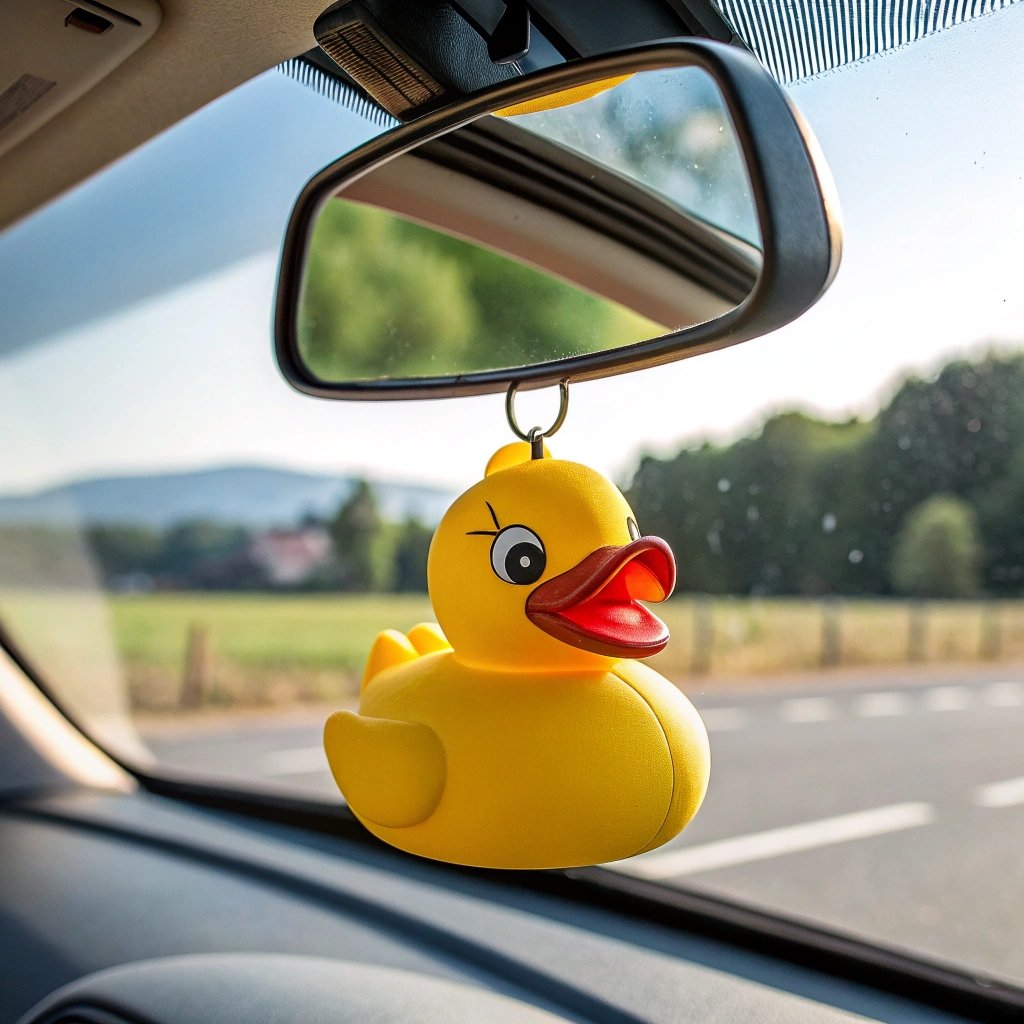
A duck is a natural photo object. It is three-dimensional, brightly colored, and slightly absurd on a desk or dashboard, which is exactly the combination that earns posts. The same design discipline that makes the item photogenic also makes it memorable, which is why 51 percent of consumers remember the brand behind the product they kept.
Planners should brief the factory for the photo moment: Pantone-matched brand colors, a clean logo on the belly print zone, and a shape that reads well in a thumbnail. The mockup stage is where that brief becomes visible, before 1,000 ducks make the decision for you.
Sustainability Claims Are Now Checked
The 2026 attendee reads labels the way 2020 attendees read nutrition facts, and brands have noticed. Recycled-content claims, eco packaging, and sustainability statements all get checked, which means the item file now travels with the item. A claim without a certificate is a liability in an industry where swag spend follows trust.
For ducks, the verifiable route is GRS-certified recycled content, and buyers who order it should ask for the scope certificate and the recycled percentage in the specification. The certificate does the selling in procurement meetings, and it protects the brand when a customer asks the question directly.
The trend also changes packaging. Recyclable polybags, minimal inserts, and a smaller bag footprint all read as intentional, and they cost little at order time. Sustainability in 2026 is a documentation task as much as a material task.
Niche and Novelty Beats Generic
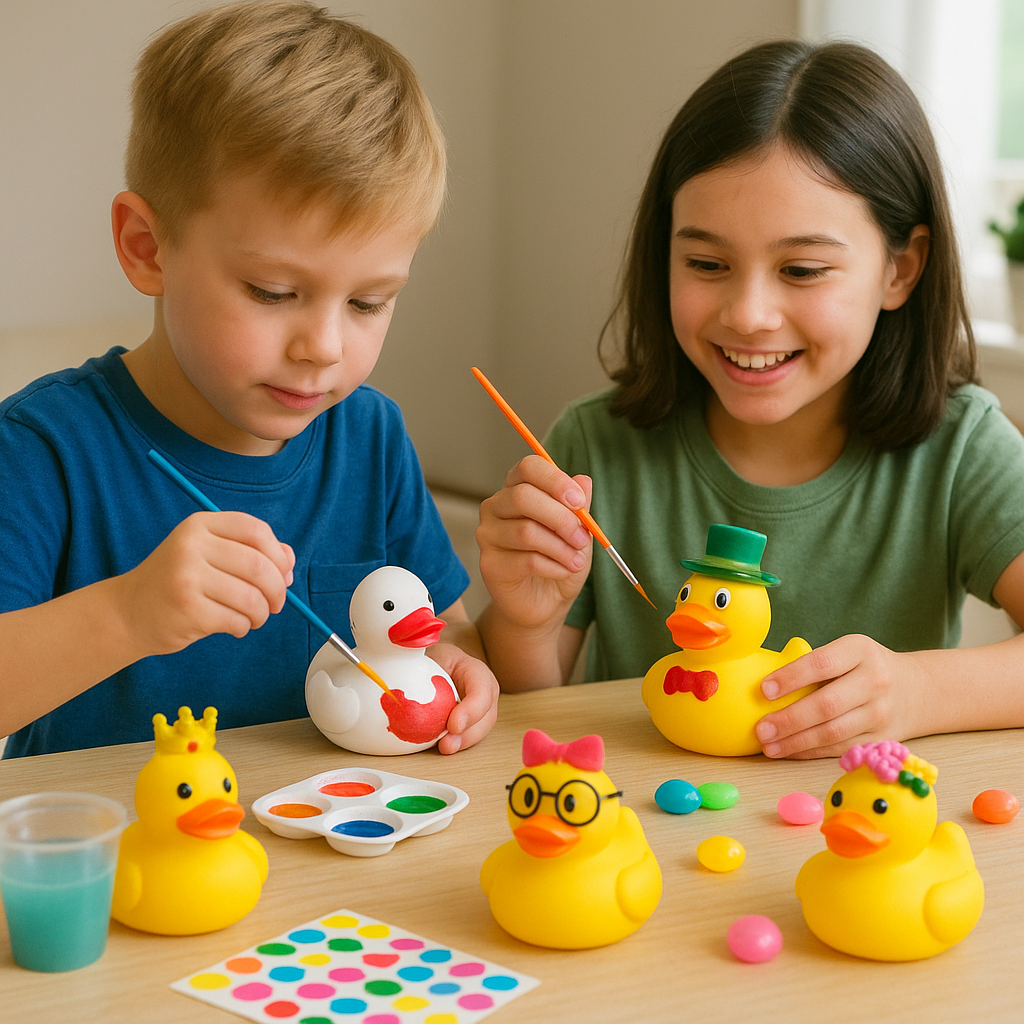
Generic swag is in retreat because generic has no story. Mascot ducks, occupational themes, and custom shapes carry a reason to exist, and that reason is what gets the item kept. The novelty category is where rubber ducks always lived, and 2026 rewards it: an item with character out-keeps a plain logoed item of the same price.
The production math supports the trend. A pad printing plate runs $50 to $150 and stamps 50,000 ducks, so a mascot print or a themed design adds little per unit at event quantities. Custom shapes add a mold investment, which is worth it when the campaign repeats across a season or a franchise.
The lesson for planners: pick the item that has an identity, then put the logo on it. The identity earns the keep; the logo earns the recall.
Items That Win the Keep Test in 2026
The keep test sorts swag into four tiers, and the tiers explain the 2026 budget shifts. Desk displays lead: custom ducks, figurines, and small branded objects that live in a workspace for years. Practical wearables follow: quality tees, caps, and tote bags that get worn because they are worth wearing. Useful tech and accessories sit third, from chargers to cable organizers, items that earn their keep through daily use. Consumables close the list: snacks, pens, and lip balm, which keep the bag feeling generous without pretending to be durable.
The budget math rewards the top tier. A custom duck at $0.85 per unit for a 500-attendee event costs about $425; at 5,000 attendees the unit price drops below $0.50, and the total lands near $2,500. Compare that with a mid-tier tech item, which typically runs $3 to $5 per unit (a planning estimate for comparison), and the duck line buys a desk-visible item for a fraction of the cost, leaving room in the bag for the consumable layer that keeps it fun.
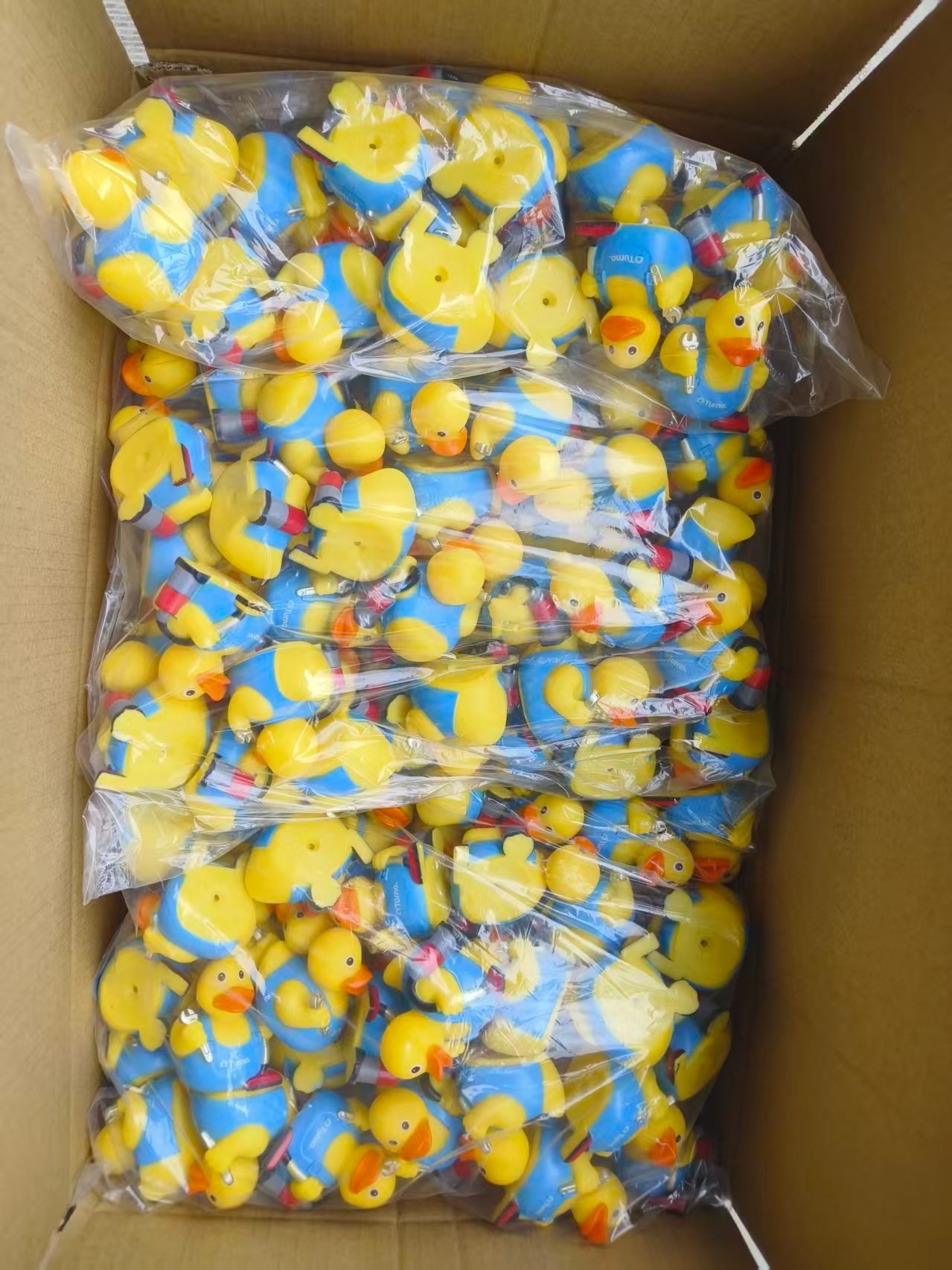
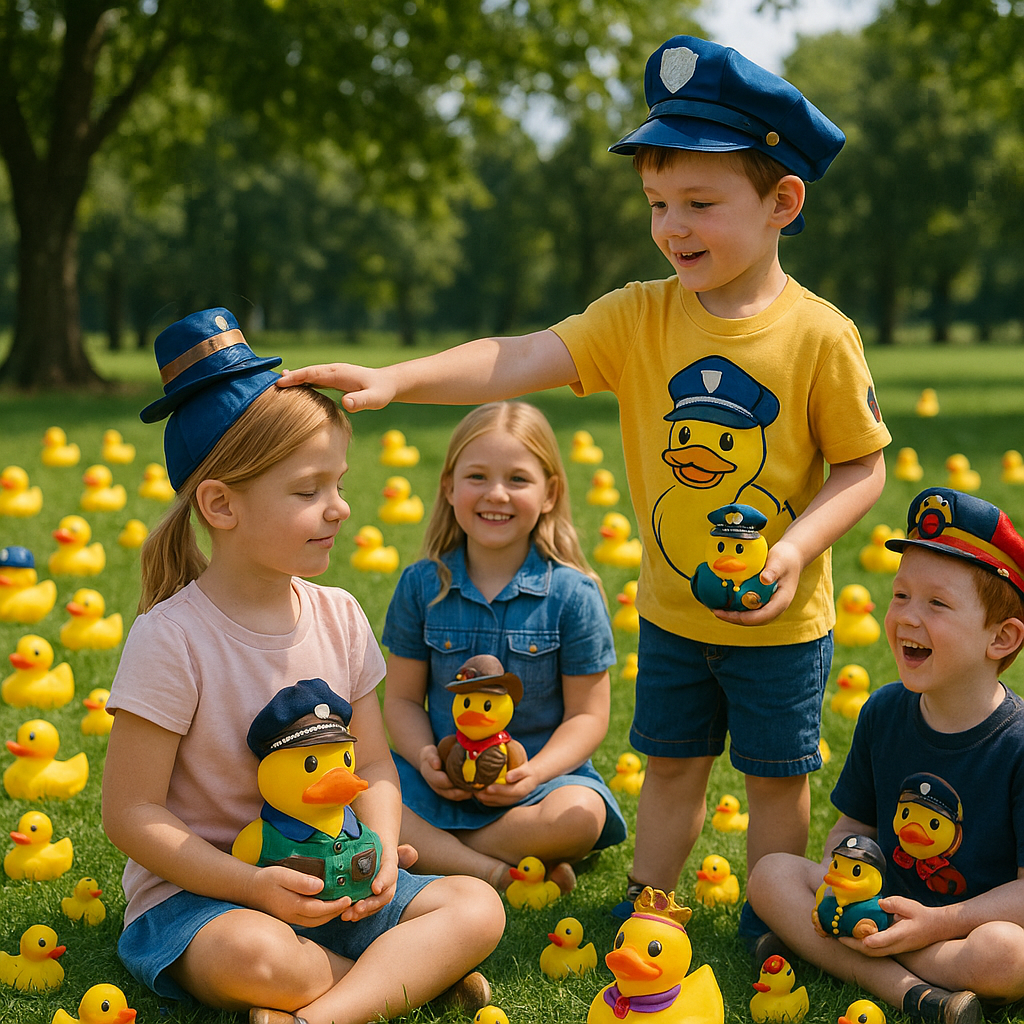
Theme events pull the niche lever: occupational ducks for industry conferences, mascot ducks for sports and university events, and mini ducks for prize tables. The print setup costs the same at any quantity, since a pad printing plate runs $50 to $150 and stamps 50,000 ducks, so the themed item is the differentiator without being a budget line.
The Bag Itself Is Fading
2026 events are moving away from the grab-bag model in two directions. Some organizers mail the swag before the event, so the attendee arrives with the item already in hand; others drop the bag entirely and hand out fewer, better items at specific moments. Both directions kill the filler layer, because an item that ships or drops individually must justify its own freight and its own moment.
For suppliers, the shift changes order patterns: smaller per-event quantities, more reorders, and more emphasis on packaging that survives shipping. The standard polybag plus a printed insert remains the workhorse, and the 1,000-piece MOQ still fits the smallest of these programs.
Mailed swag has a bonus the bag never had: an unboxing moment. The item arrives at a home or office, gets opened deliberately, and gets photographed. That is the photo moment again, now with better lighting.
Budgets Follow Proof, Not Habit
The last trend is the one that changes procurement: budgets now follow proof. The industry’s own numbers, 84 percent of consumers rating promotional products as effective advertising and 72 percent reporting a more positive view of the brand, are being cited in budget meetings, and buyers are asked to connect items to outcomes. A swag program that cannot show keep-rate logic is a program waiting to be cut.
Rubber ducks hold up in that conversation because the proof is physical. The item sits on a desk for months, the cost per impression compounds, and the giveaway ROI framework gives planners the measurement language. The rubber duck trends outlook points the same direction: the category keeps growing because it keeps earning its place.
The 2026 pattern is consistent across every trend here: choose fewer items, choose items with a second life, and document the choice. Swag bags are not dying; they are being edited.
The nostalgia angle explains why ducks stay in the bag rotation, detailed in the rubber duck nostalgia marketing article.
Frequently Asked Questions
What is the biggest swag bag trend in 2026?
Usefulness-driven selection. Buyers now apply a keep-value test to every item, and products that earn a place on a desk or shelf replace filler that gets thrown out at the venue.
What do event attendees actually keep from swag bags?
Useful, photogenic, and novel items. Industry data shows 63 percent of consumers keep and use promotional products regularly, and display pieces such as custom ducks outlast consumables like pens and stickers.
Why are rubber ducks popular in 2026 swag programs?
They combine a low per-unit cost, high memorability, and a natural photo moment. A duck on a desk keeps the brand visible for months, which drives cost per impression down.
How much does a custom duck cost for a swag bag?
About $0.80 to $0.85 per unit at the 1,000-piece minimum, dropping below $0.50 per unit at 5,000-plus pieces. Printing setup and color matching are included in the minimum.
Final Thoughts
The 2026 swag bag is smaller, better, and better documented. Attendees keep what is useful and photogenic; buyers fund what survives the keep-value test; and the industry’s own research now gives planners the language to defend every line. Rubber ducks fit the pattern because they are cheap enough to fit any budget and visible enough to earn their keep, which is the whole point of the exercise.
When you plan the next event bag, run every item through the test before you order: would an attendee keep this at home, would they photograph it, and can you prove the claim you print on the label? The items that pass all three are the ones that make the 63 percent work for you.
Related: swag retention data for rubber ducks
Related: referral duck incentive programs
For the upstream signals that predict these shifts, our trend-spotting signal guide maps the five-signal chain.