Skip to content
The operator packing your rubber duck packaging order doesn’t see the sales deck or the sample approval — she sees a stack of boxes and a production target. I’ve watched buyers lose $50K orders because the pre-production sample matched perfectly but the mass production run got packed in a box that rattled, split, and failed humidity tests. That disconnect between what you approve and what lands on the factory floor is the real cost of guessing wrong on packaging.
The per-unit price on a quote for rubber duck packaging rarely tells the full story. A box that looks identical in the sample approval can have a different quality tolerance in bulk — thicker board, weaker glue, missing barcode placement. And the hidden costs pile up: inner inserts that double the box cost, FSC-certified paper that adds 15% but is mandatory for big-box retailers, or lead times that stretch 2–4 weeks beyond the duck production. Most suppliers quote a per-box price and forget to mention the foam insert or the compliance sticker your buyer requires.
So before you place that next order, ask yourself: is this packaging for a shelf or a swag bag? The answer changes everything — from the FOB pricing structure to the sample approval process to the quality tolerance you need to enforce. Get it right, and you save your budget and your brand’s reputation.
Packaging for Retail Shelves: What Works in Stores
Retail boxes without inner inserts will rattle.
Retail Packaging Formats: What Actually Moves Product
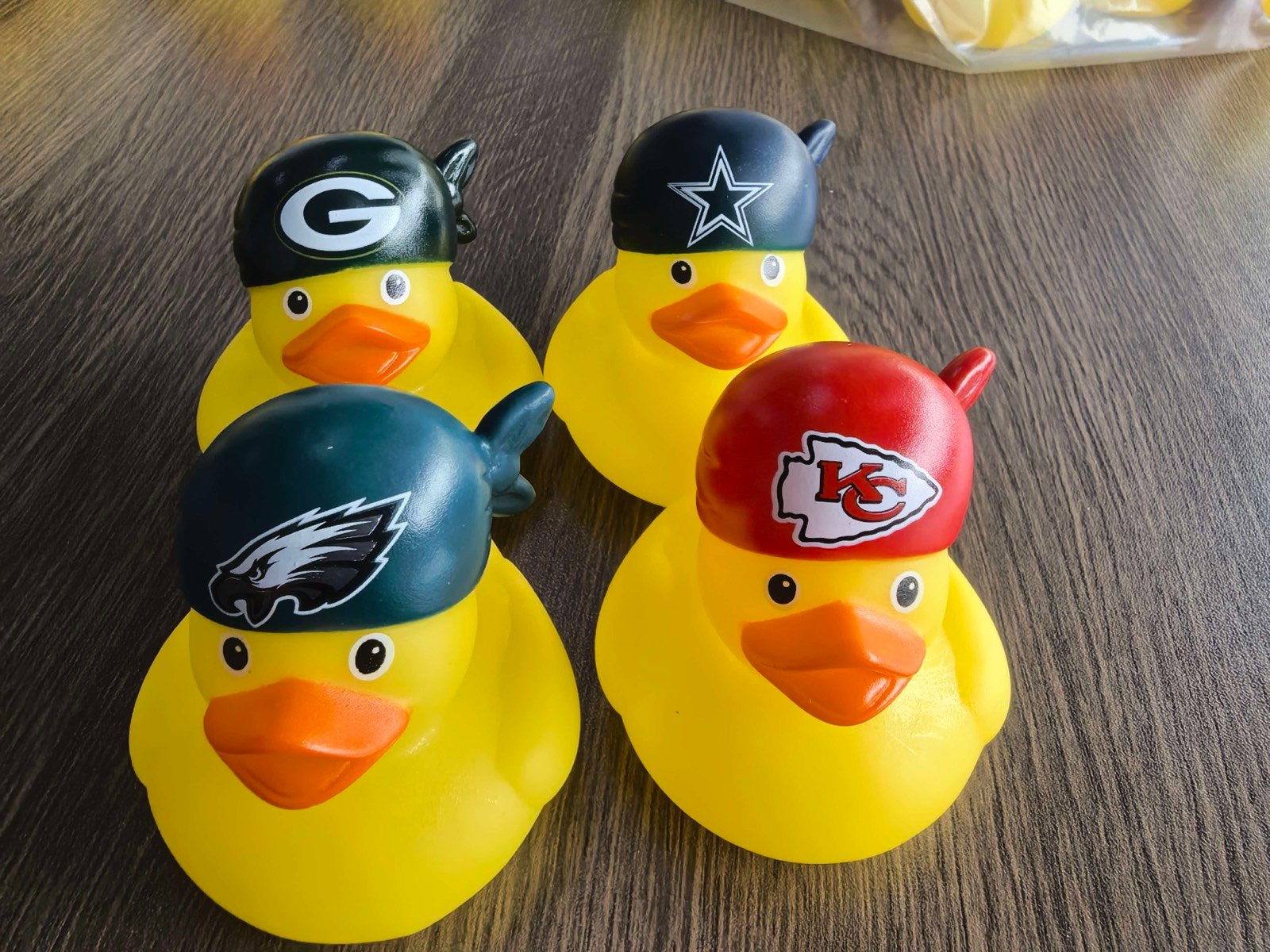
A duck on a blister card sits flat on a peg hook. A duck in a two-piece gift box sits on a shelf. A duck with a hang tag hangs from a display rack. Each format changes the visual weight and the cost. A custom printed two-piece gift box runs $0.35–$0.55 per unit at 5,000 units. A blister card with a printed backing runs less, but the plastic clamshell adds material cost and disposal friction for the buyer.
The hidden cost is the inner insert. Many suppliers quote a box price and leave out the foam or cardboard insert that stops the duck from shifting. Without it, the duck rattles during transit. The customer hears plastic knocking against cardboard and assumes the product is cheap. Inserts can double the per-unit packaging cost if you don’t specify them upfront.
Why FSC Certification Is No Longer Optional
Target and Walmart now require FSC-certified paper for any branded packaging that hits their shelves. The certification chain verifies the paper came from responsibly managed forests. Skip it, and your UPC can be rejected at the buyer’s desk. Most suppliers will quote non-certified stock by default because it’s cheaper. We quote FSC-certified paper on every retail packaging quote unless you explicitly opt out.
FSC-certified paper adds roughly 15% to the box cost. That’s a $0.05–$0.08 increase per unit at 5,000 boxes. Compared to the risk of a retailer rejecting your entire shipment, that’s cheap insurance. EU retailers face extended producer responsibility (EPR) laws taking effect in 2026 that will make FSC compliance even harder to ignore.
Hang Tags and Barcodes: The Details That Matter
Custom hang tags with string and a printed barcode add $0.08–$0.12 per duck. That’s a small line item, but it’s the first thing a retail buyer touches. A flimsy tag that tears off the string signals poor quality. A thick, matte-laminated tag with a clean barcode signals professionalism. Make sure your tag stock is at least 14pt cardstock and the string is double-knotted, not single-loop.
If you’re ordering for a retail launch, ask your supplier for a packaging mockup before committing to the full run. We provide a physical sample of the box, insert, and tag together so you can test the fit and feel before approving production. That step alone prevents the $50K mistake of a pre-production sample that didn’t match mass production.
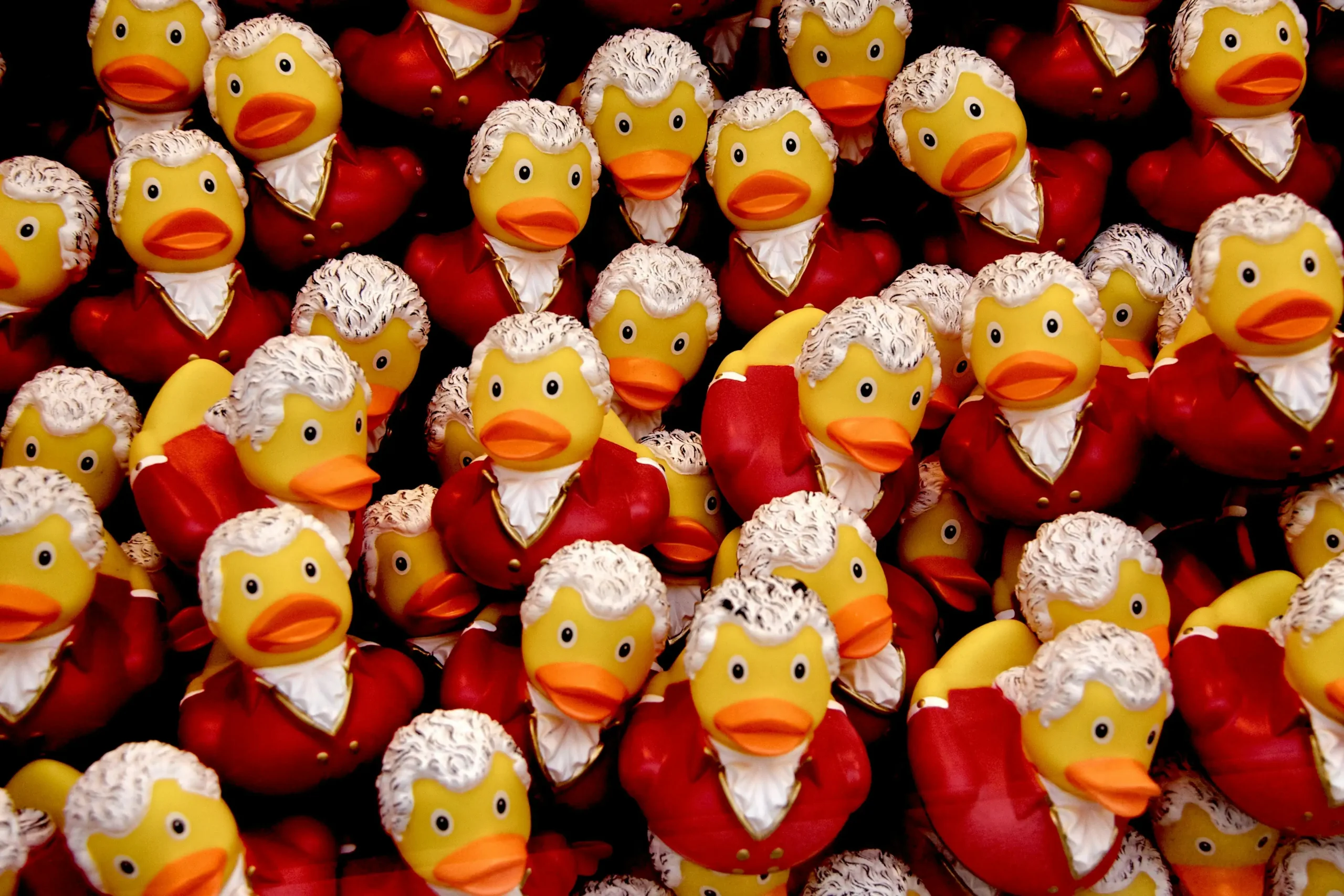
Giveaway Packaging: Bulk, Fast & Cost-Effective
Skip the polybag if ducks are handed out directly.
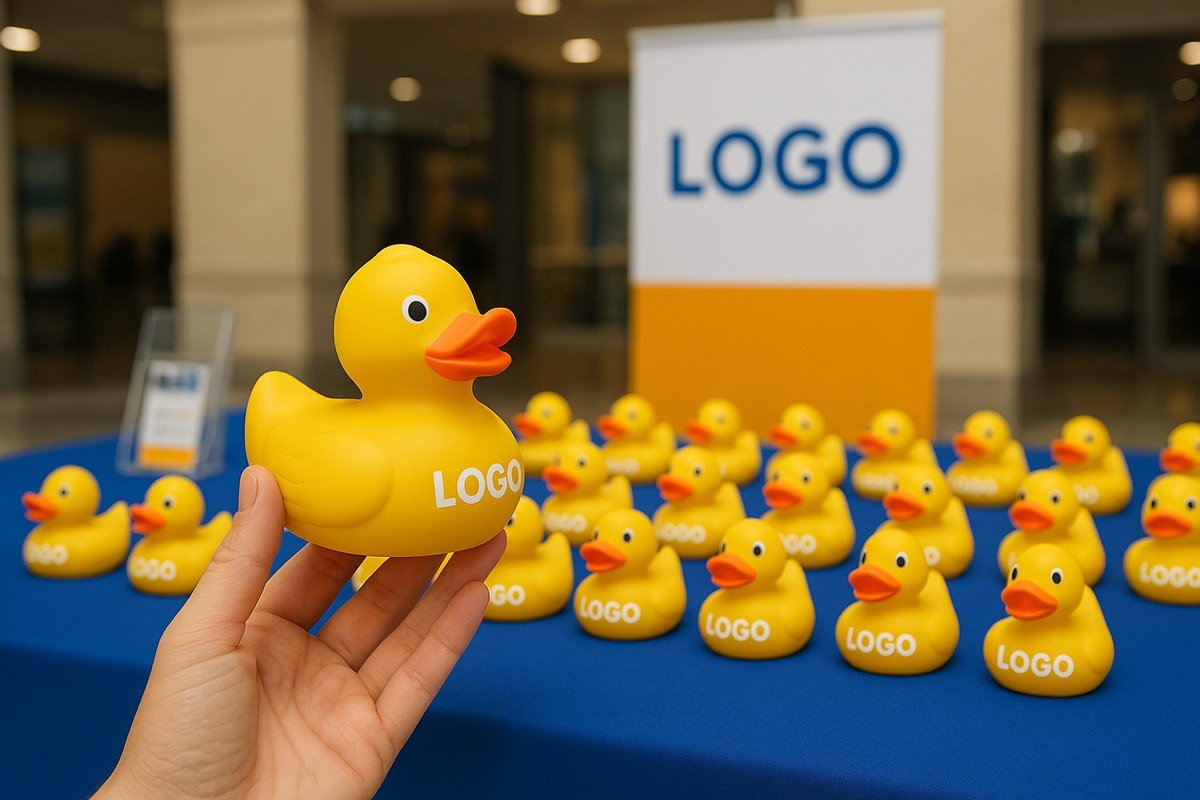
For giveaways, the goal is to get the duck into the recipient’s hand with the lowest possible cost and the least amount of labor. Overpackaging a promo item is just burning margin. The industry estimate is that 65% of promotional rubber ducks are given away without any individual packaging at all. If your ducks are being handed out at a trade show booth, tossed into a parade crowd, or placed on a hotel welcome desk, a bulk box of 50–100 ducks per carton is usually all you need. You skip the per-unit labor cost of bagging, and you reduce shipping weight.
The Standard Polybag Approach
When you do need individual protection, the clear polybag with ventilation holes is the default. A standard polybag for a 2-inch duck measures 3×4 inches with 0.03mm thickness. At 10,000 units, polybagging adds just $0.02–$0.05 per duck. That’s the cheapest way to keep ducks clean during transport and easy to distribute at registration desks or mail-in campaigns. You can print your logo on the bag, but keep in mind that full-color print on polybag adds cost and lead time. Most promotional buyers stick with clear bags and a branded sticker seal.
When Bulk Boxes Make More Sense
If your event staff will be handing ducks directly to attendees, individual polybags become waste. A carton of 1,000 polybagged ducks measures 50x40x30 cm and weighs about 12 kg. That same carton without polybags shaves off roughly 10% in volume and weight. For a 50,000-unit giveaway, that saving in shipping and labor can fund an extra 1,000 ducks. The rule: if the duck touches a human hand within 10 seconds of leaving the box, skip the bag.
| Packaging Type | Cost per Unit (10K) | Key Details |
|---|---|---|
| No Individual Packaging | $0.00 | 65% of promo ducks use this method. Ducks are bulk-packed in cartons (50–100 per box). Fastest turnaround and lowest cost. |
| Standard Polybag | $0.02–$0.05 | 3×4 in, 0.03mm thickness with ventilation holes. Carton for 1,000 ducks: 50x40x30 cm, ~12 kg. Protects from dust and handling. |
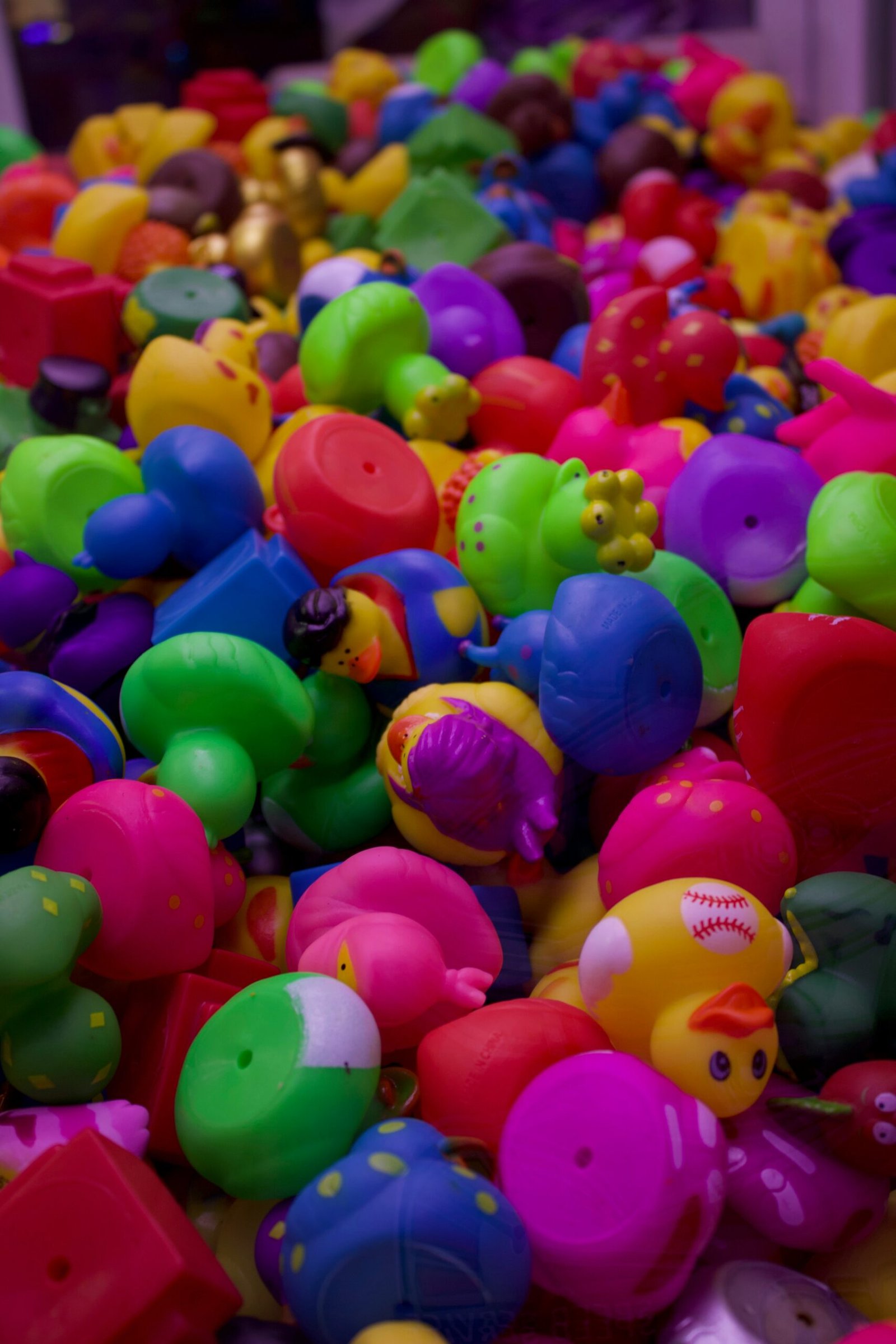
Comparing Costs: Retail vs Giveaway Packaging at Scale
Retail packaging costs 4x more than polybags at 5,000 units.
Most buyers fixate on the per-duck price and forget that packaging can eat a third of the total budget. At 5,000 units, a four-color printed gift box runs $0.35–$0.55 per duck. A simple polybag costs $0.02–$0.05. That 4x gap is the difference between a profitable promotion and a budget blowout.
The Hidden Cost of Retail-Ready Boxes
A custom two-piece gift box for a 2-inch duck looks great on a shelf. But the per-unit price quoted by most suppliers assumes a standard box with no inner protection. The duck rattles inside during transit. To fix that, you need a foam insert or a cardboard divider. That insert can double the packaging cost if not specified upfront.
Reputable suppliers include this in every quote to avoid surprise invoices. If your supplier quotes a box price without asking about inserts, ask directly. A $0.40 box can become $0.80 with a foam tray. That changes the math on a 10,000-unit order by $4,000.
Polybag Economics at Scale
Polybags are the workhorse of giveaway packaging. A standard 3×4-inch bag with 0.03mm thickness costs $0.02–$0.05 per duck at 10,000 units. No inserts, no assembly labor, no barcode scanning. One thousand polybagged ducks fit in a 50x40x30 cm carton weighing about 12 kg. That keeps shipping costs low.
About 65% of promotional rubber ducks ship without individual packaging at all. For trade shows or event handouts, bulk boxes of 50–100 ducks per carton are often the smarter play. You skip the bag cost entirely and reduce labor time at the warehouse.
MOQ Traps in Retail Packaging
Retail packaging carries its own minimum order quantities. Custom printed gift boxes typically require 500–1,000 units per design. If you have three duck designs, you need 1,500–3,000 boxes minimum. That can force you into a larger order than you need.
One workaround: combine multiple duck designs under a single box SKU. Use a generic box with a custom sticker or hang tag to differentiate each design. A hang tag with string and barcode adds $0.08–$0.12 per duck, which is cheaper than printing three separate box designs.
| Packaging Type | Cost Per Unit (5K) | Cost Per Unit (10K) | Key Feature | Best For |
|---|---|---|---|---|
| Retail Gift Box | $0.35–$0.55 | Shelf-ready, branded, FSC-certified paper | Retail stores & gift shops | |
| Polybag (Bulk) | $0.02–$0.05 | Clear or printed, low-cost protection | Trade shows & mass giveaways | |
| Custom Hang Tag | $0.08–$0.12 | Includes string & barcode | Retail peg hooks & boutique displays | |
| No Individual Packaging | $0.00 | Bulk carton of 50–100 ducks | Direct handouts at events |
How to Choose the Right Packaging Supplier
Ask for third-party test reports on packaging, not just the duck itself.
You have the duck design locked. Sample approved. FOB pricing confirmed. Then the packaging conversation starts and your timeline doubles. Most buyers skip the hard questions here. That is where the real cost hides.
Materials and Compliance: What to Request
Ask for third-party test reports from SGS or BV covering heavy metals and phthalates in the packaging material. Not just the duck. Many suppliers test the product but skip the box. A retailer like Target or Walmart will reject the entire shipment if the packaging fails. We provide FSC-certified paper as standard on every retail box quote unless you opt out. Competitors like custom-ducks.com do not mention this. It is a future compliance risk for eco-conscious markets.
- Test reports needed: SGS or BV for heavy metals (lead, cadmium, mercury) and phthalates in the box, insert, and ink.
- FSC certification: Adds roughly 15% to box cost. Mandatory for major EU and US retailers. We include it by default.
- Hidden cost: inner inserts: A retail box without foam or cardboard insert lets the duck rattle. Inserts can double the per-unit packaging cost. Get that number in writing upfront.
Lead Time Balancing: Plan for the Box
Custom printed boxes add 2 to 4 weeks to production. That is separate from duck manufacturing. The bottleneck is artwork approval and die-line setup. Run packaging art approvals in parallel with duck sampling. Do not wait for the duck sample to pass before starting the box design. If you do, you lose two weeks minimum.
For a 10,000-unit order of custom printed two-piece gift boxes, expect 4 to 5 weeks from art approval to delivery. Polybags take 1 to 2 weeks. Mixing packaging types within the same PO is possible but requires separate production runs. Plan accordingly.
Conclusion
The core decision isn’t about what looks good—it’s about matching the packaging to the distribution channel. A $0.50 gift box on a giveaway duck kills your margin. A polybag on a retail shelf kills your brand. Get the format right, and you protect both your budget and your brand perception.
- Polybags cost $0.02–$0.05 per duck; gift boxes cost $0.35–$0.55 per duck.
- FSC-certified paper is mandatory for major retailers, adding ~15% to box cost.
- Inner inserts can double the per-unit box cost if not specified upfront.
- Custom printed boxes add 2–4 weeks to lead time versus polybags.
Frequently Asked Questions
Can I get custom packaging for an order as small as 500 ducks?
The exact answer depends on the product specification, quantity, and order setup. The safest approach is to confirm the commercial terms only after the final requirement sheet is locked. Final terms should be confirmed against the exact product specification and order conditions.
What’s the difference between pad printing on a duck and full-color printing on a box?
The exact answer depends on the product specification, quantity, and order setup. The safest approach is to confirm the commercial terms only after the final requirement sheet is locked. Final terms should be confirmed against the exact product specification and order conditions.