Skip to content
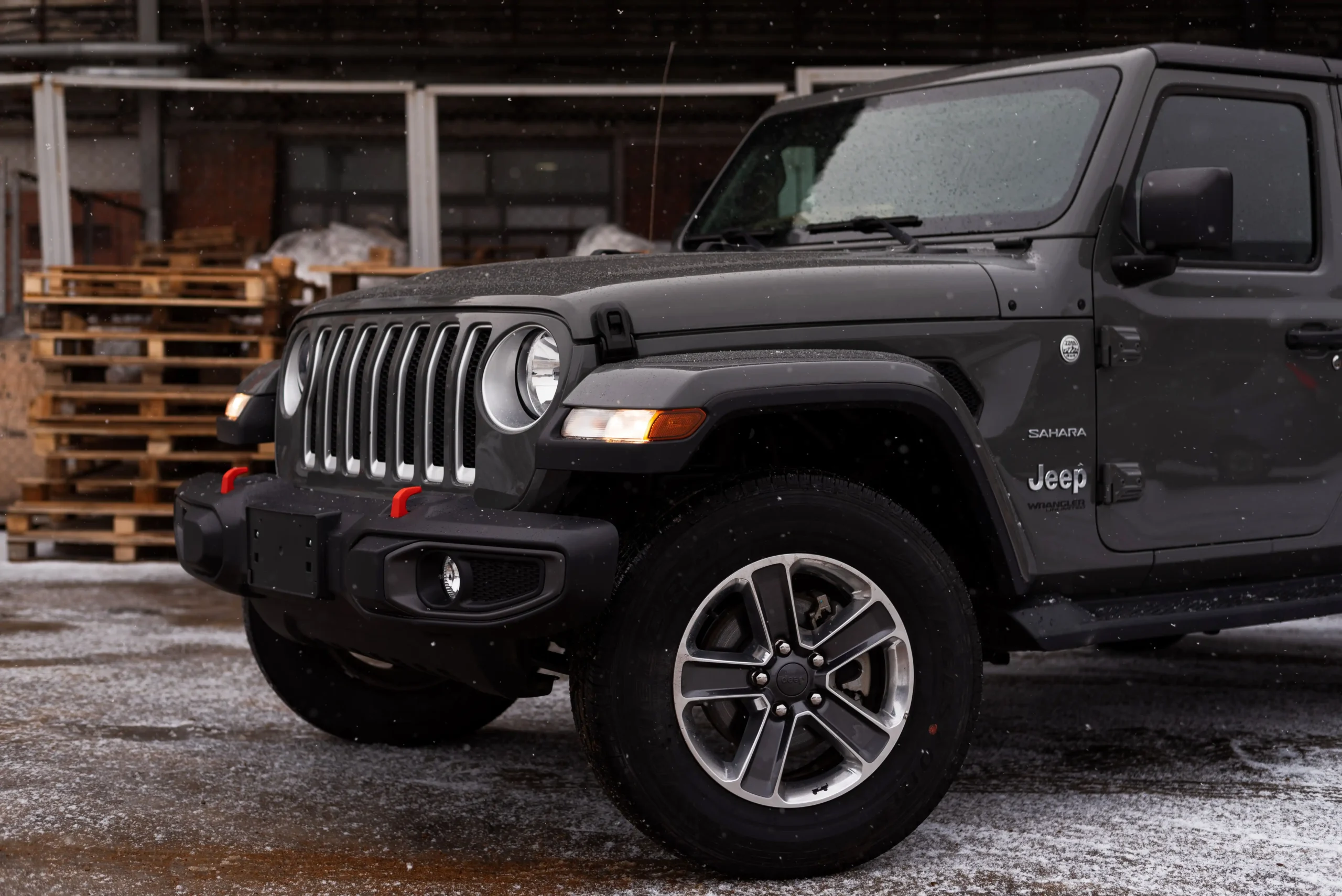
Picture a parking lot in Ontario in July 2020. A woman leaves a supermarket, walks past a Jeep Wrangler, and sets a small yellow rubber duck on the driver’s door handle before walking away. That single gesture became Jeep ducking, a global tradition where Jeep owners leave ducks on other Jeeps and get “ducked” in return. Within months, the Duck Duck Jeep community had spread across North America, and rubber ducks became as central to Jeep culture as the wave.
Jeep ducking means: a Jeep owner places a rubber duck on another parked Jeep as a friendly surprise, the recipient keeps it, and often re-duck someone else. The ritual started with Allison Parliament in 2020 and grew into a movement with club events, retail duck lines, and dedicated bulk supply chains. This guide covers the origin story, how the tradition works, and what it means for anyone buying ducks for a club or community.
The 2020 Origin: One Duck in Ontario
Allison Parliament of Ontario, Canada, placed a small rubber duck on a Jeep Wrangler in a parking lot in July 2020, during a period when casual human contact had become rare. The recipient’s reaction, and the reaction of everyone who heard the story, was immediate delight. Parliament created the Duck Duck Jeep Facebook group to document the gesture, and the name stuck as the tradition’s official term.
The timing explains the spread. A global pandemic had isolated people, and a zero-cost, zero-contact gesture of kindness fit the moment perfectly. Ducking required no words, no app, and no physical proximity; it was the ideal social ritual for a socially distanced year. The movement grew faster than any Jeep-brand campaign could have, because it was owned by the community rather than the manufacturer.
How Ducking Spread From One Jeep to a World
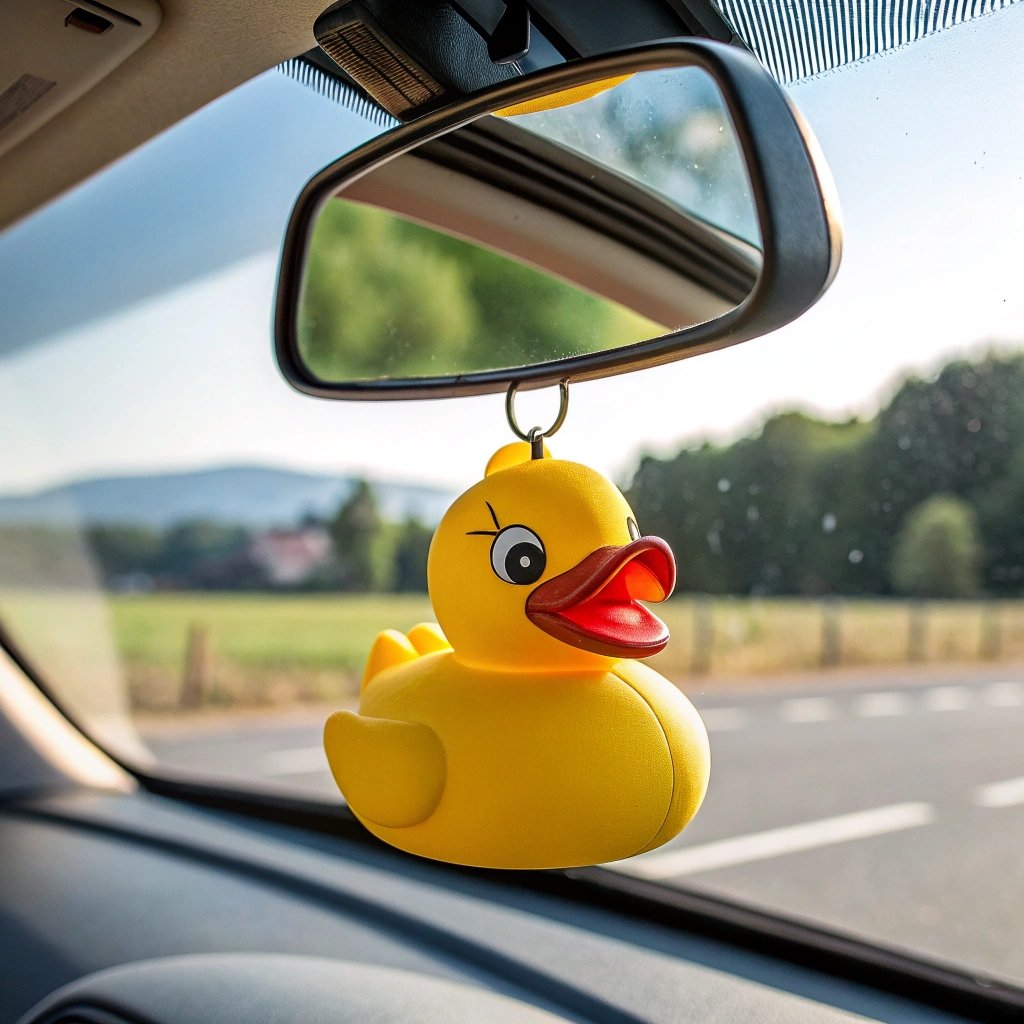
The Duck Duck Jeep group turned a gesture into a system with rules, photos, and a shared vocabulary. “I got ducked” means a duck was found on your Jeep; “re-duck” means you pass the gesture to the next owner. Members photograph their ducks on dashboards, side mirrors, and spare tires, and the photos feed a feedback loop that keeps the ritual alive.
Jeep owners built regional chapters, club events, and duck-hunt meetups, and the trend crossed into retail. Gift shops and online stores began stocking themed duck sets, and the community standard settled on the 2.9-inch duck, a size that reads clearly on a dashboard without crowding it. The sizing logic is documented in our 2.9-inch duck size guide, and the display habits behind it shape most club orders.

The Jeep Wave: The Older Sibling
Jeep ducking did not invent Jeep community rituals; it joined an older one. The Jeep wave, the raised-hand greeting between passing Jeep drivers, dates back to the 1940s and 1950s when early CJ owners recognized each other on the road. The wave was a signal of shared membership in a small, distinctive club.
The two traditions now coexist: the wave is the moving greeting, and the duck is the parked greeting. Where the wave is a two-second acknowledgment, the duck is a physical keepsake, which is why it scales into a collectible culture while the wave stays ephemeral. Both share the same root instinct: recognize another owner, and mark the moment. Jeep’s own brand community has embraced both rituals as part of what makes ownership social.
Why Ducks: The Psychology of a Cheap Gesture
Why a rubber duck and not a sticker or a note? Ducks combine three properties that make them perfect community tokens: they are absurd, they are durable, and they are cheap. Absurdity creates the surprise that gets photographed; durability turns the gesture into a dashboard companion; low cost makes participation frictionless.
The duck also carries cultural weight that predates Jeeps by decades. Rubber ducks have been bathtub icons since the mid-20th century, and roughly 28,000 of them became accidental oceanographers in 1992 when a container spilled into the Pacific and the toys drifted across currents for years, as documented in the Friendly Floatees spill coverage. A duck is never just a toy; it is a small piece of shared cultural memory, which is exactly what a community gesture needs.
Ducking Etiquette Every Owner Should Know
Rules are unwritten but consistent across clubs. Never place a duck where it blocks the driver’s view; the windshield wiper slot is a common mistake. Choose a spot the owner will find but that will not blow away: door handle, side mirror, antenna base, or hood seam. Always leave a note or tag when possible, because the discoverability is the whole point.
Respect the duck’s fate once it is placed. If you find one, keep it, photograph it, and consider re-ducking with a duck of your own. Some clubs add a rule about never ducking a parked Jeep in a tow-away zone or private property, and seasoned duckers avoid wet duck drops that leave water on paint. Mini ducks suit hidden-spot drops, and the placement logic for different sizes is covered in our ducking size analysis.
The Bulk Side: Clubs, Retailers, and Custom Ducks
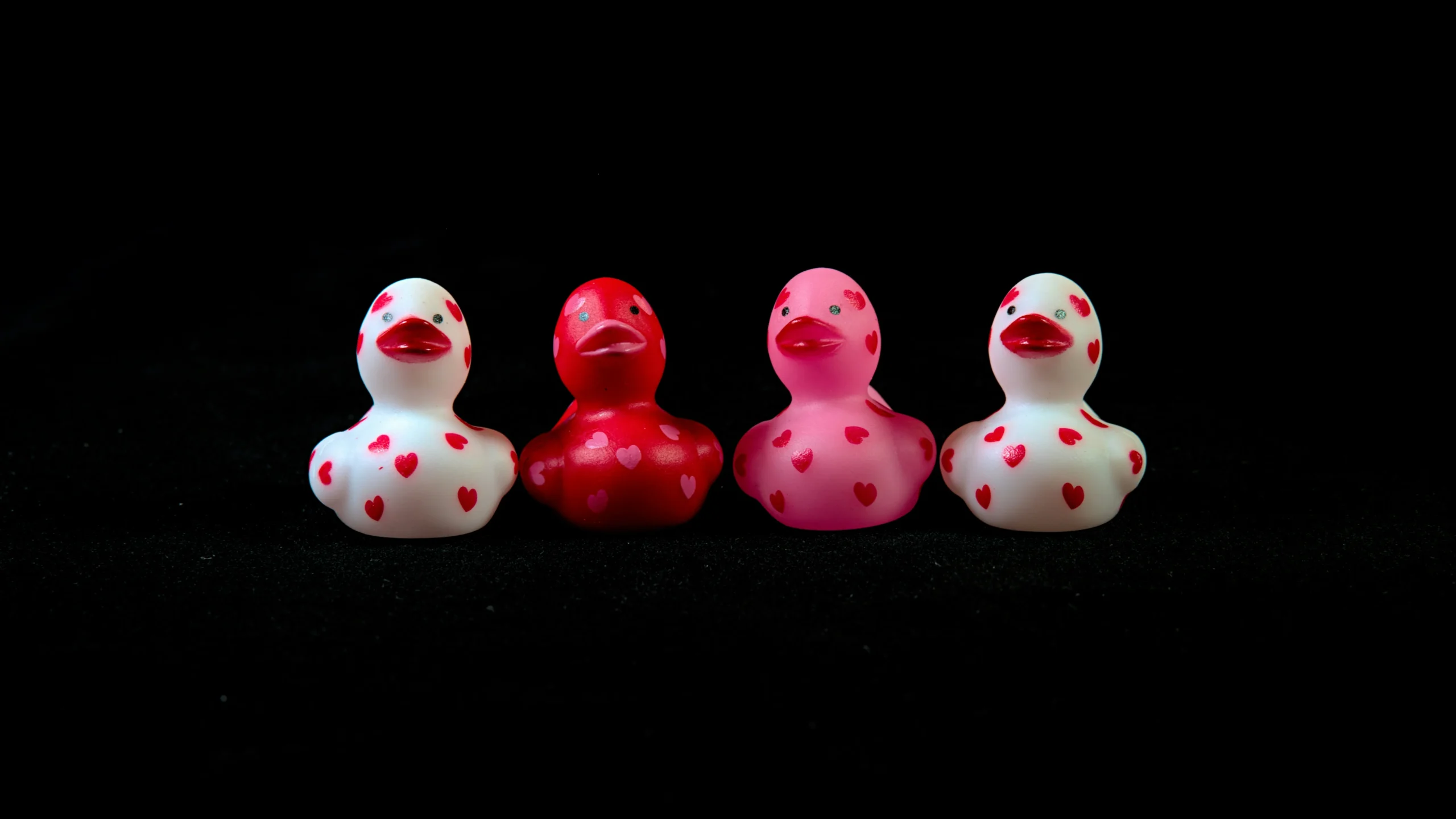
The tradition created a real supply chain. Clubs order branded ducks for events, retailers stock themed collections, and fundraisers sell ducks to fund trail maintenance and club activities. A club drop of 300-1,000 ducks is routine, and the community’s preference for custom colors and logos turned ducking into a legitimate B2B category.
LZENGO supplies this channel with custom jeep ducks at a 1,000-piece MOQ, 12-hour mockups, and 7-day samples, sized and packaged for club distribution.
Buyers planning a club order should review the club duck sourcing guide for quantity math before requesting a quote.
The full product line, including themed sets, club logos, and retail packaging, lives on the Jeep rubber ducks page.

Stock Your Club or Store With Ducking-Sized Ducks
LZENGO produces custom jeep ducks in the 2.9-inch standard, with club logos, themed colors, and packaging built for drops and resale.
MOQ 1,000 | 12-hour mockup | 7-day samples | BSCI, REACH, CPSIA certified
From the origin story, the practical next step is the how to start jeep ducking kit guide.
FAQ
What does duck duck jeep mean?
It is the name of the Jeep ducking tradition: Jeep owners leave rubber ducks on other parked Jeeps as a friendly surprise, and recipients keep or re-duck them. The phrase names the ritual and the community.
Who started Jeep ducking?
Allison Parliament of Ontario, Canada, started it in July 2020 by placing a rubber duck on a parked Jeep Wrangler and creating the Duck Duck Jeep Facebook group.
Why do Jeep owners put ducks on each other’s Jeeps?
To share a zero-cost gesture of recognition and kindness. The duck is a keepsake that marks the moment, and re-ducking keeps the chain moving through the community.
What size duck is standard for Jeep ducking?
The community standard is 2.9 inches, large enough to be visible on a dashboard without crowding it. Mini ducks are used for hidden-spot drops.
Where should you place a duck on a Jeep?
Door handles, side mirrors, antenna bases, and hood seams work well. Avoid the windshield and wiper areas, which can block the driver’s view or damage paint when wet.
Related reading: What Do Jeep Ducks Mean? A Quick Answer for New Jeep Owners
Related: Jeep Ducking etiquette rules
Related reading: Jeep Wave vs Jeep Ducking: Two Traditions, One Community.