Skip to content
Jeep owners wave. Jeep owners duck. The wave is a decades-old driving tradition between Jeeps on the road; ducking is a newer community ritual where one owner leaves a rubber duck on another’s Jeep. Both are identity rituals of the same community — but they are different in mechanics, etiquette and even legal texture. For brands in the Jeep-adjacent market, understanding the two traditions is product design intelligence: each one creates a different product opportunity. This guide compares them and maps the merchandising implications.
The Two Traditions: Origins and Mechanics
Pair this with our guide to A Distributor’s PPAI Expo Plan for Custom Rubber Duck Sourcing
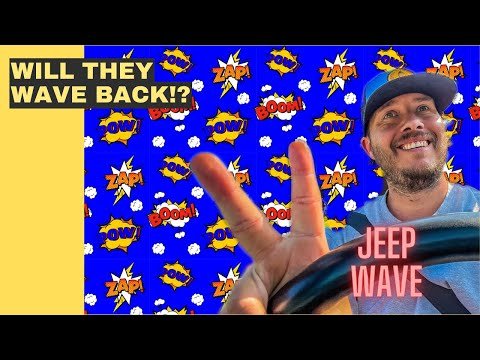
The Jeep wave began with the original military Jeeps and the postwar civilian wave: two Jeeps pass, both drivers raise a hand from the wheel — often just a finger or two lifted off the steering wheel, since a full wave is impractical at speed. It is spontaneous, unplanned, and requires nothing but the road. Ducking (Duck Duck Jeep) began as a pandemic-era gesture: an owner places a rubber duck on another parked Jeep — typically a small duck (the standard size is 2.9 inches) left on the door handle, mirror, or windshield wiper with a note or tag. The duck is a gift, not a message: no response is required, though the recipient often “re-ducks” someone else, keeping the loop moving. The wave is ephemeral — it exists for the seconds two Jeeps share the road. The duck is physical — it exists until the owner removes it, and it can be kept, displayed, or passed on. That difference drives everything downstream.
Etiquette: What Each Tradition Requires
Wave etiquette is minimal and unwritten: wave at other Jeeps on the road, do not force it, and do not take offense when a driver misses it (traffic happens). Ducking etiquette is more codified because the act is physical and public: duck only parked Jeeps, use a clean duck, attach a note or tag with the community hashtag, and never duck in a way that could scratch paint or block a driver’s view (the mirror and wiper are common spots, but placement must respect the vehicle). The ducking community has also developed informal rules about themed ducks, collecting, and display — a dashboard duck collection is a badge of participation. The etiquette difference matters commercially: wave culture produces almost no product demand (there is nothing to buy), while ducking culture produces an entire product category — the duck itself, tags, holders, display accessories. Our Jeep ducking etiquette guide documents the community’s rules in detail, and the Duck Duck Jeep origins guide covers the history.

Community Mechanics: The Loop That Drives Each
The wave’s loop is zero-sum and instant: wave, see wave, continue. There is no accumulation, no record, no artifact — which is precisely its charm and precisely why it creates no commerce. Ducking’s loop is cumulative and physical: duck, find duck, keep or re-duck, collect, display, post. Each step creates a touchpoint: the finder posts a photo (content), the collection grows (retention), the re-duck spreads the loop (acquisition). This is why ducking became a marketing phenomenon and the wave never did — the wave is a moment, the duck is an object that carries the community forward. For brands, the practical reading: the wave is a cultural footnote to acknowledge respectfully; the duck is the product opportunity. The community’s scale and rules are documented across the Jeep duck range and the meaning of Jeep ducks guide.
The Product Map: What Each Tradition Creates
The wave creates one product: branded Jeep-adjacent apparel and decals that reference waving (wave stickers, t-shirts). Ducking creates a shelf of products: the ducks themselves (standard 2.9-inch, custom shapes, themed lines), the tags and cards that accompany a duck (branded cards are the easiest private-label entry — low cost, no mold), holders and display clips for dashboards, and bulk packs for community distributors who supply local ducking groups. The economics differ as sharply: wave merchandise is a niche apparel line; ducking merchandise is a repeat-purchase ecosystem where the same community members buy ducks, then tags, then holders, then more ducks. The LZENGO Jeep rubber ducks page covers the standard sizes and themes, and the ducking sets show how the ecosystem packages for retail and wholesale; on the safety side, ducks destined for community distribution are covered by the same toy rules as any product reaching children, with ASTM F963 the reference for small parts and materials.
Which One Should a Brand Engage?
The engagement rule: respect the wave, serve the duck. The wave is a community self-identification ritual — commercializing it directly reads as tone-deaf (a brand saying “join the wave” is advertising at a tradition that belongs to owners). Ducking is already a product culture — the community buys, collects, displays and distributes ducks as its native activity, and brands participate by making better ducks, not by co-opting the ritual. The successful brand playbook in this space: sponsor local ducking groups with bulk packs, create themed ducks that the community actually collects (occupational, holiday, regional themes), and build the tag-and-card layer that makes every duck a branded touchpoint. For the production side of that playbook, the bulk duck page covers MOQ 1,000 and the customization options that fit community-scale programs, with 12-hour mockups and 7-day sampling keeping seasonal and event drops on schedule.
FAQ
What is the difference between the Jeep wave and Jeep ducking?
The wave is an ephemeral spontaneous greeting between Jeeps on the road; ducking is a physical community ritual where owners leave rubber ducks on parked Jeeps — one creates no product, the other creates a product category.
Do I have to respond when I get ducked?
No response is required, though many recipients re-duck another Jeep to keep the loop moving; keeping or displaying the duck is the standard acknowledgment.
What is the standard Jeep duck size?
2.9 inches is the standard ducking size, small enough to leave on mirrors and door handles without obstructing or scratching.
Can brands participate in ducking without being tone-deaf?
Yes – by serving the product culture: themed collectible ducks, branded tags and cards, bulk packs for community distributors; the wave, by contrast, resists commercialization.
Two traditions, one community, one product map: the wave is a moment to respect, the duck is a culture to serve. Related reading: how to start ducking, the 12 hiding spots, and the ducking sets for retail-ready programs.
For the size and buying-pattern context behind the ritual, our jeep ducking community statistics overview pulls the 2026 proxies together.
For the eight items that belong in a jeep ducking kit, see our jeep ducking kit ideas.
For more detail, see our Personalized Jeep Ducks.