Skip to content
A jeep ducking kit is not a bag of ducks, it is a small goodwill machine, and the items you put in it decide whether the response is a smile or a shrug.
Duck Duck Jeep is a community ritual built on a single small object and a note, so a kit that a club sells, or a brand assembles for a giveaway, has to carry the duck, the message, and the storage in a way that survives a dashboard and a heatwave. This guide covers the eight items that actually belong in a kit, the 2.9-inch size and material that makes a duck safe in a car, the print and Pantone choices that make a kit feel like a brand and not a handful of rubber, and the MOQ and lead-time facts that decide whether a kit is a retail line or a one-off club drop. The community norms are laid out in wikiHow’s Jeep Ducking explainer, and the sizing and material logic is the one in our size chart and the jeep duck line.
1. The duck itself
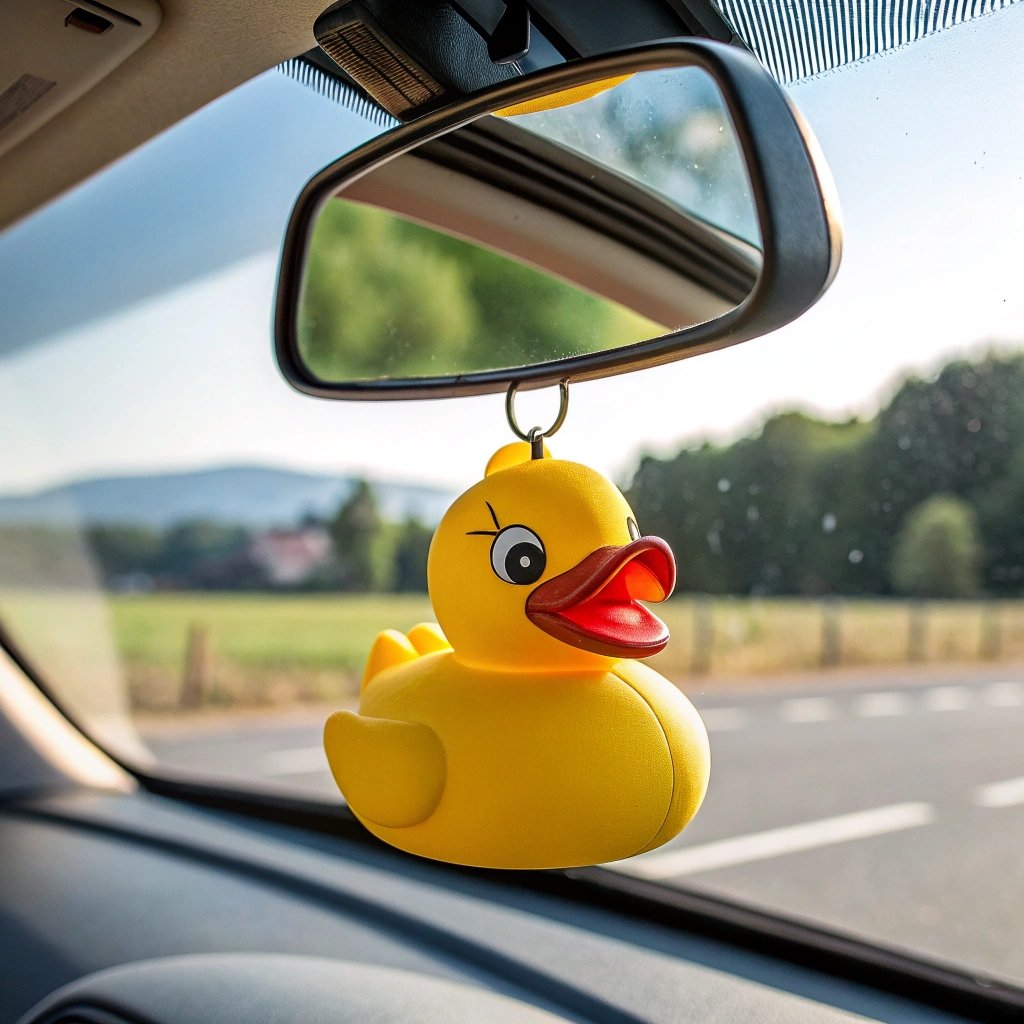
The duck is the item, and the 2.9-inch jeep duck is the standard because it is small enough to sit on a dash and large enough to read a print. A duck that is too big crowds a console, and one that is too small loses the smile. The size and material choice is the first thing to lock, because a duck that is not heat-resistant or not BPA-free is a liability in a car that can sit in the sun. The 2.9-inch size and the safety rules that go with it are mapped in our size and safety guide.
2. A print or a theme
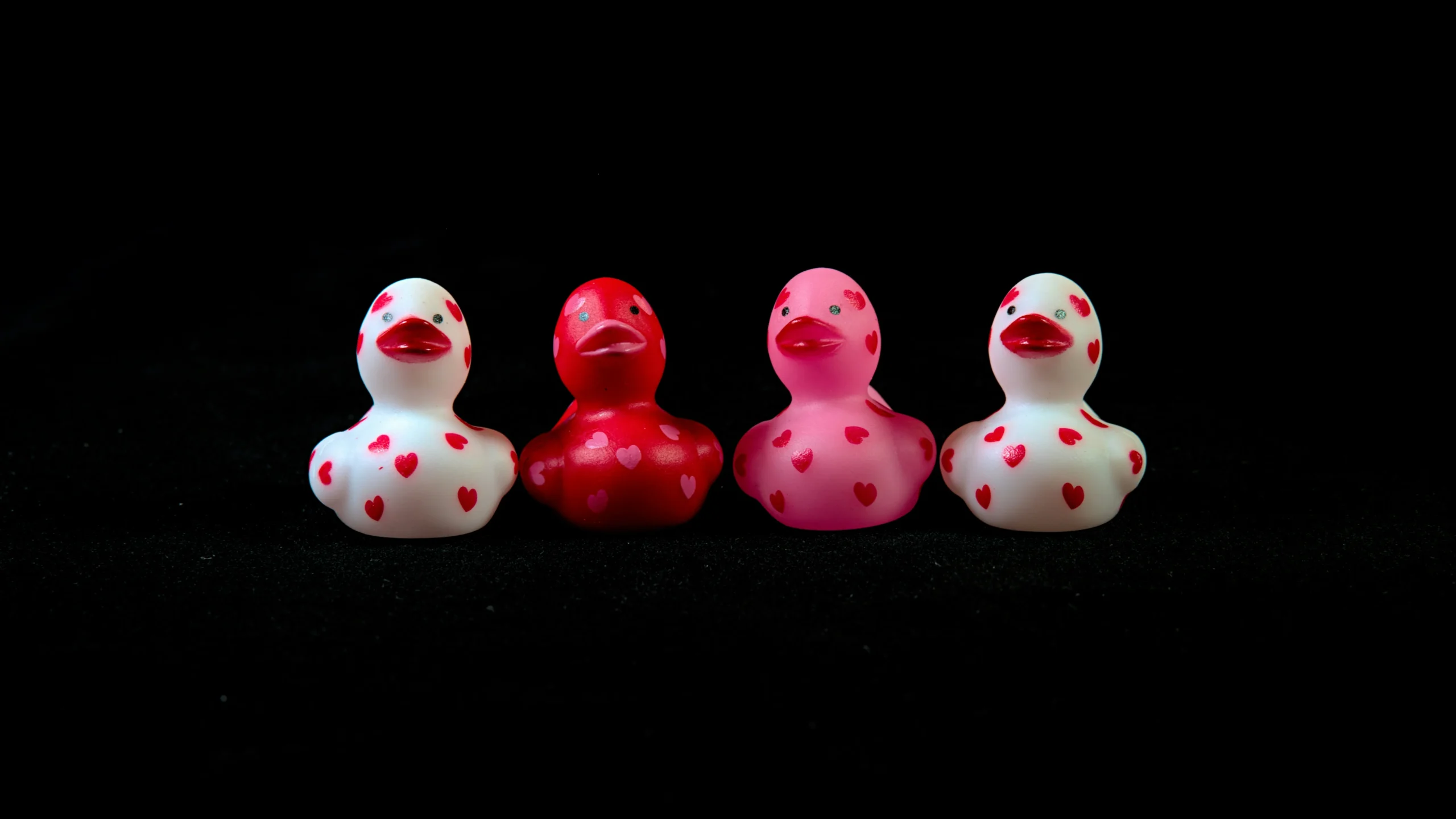
A blank duck is a nice gesture; a printed or themed duck is a memory. The print options split cleanly, a one-to-three-color pad or UV print for a logo, a phrase, or a club name, a custom shape for a real mould, and a Pantone-matched skin for a brand color. For a club kit, the fun is the theme, a patrol duck, a holiday duck, a duck with a pun, and for a brand kit the rule is the same one our color and palettes guide holds: color and print settle at the 12-hour mockup rather than on the run.
3. The note card
The ritual lives in the note, and the note carries the rule. A good note says who the duck is from, why it is there, and what the receiver should do, usually pass it on to another Jeep owner, and it is the part that turns one duck into a chain. A club prints the note on a small card or a stiffer tag, and the print is a chance to reinforce the brand, a logo, a tagline, a “you’ve been ducked,” which is the same retention logic as our tag-making guide.
4. The packaging and a zip bag
A duck needs to travel, and a plain plastic bag is cheap but noisy, while a small zip bag keeps the duck and the note together and survives a glovebox. A bulk kit that ships to a club benefits from a bag that takes the print, and a kit that ships in a box to a receiver benefits from that box doing the branding. The packaging choice is where the per-unit cost and the perception split, and the boxed versus polybag question is the one our packaging options guide compares.
5. A lanyard or a clip
Not every duck sits on a dash; some hang from a rearview or ride on a bag, and a small lanyard or a carabiner clip turns a kit into a flexible object. This is optional, and it is the item that most often gets cut when a buyer is protecting a budget, but it adds a practical layer that makes the duck do more, a duck that clips to a bag is a duck that leaves the car and keeps the brand moving, which is the mobility logic our rearview mirror options describe.
6. A bulk kit spec: MOQ and lead time
A kit that a club sells, or a retailer stocks, is a bulk buy, and the MOQ decides the form. The custom duck program starts at a 1,000-unit MOQ, which sounds large until a club splits it across a season or a brand replays it at events, and the 6-to-8-week custom mould clock applies only if a bespoke shape is chosen, while a stock body with a print runs on the shorter standard timeline. The floor and the timeline are laid out on our custom rubber ducks page and the reorder logic in our MOQ guide.
7. The heat and safety rule
A duck in a car has to be a safe duck. The sun raises a dashboard temperature well past a comfortable number, and a duck that is not heat-stable can soften or warp, while a duck that is not BPA-free and phthalate-free is a concern in a car next to a child. The safety floor is the same for a jeep duck as for a bath toy, and the REACH and CPSIA rules are the ones our age grading guide walks through.
8. The repeat, not the one-off
The kit that works is the one a club reorders. A club that restocks a duck, a note, and a bag, and refreshes the theme each season, builds a ritual rather than a single gesture, and a brand that replays a duck at every event gets the repeat brand lift a one-off never delivers, which is the incentive logic our etiquette guide and our milestone giveaway guide both point at.
Frequently asked questions
What size duck goes in a jeep ducking kit?
The 2.9-inch jeep duck is the standard, small enough to sit on a dash and large enough to take a readable one-to-three-color print.
What is the most important item besides the duck?
The note card, because the “you’ve been ducked” rule and the pass-it-on instruction are what turn one duck into a chain.
What is the quality floor for a kit duck?
BPA-free, phthalate-free, heat-stable PVC with REACH and CPSIA compliance, so it is safe in a car that can sit in the sun.
What is the MOQ for a branded kit?
The custom program starts at a 1,000-unit MOQ, and a 6-to-8-week custom mould only applies if you choose a bespoke shape.
For more detail, see our Personalized Jeep Ducks.
Related: kid-safe Jeep ducking rubber ducks.
Related reading: Deck the Duck: Holiday Jeep Ducking Kits That Sell Out in December
Related reading: Toy Safety Files for Duck Imports: Test Reports, Declarations and a Per-Market Checklist