From Order to Shipment: What Actually Happens in a Two-Week Duck Production Run
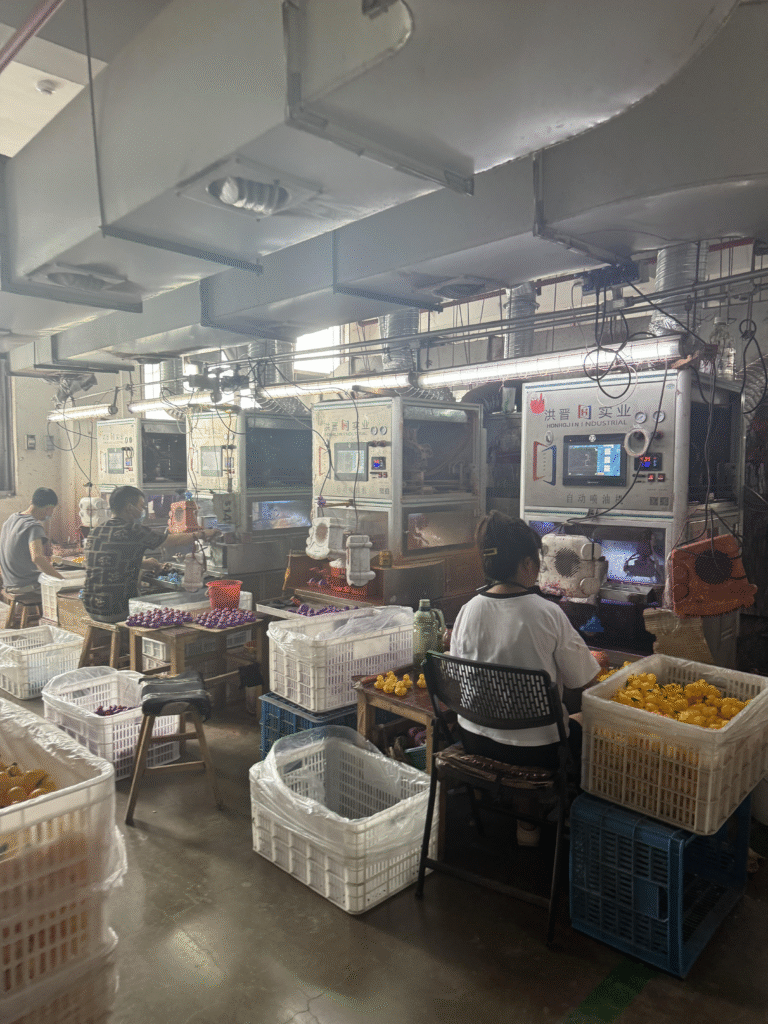
A duck order that ships in two weeks looks like magic from the buyer’s side of the email thread and like a schedule from the factory’s side. Between the approved sample and the loaded carton there are six steps, each with its own constraints, and a run is late when one of them is squeezed…
Rubber Duck Purchase Order Terms: Tolerance, Colour Approval and Delivery Windows

Almost every argument about a rubber duck order can be traced to a clause that was never written. The shipment arrives two percent light, the yellow is a step away from the approved standard, or the delivery window moves by ten days and a campaign date is missed. None of those are production failures; they…
Blind-Box Ducks: What the Collectible Model Teaches Toy Importers
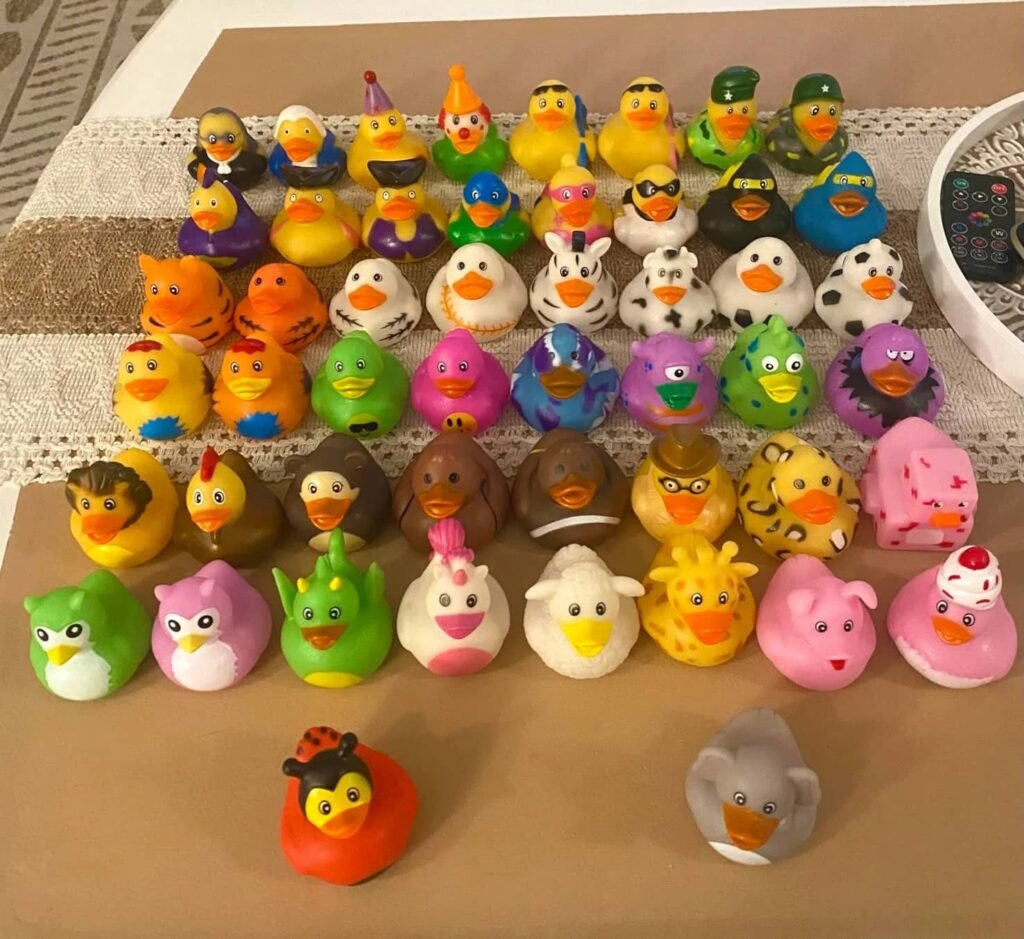
Blind boxes sealed assortments where one purchase might hold the common duck or the rare one turned a toy format into a global collection economy. Duck programs are natural candidates for the model, since themed mini ducks already come in series, and importers who understand the mechanics can build collectible lines without gambling their inventory….
Jeep Ducking Etiquette: Tags, Notes and the Rules That Keep the Game Fun
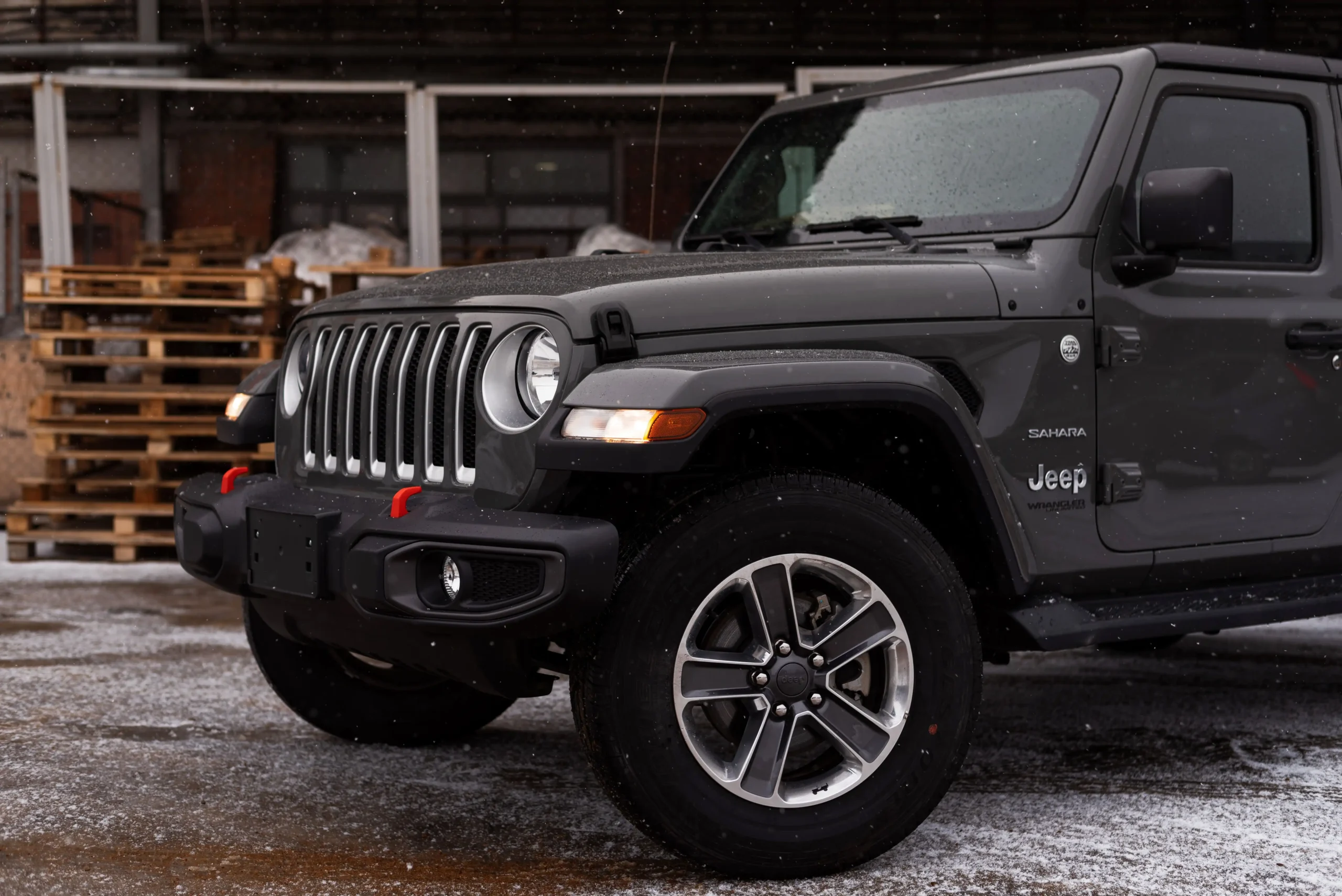
Duck Duck Jeep runs on a simple act, leaving a small duck on a fellow Jeep, and an unwritten rulebook that keeps the gesture welcome. Get the etiquette right and your ducks brighten someone’s day and carry your brand along with them; get it wrong and the same duck reads as litter or worse. This…
Duck Races Done Right: Running a Fundraiser on Wholesale Numbers
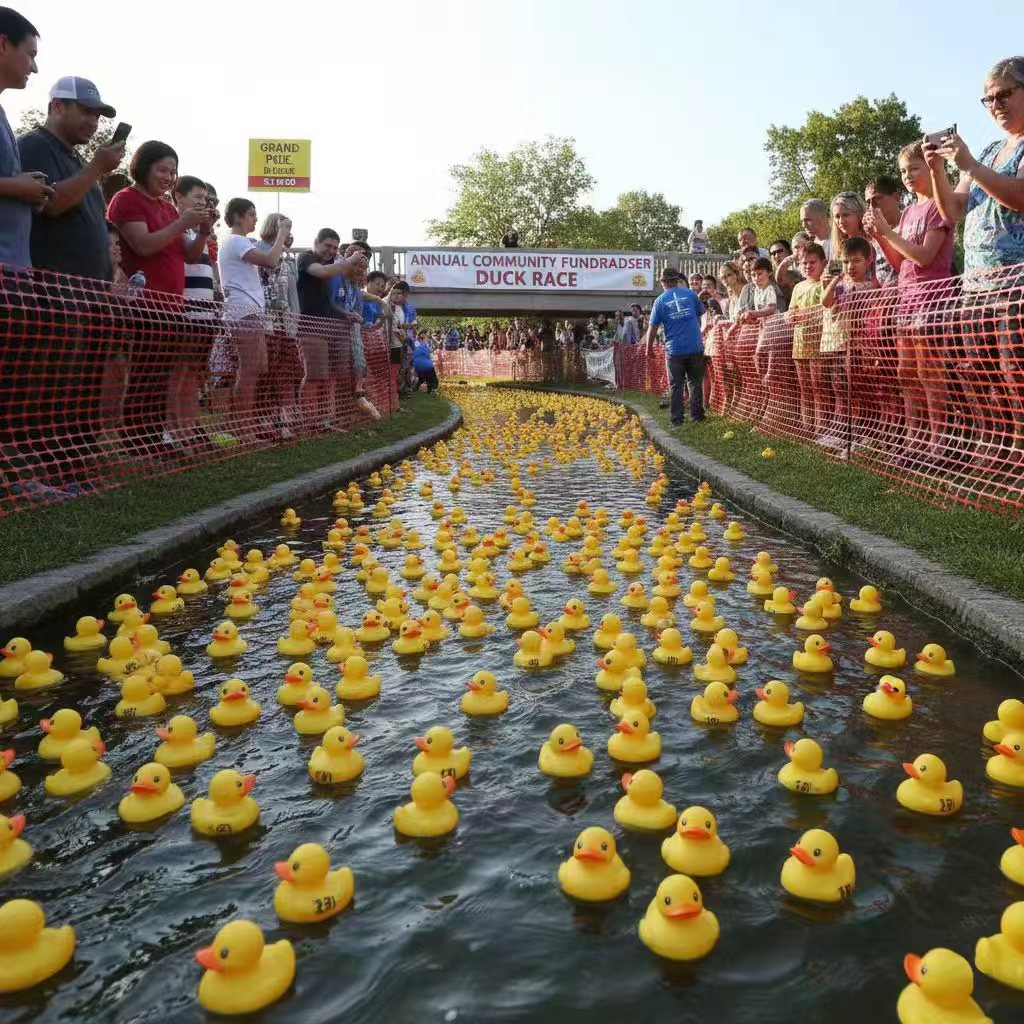
A rubber duck race is the rare fundraiser where the product is the event: thousands of numbered ducks hit the water, a crowd adopts them in advance, and the first few over the line win prizes. Clubs and nonprofits run them on riverfronts, canals and firehouse ponds every year, and the difference between a profit…
Sample Bag vs Production Run: Why the 50th Duck Should Match the First
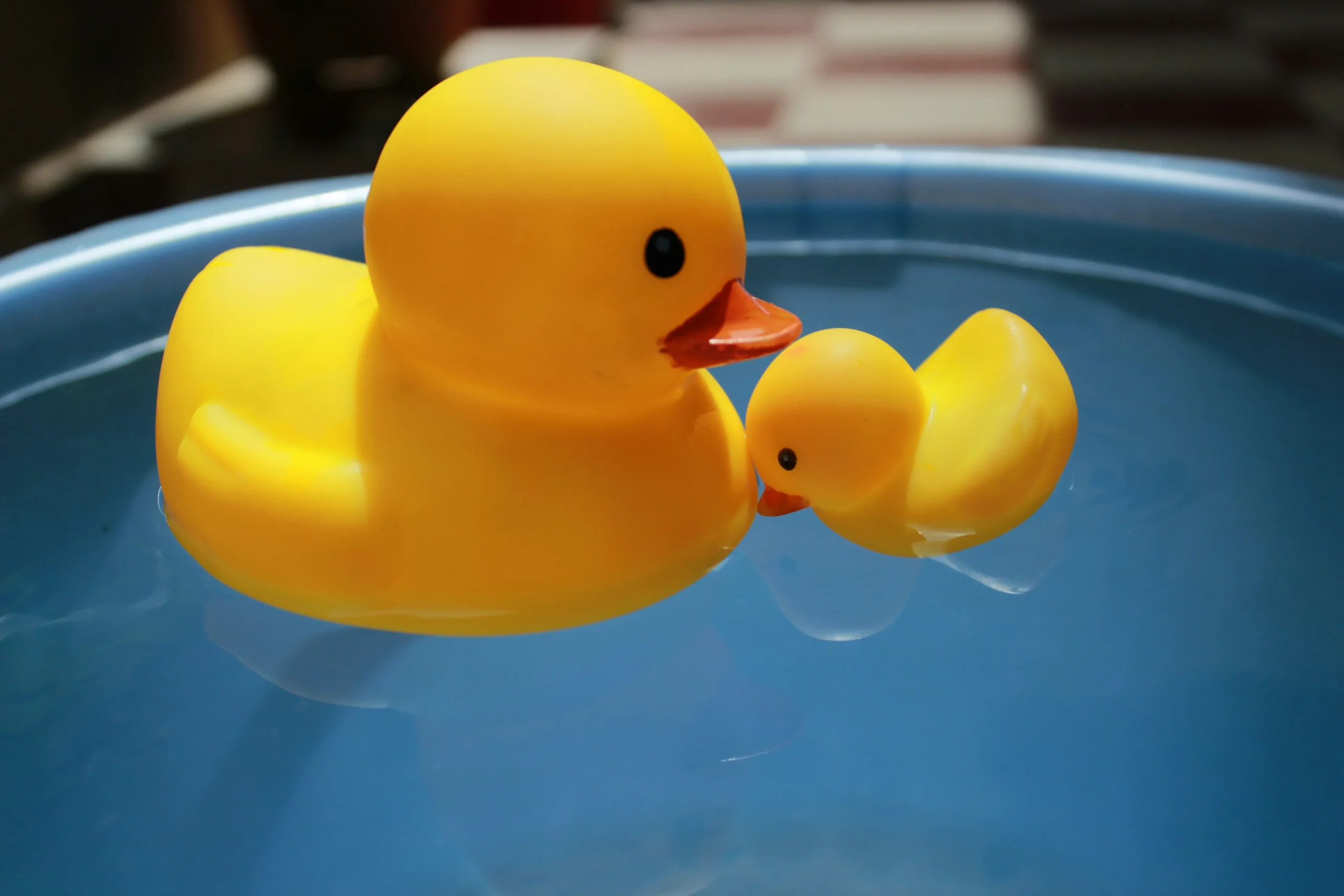
Every duck buyer eventually meets the gap between the approved sample bag and the production cartons: the yellow is a step warmer, the print sits a millimeter off, the gloss is not quite the gloss. Sometimes it is a quality failure; more often it is a specification that was never frozen. This guide explains where…
Phthalate-Free Plasticizers in PVC Ducks: What Changed and What Buyers Ask
The phrase phthalate-free shows up on almost every serious rubber duck quotation now, and it is not marketing decoration. Plasticizers make PVC soft enough to mold, and a specific family of them became the most tightly restricted chemicals in children’s products. Buyers who understand what changed ask sharper questions and get safer programs; buyers who…
Squeakers, Valves and Sealed Shells: The Acoustics Inside a Rubber Duck
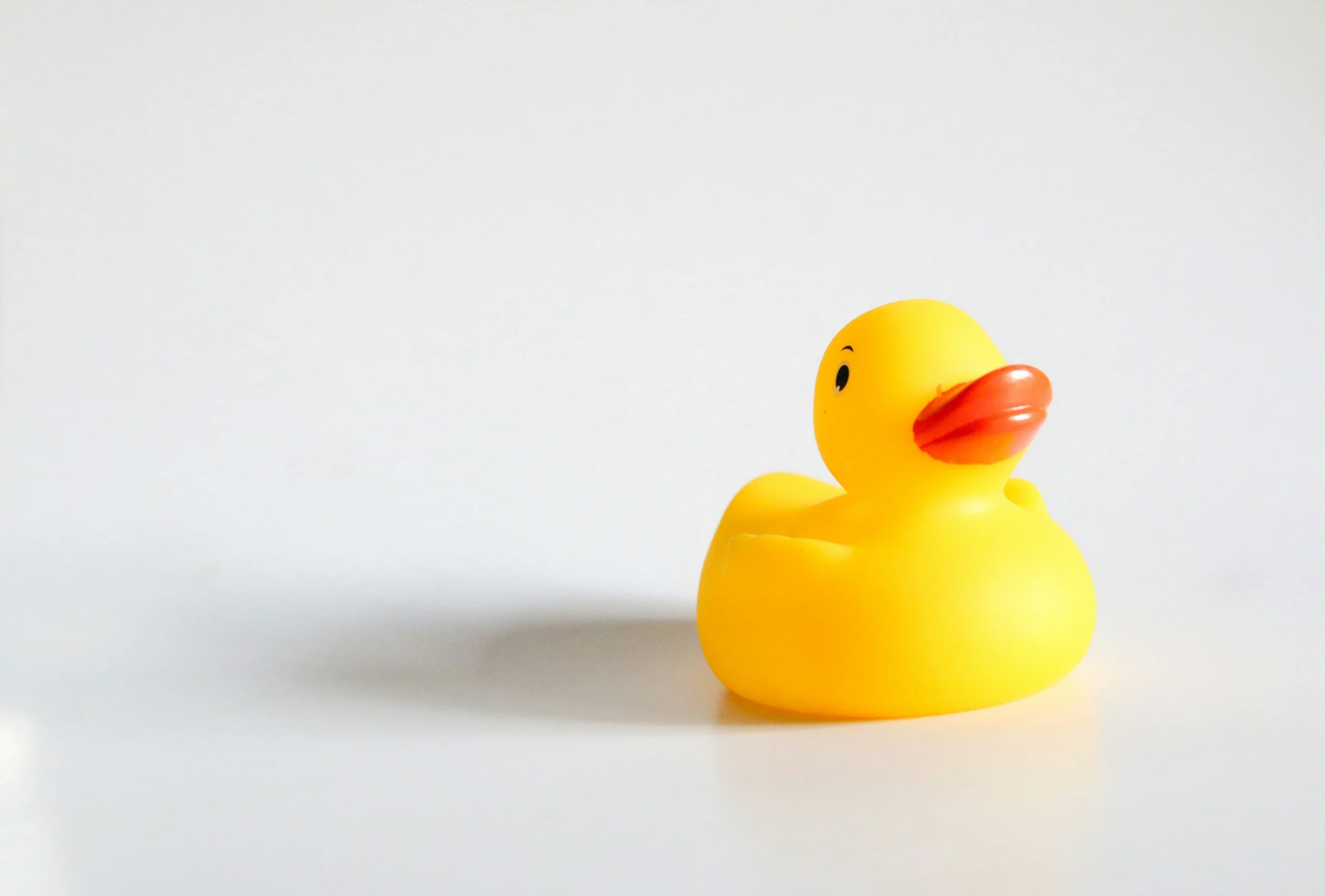
Squeeze a rubber duck and it speaks. That sound, a short wet chirp, is produced by one of the least examined components in promotional products: the squeaker valve sealed inside the hollow body. Buyers who specify ducks in volume eventually meet this component directly, because the squeaker decides whether the duck delights a toddler, annoys…
Selling Custom Ducks on Amazon: FBA Prep, Packaging and Paperwork

Custom rubber ducks sell steadily on Amazon, and the sellers who build real businesses on them share one habit: they treat FBA prep as a product specification rather than an afterthought. Ducks are a deceptively simple product to send into the FBA network, small, light, non-fragile, but they carry packaging, labeling and compliance decisions that…
Pantone Matching on PVC Ducks: Why the Color Is Off and How to Fix It
Every brand manager who orders custom ducks meets the same moment: the sample arrives next to the Pantone swatch, and the color is close but not quite the brand color. The gap is rarely carelessness. Matching a printed reference onto a molded PVC body crosses materials, processes and lighting, and each step bends the color…