A packaging reading of the sealed unit, the odds card and the case pack.
Blind-box discipline turns a duck range into a sealed unit, a stated ratio and a carton that keeps that ratio true after the inner packs are split. The format is worth borrowing for its paperwork, not for the opaque bag.
The short answer: A blind-box duck is not a duck in an opaque bag. It is a sealed unit, a stated set of odds, and a case pack that keeps those odds true after the carton is opened. Importers who copy only the opaque bag get a surprise. Importers who copy the three-part structure get a series that survives a shelf and a second order.
How the blind-box model actually works
The format makes three promises, and each one is a document rather than an idea. The first is sealed: the shopper cannot see the contents, so the unit has to be closed in a way that cannot be opened and resealed without evidence. The second is stated odds: the seller publishes a ratio per variant, which means someone has to define the ratio, hold it in the case pack, and keep it true after the inner packs are split. The third is a completable series: a finite list of variants with names, artwork and a place in the set.
Once the promises are written down, the format stops being mysterious. The seal becomes a film and a seam. The odds become a table of counts. The series becomes a bill of materials. A series that fails at retail usually fails on the second promise, because the case pack and the odds card disagree by one or two figures. That is a packing error, not a design error, and it is fixed in the carton rather than in the artwork.
| What the format promises | What it becomes in an order | Where it fails |
|---|---|---|
| A sealed unit | Film, gauge, seam, opening method, tamper evidence | A resealed unit looks identical on the shelf |
| Stated odds | Count per variant, written into the case pack | The odds card and the case pack disagree |
| A completable series | Variant list, art per face, body plan | A short pack makes one figure impossible |
| A retail-ready case | Inner pack, case count, packing list, case barcode | The case cannot be scanned or split cleanly |
What a duck programme already has that the format needs
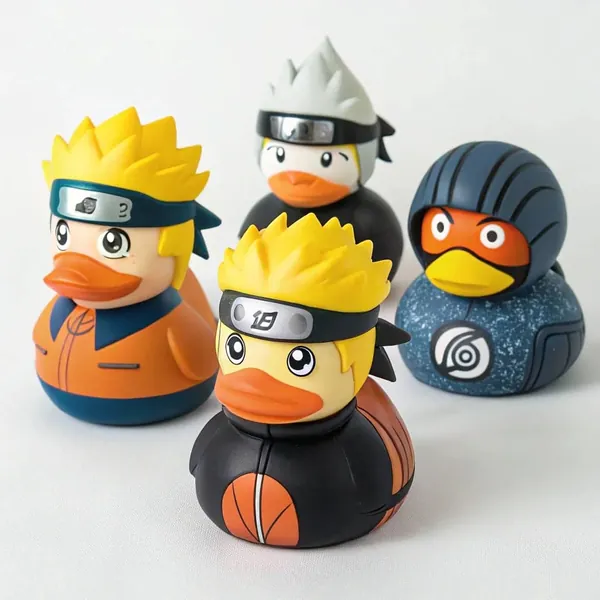
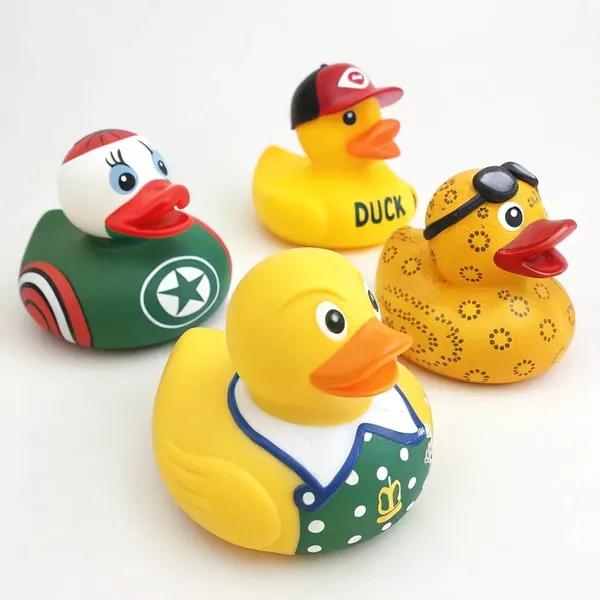
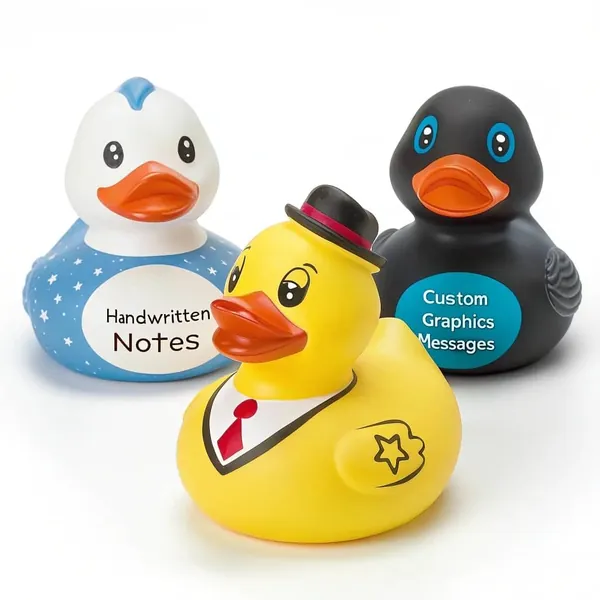
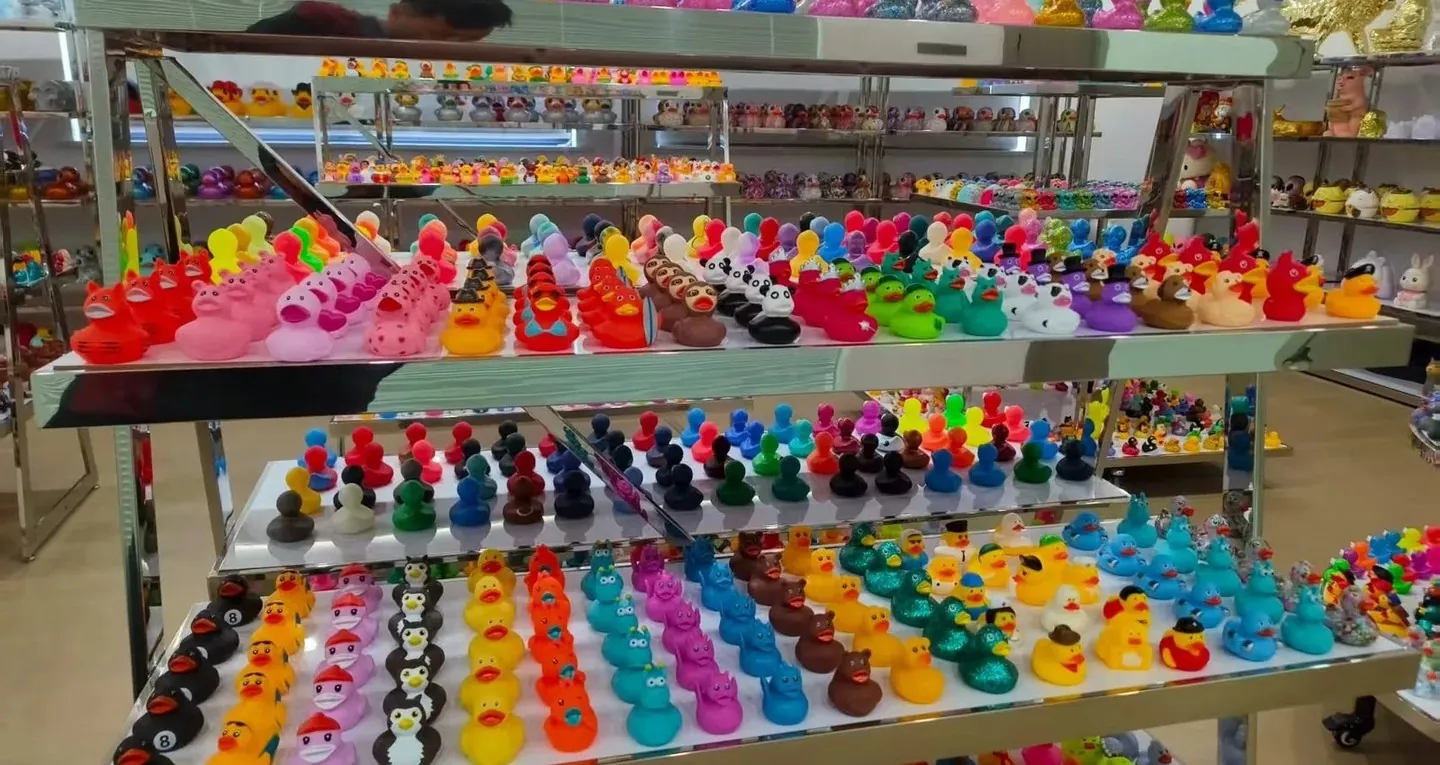
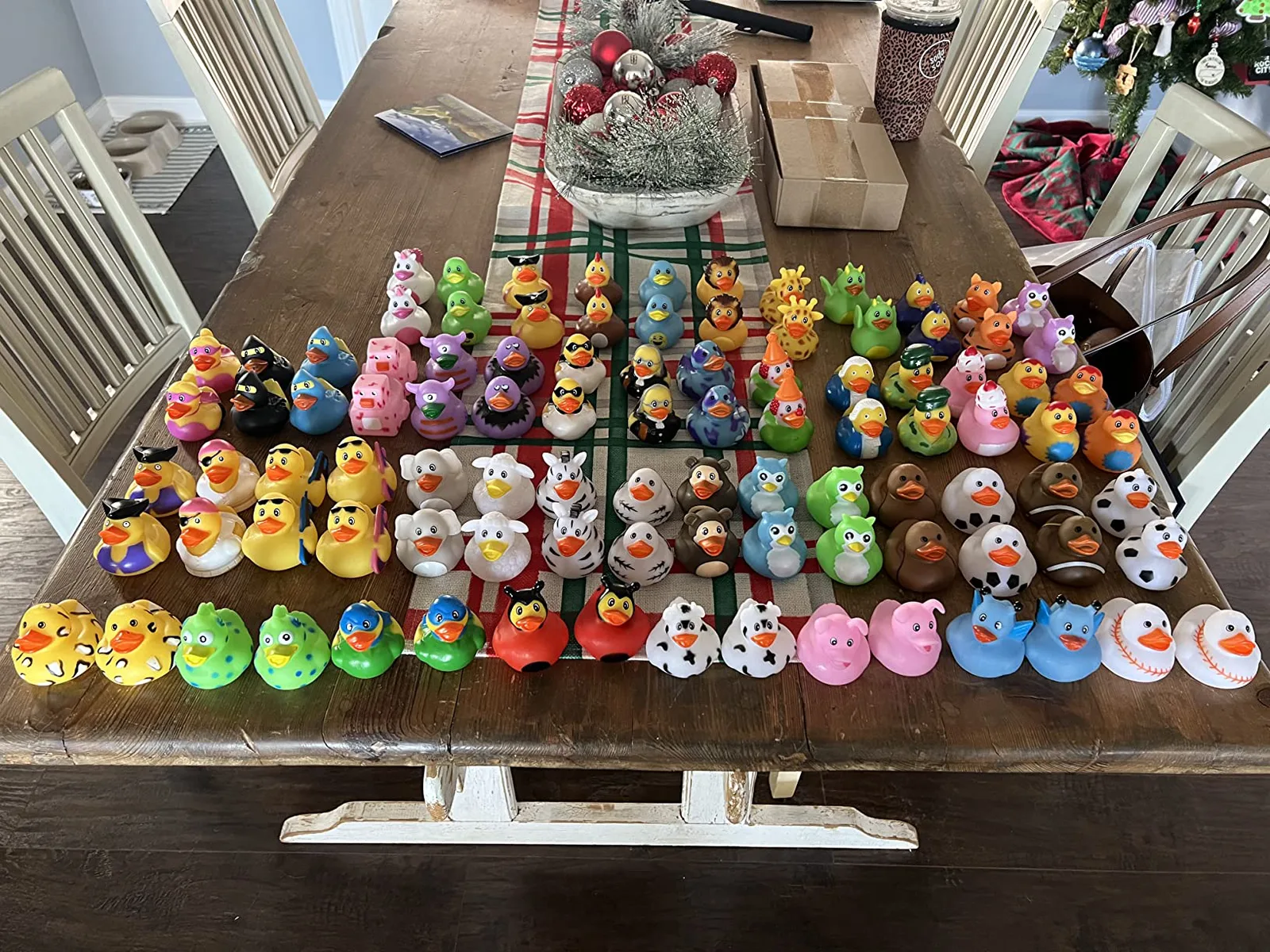
A rubber duck is a low-value unit with a high variation ceiling, and that combination is why the format fits. The body is one moulded shape. The variation lives in paint, print, finish and a small accessory, so a series can grow without a new tool for every figure. A supplier with a stock body and a working print face is already most of the way to a collectible line.
What the duck does not have is a reason to collect. The format supplies it: a named set, a visible rare figure, and a story on the odds card. The collectible duck market already runs on that logic, and subscription boxes show how the same set can be released over time instead of all at once.
The practical reading for an importer is that the product does not need to change much. The packaging does. A duck that ships in a polybag is a giveaway; the same duck in a sealed printed unit with a variant mark is a collectible. The difference is a specification, not a new factory.
Rarity belongs in paint and accessories, not in a second mould
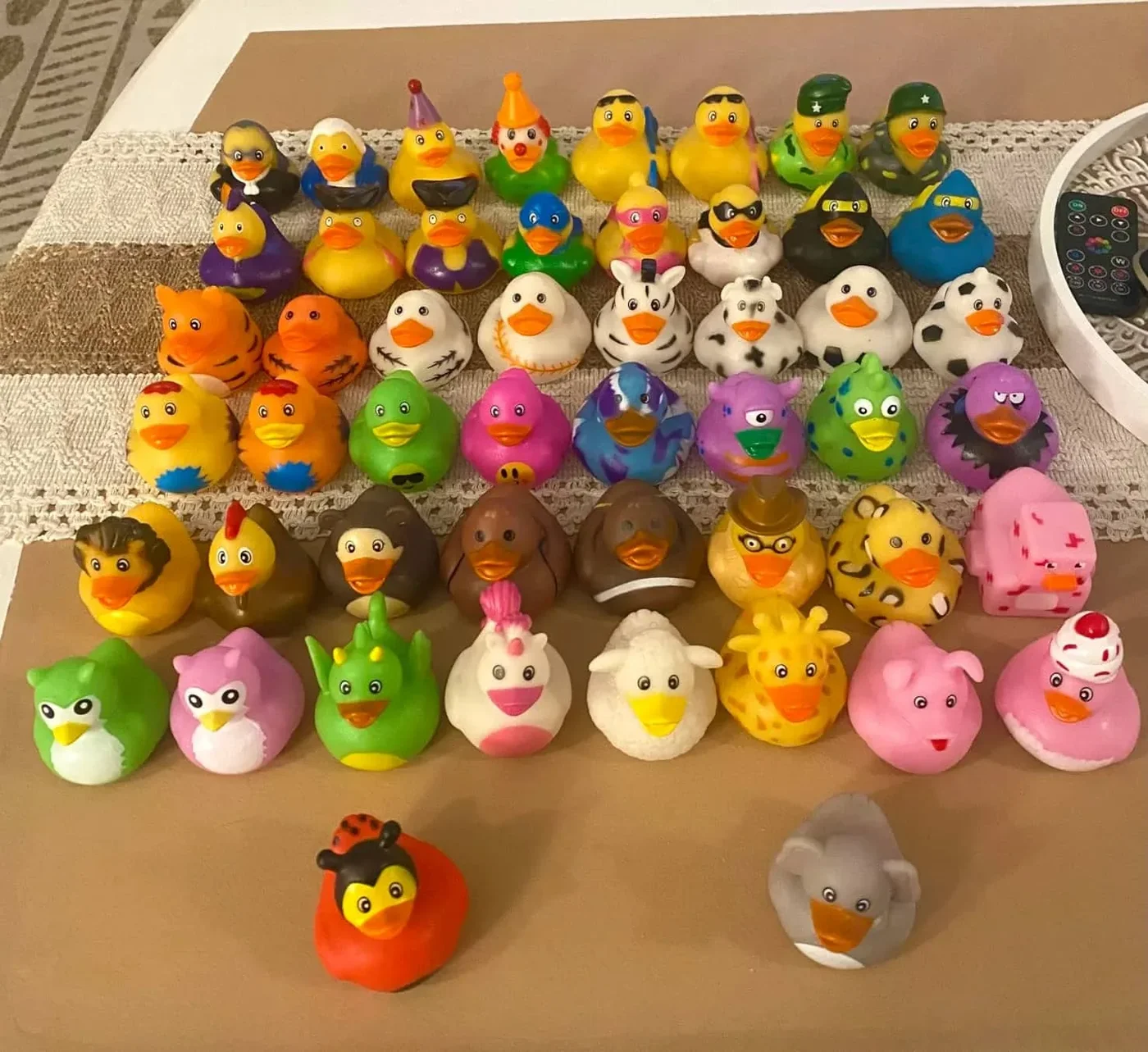
The most expensive mistake in a collectible series is deciding that the rare figure needs its own body. A second body means a second tool, a second moulding queue and a second set of tolerances, and all of that is spent on the variant that ships in the smallest quantity. The rare figure is also the one most likely to change after the first sales report, which makes a dedicated tool the least flexible asset in the project.
Paint carries rarity better. A metallic finish, a two-colour face, a matte body against a gloss set, an accessory that clips over the same body: each of those reads as different on a shelf while sharing the tool with the common figures. The same logic applies to the printed card and the unit, which can name a variant without touching the mould.
There is a production reason as well as a commercial one. A series is sorted after moulding, and if every figure comes off the same tool the sort is a colour and print check. If one figure comes off a different tool, the line has to hold a separate batch, and the odds calculation now depends on two schedules instead of one. Sample inspection is where that difference shows up first.

What a series spec has to fix before the first case
A series spec is shorter than most buyers expect and more specific than most suppliers want. It fixes the variant list and the official name of each figure, because the name goes on the unit, the packing list and the reorder. It fixes the body allocation: which figures share a body and which, if any, do not.
Then it fixes the counts. The ratio has to exist as a table before the carton is planned, and the case pack has to be built from that table rather than from a round number. It fixes the seal: film type, gauge, seam, and the opening method the shopper will actually use. It fixes the inner pack and the case count, the packing list that travels with the case, and the case barcode that lets a retailer receive it without opening it.
Finally it fixes the age grade and the warnings, which decide the copy on the unit and the artwork around it. The purchase contract is the right place for the ratio and the seal, because both are the kind of commitment that is easy to describe in a chat and hard to enforce afterwards.
Sealing and case packs decide the retail outcome
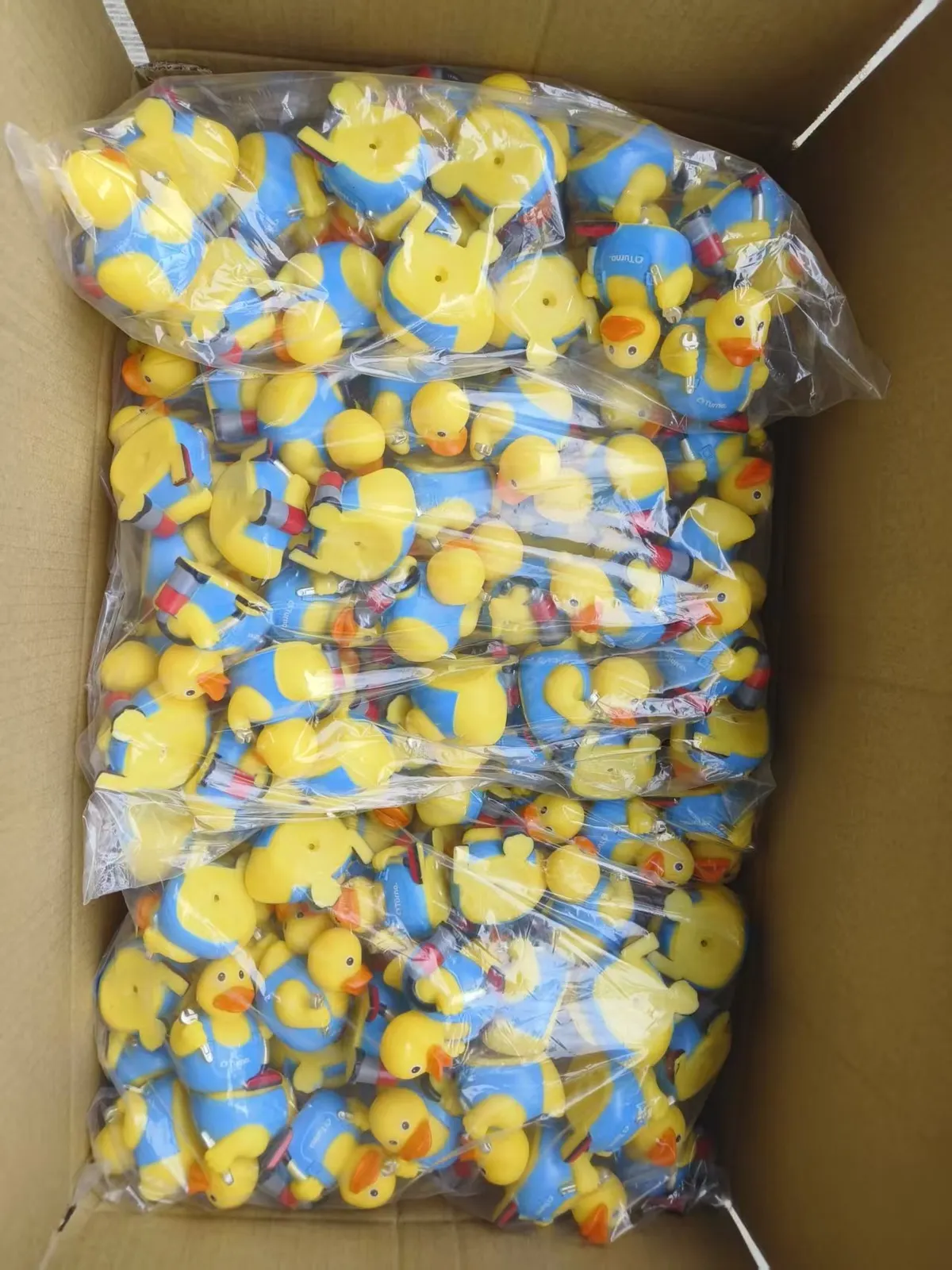
The seal is judged in the hand before it is judged on the shelf. A shopper who has opened one unit in a series knows what the film feels like, and a unit that feels lighter or looser reads as a return before it is even opened. Importers should ask for the same film and the same seam across the whole run, including the rare figure, because the rare figure is the one people weigh in their hand.
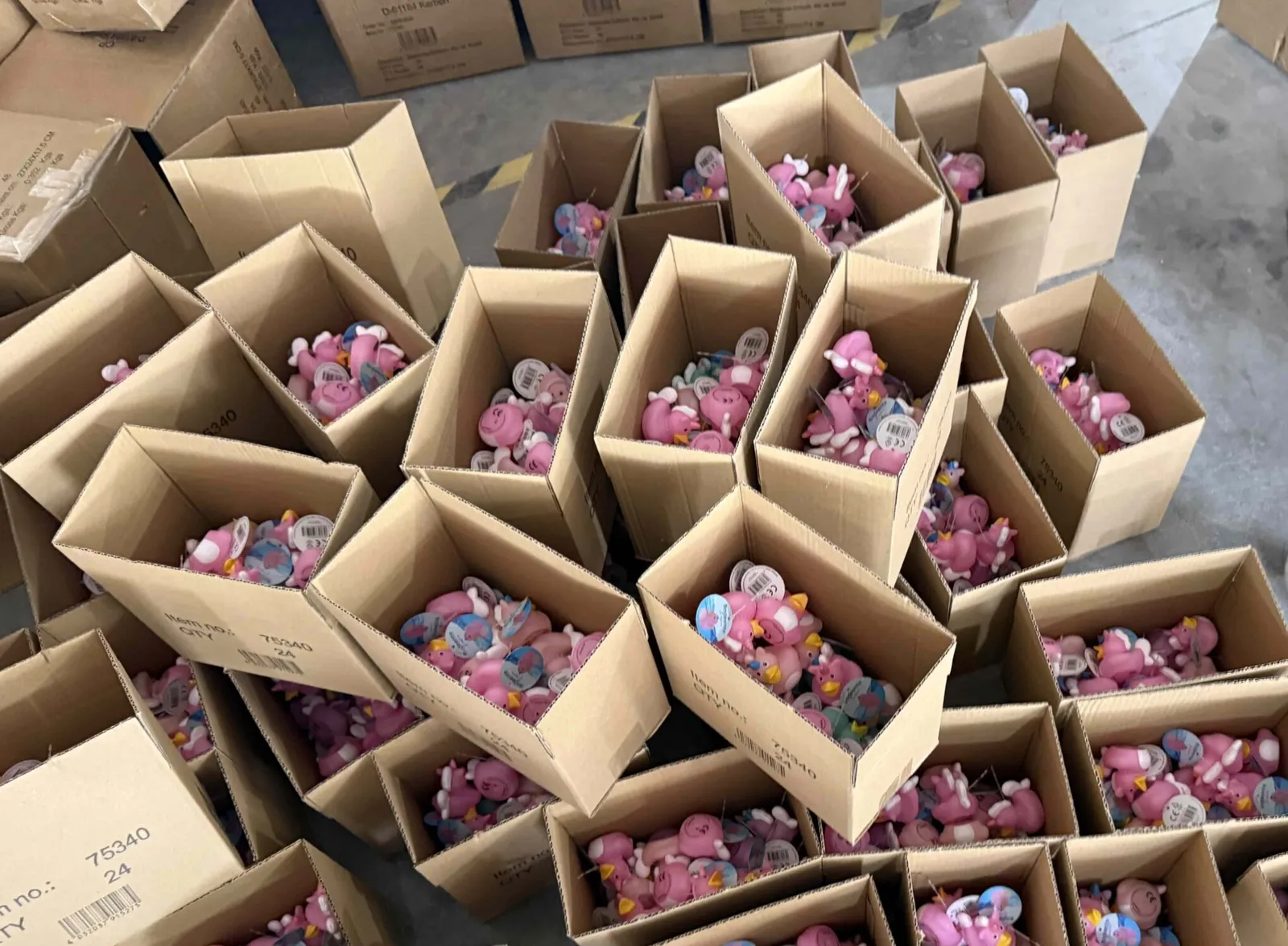
The case pack decides whether the odds survive contact with a store. A case that holds the ratio exactly can be opened, split into inner packs and sold without arithmetic. A case that holds an approximate ratio will drift as soon as a retailer breaks it, and the drift lands on the shopper who buys the last three units. The packing list should match the case count line by line, and the case barcode should identify the series, not just the carton size. For the carton side of that conversation, the carton spec page is the reference I use.
One more packaging point is often missed: the plastic film around a toy is regulated, not decorative. The CPSC toy safety guidance states that certain plastic film, including packaging, must average more than 0.00150 in. in thickness or be perforated so that one percent of the surface is removed. A sealed unit is a film decision before it is a design decision.
The compliance file is the same as any small toy
A blind-box duck is still a toy, and the sealed format makes the file more important rather than less, because the shopper cannot inspect the product before buying it. Age grading comes first. The scope of the small-parts rule at 16 CFR 1501.2 covers toys intended for children under three and names bathtub, wading pool and sand toys among the articles in scope, which is exactly where a rubber duck lives.
The material line comes next. The phthalate rule at 16 CFR 1307.3 prohibits children's toys containing more than 0.1 percent of DEHP, DBP or BBP, and its scope reaches any plasticised component part. A new coating or a soft accessory is therefore a new material question, not a decoration question. The toy safety label guide covers where the age grade and warnings have to sit.
For a duck sold in the United States as a children's toy, the CPSC toy safety guidance explains that section 106 of the CPSIA made ASTM F963 a mandatory consumer product safety standard for children's toys. The file should name the standard version, the test scope and the variant list the report covers, because a series is only as compliant as its least documented figure.
Pilot the series without gambling inventory
A first series is a test, and the test should be sized like one. One case, one channel, one recorded result per variant is enough to see which figures move and which sit. The point of the pilot is not to prove the whole series; it is to correct the ratio before the second case is packed.
Record the sell-through per variant, not the total. A series can sell out overall and still leave one figure on the shelf, and that figure is the one that decides whether the set feels finishable. If the rare variant is the one that sits, the problem is usually the odds card, not the duck. If a common variant sits, the artwork or the name is doing less work than the others.
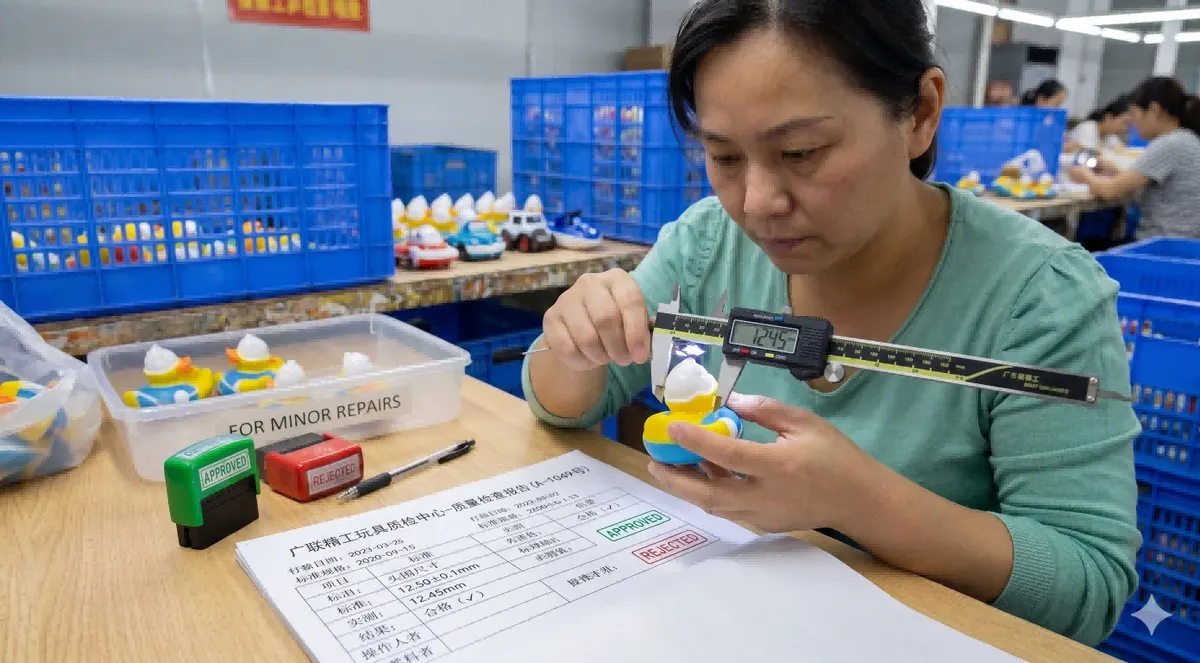
Keep the seal and the body plan fixed during the pilot. Changing either turns a ratio test into two tests at once, and the second case inherits a problem the first case cannot explain. The seal and durability tests belong in the pilot for the same reason: the seal is the part of the format that a shopper judges first and a retailer judges last.
Five questions to settle before the first case
The series has to feel finishable without crowding the shelf.
- Can every variant run on one or two bodies and be carried by paint?
- Does the seal feel the same in the hand across the run, rare figure included?
- Does the case ratio match the odds card after the inner packs are split?
- Is the age grade and the small parts warning visible before the unit is opened?
Score the answers, not the artwork. A series with a beautiful rare figure and a case pack that cannot deliver it is a promise the packaging will break. The five questions are also the agenda for the first quality conversation with a supplier, because each answer is a document someone has to produce.
Frequently Asked Questions
Is a blind-box duck just a duck in a sealed bag?
No. A sealed bag hides the contents, but a blind box also states a ratio and completes a set. Without the odds card and the case pack, a shopper is buying a surprise, not a collectible, and a retailer has no way to check that the assortment it received matches the assortment it was sold.
How many designs should a first series carry?
Enough that a shopper can name the one they are missing. The number is set by the shelf, the case pack and the number of print faces one body can carry, not by a target picked in advance. A short series that completes is stronger than a long one where two figures never appear.
Can the rare variant share a body with the common ones?
Yes, and it usually should. Rarity can be carried by paint, finish, a clip-on accessory or the printed card. A separate body for the rare figure adds a tool and a second schedule to the variant with the smallest count, which is the least useful place to spend both.
What has to be printed on the unit and the case?
The series name, the variant mark, the age grade and the small parts warning on the unit; the series name, the case count, the packing list and the case barcode on the carton. The odds statement belongs where a shopper can read it before buying, not only on the outer case.
Final Note
I would rather launch a short series that completes than a long one that almost does. The format rewards a buyer who fixes the ratio, the seal and the case pack before the artwork, because those three decisions are what a shopper actually experiences. The duck is the easy part; the carton is where the format is won or lost. Keep the first pilot small, record each variant separately, and let the second case carry the corrected odds. That is a slower start than a bold launch, and it is the only version of the series that a retailer can reorder with confidence.
Key takeaways
- How the blind-box model actually works: The format makes three promises, and each one is a document rather than an idea.
- What a duck programme already has that the format needs: A rubber duck is a low-value unit with a high variation ceiling, and that combination is why the format fits.
- Rarity belongs in paint and accessories, not in a second mould: The most expensive mistake in a collectible series is deciding that the rare figure needs its own body.
- What a series spec has to fix before the first case: A series spec is shorter than most buyers expect and more specific than most suppliers want.
- Sealing and case packs decide the retail outcome: The seal is judged in the hand before it is judged on the shelf.
- The compliance file is the same as any small toy: A blind-box duck is still a toy, and the sealed format makes the file more important rather than less, because the shopper cannot inspect the product before buying it.
- Pilot the series without gambling inventory: A first series is a test, and the test should be sized like one.
- Five questions to settle before the first case: The series has to feel finishable without crowding the shelf.