A subscription duck series is judged on the second delivery, because that is the one the subscriber compares with the first. The first duck is a surprise and gets a pass. The second one is evidence: same body, same finish, same print quality, same size in the hand. A series lives or dies on whether that comparison goes well, and everything worth deciding before the first drop is decided with the second drop in mind.
Written as a working note on series production, with public toy safety and packaging guidance cited where a rule applies.
In short: A subscription series is a consistency problem before it is a design problem. One or two bodies have to carry a year of looks, the print has to be specified so it holds up across drops, the mailer sets the size the duck has to fit, and the safety file belongs to the programme rather than to each drop. Get those four right and the monthly design work becomes paint and artwork rather than new tooling.
The series problem: one body, twelve looks
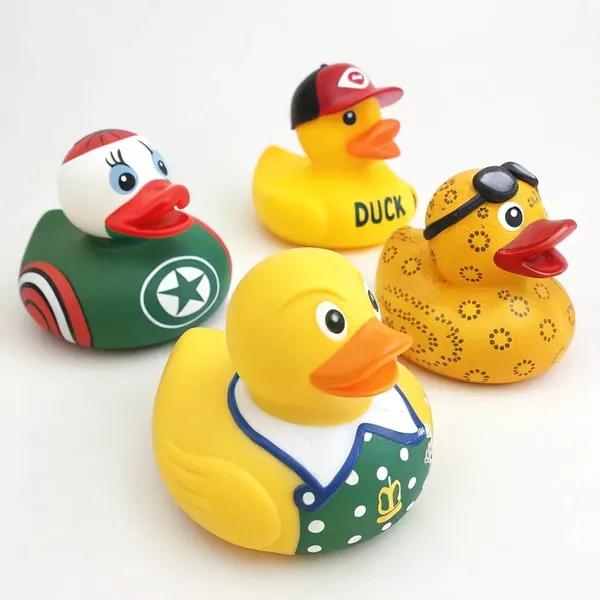
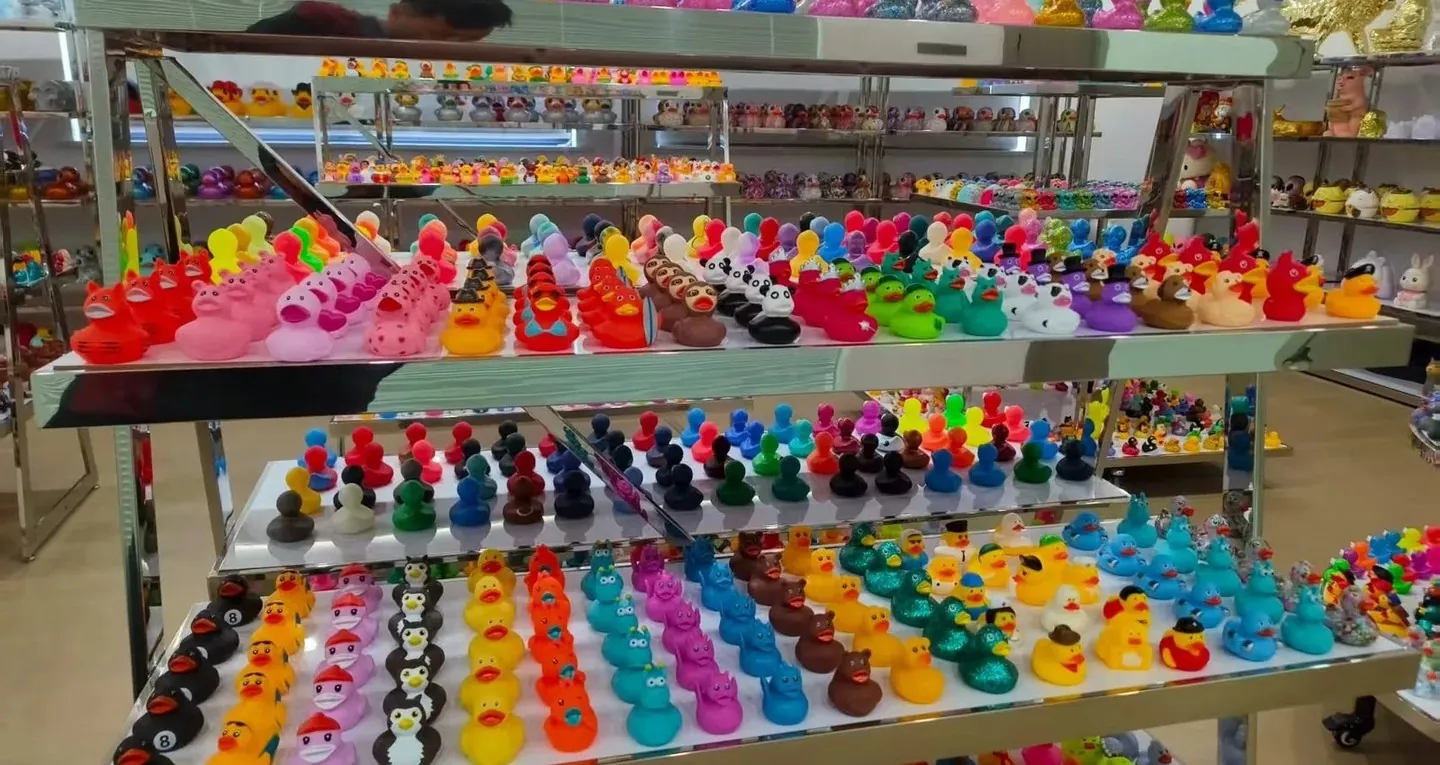
A monthly duck cannot be a monthly mould. Tooling takes time and money, and a series that needs a new tool every month is a series with a permanent bottleneck at the front. The workable version is one or two bodies and a set of looks built from colour, paint, print and a small number of add-on pieces.
That changes the design brief. Instead of asking what this month's duck is, the brief asks which parts of the duck stay fixed for the whole year and which parts carry the month.
| Part of the duck | Fixed for the year | Carried by the drop |
|---|---|---|
| Body and base | Yes | No, a new body is a programme decision |
| Beak and eyes | Yes | Position only, and only if the drawing allows it |
| Colour | No | The month's colour story |
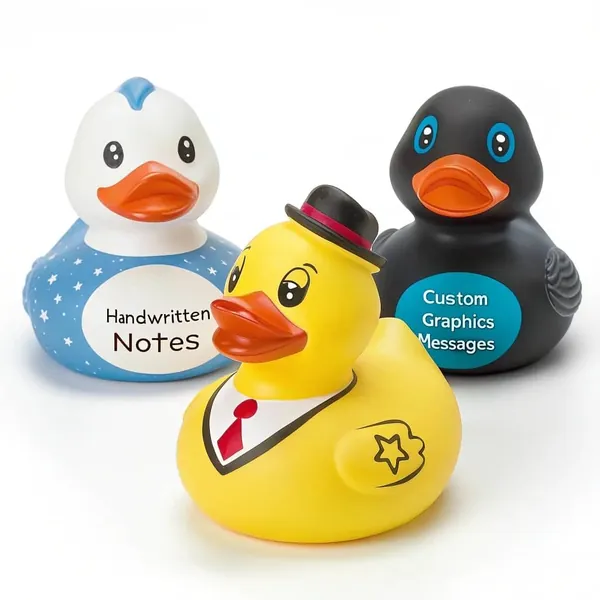
| Paint and print | Application method | Artwork and message |
| Props and add-ons | Attachment method | The prop itself, if the body can carry it |
Read the table as a budget of change. The fixed column is what the subscriber recognises between drops, and the variable column is what makes the month feel new. A series that moves items from the left column to the right every month is not a series any more, it is a run of one-offs with a subscription label. The base design note shows how much variation a single body can carry before a second tool is the honest answer.

The mailer is the real size constraint
The box decides the duck before the duck decides anything. An outer mailer has a fixed internal height, and a duck that stands too tall either bends the mailer or arrives pressed against the lid. That is why the size decision belongs to the pack, not to the artwork, and why a series should pick one duck height and hold it for the year.
Two measurements settle it. The internal height of the mailer, and the height the duck needs including any hat or prop. A duck that clears the mailer by a comfortable margin survives a drop; one that touches both ends is gambling on the outer carton. The packaging note covers the bag and insert choices that make the fit reliable, and the pack note covers what else the pack has to do besides fit.
Print adhesion is where a monthly duck fails
A print that looks perfect on the first duck and dull on the eighth is usually not a print problem. It is a specification problem: the surface, the ink and the cure were never fixed as one process. Across a year of drops, small variations accumulate, and the subscriber sees the difference even when the factory cannot.
The fix is to write the print specification into the programme rather than into each drop: which surface is printed, which ink system, and what the approved sample looks like under normal light. The fading note covers the environmental side, and the logo placement note covers why the same artwork behaves differently on a chest and on a side.

The unboxing moment is a pack decision
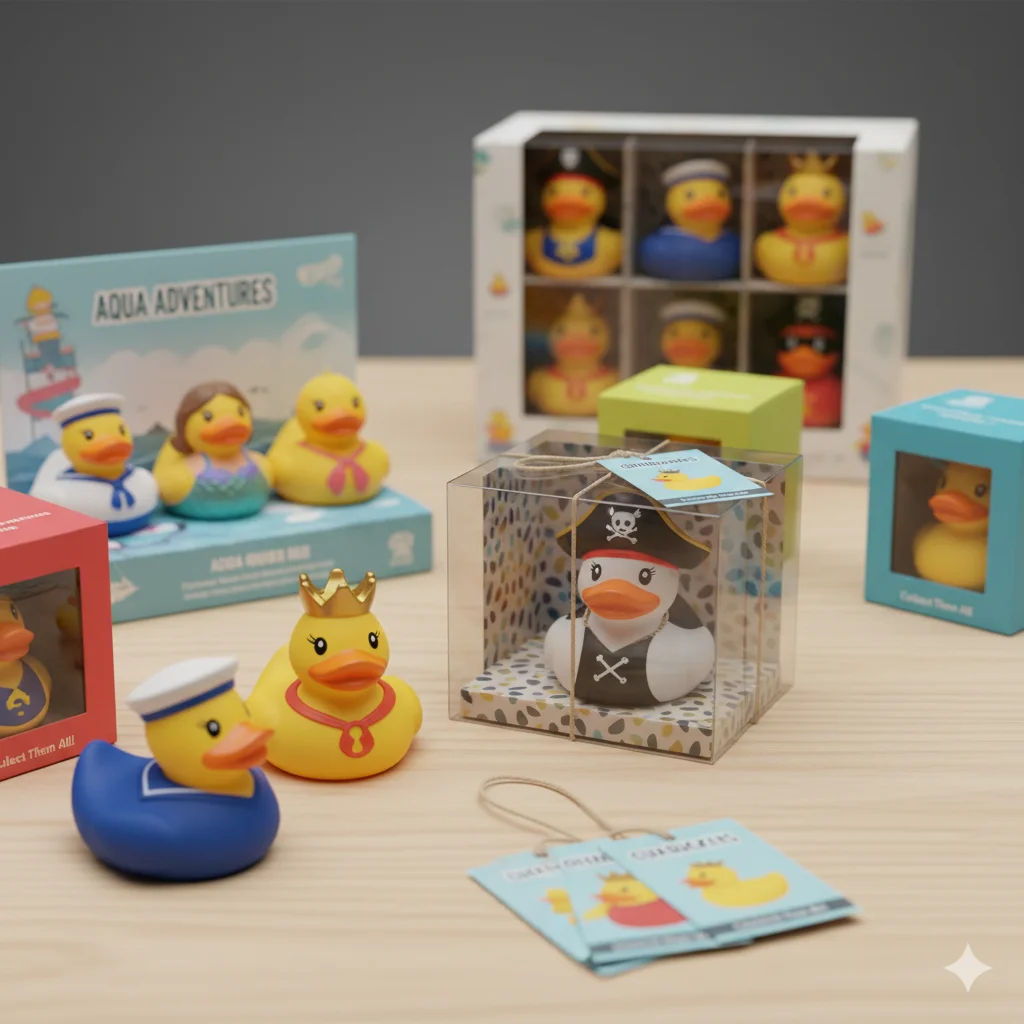
A subscription box is opened on camera more often than a bulk carton is. That changes what the pack has to do. The duck should be visible on opening, held so it does not rattle, and accompanied by the one piece of paper that explains the month. A bag that has to be torn, a duck buried under filler and a card that falls out face down all waste the moment.
The practical version is a simple frame: a card insert that holds the duck in place, a printed sleeve or belly band that carries the month, and a mailer that opens without a knife. None of those are expensive changes, and all of them are decided before the first drop, because the mailer and the insert are produced in their own run.
Repeat drops need one approved standard
The standard is a physical duck, not a photograph. It is the unit that was approved at the start of the programme, kept sealed and labelled with the specification, and used as the comparison for every later drop. Without it, each drop is judged against the memory of the last one, and memory drifts.
The standard has to cover the parts that vary as well as the parts that do not. That means a reference for the body, a reference for the print, and a colour reference for each look in the calendar. When a new drop is briefed, the question is which references it inherits and which it changes on purpose. The colour note explains why a colour reference behaves differently on a duck than on paper.
The safety file belongs to the programme, not the drop
A monthly series is one product line with a changing look, and the compliance work follows the line. The CPSC's toy safety guidance sets out the testing and certification duties that apply to a children's product, and a new colourway is a change to the product that the file has to account for. Treating each drop as a fresh start is how a series ends up with twelve files and no coherent record.
The same logic applies to the pack. Packaging placed on the market carries its own material and marking duties, and the European Commission's packaging page sets out the framework that a mailer has to sit inside. A series that changes its mailer three times a year changes its compliance surface three times too.
Themes that repeat without a licence
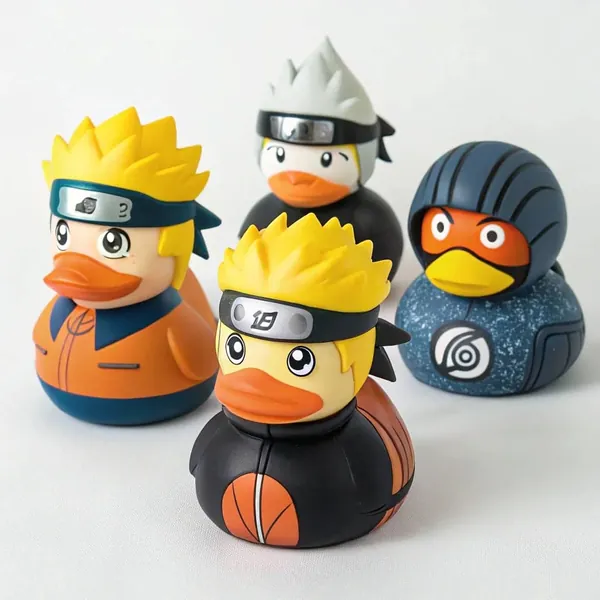
Themes are where a subscription series is most exposed, because a monthly calendar invites borrowed characters. A duck dressed as a known character solves a design problem and creates a legal one, and the risk sits with the party that put the product on the market.
The safe version of a theme is a category rather than a character: a season, a profession, a hobby, a colour story, a material finish. Those carry the month without borrowing a name, and they keep working across drops because the audience reads the theme rather than the reference. The licensed design note covers the detail decisions that make a themed duck read as a character without a licence.
Four questions before the first drop
- How many bodies will the year run on, and what does that fix?
- Does the tallest duck in the calendar fit the mailer with room to spare?
- Which references travel with every drop, and which change on purpose?
- Who owns the standard, and where is it kept?
Frequently Asked Questions
Does every drop need a new mould?
No. A year can run on one body with colour, paint, print and a small number of add-on pieces. A second mould is worth it when a recurring theme needs a shape the first body cannot carry, such as a hat or a seated pose, and it should be planned as a programme decision rather than a monthly one.
Can one box mix sizes in one drop?
It can, but it complicates the pack. Two sizes mean two insert positions and two fit checks, and the mailer has to hold both without letting either move. If the calendar genuinely needs two sizes, fix the pair at the start and design the insert around both.
What if a colour drifts between drops?
A drift is caught by a physical reference, not by a screen. Keep a colour reference for each look and compare the new drop against it under the same light. If the drift is visible against the reference, it is a change, and a change should be a decision rather than a surprise.
Who owns the tool if the box changes supplier?
That is a contract question, and it should be answered before the first drop rather than at the end of the relationship. The usual arrangement is that the buyer owns the tool that was paid for, with the factory holding it for production. Whatever the arrangement, it belongs in writing.
Final Note
A subscription series with one body, one standard and a boring pack beats a calendar of twelve brilliant ducks that never look like the same product. The subscriber is not buying a surprise every month. They are buying the same pleasure, repeated, and the whole job of the production side is to make the repetition invisible.
Key takeaways
- The series problem: one body, twelve looks: tooling is a programme decision, not a monthly one.
- The mailer is the real size constraint: the box decides the duck before the artwork does.
- Repeat drops need one approved standard: a sealed physical reference, not a photograph.
- The safety file belongs to the programme, not the drop: a colourway is a change the file has to account for.
- Themes that repeat without a licence: use a category, not a character.