Collector demand runs on the same duck a giveaway buyer takes for granted, with a harder test attached. A collector keeps the object, compares it with the last one and notices the parts nobody else looks at: the seam, the paint edge and the weight in the hand. That is why the tool, the colour standard and the packaging come before the artwork.
A collectible series is planned from the tool backwards, because the decisions that make a duck worth keeping are taken before the first shot.
In short: collectibility is scarcity, story and visual appeal held in one object, and a custom series is the only way to control all three, because a stock mould cannot give a line its own shape, its own colour standard or its own box. What a custom design commits you to is not only a tool: it is a paint decision, a packaging format, a safety file and a rights position. The market pays for the difference between a duck that was chosen and a duck that was printed.
Why a bath toy ends up in a display case
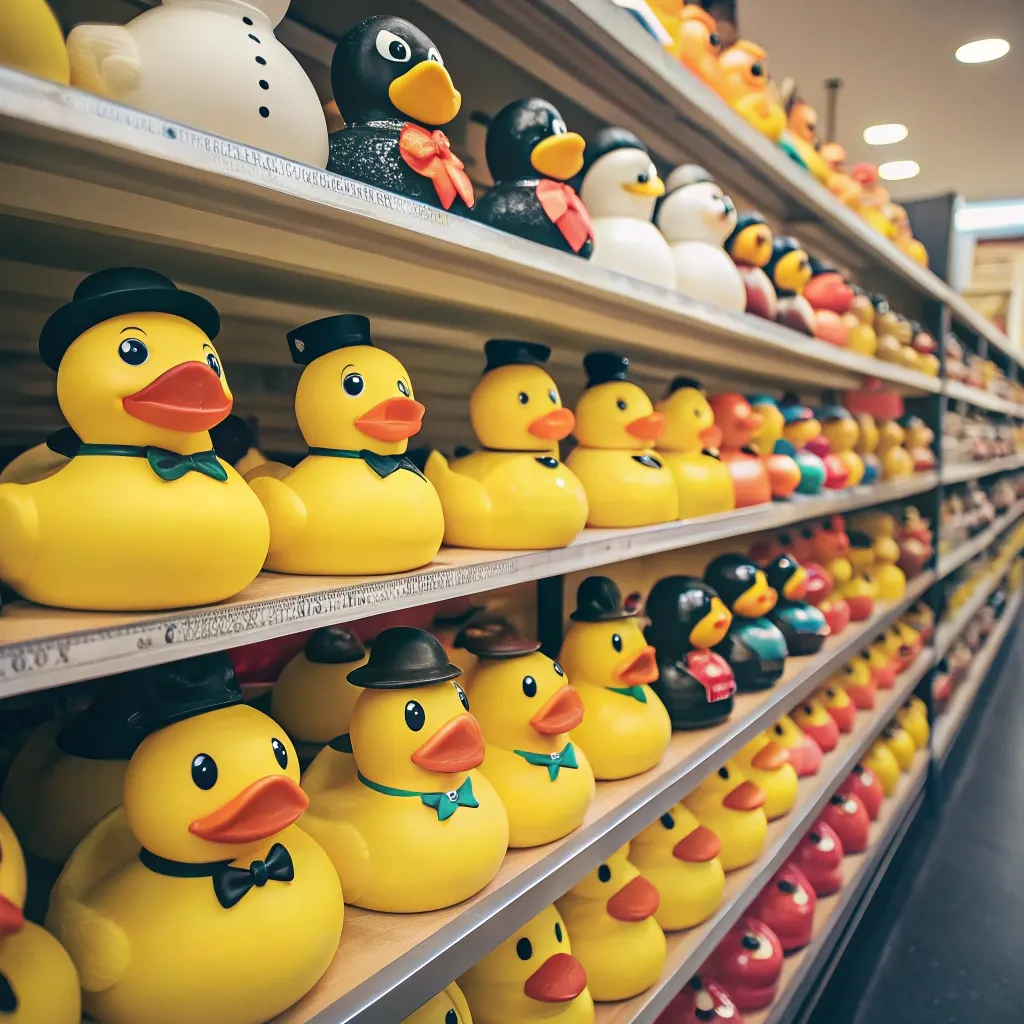
A duck leaves the bathroom when it stops being interchangeable. That happens through three levers, and only one of them is artwork. The first is scarcity: a run that ends, a year that closes, a mould that is retired. The second is story: a reason the duck exists that a buyer can repeat in one sentence. The third is visual appeal at arm's length, which for a moulded toy means silhouette, paint and finish rather than a clever graphic.
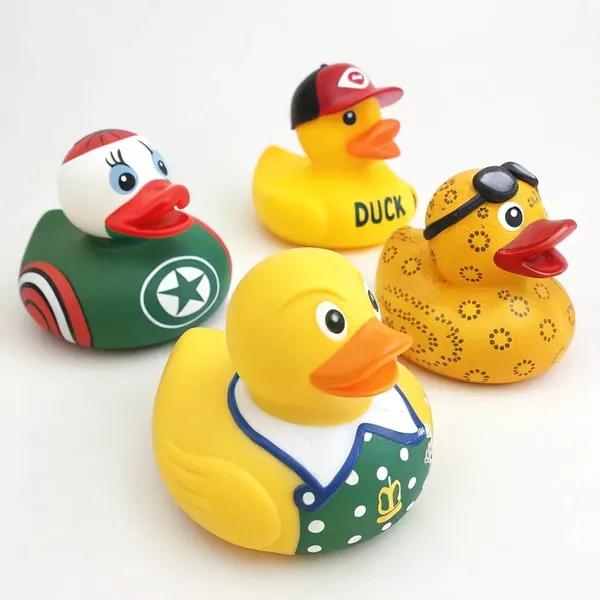
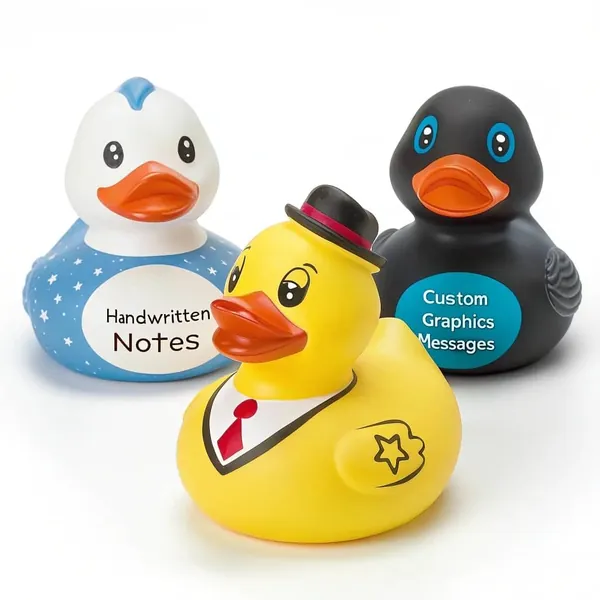
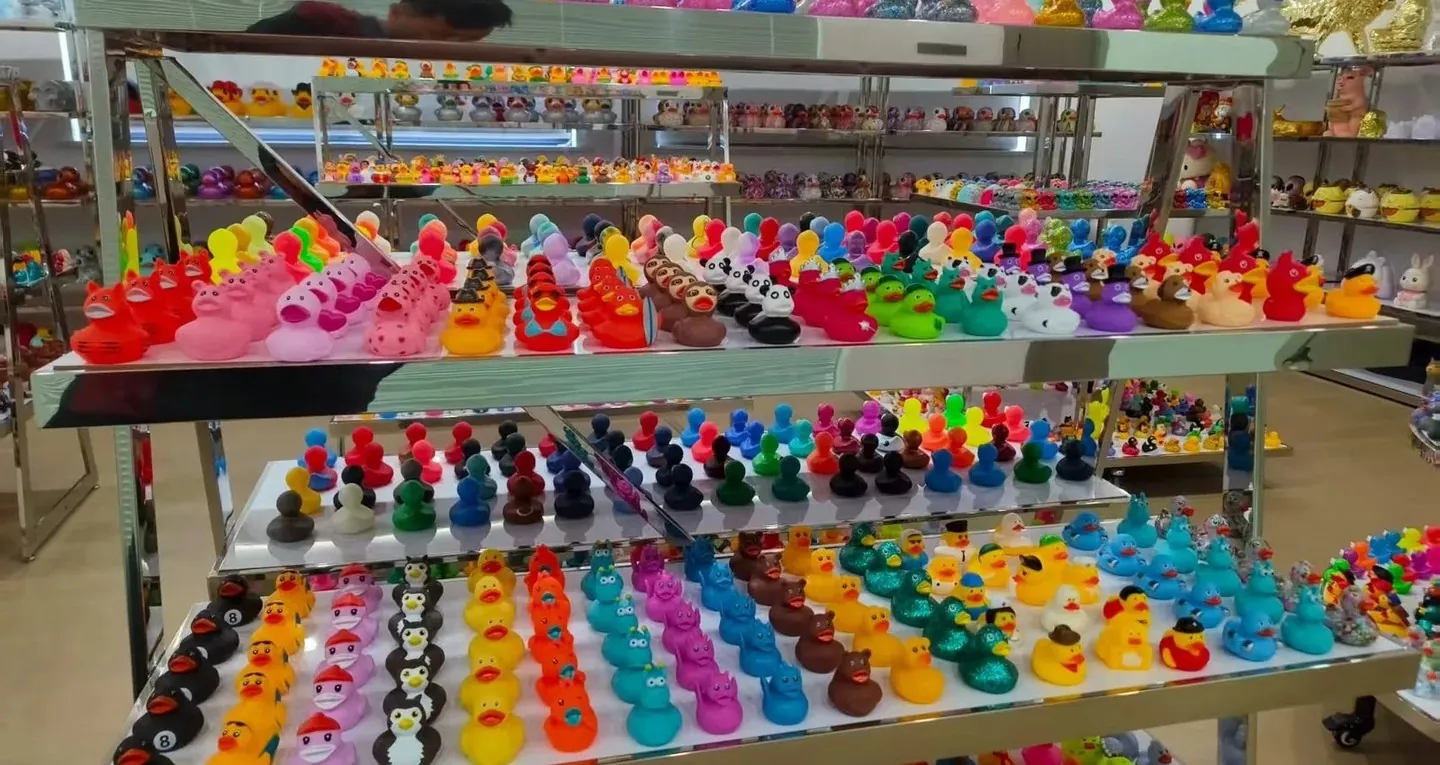
Retail shelves show the difference plainly. A shelf of stock ducks in plain colours reads as merchandise, however cheerful, because every unit is the same and every unit can be reordered next month. A shelf where one duck has a sculpted prop, a second colour and a number on the base reads as a series, and the eye goes to the one that is different. That is the whole commercial argument for custom tooling: it creates the difference the shelf cannot manufacture by itself.
A series sells the second duck, not the first
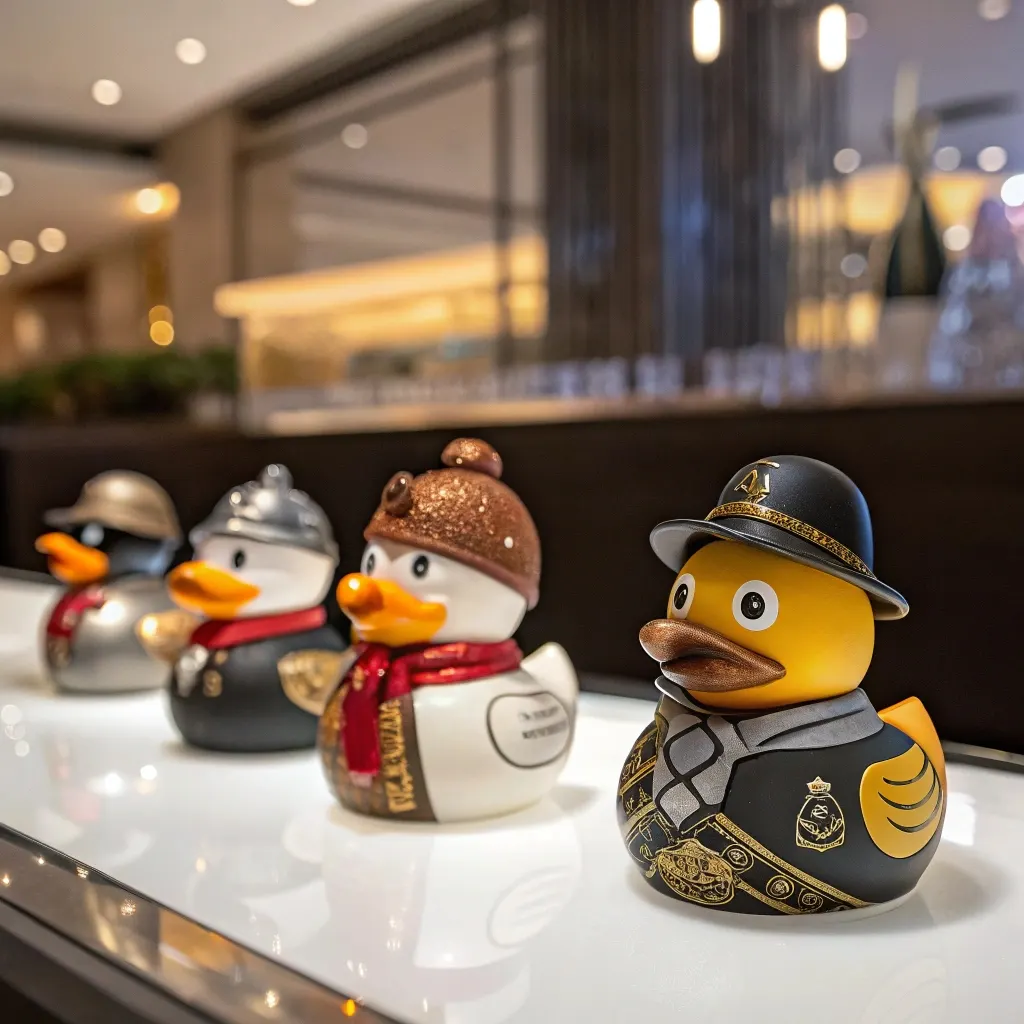
A single custom duck is a gift. A series is a collecting behaviour, and behaviour is what a buyer is really commissioning. The first duck has to be attractive enough to be picked up; the second has to be promised before the first is sold, or the collector has nothing to continue. That promise is structural, and there are four shapes it usually takes.
| Line structure | What it asks of the buyer | What it asks of the tool | Where it usually fails |
|---|---|---|---|
| Numbered edition | a fixed run size decided before the mould is cut | one body, one paint mask, a number position that survives handling | the run is extended after the number was announced |
| Seasonal series | a release calendar that holds for a year or more | one body reused across several paint schemes | the second season arrives with a different body |
| Model or theme line | a subject with more than one obvious variant | one body plus moulded props or a second paint mask | the variants look like the same duck recoloured |
| Blind box set | a set size and a duplication rate | several bodies or several paint schemes in one carton | the set is short-packed and collectors cannot finish it |
The table is the reason a series is a tooling decision rather than a design decision. Each structure asks for a different number of bodies, a different number of paint masks and a different position for the number or the year, and those three answers are fixed by the mould. The blind box sourcing note covers the set-size question from the carton side, and the stock mould comparison covers what a buyer gives up by starting from a shape that already exists.
The one element that earns a place in a collection
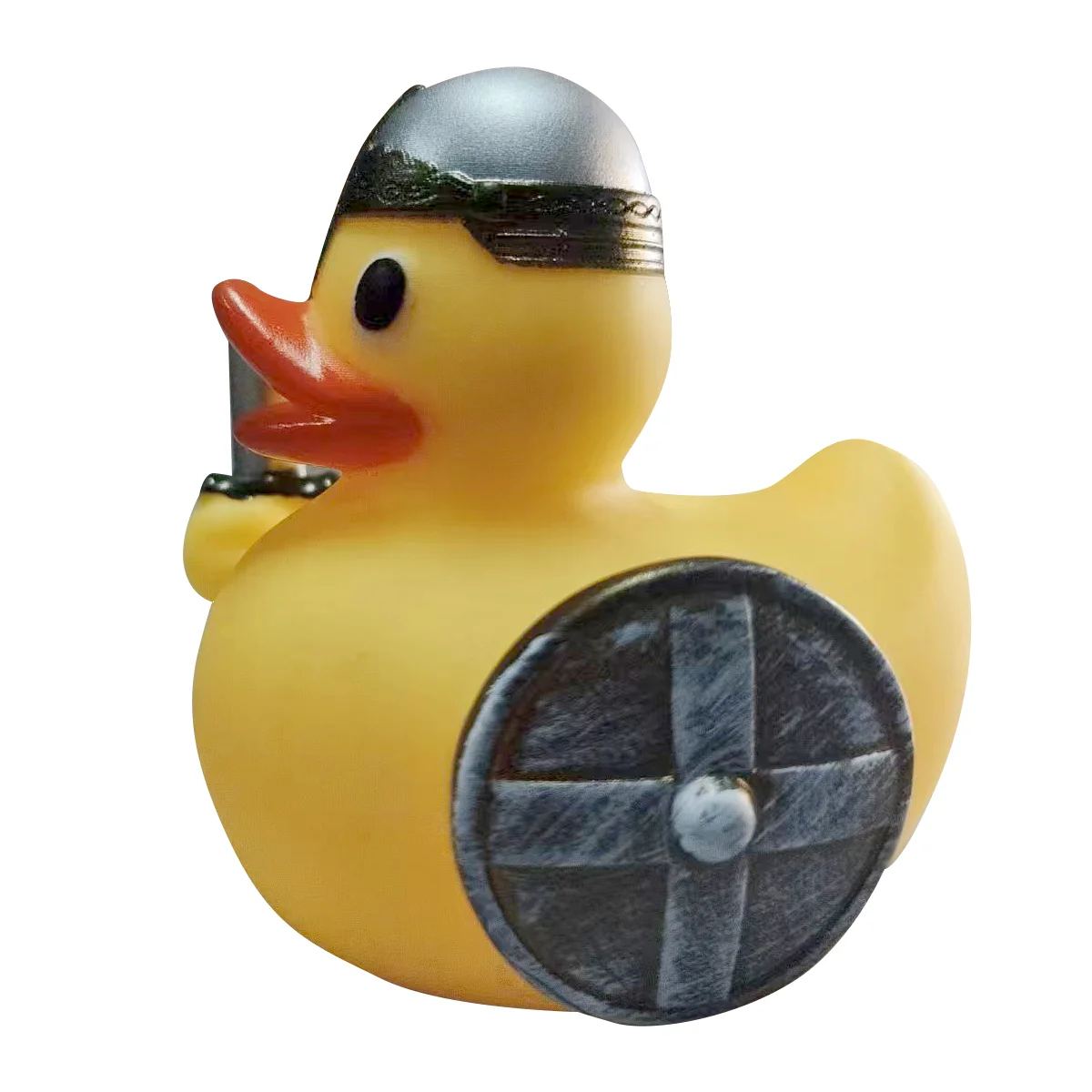
Every collectible duck that holds its place in a collection has one element that could not be printed on. Sometimes it is a moulded prop, sometimes it is a change to the head, sometimes it is a base that makes the duck sit at a different angle. The common thread is that the element is part of the body, so the duck cannot be reproduced by adding a transfer to a stock shape.
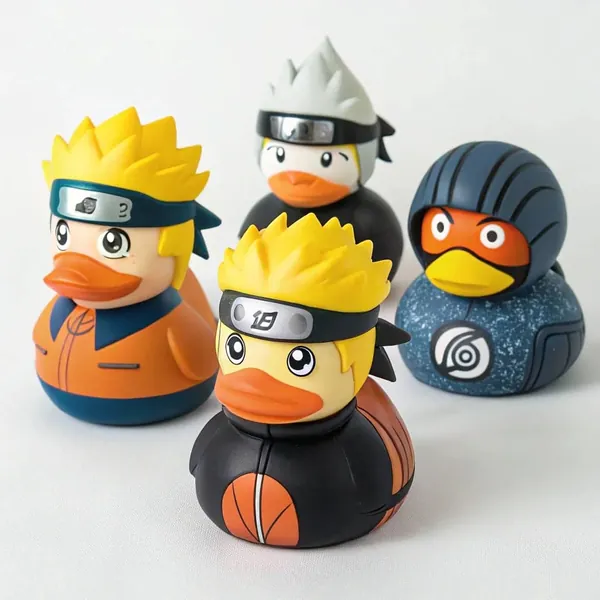
That is also the most obvious mistake in the category. A graphic printed across a stock body reads as merchandise with a picture on it, because the silhouette underneath is the one every buyer has already seen. A sculpted helmet, a moulded satchel or a reshaped tail changes the outline, and the outline is what a collector sees from across a room before any detail resolves. The themed duck range shows how far a body can be pushed with props before it stops reading as a duck at all, which is the boundary a series has to respect.
What a limited run commits you to on the line
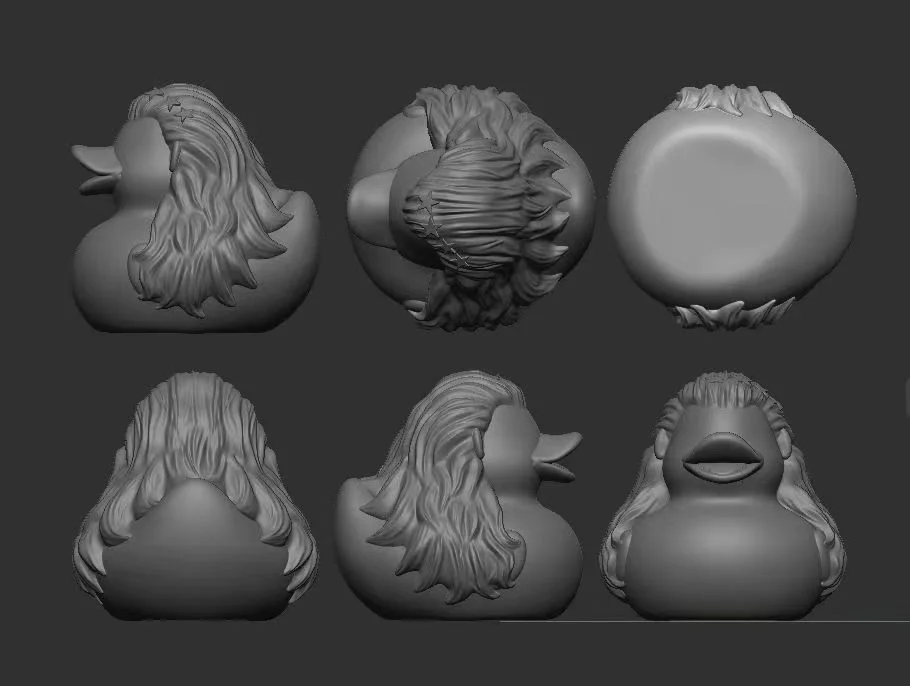
A limited run is limited by the tool as much as by the announcement. The mould has a working life measured in shots, and a painted body needs a mask or a jig for every colour that is not moulded in. Short runs therefore carry a fixed load that a long run spreads out, and the arithmetic has to be settled before the number is printed, because the tool decides how many units the run can hold.
Three commitments follow. The run size has to be fixed while the mould is still being cut, since the number of cavities and the mask set are chosen together. The colour standard has to be agreed at the same time, because a paint matched after the first units are shot is a second approval. And the base or tag has to be planned for the number, since a number stamped on a curved surface after moulding reads differently from one moulded into the base. The colour matching note explains why the standard is a physical reference rather than a screen value, and the mould ownership note explains who keeps the tool when a series ends.
Paint and finish decide whether a duck reads as premium
Paint is where a collectible duck is either finished or exposed. Two ducks can leave the same mould and read as two different products because one has a hard edge where two colours meet and the other has a soft blur. Masking, hand painting, pad printing and heat transfer each produce a different edge, and the finish on top of the paint, gloss, matte or a metallic flake in the compound, changes how the edge catches light.
The material side matters as much as the colour side. A painted surface intended for a collector sits on a toy, and toy coatings are regulated rather than chosen freely: United States rules at 16 CFR Part 1303 ban paint containing more than 0.06 percent lead by weight on a children's article. A premium finish therefore has to be a compliant finish, and a supplier who offers a metallic look without the coating record is offering a problem rather than a finish. The glitter and metallic finish note covers the compound route that keeps the effect inside the material rather than on top of it.
Packaging is half of the collectible
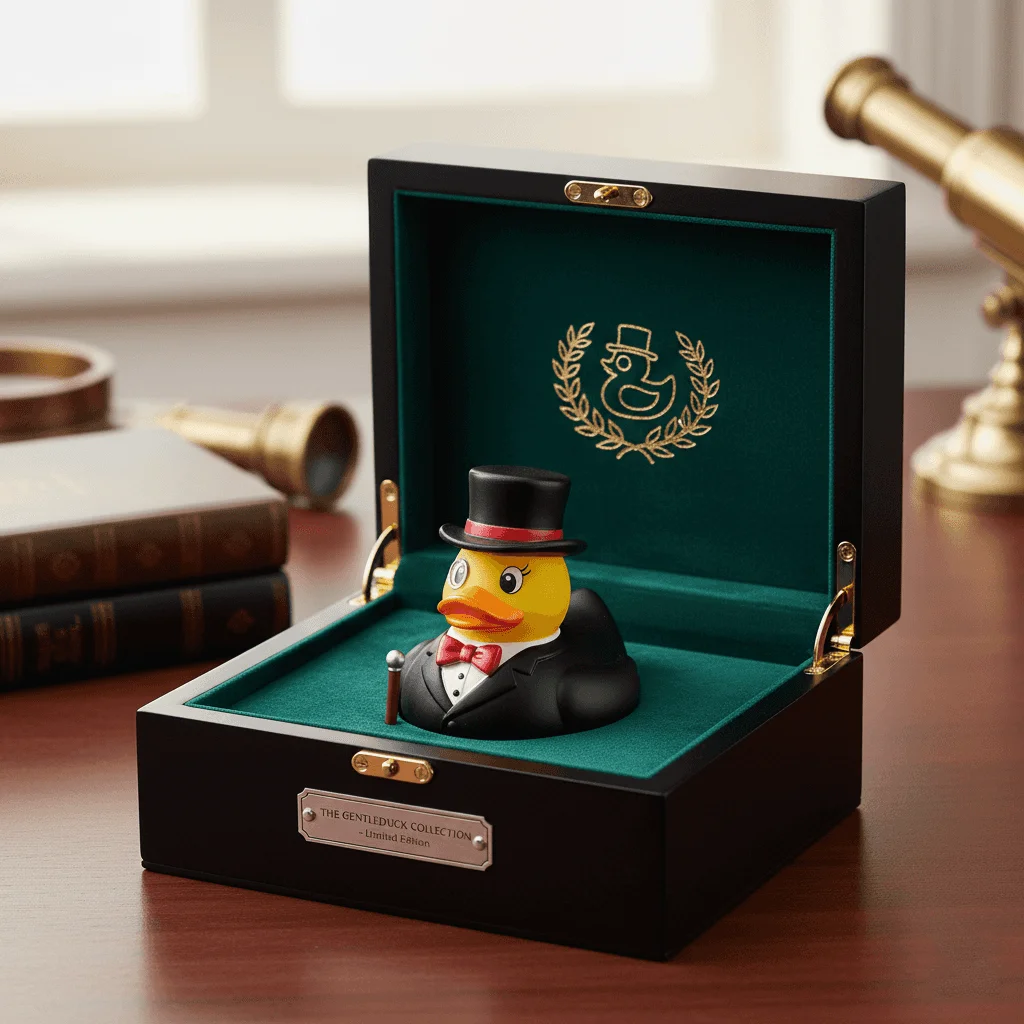
A collectible is bought as an object, and the box is part of the object. A window carton tells a buyer the duck is merchandise. A lined presentation box, a printed sleeve, a numbered card and a tag tell the buyer the duck was made to be kept, and each of those pieces has to be drawn before the run is packed rather than after. The box also fixes how the duck travels, which is why it belongs in the tooling conversation and not at the end of it.
The practical point is that packaging carries the series information the duck cannot. The year, the number, the line name and the reason the duck exists usually sit on the card or the sleeve, because a curved painted body is a poor surface for small type. Collectors keep the card, and a set with its cards intact holds its place on a shelf in a way the ducks alone do not. The hang tag note covers the tag mechanics, and the safety label guide covers the marks that have to be on the packaging whether or not the duck is collectible.
Protect the shape, not just the artwork
A buyer who pays for a tool usually protects the artwork file and forgets the shape. The shape is the asset in this category: it is what a collector recognises, what a competitor can copy by buying one unit, and what a mould is built around. If the shape reads as another brand's character or another maker's product, the tool does not settle the question, because United States law at 15 U.S.C. § 1125 addresses the use of a designation that is likely to cause confusion about origin, and a moulded copy of a protected character is exactly that kind of use.
The working rule is narrower than a legal opinion and simpler than one: a series should be recognisable as its own thing at silhouette level before any logo is added. That means a body or a head that was drawn for the line, a prop that belongs to the line, and a name that does not borrow a model name or a character. Licences exist and are used, but a licensed line is a different project with a different approval chain, and it should not be discovered halfway through a mould.
A collectible duck is still a toy
The most expensive misunderstanding in the category is that "collectible" is a legal status. It is not. A duck that floats, squeaks and is sold as a plaything is a toy, and in the United States the mandatory toy safety standard applies whatever the packaging says: 16 CFR Part 1250 makes the ASTM F963 toy safety specification mandatory for toys, with the age grading, the warning text and the testing that follow from it.
That has two practical consequences for a series. The age grade has to be decided with the design, because a small moulded prop can turn a duck into a product with a small-parts question, and the safety file has to be rebuilt whenever a body, a paint or a prop changes, because the file describes the article that was tested rather than the line it belongs to. A numbered edition does not need a different test from the same duck without a number, but a new dress does need a new assessment, and the series revision note covers where that work actually lands.
Four questions before a series goes on the tool
- What ends the run: a number, a date, or the next season, and is that end already visible to the buyer?
- Which single element changes the silhouette, and can it be moulded rather than printed?
- Where does the number live: on the base, on the tag, or on both, and which one survives handling?
- Which body, paint and prop combination is the safety file describing, and what changes if a variant is added later?
Four answers on one sheet are enough to size the commitment honestly, because they name the tool, the mask set, the packaging and the file in the same conversation. A series that cannot answer them is still a good idea; it is just not yet a mould.
Frequently Asked Questions
What makes a rubber duck collectible?
Scarcity, a story the buyer can repeat, and a silhouette that reads from a distance. Scarcity comes from a run that ends or a year that closes, the story comes from why the duck exists, and the silhouette comes from tooling rather than from print. A stock body with a new graphic rarely holds a collector's attention for long.
How many ducks should a first series have?
Enough to promise a second duck, and no more than the tool and the box can carry. A first series of three to five designs gives a collector something to finish without committing the buyer to a large mask set. The set size is decided with the packaging, because the box that holds one duck is a different object from the box that holds a set.
Is a limited edition worth a new shape?
Only when the shape carries the reason for the edition. If the edition is a number, a colour or a year, the existing body can carry it and the tool is not the constraint. If the edition is a character, a prop or a different silhouette, a new shape is the edition, and the run size has to justify the mould.
Can a duck design be protected?
The shape and the artwork can both be protected, and they are protected differently. A mould is a physical asset with an owner, while the shape and the graphic are rights that need their own position. The practical step is to settle who owns the tool and what the line may be recognised as before the mould is cut, not after the first sale.
Final Note
What the collector market rewards is coherence. The duck, the paint, the box and the number have to describe the same object, and the tool is what makes that possible without a printed outfit on a stock body. A series that begins with a silhouette and ends with a numbered card will hold together longer than one that begins with a graphic and hopes the rest catches up.
My own sequence is silhouette, run size, colour standard, then box. It is the order the factory can hold to, and it keeps the safety file honest, because by the time the file is written the article is already decided.
Key takeaways
- Why a bath toy ends up in a display case: A duck leaves the bathroom when it stops being interchangeable.
- A series sells the second duck, not the first: A single custom duck is a gift.
- The one element that earns a place in a collection: Every collectible duck that holds its place in a collection has one element that could not be printed on.
- What a limited run commits you to on the line: A limited run is limited by the tool as much as by the announcement.
- Paint and finish decide whether a duck reads as premium: Paint is where a collectible duck is either finished or exposed.
- Packaging is half of the collectible: A collectible is bought as an object, and the box is part of the object.
- Protect the shape, not just the artwork: A buyer who pays for a tool usually protects the artwork file and forgets the shape.
- A collectible duck is still a toy: The most expensive misunderstanding in the category is that "collectible" is a legal status.
- Four questions before a series goes on the tool: The section on "four questions before a series goes on the tool" sets out the checks that answer it.