Skip to content
Rubber Duck Drain Holes and Squeaker Vents: What They Do and When to Skip One
The small hole on the bottom of a classic bath duck is one of its most debated features. Buyers either want it, because it lets the squeaker work and the toy dry out, or they actively want it gone, because that opening is where bath toys famously grow black mold. The rubber duck has been a bath staple for over a century, but the drain-hole trade-off is what buyers now ask about first. For a custom program the decision is not cosmetic. It shapes the mold, the safety story, and whether the duck is positioned as a bathtub toy or a shelf-and-desk collectible.
What the Drain Hole Actually Does
A drain hole serves two jobs at once. It is the vent that lets air move so a squeaker can sound, and it is the exit for water that gets squeezed inside a hollow body. When the duck refills with air after a squeeze, that air passes through the vent and rings the squeaker. The same opening lets water drain after bath time instead of staying trapped warm and dark inside. A hollow versus solid comparison covers how the body construction changes what the hole is for.
Squeaker Options and Their Vents
Not every duck needs the same sound. A single squeaker needs one vent. A double-tone unit uses a paired chamber and usually a slightly larger opening. A silent duck can drop the squeaker entirely and, if it is a solid or sealed body, close the hole too, which is the cleanest answer to the mold complaint. The squeaker options guide walks through single, double, and silent builds and how each affects the vent design.
The Mold Question and How Sealed Bodies Solve It
The reason parents distrust drain holes is real: an open vent on a hollow toy that never dries becomes a damp home for biofilm. There are two honest fixes. A larger, well-placed drain plus a squeeze-to-empty instruction keeps water from lingering. Or, for a bath line that markets itself as mold-resistant, use a sealed or solid body with no water entry at all, which the safety and toy safety labels guide helps you position correctly for the right age group.

Deciding for Your Program
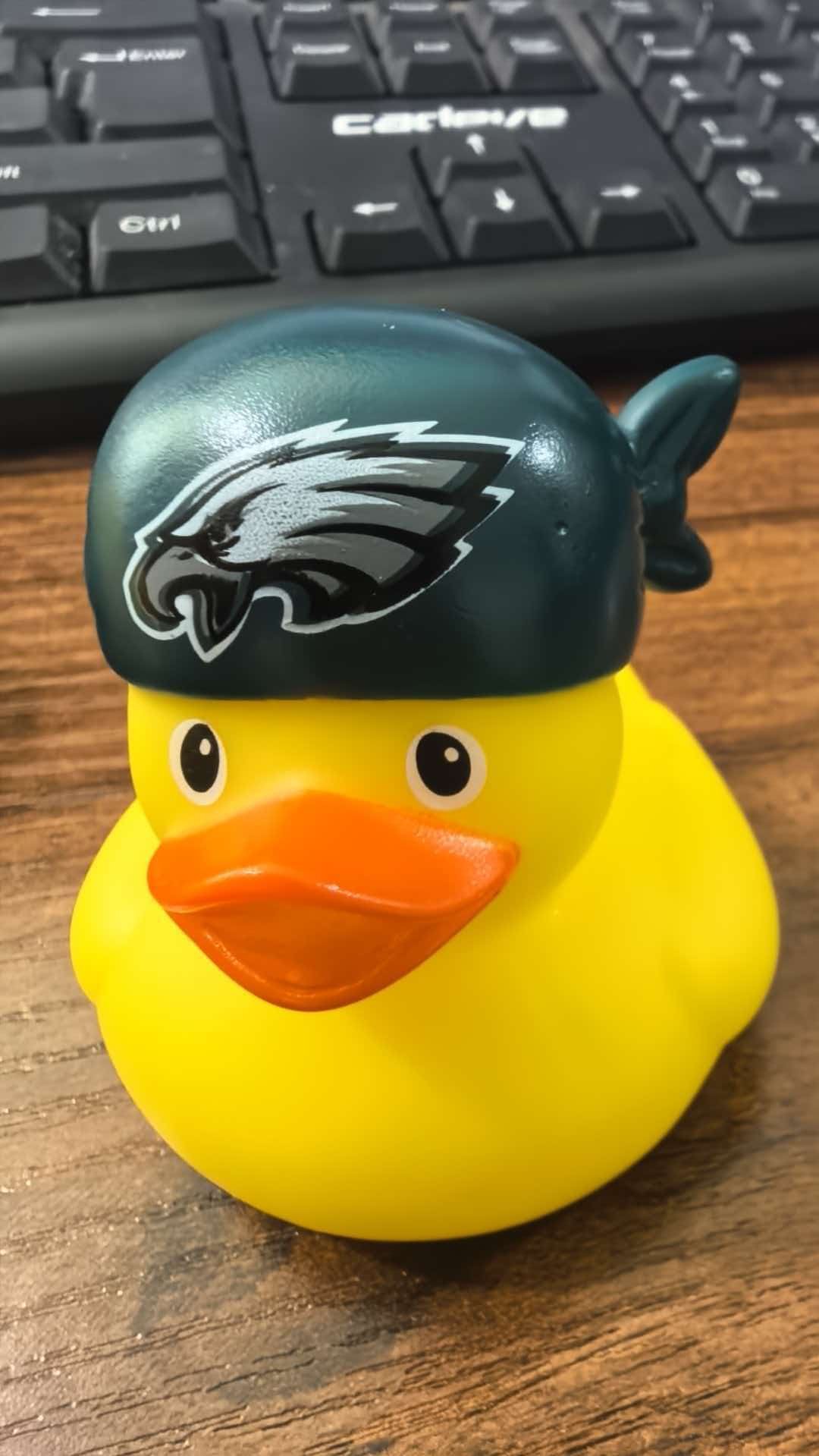
Match the vent to where the duck is used. A promotional desk duck or a Jeep-hood collectible never sees bathwater, so a decorative sealed body with no hole is simpler and avoids the mold conversation entirely. A genuine bathtub toy needs the vent and a squeaker to earn its place in the tub. LZENGO produces both routes from the same phthalate-free vinyl tooling family, and every run carries the safety documentation CPSIA-minded buyers expect, with minimum order quantities starting around 1,000 pieces. The products page lists the standard bodies these options attach to.
FAQ
Should a custom rubber duck have a drain hole?
Only if it is a bath toy that needs a working squeaker and a way to shed water. A decorative or collectible duck is better sealed, which removes the drain hole and the mold risk along with it.
How do you stop mold inside a duck with a hole?
Use a larger, well-placed vent so it drains and dries, and instruct users to squeeze-to-empty after bath time. For a mold-resistant claim, a sealed or solid body with no water entry is the cleaner answer.
Can a rubber duck be made silent?
Yes. Dropping the squeaker lets you seal the body and close the vent, which gives a silent, no-hole duck suited to non-bath promotional and collectible uses.
Related reading: Why New Ducks Smell