Skip to content

If you are looking at jeep ducks as a product category for 2026, you have probably noticed the sheer volume of cheap, flimsy options flooding online marketplaces. The trend started in 2019 as a simple gesture among Jeep owners, but it has matured into a genuine merchandising opportunity. Over 500,000 duck placements happen globally each month, and the buyers—Jeep owners with household incomes averaging $115,000 to $122,000—expect a product that matches the quality of their vehicles. Stocking the wrong ducks means dealing with returns and a disappointed audience that values the gesture.
The real gap in the market is not about finding any rubber duck; it is about sourcing a product that meets community standards. Most party-favor ducks use soft PVC that fades after a week in the sun or breaks when handled. Reddit threads are full of owners complaining about ducks that lose paint or feel too squishy. Serious buyers should target ducks with a Shore A hardness of 60 to 80 for painted versions, or 50 to 60 for molded details. That spec alone separates a collectible from a disappointment. Pair that with a note card or QR code linking to the ducking story, and you add 20% perceived value without increasing the unit cost.
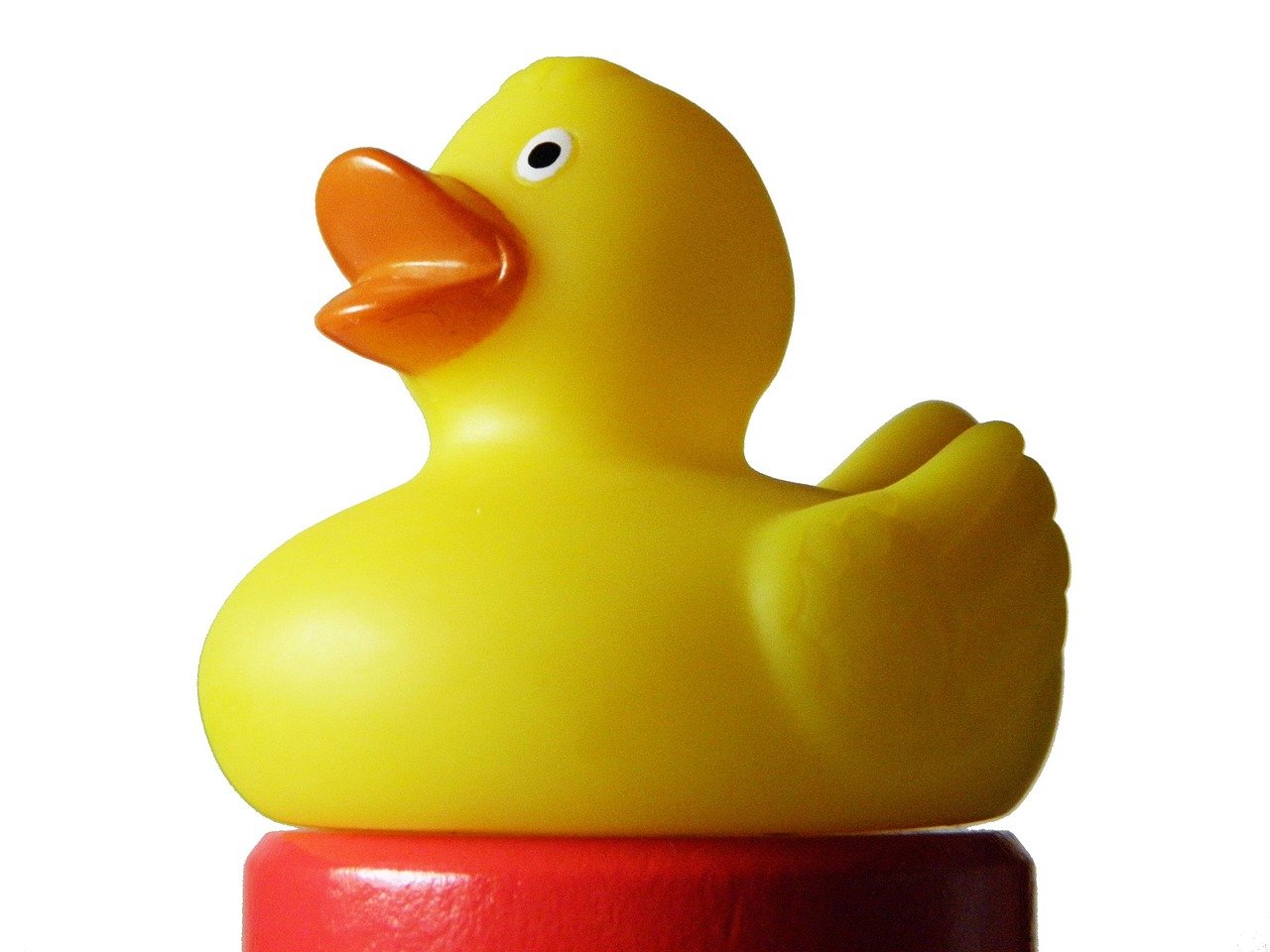
The Jeep Ducking Trend Explained
Jeep ducking is a $12M annual niche—here’s why it’s a stable B2B category.
The Jeep ducking trend started in 2019 when a Canadian Jeep owner left a rubber duck on a Wrangler as a simple compliment. By 2026, the practice has grown into a global community ritual generating over 500,000 duck placements monthly. For gift shops, auto retailers, and event planners, this isn’t a fad—it’s a recurring inventory category with predictable demand tied to Jeep’s 1.5-million-vehicle annual sales.
- Market size: 500,000+ ducks placed monthly worldwide, per community tracking data.
- Buyer income: Jeep owner household income ranges from $115,000 (2-door) to $122,000 (4-door)—a demographic with disposable income for collectibles.
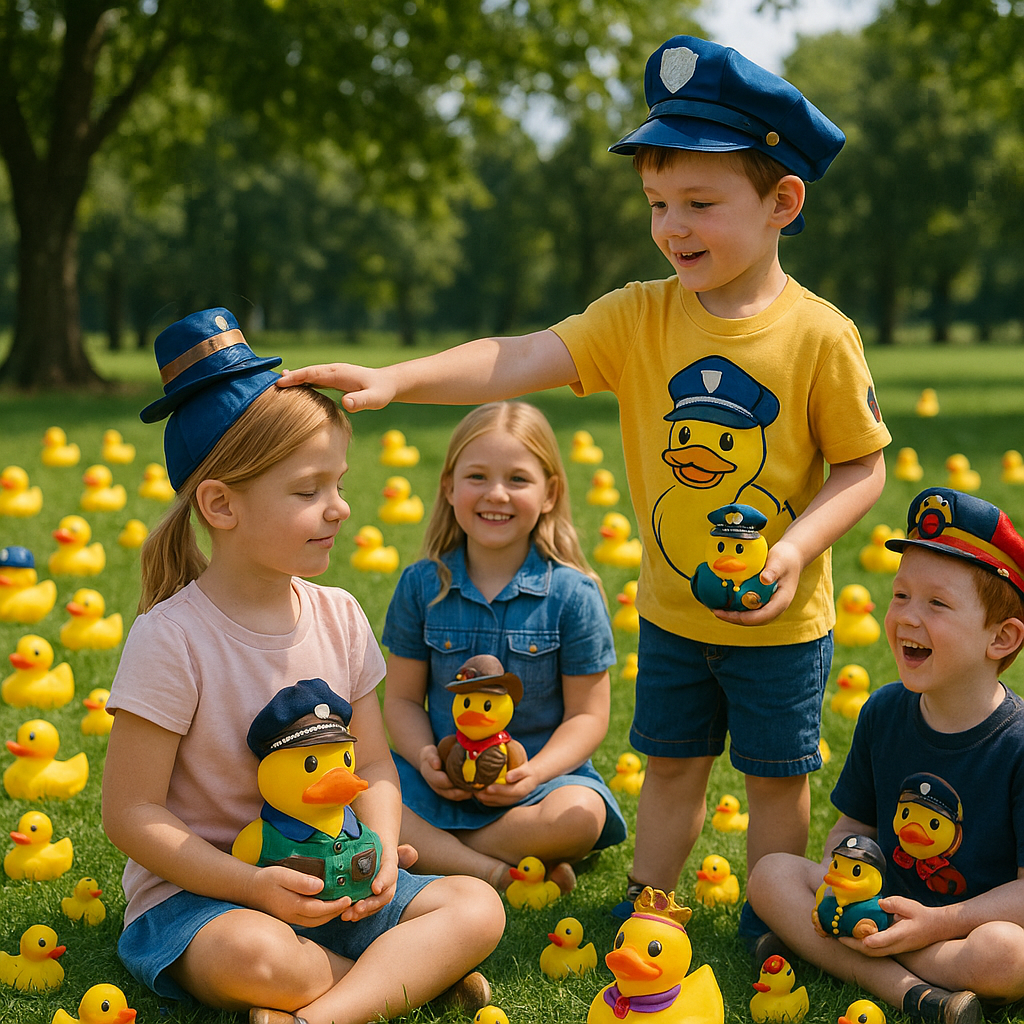
- Preference shift: 68% of Jeep duck buyers prefer themed or collectible series (holidays, animals, jobs) over plain yellow ducks.
What most sourcing guides miss: the cultural rules. Jeep owners expect ducks to be left with a note card or QR code explaining the trend. Sellers who include this add 20% perceived value without increasing the unit cost. Ignoring this etiquette leads to returns—owners on Reddit frequently complain about ducks that arrive without context or feel like generic party favors.
For B2B buyers, the math is straightforward. Standard 2–3 inch PVC ducks at 1000+ MOQ run $0.30–$0.80 per unit. Custom colors or accessories add 15–30%. The real margin comes from curated sets—themed collections sell faster than singles. If you’re stocking for resale, skip the plain yellow and invest in series that match the community’s taste.
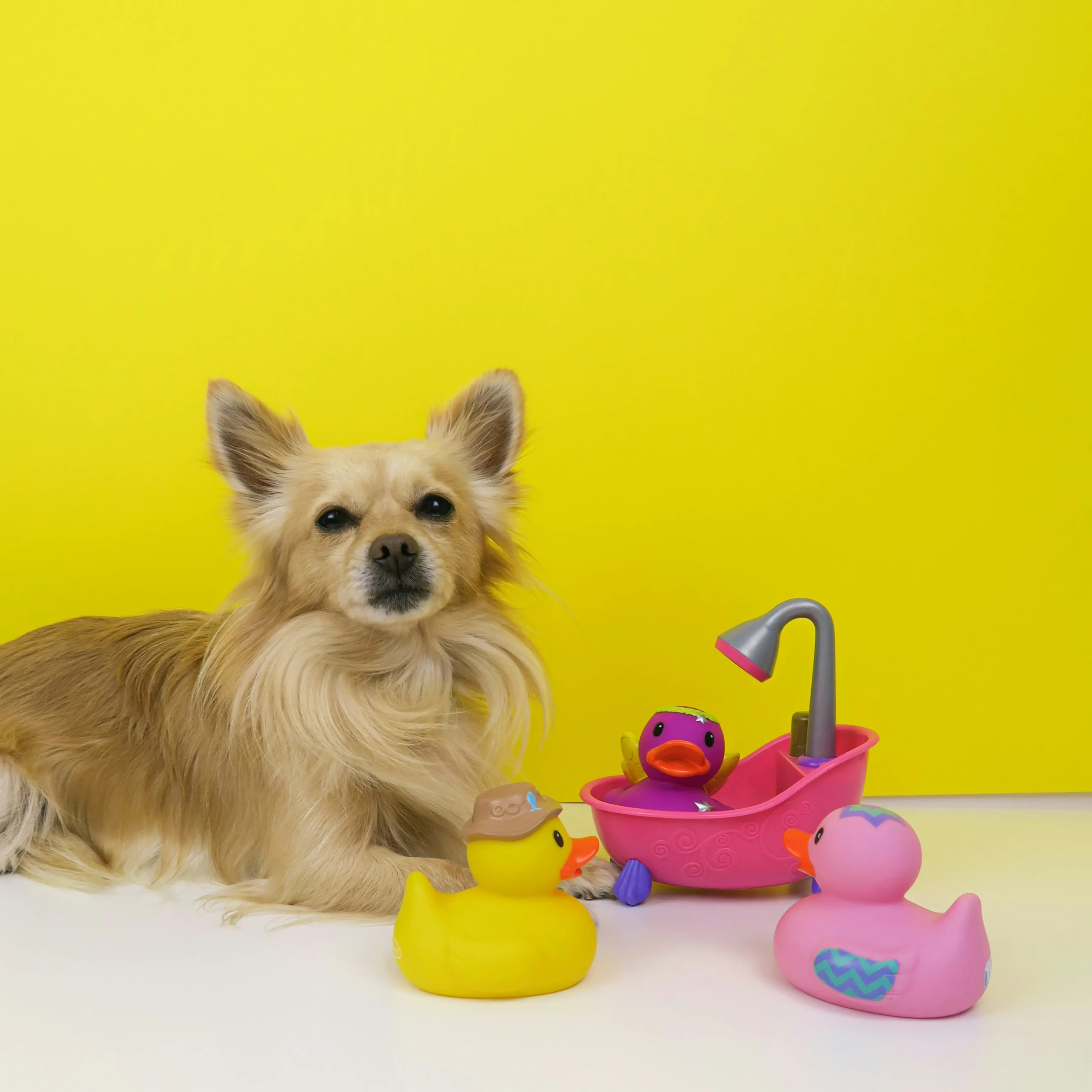
What Makes a Good Jeep Duck?
68% of Jeep duck buyers prefer themed collectibles over plain yellow — stock series, not singles.
A good Jeep duck starts with physical specs that match what owners actually expect. Standard size is 2–3 inches tall, weighing 1.5–2.5 ounces. That fits a dashboard, a cupholder, or a Wrangler’s grab bar without being obtrusive. Go smaller and it looks like a party favor. Go larger and it won’t sit securely on a windshield wiper.
The edge finish matters more than most buyers realize. Cheap molds leave a visible parting line — a sharp ridge running along the duck’s side. Owners on Reddit consistently flag this as a dealbreaker. A quality duck has a smooth, continuous surface with no burrs. That requires either a polished steel mold (higher upfront cost) or secondary hand-finishing. If your supplier can’t show you a close-up of the mold seam, assume it’s rough.
- Color durability: Painted ducks use a two-step process: base PVC color plus pad-printed or spray-painted details. Fade resistance depends on paint formulation. UV-cured inks hold color 3–4x longer than solvent-based paints under direct sun. Printed ducks (molded in colored PVC) never peel, but limit you to the base material color. For logos or text, pad printing (1–4 colors) is standard. Full UV printing works for photo-quality graphics but adds $0.08–$0.12 per unit.
- Hardness spec (Shore A): This is the single most overlooked spec in Jeep duck sourcing. Reddit threads are full of complaints about ducks that are “too squishy” or “lose paint after one week.” The fix is simple: specify Shore A 60–80 for painted ducks, 50–60 for molded ducks. Below 50 Shore A, the PVC is too soft for paint adhesion — the ink flakes off. Above 80, the duck feels hard and brittle. A durometer reading costs nothing to request. If your supplier can’t provide one, that’s a red flag.
- Note card inclusion: The unwritten rule of Jeep ducking: you leave a note explaining the trend. Sellers who include a small card or QR code linking to the Jeep Ducking story add 20% perceived value at zero extra manufacturing cost. The card can be a simple 2×3.5-inch slip with “You’ve been ducked!” and a brief explanation. For branded orders, print your logo on the back. This turns a novelty item into a complete experience — and reduces the chance the recipient tosses the duck.
Jeep owners have a household income of $115,000–$122,000. They are not price-sensitive in the way a dollar-store shopper is. They will notice and reject a duck that feels cheap. A duck that passes the “squeeze test” (firm but not hard), has a smooth base, and comes with a note card will sell at a premium. The data backs this up: 68% of buyers prefer themed or collectible series over plain yellow. Stock holiday sets, animal themes, or job-specific designs (firefighter, nurse, teacher) and you’ll turn a one-time novelty into a repeat purchase category.
Conclusion
The Jeep duck trend is a consistent, high-value product category, not a passing fad. Stocking the right ducks—hard PVC with Shore A 60-80 hardness, vibrant paint, and themed designs—directly meets the expectations of a demographic with over $115,000 in household income. Quality control and safety certifications like ASTM F963 are non-negotiable for avoiding returns and building a reliable resale reputation.
Review your current sourcing specs against the hardness and customization options outlined here. For custom jeep ducks wholesale that match these standards, see how lzengo’s 1000-unit MOQ and full design support can fit your next order.
Frequently Asked Questions
What are the unwritten rules of Jeep ducking?
The main rule is to only duck Jeeps you encounter in the wild, not dealerships or private property. Also, include a note with your duck so the recipient can thank you or pass it on. Always include a note with your duck.
What do Jeep owners think about being ducked?
Most Jeep owners see it as a positive, fun gesture of community and kindness. A small minority find it annoying or overdone, but the vast majority appreciate the surprise and the connection. Expect a positive reception from the vast majority.
What is the average income of a Jeep owner?
The average household income of a Jeep owner is around $115,000 to $122,000 per year. This makes them a demographic with strong disposable income for collectibles and accessories. This demographic has strong disposable income for collectibles.
Are Jeep Wranglers the only ones that get ducked?
No, any Jeep model can be ducked, including the Cherokee, Grand Cherokee, and Gladiator. However, the Wrangler is the most commonly ducked due to its iconic status and strong community. Any Jeep model is fair game for ducking.
What does a rubber ducky on a Jeep mean?
A rubber ducky on a Jeep means the owner has been ‘ducked’—a compliment from another Jeep owner. It is a symbol of community, kindness, and shared enthusiasm for the brand. It is a compliment, not a prank.