Skip to content
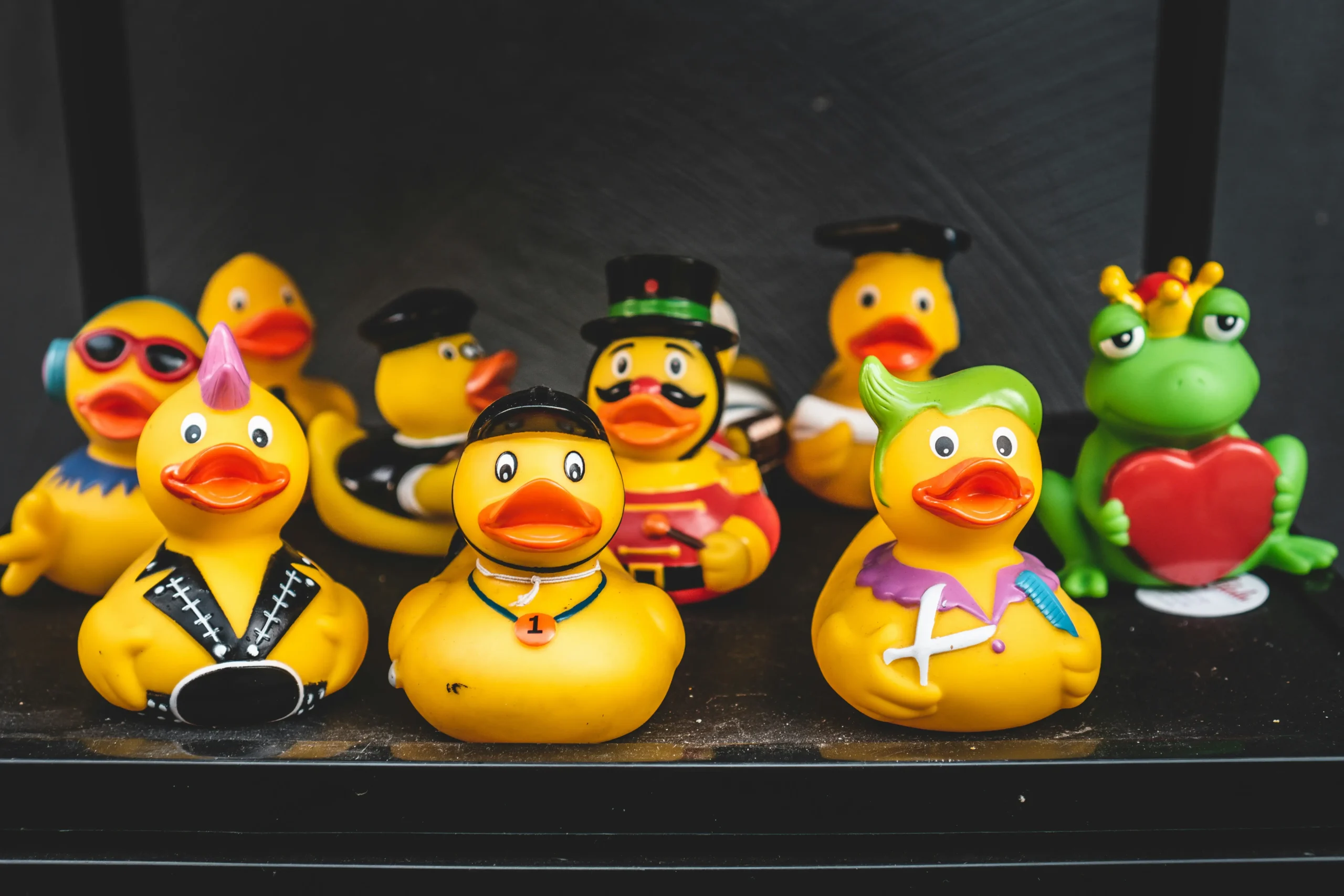
Ever had a supplier nod along to every spec, send you a perfect pre-production sample, and then ship a batch of custom rubber ducks that looked like they came from a different factory? I’ve seen it happen on a $50K order where the Pantone-matched yellow turned into a sickly pastel in mass production, and the squeaker stopped working after two squeezes. That gap between sample approval and the final container is where most buyers get burned, especially when they assume FOB pricing covers everything from mold engineering to final QC.
The reality is that sourcing custom rubber ducks for brand campaigns involves more than picking a shape and a color. You are dealing with PVC slush molding, steel molds with tolerances down to half a millimeter, and compliance checks for phthalates if those ducks end up near children. Most suppliers will happily take your order without explaining that the mold fee covers only the basic cavity, or that matching your brand’s exact blue requires an extra Pantone matching charge. I’ve walked through factories across China and Vietnam where the difference between a good duck and a bad one comes down to whether the mold shop is in-house or outsourced — in-house shops cut lead time by two weeks and hold tighter quality tolerance because they can tweak the tooling mid-run.
So before you brief your next campaign, understand that about 30 percent of these projects fail because of poor spec communication — not because the supplier is bad, but because nobody itemized the hidden costs like sample fees or packaging dimensions for e-commerce fulfillment. The professionals get this right by asking for an itemized quote upfront, demanding pre-production samples from actual production tooling, and verifying that their custom shape rubber ducks manufacturer has experience with bulk orders for DTC brands. That last ten percent of due diligence separates a campaign that generates social media buzz from one that generates returns.
Why Most Custom Rubber Duck Projects Fail: The Hidden Risks
30% of custom rubber duck projects fail before production starts.
Two buyers order the same custom rubber duck. One pays $1.50 per unit, the other pays $2.10. The cheaper one arrives with mismatched colors and a chemical smell. The other looks like the render and passes phthalate testing. That $0.60 difference is the gap between knowing the process and guessing it.
The Vector Artwork Trap
Most buyers submit a 2D vector file and assume the factory can translate it into a 3D mold. That assumption fails often. A clean logo on screen becomes a blurry mess wrapped around a curved duck body. The factory needs a 3D-ready file with closed geometry and consistent wall thickness. Factories with in-house mold shops, like Lzengo, can flag these issues early and reduce the revision cycle by up to two weeks.
Color Matching Isn’t Free
Pantone matching adds $50–$150 to the project cost. Some buyers assume their brand color reproduces perfectly from a hex code. PVC doesn’t behave like paper. Pigment saturation shifts during slush molding, and achieving a repeatable Pantone match requires multiple test runs. A supplier that itemizes Pantone matching is being transparent. A supplier that buries it in overhead is cutting corners.
Phthalate Regulations Are Not Optional
If your duck could end up in a child’s hands, phthalate-free PVC is non-negotiable. EN71 in Europe and ASTM F963 in the US restrict phthalate content. Non-compliant ducks get detained at customs or trigger recalls. Phthalate-free PVC costs 5–10% more per unit, but the alternative is a liability no B2B buyer should accept. Always request a certificate of compliance before production.
The Sample That Never Was
The most expensive mistake is approving a render and skipping the pre-production sample. A render shows what the factory intends to make. A sample shows what they actually made. The difference can be a shifted color, a rough seam, or a duck that doesn’t float evenly. Pre-production samples cost $50–$200 and are typically refundable with the order. That’s cheap insurance against a rejected $50,000 shipment.
Real Cost Breakdown of Custom Rubber Ducks in 2026
Most suppliers hide mold fees.
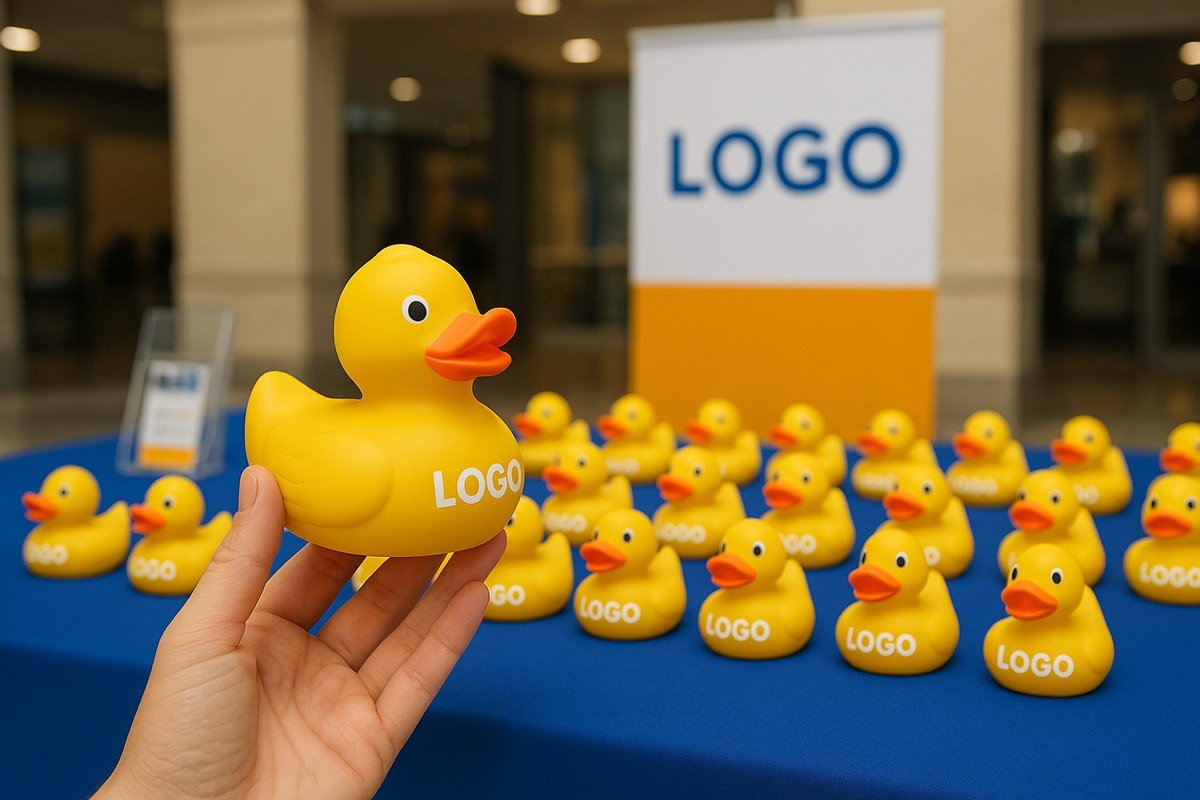
When I quote a custom rubber duck project for a brand manager, the first question is always: ‘What’s the unit price?’ That’s the wrong place to start. The real cost lives in the mold, the color matching, and the packaging you didn’t think about. Let me walk you through every line item on a typical 1000-unit order.
Mold Fee: The One-Time Gatekeeper
This is where most buyers get sticker shock. A custom shape requires a steel mold — CNC-machined from your 3D file. Expect $300 to $800 per cavity. Factories with in-house mold shops (like Lzengo) can shave two weeks off lead time and hold tighter tolerances — down to 0.5 mm on small features like beak angles or hat details. Outsourced molds add cost and risk.
Unit Price: What You Actually Pay Per Duck
$0.80 to $2.50 per piece at 1000 quantity. The spread depends on complexity: a standard duck shape with one logo print lands near $0.80; a fully custom character with multiple colors and squeaker insert pushes toward $2.50. Order 5000 units and that unit price drops 20–30% because mold amortization gets spread across more pieces.
Pantone Color Matching & Sample Fees
| Cost Item | Estimated Range (USD) | Notes & Key Details |
|---|---|---|
| Mold Fee (One-Time) | $300 – $800 | Custom shape steel mold; amortized over first order. In-house mold shops reduce lead time by 2 weeks. |
| Unit Price (1,000 qty) | $0.80 – $2.50 | Based on complexity & material. Drops 20-30% at 5,000+ units. |
| Pantone Color Matching | $50 – $150 | Custom Rubber Ducks vs. Alternatives: Which Is Better for Your Campaign?
Every brand manager has asked the same question: ‘Why should I spend $1.50–$4.00 per unit on a rubber duck when I can get a pen for $0.30?’ The answer isn’t in the unit cost — it’s in what happens after the giveaway. Ducks have been observed generating 10x more social media posts than tote bags at the same event. The real trade-offs are as follows. Perceived Value and Social Proof
Shelf life matters too. A rubber duck sits on a desk for years — Branded ducks from conferences five years ago still occupy prime real estate. A pen runs out of ink in months. Keychains and tote bags also last years, but they don’t have the same visual punch. The duck keeps your logo in front of someone every single day. Cost vs. Customization DepthHere’s the insider catch most suppliers won’t tell you: that $1.50–$4.00 price assumes you’ve accounted for hidden costs like Pantone matching fees ($50–$150) and mold fees ($300–$800). A factory with in-house mold making — like Lzengo — can shave 2 weeks off lead time and hold tighter tolerances (0.5 mm) on custom shapes. That’s the difference between a duck that looks like your brand and one that looks like a lumpy approximation. For brand awareness campaigns, event giveaways, hotel amenities, or retail merchandise, the rubber duck wins on every metric except raw unit cost. But if the goal is forgettable volume, stick with the pen. Your call.  How to Source Custom Rubber Ducks Without Getting Scammed
I watched a brand manager approve a $50K order based on a 3D render. The ducks arrived with mismatched Pantone colors and a surface texture that looked like orange peel. The supplier blamed the ‘rendering software.’ That story repeats every quarter. Ask for a capability deck, not a catalogA real custom duck manufacturer shows you past custom work — not just stock ducks in different colors. Look for photos of steel molds, QC stations, and packed cartons. If their portfolio only has standard yellow ducks with logos printed on, they lack the mold engineering experience for a true custom shape. Demand an itemized quoteExplore Our Product Collection. Browse this product, solution, or service page to explore relevant offerings. 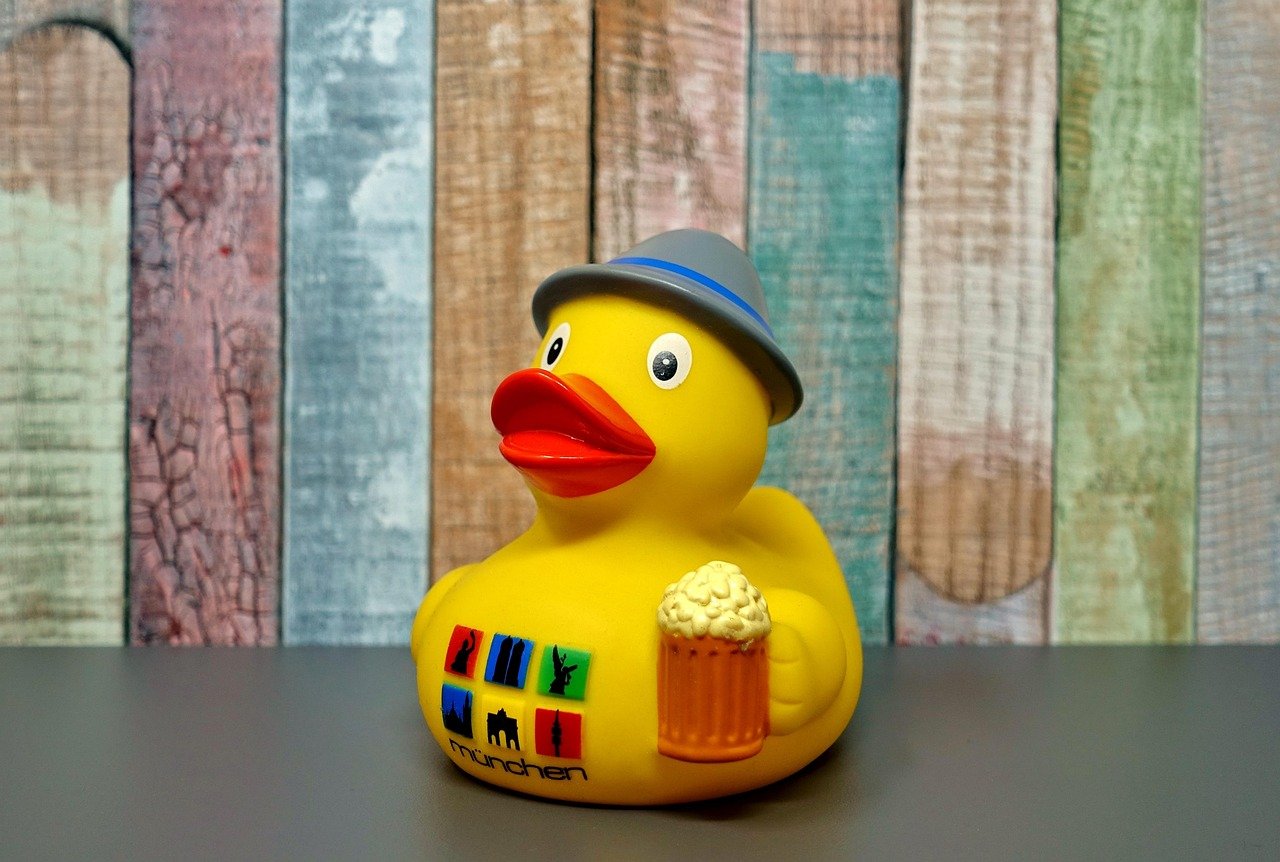 ConclusionProperly managing the custom rubber duck sourcing process—from spec communication to sample approval—directly determines whether your campaign hits its mark or becomes a cautionary tale. The data points and supplier vetting steps outlined here give you a repeatable framework to avoid the common pitfalls that derail 30% of projects.
Now that you have a clear picture of costs, lead times, and quality benchmarks, you can confidently brief suppliers. Start by reviewing our rubber duck catalog to see available shapes and customization options, then request a quote with your specific design requirements. Frequently Asked QuestionsHow can rubber ducks be customized for branding purposes?You can customize rubber ducks with your logo, Pantone-matched colors, and custom 3D shapes using slush molding or dip molding. Most suppliers offer screen printing, pad printing, or full OEM mold changes. Request a 3D mockup to confirm your design before production. What is the minimum order quantity for custom rubber ducks?The minimum order quantity is 1000 units per design for custom production. Some suppliers may offer lower MOQs for stock shapes or smaller runs, but 1000 is the standard threshold for mold. Confirm MOQ with your supplier after finalizing the design specs. How long does it take to produce custom rubber ducks?Production typically takes 4 to 8 weeks from sample approval, depending on mold complexity and order volume. A sample lead time is around 7 days with a 12-hour mockup for. Plan your campaign timeline with at least 6 weeks from sample approval. Are custom rubber ducks safe for children?Yes, as long as the ducks are made from phthalate-free PVC and comply with ASTM F963 or EN71 standards. Always request a compliance certificate and specify child-safety requirements upfront. Ask for a material safety data sheet before ordering. Can I get a sample before full production?Yes, samples are available with a lead time of about 7 days after your design is approved. You can order a pre-production sample to verify color, shape, and print quality before committing to. Request a sample after mockup approval to avoid surprises.
|
Related reading: How to Compare Rubber Duck Quotes: 6 Fields That Reveal the Real Price