Skip to content

You can nail down the custom rubber ducks lead time to the day, only to watch that timeline disintegrate when the mass production run arrives looking nothing like the pre-production sample. I’ve seen it happen more times than I care to count — a buyer signs off on a perfectly painted sample, then three weeks later opens a container of ducks where the logo is shifted, the color is off by two Pantone shades, and the wall thickness varies so much that half the batch squeaks differently. That $50K order becomes a fire drill, not a campaign launch.
The problem isn’t the factory’s ability to produce — it’s that most suppliers quote a single, vague lead time that hides the tooling and sample approval cycles. A professional breakdown separates the phases: DFM review inside 48 hours, sampling in 7–10 days, then tooling (20–25 days for a slush vinyl mold), and finally mass production at 14–28 days. When any of those milestones slip, the whole schedule unravels. The trick is knowing which questions to ask before you place the order.
Smart buyers demand a separate tooling phase estimate and a Gantt chart with clear handoffs. If a supplier can’t tell you their DFM turnaround or sample approval timeline in the first call, you’re already set up for delays. That’s the difference between a partner who treats lead time as a commitment and one who treats it as a suggestion.
The Hidden Stages of Custom Rubber Duck Production
DFM review within 48 hours is the sign of a professional manufacturer.
Most suppliers quote a single lead time that lumps everything together. The reality is more granular. A custom rubber duck order passes through six distinct stages: DFM, sampling, tooling, first article approval, painting/printing, and packing. Each stage has its own timeline and specific risks. Understanding these hidden stages is how you avoid the panic of a delayed campaign.
DFM & Sampling: The First 10 Days
- DFM Review: Within 48 hours of receiving your 2D or 3D files, an engineer checks wall thickness, parting lines, and color separation. This catches issues before any metal is cut. A factory that skips DFM or takes longer than 48 hours is a red flag.
- Sample Creation: For a standard custom duck (existing mold, new logo or colors), a hand sample takes 7–10 days. For a completely new shape, a 3D-printed or clay master may be needed first, adding 3–5 days. Sample costs are usually credited back to mass production — ask about this upfront.
- First Article Approval: After tooling is cut, the factory runs a small batch (often 10–50 pieces) for final approval. This is your last chance to catch issues with fit, color match, and squeaker function before full production. At Lzengo, we perform Panton color matching and EN-71 tests at this stage.
Tooling: The 20-25 Day Bottleneck
New tooling for a custom shape takes 20–25 days for slush vinyl molds, and 40–45 days for injection molds. This phase is the most common hidden delay because many suppliers simply wrap it into a vague ’30-day lead time.’ You must ask for a separate tooling schedule. Our factory in Jinhua runs 30+ vinyl machines and produces 500,000+ ducks monthly, but even we cannot shortcut the mold-making process. We do, however, keep a library of over 100 existing molds that can cut tooling time to zero.
Painting, Printing & Packing
After tooling, the painting and printing stage adds 5–10 days depending on color count and complexity. Simple single-color logo prints are faster; multi-color pad prints or hand-painted details take longer. Finally, packing and quality inspection take 2–4 days. A common mistake is not factoring in compliance documentation time — our EN-71, ASTM, and CPSIA reports are issued with each order, but the testing itself runs parallel to production if planned correctly. If you need split shipments, flag it early so we schedule partial batches.
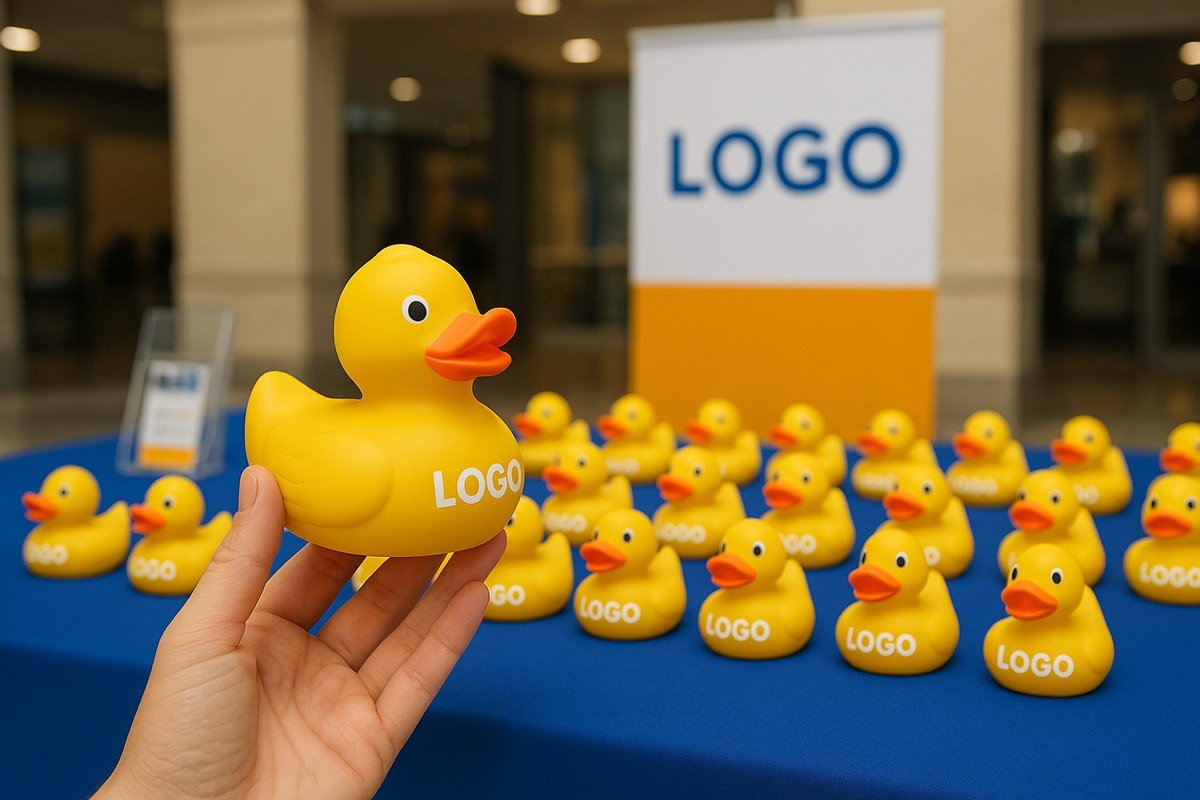
DFM Review: The 48-Hour Gate
A 48-hour DFM review catches production showstoppers before you pay for steel.
You send your artwork or CAD file to a rubber duck supplier. The clock starts. A serious factory—like Lzengo, where we ship 500,000+ ducks monthly—kicks off a Design for Manufacturing (DFM) review within 48 hours. This isn’t a courtesy check. It’s a production gate that catches moldability issues before you spend a dollar on tooling.
What the Engineer Actually Checks
- Wall thickness: Too thin and the vinyl won’t flow into cavities during slush molding. Result: weak spots and rejects during mass production.
- Parting lines: Misplaced lines create visible seams that ruin your brand’s look. The engineer checks they land in low-visibility zones.
- Color separation: Adjacent Pantone shades need physical barriers in the mold. Missing them means color bleeding and a splotchy final product.
- Mold complexity: Deep undercuts or sharp corners increase tooling time from 20 days to 35+ days. A DFM flags these before you commit.
Skip the DFM review and you’ll find out about these problems weeks later—during first article inspection. Fixing a mold after it’s cut costs 3x more and adds 10–15 days to your timeline. A 48-hour DFM is cheap insurance for a $750–$900 tooling investment.
Sampling Phase: 7 to 10 Days for Standard Ducks
Sample costs credit back.
A standard custom rubber duck with your logo and Pantone color takes 7 to 10 days for the first sample. That timeline applies when you use an existing body shape. Only the decoration changes.
New Shape Adds a Week for Clay or 3D Print
When you need a completely new shape, the factory must first make a clay model or a 3D printed prototype. This step adds 3 to 4 days. Expect 10 to 14 days total for your first sample.
Sample Fees Roll Into Production
Reputable manufacturers credit your sample fee against the mass production order. At Lzengo, we apply that payment to your bulk invoice. No double billing.
Tooling Time: 20 to 25 Days for New Molds
Most suppliers hide tooling time in a vague lead time estimate.
If you need a fully custom shape — not just swapping a logo onto an existing duck — tooling is where your timeline actually starts. production molds for slush vinyl custom shapes take 20 to 25 days. That window covers steel cutting, electrode sinking, surface polishing, and parting line verification. A factory that rushes this phase delivers molds with flashing, uneven wall thickness, or alignment issues that kill your first article on arrival.
Injection Molds Add 15 to 20 Days
If your duck includes rigid parts — a squeaker mechanism, a hard base, or a multi-component shell — those injection molds need 40 to 45 days. The steel is harder (P20 or H13), the cooling channels are more complex, and the tolerances are tighter. A supplier offering 20-day delivery on injection tooling is cutting corners on steel hardness or skipping thermal simulation. Those shortcuts show up as warped parts in mass production.
How to Avoid the Hidden Delay
Tooling is the longest single phase, and it’s the one most suppliers bury inside a vague lead time. You ask for 45 days total; they don’t flag that 20 to 25 of those are purely mold making. If tooling starts late, sampling and mass production slide with it. The fix is straightforward: demand a separate tooling phase estimate in your project timeline. A reliable factory confirms the mold start date, steel type, and cavity count before you sign.
- Custom Shape (Slush Vinyl): 20–25 days for production molds.
- Rigid Parts (Injection): 40–45 days for hardened steel molds (P20/H13).
- One Benchmark: A transparent supplier gives you the exact mold start date and steel type in writing before you place the deposit.

Mass Production: 14 to 28 Days
Mass production timeline directly determines your campaign launch date.
Once your sample is approved and tooling is locked, mass production runs 14 to 28 days. That range isn’t arbitrary — it depends on three levers: order volume, color complexity, and finishing details. A simple 5,000-unit order with a single Pantone color can ship in two weeks. A 10,000-unit order with five separate Pantone colors typically needs the full four weeks.
What Drives the Timeline?
- Volume: Higher quantities require more molding cycles and packing labor. A 5,000-duck run fits a single production batch; 50,000 units might need sequential shifts, extending the schedule.
- Color complexity: Each additional Pantone color requires a separate vinyl mixing, mold filling, and cleaning cycle. Factories like Lzengo, which produces 500,000+ ducks monthly, schedule color changeovers in dedicated blocks to avoid cross-contamination, but every new color adds 2–3 days of setup.
- Finishing details: Printed logos, flocked textures, or accessory attachments (like a custom bandana or LED base) all require manual or semi-automated post-molding work. These steps can double the production window compared to a plain painted duck.
The Hidden Cost of Rush Orders
Buyers often request expedited production to hit a fixed event date. The factory can prioritize your order by bumping other clients, but that pushes up labor costs and risks quality shortcuts like reduced curing time. A better alternative: accept split shipments. You get a partial batch (say 30% of the order) in 10 days to meet the first deadline, and the balance arrives two weeks later. The per-unit cost stays the same, and you avoid premium air freight.
The benchmark to write down: expect 14 days minimum for a straightforward order, and add 5–7 days for every three additional colors or custom finishing steps. Ask your supplier for a confirmed production start date after sample approval — if they can’t commit to a specific week, that’s a red flag.

How to Get an Accurate Lead Time from Your Supplier
Most custom rubber duck suppliers hide tooling time inside a single “lead time” number.
Ask for a Gantt chart with milestones
You wouldn’t launch a campaign without a production schedule. Why accept a one-line promise from your rubber duck supplier? I’ve seen too many buyers hit week five with nothing but “almost ready” emails. A professional factory hands you a Gantt chart at the quoting stage. That chart should show DFM review, tooling, sample creation, first article approval, mass production, and packing. Each milestone gets a start and end date. If a supplier can’t produce this, they’re either inexperienced or hiding bottlenecks. At Lzengo, we provide a milestone schedule with every quotation — you see exactly when your mold enters production and when samples ship.
Demand DFM review within 48 hours, sample within 10 days, confirmed production start
Three hard deadlines separate serious factories from order-takers. First, a DFM review returned within 48 hours of receiving your 2D/3D art. This catches issues like wall thickness or parting line placement before any cutting starts. Second, an initial sample within 10 days for standard custom shapes — Lzengo’s standard sample timeline is 7–10 days, and sample costs get credited back to your mass production order. Third, a confirmed production start date locked in writing after sample approval. If the supplier dodges any of these, you’re looking at delays. For a new slush vinyl mold, expect 20–25 days of tooling time on top of those 10 days. Injection molds run 40–45 days. Make sure the timeline accounts for that phase explicitly.
Ask about split shipments for partial batches
Here’s the insider move most buyers miss: split shipments . If you need 5,000 ducks for an event in six weeks but the full order takes eight weeks, ask your supplier to ship the first 2,500 units after four weeks and the rest two weeks later. Many factories, including ours, support this. It costs a bit more in freight but saves you from paying for air freight on the entire order. The key is to confirm split shipment capability before you sign the contract. If your supplier can’t do it, you’re stuck with one all-or-nothing delivery. This approach works especially well for staged product launches or multi-city events where you need stock at different times.
Conclusion
A realistic custom rubber duck production timeline isn’t a single number—it’s a sequence of milestones. Knowing the DFM, sampling, tooling, and mass production phases lets you plan campaigns with confidence and avoid the hidden delays that stall launches.
- DFM review within 48 hours indicates a supplier who catches issues early.
- Tooling for slush vinyl takes 20–25 days; demand a separate tooling estimate.
- Standard samples take 7–10 days and costs are credited to mass production.
- Mass production runs 14–28 days; split shipments can meet tight deadlines.
Frequently Asked Questions
How fast can I get a sample from a rubber duck factory?
You can get a custom rubber duck sample in 7 to 10 days after approving the mockup. This timeline covers initial sampling for standard shapes; a new mold design adds roughly 20–25. Request a mockup today to lock in your sample schedule.
What is the MOQ for custom rubber ducks?
Our MOQ for custom rubber ducks is 1,000 units per design. Lower quantities may be possible for stock color ducks or if you are willing to cover partial setup costs. Get a quote for your exact quantity and customization level.
Can you split shipments for a custom rubber duck order?
Yes, shipments can be split, but it adds handling fees and higher per-unit freight costs. Splitting is practical for multi-location campaigns or phased product launches. Talk to your account manager to set up split delivery dates.
Do you provide EN-71/ASTM/CPSIA documents for rubber ducks?
Yes, we provide EN-71, ASTM F963, and CPSIA compliance documents with every custom order. These certs are standard and backed by third-party lab testing. Request a copy of our compliance package before production starts.
What payment terms do rubber duck suppliers accept?
Most rubber duck suppliers accept T/T (wire transfer) with a 30% deposit and the balance before shipment. L/C at sight is possible for larger, repeat orders. Confirm accepted payment methods when you submit your inquiry.