Skip to content

Every sourcing guide tells you to compare three quotes. That advice falls apart the moment you realize most of those quotes are for generic vinyl stock assortments packed 50 per bag, not for custom rubber ducks tailored to your brand. A marketing manager approved a $50K order based on a pre-production sample that looked perfect, only to open the bulk shipment and find ducks with inconsistent orange beaks, off-register logos, and a color that vaguely matched the brand but missed the Pantone target by three shades. The sample approval was the trap, not the solution.
The real answer is not about comparing more suppliers. It is about understanding which suppliers can actually deliver a tailored product at a 1,000-unit MOQ and which ones are just reselling bulk inventory. A factory that produces 500,000 ducks per month and offers custom shape molding, Pantone color matching, and pad or UV printing is a different species from a distributor who dropships themed assortments. The cost drivers, the quality tolerance, and the reorder reliability are completely different between those two models. The first question you should ask is not “what is your price per unit” but “what is your mold amortization policy and how do you validate print adhesion on curved surfaces.”.
Why Brand-Tailored Ducks Beat Generic Bulk Ducks
Generic bulk ducks are an assortment.
A pre-production sample matched the brand spec perfectly. The mass production run did not: a different body color, a logo shifted off its registered position. One buyer got burned on a $50K order exactly this way. The issue was not material quality. The supplier had no process for holding a custom Pantone match or printing tolerance across a production run.
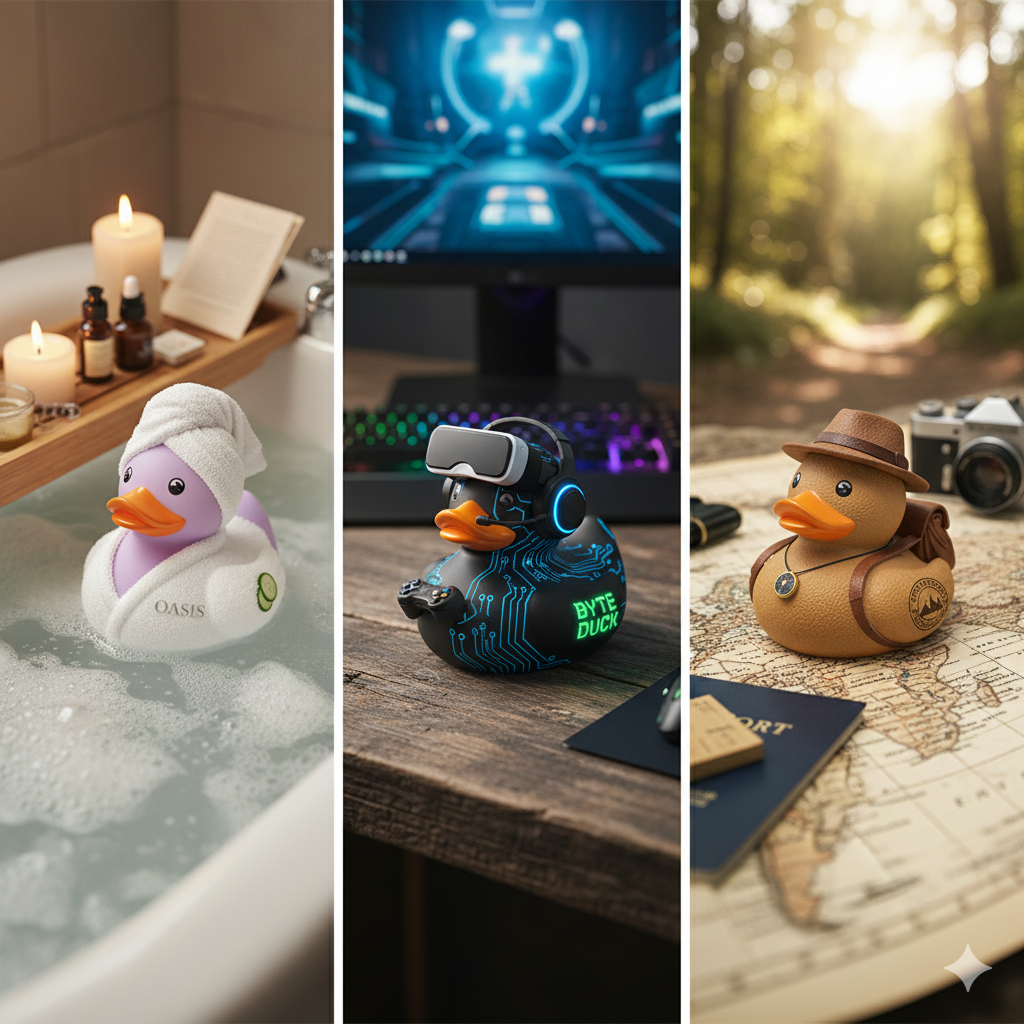
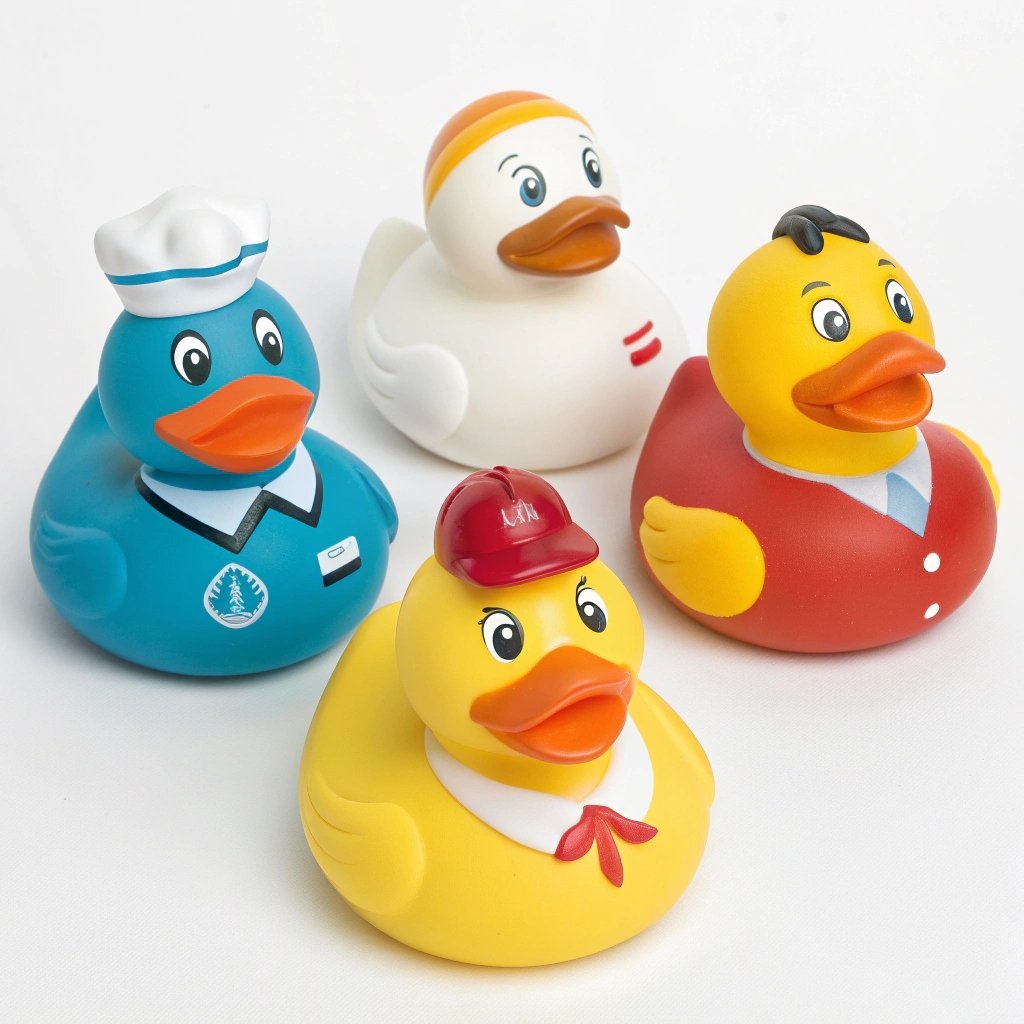
Tailoring is not a single feature. For rubber ducks sourced as branded merchandise, it means one of three levels: a stock body with printed logo, a stock body with Pantone-matched color and logo, or a custom mold that makes the duck itself a campaign icon. Each level changes cost, lead time, and MOQ. The entry point for a custom design is 1,000 units per design.
The Real “Tailored” Definition
- Body color: Stock yellow is easy. Pantone-matched body color is not. It requires a new vinyl compound batch and a color chip approval before production. This single step separates a generic toy from branded merchandise.
- Decoration: Pad printing handles simple logos; UV printing handles fine detail or gradients. Logo placement matters more on a 2–3 inch curved body, where print adhesion and abrasion resistance need to be verified on the actual three-dimensional surface.
- Custom mold: A new shape is the largest upfront expense, but it creates something no competitor can copy from a stock catalog. It requires engineering feasibility checks before quoting, and it still runs through the 1,000-unit MOQ threshold to make tooling amortization practical.
- Color consistency: A brand needs one color, matched to a Pantone number. A mixed bag guarantees shelf chaos and a diluted visual identity. Grabbing a handful of random colors at a trade show booth does not communicate brand alignment.
- Logo placement: Generic ducks carry their own printed pattern. A logo added over that pattern fails on contrast and on long-term wear. The right approach is printing on a clean, color-controlled body, with placement approved on an actual sample before the full production run.
- Perceived value: A generic assortment reads as a cheap toy. A custom duck with a brand color, a crisp logo, and tailored packaging reads as a collectible. Perception is a direct input into how recipients treat the product, and by extension, the brand.
Where Generic Stock Ducks Fail Brand Campaigns
Most bulk duck listings are pre-made vinyl assortments packed 50 per bag. The assortment can span 11 or more colors and patterns — glow-in-the-dark aliens next to camouflage next to ninja themes. Those products are engineered for arcade redemption, not for a corporate color system.
A factory with the tooling to deliver over 500,000 ducks per month can hold this consistency without slowing down a 1,000-unit pilot. The bottleneck for most buyers is not volume. It is finding a supplier that treats color matching, print alignment, and QC checks as standard procedure rather than exceptional service.
Custom Rubber Duck Costs & MOQ Reality
1,000 units is the entry threshold for custom design — mold setup and color calibration make smaller runs uneconomical.
Most tailored factories set the entry point at 1,000 units per design. That number is not arbitrary — it covers mold setup, color calibration, and printing plate costs. Below that threshold, the tooling amortization makes per-unit pricing unreasonable for both buyer and supplier.
Mold Fees, Color Matching, and Decoration Costs
Three cost levers determine your final quote: shape complexity, body color precision, and print method. A stock-body duck with a simple pad-printed logo is the lowest-cost path. Full Pantone color matching on the duck body adds a setup charge for material formulation and color chip approval. Custom molds — where you create an entirely new duck shape — carry the highest upfront tooling fee but also produce the strongest brand differentiation.
The trap most buyers fall into: comparing per-unit prices without itemizing these setup costs. One supplier might quote $0.85/unit with a $1,200 mold fee included; another quotes $0.72/unit but buries mold amortization in the unit price or charges separately on reorders. Always request a line-item breakdown showing mold fees, printing plates or screens, color matching charges, packaging costs, and inspection fees.
Price Tiers by Size and Volume
Size drives material weight and packaging dimensions more than any other factor. The two dominant tiers in bulk duck sourcing are 2–3 inch giveaway ducks and 6 inch collectible/retail ducks.
| Customization Path | MOQ (Units) | Setup Cost | Lead Time | Ideal Use Case |
|---|---|---|---|---|
| Stock Body + Printed Logo | 1,000 | Low (printing plate only) | 2–3 weeks | High-volume giveaways, event campaigns |
| Stock Body + Pantone Color + Logo | 1,000 | Medium (color matching + plate) | 3–4 weeks | Brand-matched color consistency, corporate gifts |
| Custom Mold + Full Color + Logo | 1,000 | High (mold tooling + color) | 4–6 weeks | Unique collectibles, premium client gifts, retail |

Customization Options: Shape, Color, and Printing
Custom shape molds are the single biggest differentiator — and cost driver — in duck customization.
Most buyers start by asking about printed logos. That is the wrong first question. The decision that determines whether your duck looks like a generic giveaway or intentional brand merchandise happens before any ink touches the vinyl: shape.
Custom Shape Ducks: Mold vs Stock Body
A stock-body duck uses an existing mold — the standard rounded duck silhouette you have seen a thousand times. It is fast, cheap, and available at our 1,000-unit MOQ with just a printed logo change. A custom shape requires a new injection or rotocast mold. That upfront tooling investment is the strongest differentiator in this category.
Why? Because a custom-shaped duck tied to your campaign theme — a branded vehicle for an auto launch, a character for a children’s charity, a product silhouette for a tech keynote — creates a collectible that people keep on their desk, not toss in a drawer. The mold cost typically amortizes across the first order and reorders become cheaper.
- Stock body + logo only: $0 mold fee. Fastest path to sample (7–10 days). Best for high-volume giveaways where unit cost matters most.
- Custom shape + full color + logo: $800–$2,500 mold fee depending on complexity and size. Sample lead time extends to 15–20 days for tooling setup. Ideal for premium client gifts or retail collectibles.
Pantone Color Matching for Brand Consistency

Custom Rubber Ducks vs Alternatives
Custom ducks cost under $1 more per unit than generic stock — that dollar buys brand control.
Most buyers assume all rubber ducks are the same until a shipment of 50-piece mixed bags lands on their loading dock. Generic vinyl bulk ducks from suppliers like A&A Global are packed 50 per bag, with 11+ random colors and patterns. No Pantone matching, no logo consistency, no repeatability. For a brand manager who needs 1,000 identical ducks for a product launch, that assortment is unusable.
Compared to Generic Vinyl Bulk Ducks
The cost gap is narrower than you think. At a 1,000-unit MOQ for custom rubber ducks tailored to your brand, the price difference versus stock bulk ducks is often less than one dollar per unit. That dollar buys you Pantone-matched body color, your logo printed with tested adhesion on a curved surface, and consistent quality across every duck in the batch. For intentional brand exposure at an event or trade show, that’s a bargain.
Compared to Other Promotional Giveaways
Pens get lost. Tote bags get shoved in closets. Stress balls deflate. Custom rubber ducks sit on desks, dashboards, and bathroom ledges because they’re tactile and slightly absurd — people keep them. The social media shareability factor is real: Jeep duck culture alone has generated millions of user posts. A branded duck handed out at a tech conference or charity event has a longer shelf life than any paper handout.
When Custom Ducks Beat Standard Merch
How to Qualify a Custom Rubber Duck Supplier
Sample approval is the single non-negotiable milestone in a custom duck order.
I have seen buyers lose $50,000 because the pre-production sample looked perfect but the mass production run came out with a different Pantone shade and blurred logo edges. That gap between sample and bulk is where most supplier relationships break. This is how to close it before a PO is placed.
Red Flags in Supplier Quotes
- Missing mold fee breakdown: If a quote lumps mold cost into a single line item without separating tooling from per-unit price, you cannot compare suppliers fairly. A transparent quote lists mold fee, printing plate cost, color matching charge, and unit price separately.
- No Pantone proof commitment:Suppliers who say “the color will be matched” without offering a physical Pantone chip or digital proof before production are guessing. Demand a written color approval step with a deadline.
- Vague sample timelines: “Samples in 2-3 weeks” is not a schedule. You need a specific date for first sample delivery and a separate date for final approval before bulk production starts.
Compliance Questions to Ask
and are the two safety standards that matter for promotional ducks handled by children or adults. Do not accept verbal assurances — request the lab test report from an accredited third party. Also ask for phthalate-free material statements and non-toxic ink documentation. If your supplier cannot produce these documents within 48 hours, they likely do not test.
Sample Approval as Your Hard Deadline
The sample is not just about looks. It validates three things: Pantone accuracy on the duck body, logo placement and adhesion on curved surfaces, and squeeze feel (too hard means material defect; too soft means thin walls). Approve only after you have tested all three.
Set the sample deadline in writing before production begins. For event campaigns, build in a 5-day buffer between sample approval and the bulk production start date. A factory producing 500,000+ ducks monthly can hold your slot if you commit to that timeline; smaller factories may push your order to the back of the line if you delay approval by even three days.

Sourcing Timelines: Samples, Production, and Delivery
Sample speed is the single biggest risk to your event launch date.
Most buyers treat sample timelines as a footnote in the quote. That is a mistake. Orders have been delayed because the pre-production sample did not match the mass production run, even when the stock body was used. The difference between a stock-body sample and a custom-shape sample is weeks, not days.
Stock-Body vs Custom Shape Sample Speed
A stock-body duck with a printed logo uses an existing mold. The factory only needs to set up the printing plate and match the Pantone color for the logo. Sample turnaround typically runs 7–10 days from artwork approval.
A custom shape requires new tooling. The mold must be designed, CNC-machined, and tested before any sample can be produced. That process takes 15–25 days minimum, depending on complexity. Buyers who need samples by a fixed date should request the mold development schedule in writing before committing.
The Pre-Production Sample Rule
A common mistake is approving an initial design sample and assuming bulk production will match it exactly without a pre-production check. Always require a pre-production sample from the actual production tooling and material batch before mass manufacturing starts. This is especially critical for Pantone-matched bodies, where color drift between batches can be visible.
Production Lead Time Drivers
Conclusion
A 1,000-unit custom duck run is the industry benchmark for a reason. It gives you enough volume to amortize setup costs while keeping the pilot small enough to validate color matching, print adhesion, and packaging before a full campaign launch. Any supplier that cannot deliver a Pantone-matched sample within that threshold is not set up for brand work.
- MOQ starts at 1,000 units per design.
- Pantone color matching and pad printing are standard.
- Custom molds require the same 1,000-unit threshold.
- Request EN71 or ASTM F963 compliance for safety.
Now that you know the cost drivers and qualification criteria, the next step is to compare actual product options. Browse the promotional rubber duck catalog to see real size tiers, finishing choices, and packaging configurations. That will give you the spec sheet you need to send a supplier brief with confidence.
Frequently Asked Questions
In my marketing campaign, what categories of Custom Rubber Ducks can I select?
For campaigns, select from mini favor ducks (2–3 inch), collectible/retail ducks (4–6 inch), or custom-shaped mascot ducks. The mini size is best for high-volume giveaways, while collectible. Choose based on your budget and whether the duck is a giveaway or a keepsake.
How can rubber ducks be customized for branding purposes?
Brands customize ducks through three routes: Pantone color matching for the body, pad or UV printing for logos, and custom mold creation for unique shapes. The most. Start with a Pantone match and logo print, then explore custom molds for larger budgets.
What is the minimum order quantity for custom rubber ducks?
Most tailored factories start at 1,000 units per design for custom molds and full-color matching. Stock-body ducks with printed logos may allow lower MOQs, typically around 500 units, depending on. Confirm MOQ with your supplier after deciding on shape and decoration complexity.
How long does it take to get custom rubber duck samples?
Sample timelines vary by mold complexity and printing requirements. Stock-body samples with printed logos typically take 5–7 days, while custom mold samples can take 15–20 days including tooling. Request a sample timeline when you share your design file and spec.
Are custom rubber ducks safe for children and events?
Ask for EN71 or ASTM F963 compliance, phthalate-free materials, and non-toxic paint. If the ducks will be given to children under three, ensure they have no small parts and meet choking hazard standards. Request a compliance certificate before approving production.