Skip to content
Why 2027 Matters for Rubber Duck Buyers Now
B2B promotional product buyers who wait until 2027 to plan their 2027 rubber duck orders will already be behind. The factories that produce custom ducks operate on production schedules that fill months in advance, and the trends that shape demand in 2027 are visible in the data and buyer behavior of late 2026. For procurement teams responsible for promotional campaigns, trade show giveaways, retail merchandise, or seasonal product lines, the window to prepare is now.
The promotional products industry moves in cycles. Colors, themes, and materials that gain traction in one year become the standard requests in the next. The Rubber Duck Trends 2026 analysis showed where the market is heading. This 2027 outlook takes the next step: what B2B buyers should order, when they should start, and which design and material choices will position them ahead of competitors who react later.
For buyers sourcing custom rubber ducks at scale, the strategic value of forward-looking trend analysis is concrete. It means ordering the right Pantone colors before the factory’s production calendar fills with other buyers’ requests. It means commissioning custom molds for trending themes while tooling capacity is available. It means locking in eco-friendly material specifications before regulatory changes make older materials non-compliant. Preparation is not optional. It is the difference between leading a trend and chasing it.
Trend 1: Sustainable Materials Move from Optional to Expected
The shift toward sustainable promotional products is not a 2027 prediction. It is a 2026 reality that will intensify. GRS-certified recycled vinyl, phthalate-free formulations, and biodegradable material options are already available from manufacturers with the right certifications. What changes in 2027 is buyer expectation. Brands that request eco-friendly ducks as a differentiator in 2026 will find that their competitors are all requesting the same thing in 2027, making sustainability a baseline requirement rather than a premium feature.
| Material Trend | 2026 Status | 2027 Projection | Buyer Action |
|---|---|---|---|
| GRS-certified recycled vinyl | Available, premium positioning | Standard request for eco-conscious brands | Verify GRS certification now, not at order time |
| Phthalate-free formulations | Common in CPSIA-compliant lines | Expected default for all orders | Specify phthalate-free in RFQs |
| Biodegradable additives | Emerging, limited supply | Wider availability, slightly higher cost | Request samples for testing |
| Reduced packaging waste | Polybag still dominant | Recycled or minimal packaging requests increase | Budget for recycled packaging option |
The buyers who benefit most from this trend are those who start requesting GRS-certified materials now. Factories that have already invested in recycled material supply chains (LZENGO’s GRS certification covers this) will be positioned to fulfill 2027 demand. Buyers who wait to specify sustainability requirements until the last minute risk finding that production slots for eco-friendly runs are already committed.
Trend 2: Personalization at Scale Becomes Affordable
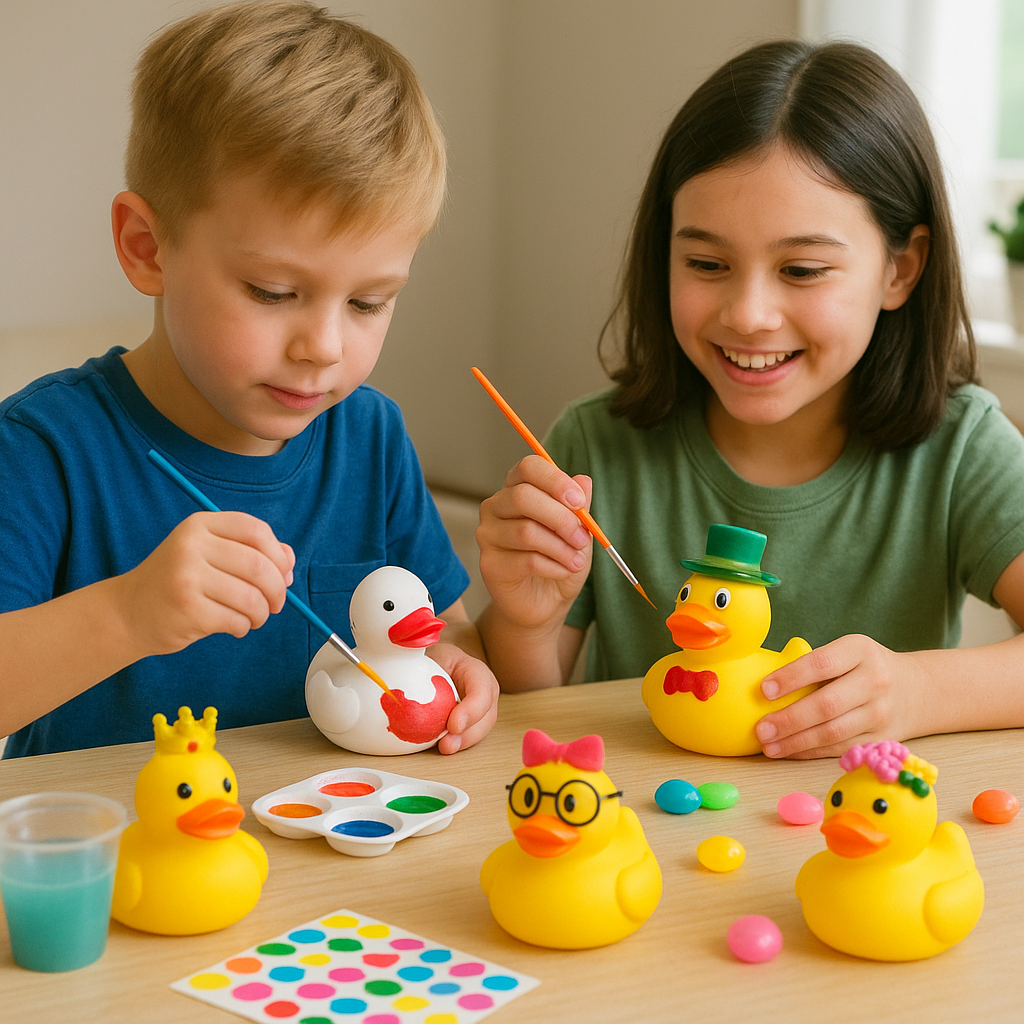
Personalization has been the promise of promotional products for years, but the economics rarely worked at scale. Printing individual names, team numbers, or location-specific messages on each duck in a 10,000-unit order used to require manual processes that multiplied the per-unit cost. In 2027, UV printing technology and digital workflow improvements make variable-data printing on rubber ducks economically viable for orders starting at 5,000 units.
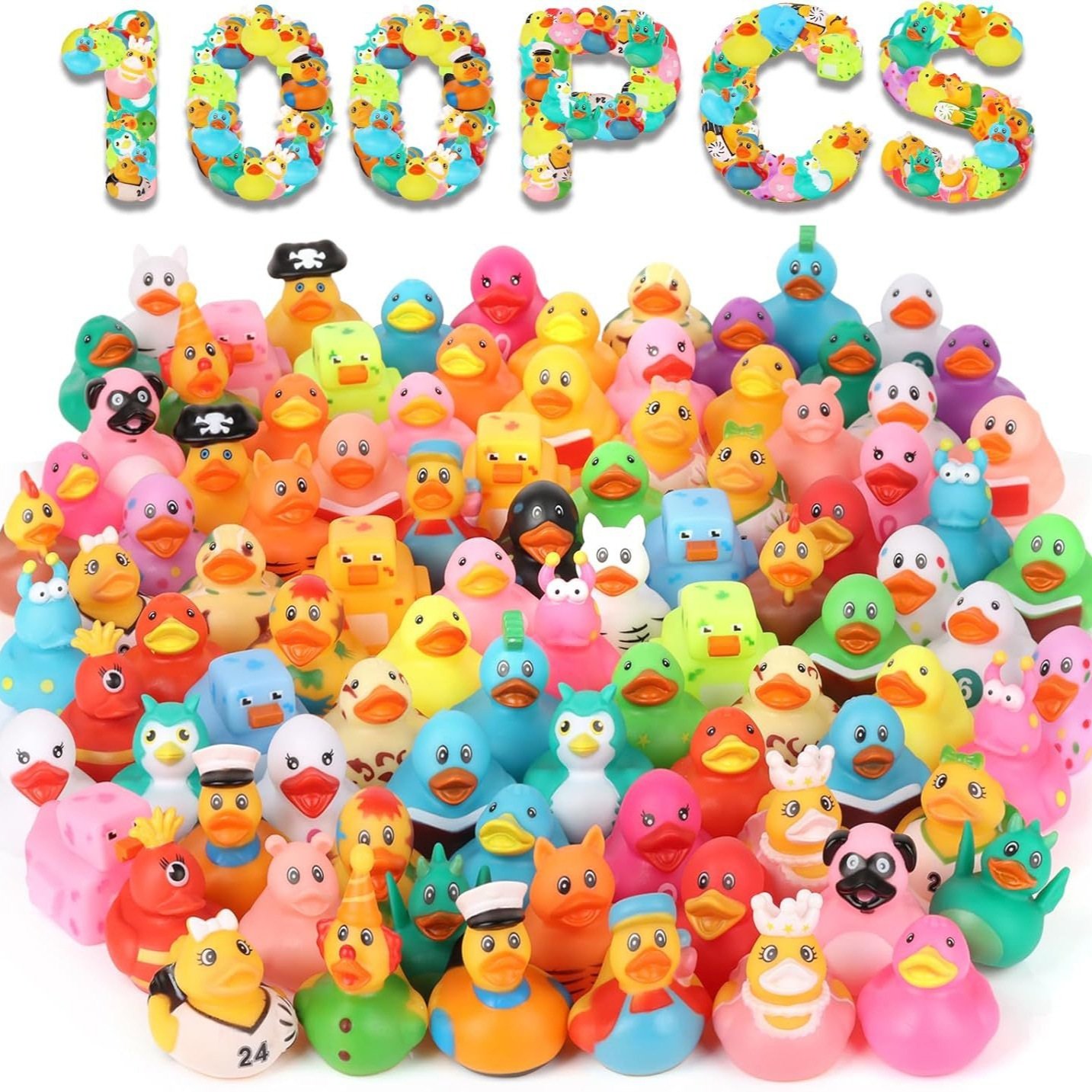
What this means for B2B buyers:
- Corporate gift programs can print employee names or milestone years on individual ducks within a single bulk order.
- Franchise systems can produce location-specific ducks for each outlet without placing separate orders.
- Event organizers can date-stamp ducks for multi-day conferences or regional tour stops.
- Retail assortments can include mixed-design sets where each duck in a collection carries a unique element.
The 12-hour mockup service becomes even more valuable here because it allows buyers to see personalized design samples before committing to a variable-data production run. The ability to test a personalized concept quickly and at low risk is what separates buyers who capitalize on this trend from those who watch from the sidelines.
Trend 3: Occupational and Career Themes Expand
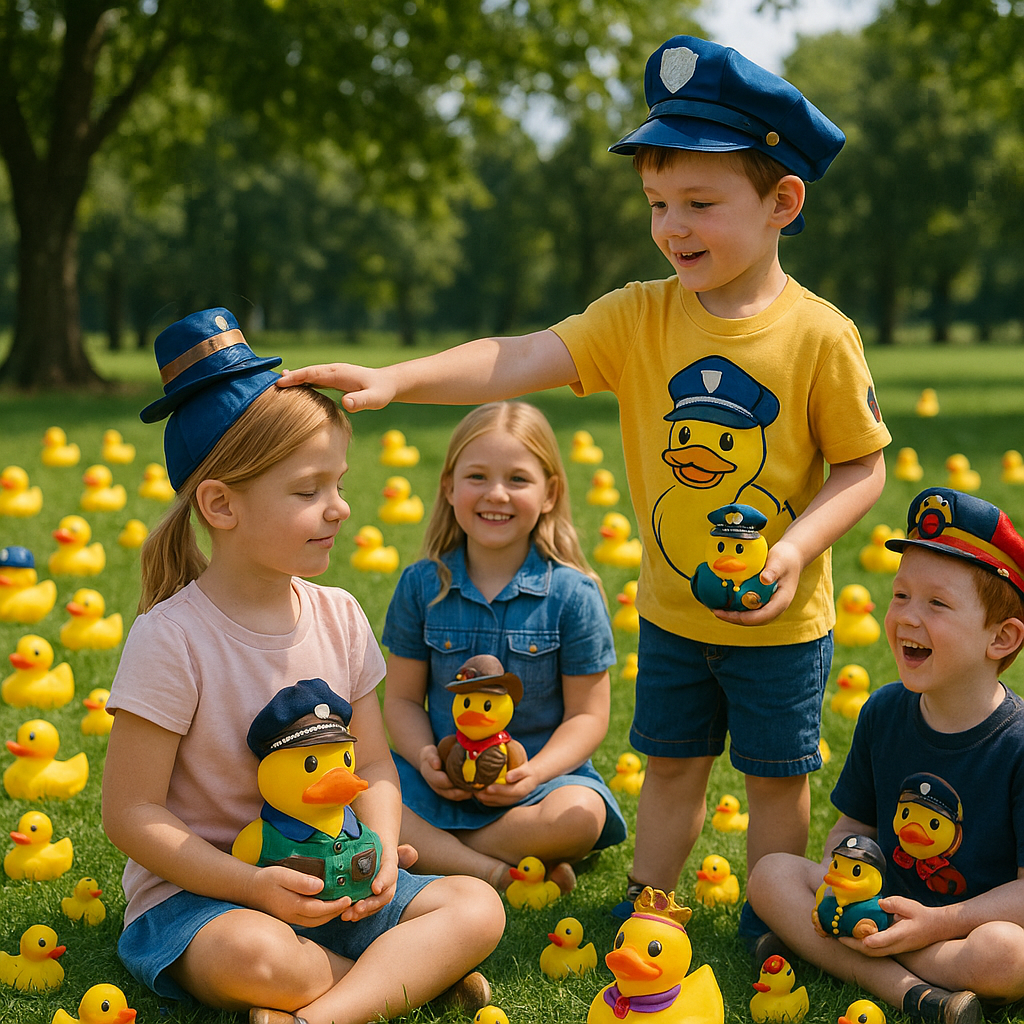
Occupational ducks have existed for years. Doctor, firefighter, teacher, and chef themes populate the existing product lines of most manufacturers. What changes in 2027 is the depth and specificity of the career themes that buyers request. Instead of a generic “doctor duck,” clinics want a pediatrician duck, a surgeon duck, and a nurse practitioner duck. Instead of a “teacher duck,” schools want a math teacher, a music teacher, and a PE coach.
| Theme Category | 2026 Demand Level | 2027 Projection | Production Implication |
|---|---|---|---|
| Healthcare professionals (sub-specialties) | Moderate | High | New molds needed for specialized roles |
| Tech and startup culture | Low | Moderate to high | Opportunity for custom-shape investment |
| Trades and skilled labor | Low | Moderate | Electrician, plumber, welder themes emerging |
| Wellness and fitness | Moderate | High | Yoga, CrossFit, personal trainer themes |
| Sustainability roles | Niche | Growing | Environmental scientist, recycling coordinator |
For buyers, the implication is clear. If your industry or customer base has a specific career theme that is not yet available as a stock mold, commissioning the mold now positions you ahead of the curve. At 10,000+ units, the mold cost amortizes effectively, and you own a design that competitors cannot replicate without commissioning their own tooling.
Trend 4: Seasonal and Holiday Cycles Compress
The traditional holiday duck calendar (Christmas, Halloween, Easter) is expanding. Buyers in 2027 will order ducks for a wider range of seasonal moments, including back-to-school, graduation, Earth Day, Pride Month, and regional festivals. This compression of seasonal cycles means factories see demand spread across the calendar rather than concentrated in Q4, which affects production slot availability.
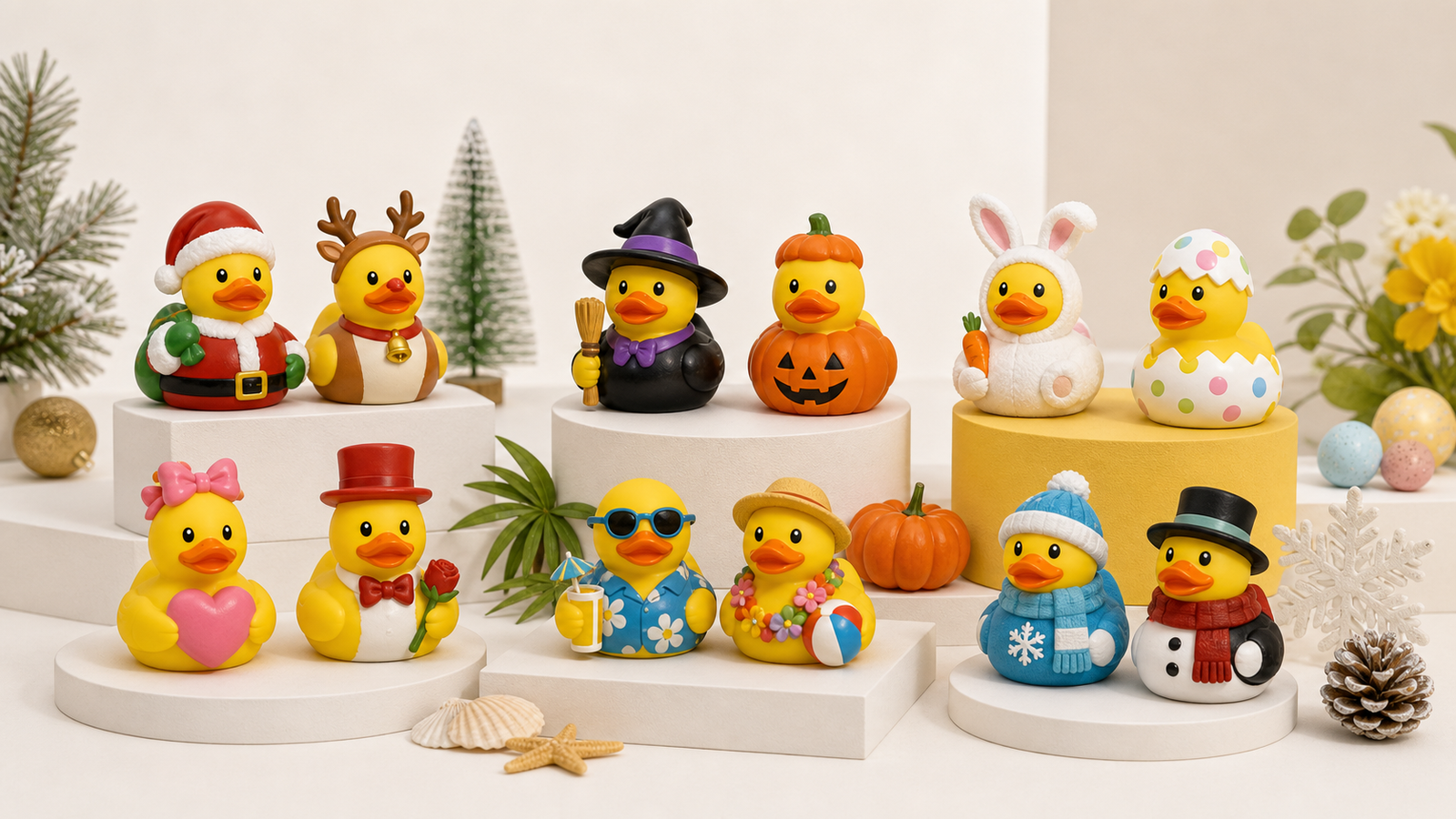
The practical advice for 2027 seasonal planning:
- Lock production slots early. A factory with 5 million units monthly capacity sounds unlimited, but specific seasonal themes require dedicated mold time and color matching that books the production line for days at a time.
- Order off-season themes in advance. A Christmas duck ordered in July costs the same as one ordered in October, but the July order ships on time while the October order may require air freight.
- Budget for multiple seasonal runs. Instead of one large Q4 order, buyers are splitting budgets across 3-4 smaller seasonal runs, each with a themed design.
Trend 5: B2B Buyers Demand Transparency and Documentation
The era of taking a supplier’s word for compliance is ending. B2B buyers in 2027 will require actual test reports, certification documents, and audit results before placing orders. This trend is driven by three forces: regulatory tightening in target markets, corporate ESG reporting requirements, and buyer experiences with counterfeit or non-compliant products from unverified suppliers.
| Documentation | What Buyers Will Require | When to Request |
|---|---|---|
| CPSIA test report | Actual Intertek or equivalent lab report, not a certificate summary | Before sample approval |
| REACH compliance statement | Full SVHC substance list compliance | At RFQ stage |
| BSCI audit report | Most recent factory social compliance audit | For orders over 10,000 units |
| GRS chain of custody | Recycled material sourcing documentation | When specifying eco-friendly materials |
| Production capacity verification | Factory tour or video verification of production lines | For new supplier onboarding |
Suppliers who already hold these certifications and can produce the documentation on request (like LZENGO with BSCI, GRS, REACH, and CPSIA through Intertek) will have a structural advantage. Buyers who build documentation requirements into their RFQ process avoid the scenario of discovering non-compliance after the goods have shipped.
How to Prepare Your 2027 Ordering Strategy
Preparation for 2027 rubber duck trends is not about predicting the future with certainty. It is about building flexibility into your sourcing process so you can respond to trends as they emerge. The buyers who win in 2027 will be those who started conversations with their factory in 2026, tested sample designs early, and locked production slots before the calendar fills.
| Preparation Step | Timing | What to Do |
|---|---|---|
| Review 2026 campaign results | Q3 2026 | Analyze which duck designs, colors, and themes performed best with your audience |
| Request 2027 trend mockups | Q4 2026 | Ask your factory for digital mockups of trending designs to circulate internally |
| Commission new molds early | Q4 2026 to Q1 2027 | If occupational or custom themes require new tooling, start the mold process while factory capacity is open |
| Lock seasonal production slots | Q1 2027 | Reserve production line time for seasonal themes before the calendar fills with other buyers’ orders |
| Test eco-friendly materials | Ongoing | Request physical samples in GRS-certified recycled vinyl to evaluate quality before committing to bulk |
For teams measuring the impact of their promotional spend, tracking giveaway ROI across 2026 campaigns provides the data needed to justify 2027 budgets. The trend is clear: rubber ducks are not a novelty category in decline. They are a promotional product category that is evolving toward sustainability, personalization, and specialization, and the buyers who prepare now will capture the best production slots and the most distinctive designs.

These trends play out inside a larger market. For the full picture on budgets and buyer behavior, see where rubber ducks fit in the 2026 promotional products industry.
Forward product trends meet the keep-value test in the swag bag trends 2026 guide, which ranks items by what attendees keep, not just what they take.
The nostalgia behind that demand is unpacked in the rubber duck nostalgia marketing analysis.
Frequently Asked Questions
When should I start planning 2027 rubber duck orders?
Start in Q3 to Q4 of 2026. Review 2026 campaign results, request trend mockups from your factory, and commission any new molds while production capacity is available. Locking seasonal production slots by Q1 2027 ensures your orders ship on time.
Will eco-friendly rubber ducks cost more in 2027?
GRS-certified recycled vinyl carries a modest premium over standard PVC, but the gap is narrowing as supply chains mature. By 2027, expect eco-friendly materials to be a standard option rather than a significant cost driver. Request samples now to evaluate quality.
What customization trends should I watch for rubber ducks in 2027?
Personalization at scale through UV variable-data printing, expanded occupational theme specificity, seasonal theme diversification, and sustainable material specifications are the four key trends. Buyers who test these options in 2026 will be positioned to capitalize in 2027.
Buyers planning a color-led duck program can follow the palette families and Pantone workflow in our guide to promo duck color trends and palette guide.
For the sizes, budgets and anchor risk behind a giant duck booking, see our giant rubber duck installation.