Skip to content

The rubber duck is one of the few promotional products that works on the same emotional register for a five-year-old and a fifty-five-year-old. The classic yellow duck has been a bathtub companion since the 1940s, a chart-topping song character since 1970, and an ocean-current research icon since 1992. Rubber duck nostalgia marketing leans on that shared memory: the object does not need an explanation, because every generation already has one.
For B2B buyers, that instant recognition translates into predictable campaign performance. A duck does not have to be introduced, justified, or explained at the point of sale. People already know what it is, what it feels like, and what it meant to them as children. This article looks at why that nostalgia keeps working, where the duck’s cultural staying power comes from, and how brands turn it into promotional programs that perform across age groups.
Nostalgia works when a product connects to a memory the audience actually shares. Pens, stickers, and stress balls have no childhood backstory. The duck does. Most adults can close their eyes and picture the yellow duck floating in a tub, squeaking in a child’s grip, or sitting on the edge of a grandparent’s bathroom shelf. That image is stored in roughly the same place in every generation’s memory, which is why a duck giveaway reads as warm and familiar rather than generic.
The memory also carries a safety signal. Parents who see a duck in a gift bag do not worry about what it is; they already know it as a bath toy. That inherited trust is valuable in marketing contexts where new products have to earn acceptance. The Promotional Products Association International research library tracks how recipients respond to branded merchandise, and physical items with familiar forms consistently outperform novel objects on retention and use, because familiarity lowers the barrier to keeping the item.
A Short History: Why the Duck Keeps Resurfacing
The duck’s cultural timeline explains why it never stays out of style for long. Rubber ducks emerged as a mass-market bath toy in the 1940s, when manufacturers figured out how to mold vinyl into a floatable, squeakable shape at scale. In 1970, Sesame Street turned the duck into a pop-culture icon with the Rubber Duckie song, and a generation of children grew up treating the duck as a character rather than just a toy.
The 1992 Friendly Floatees incident added a second layer: a cargo container spilled roughly 29,000 bath toys into the Pacific, and the floating ducks became a running story about ocean currents that lasted for years. That accident turned the duck into a symbol of unexpected journeys, giving it a second cultural life as a collectible and conversation piece. Each wave of cultural exposure plants the duck in a new generation’s memory, so nostalgia for the duck renews itself roughly every twenty years.
Generational Appeal: The Same Duck, Different Memories
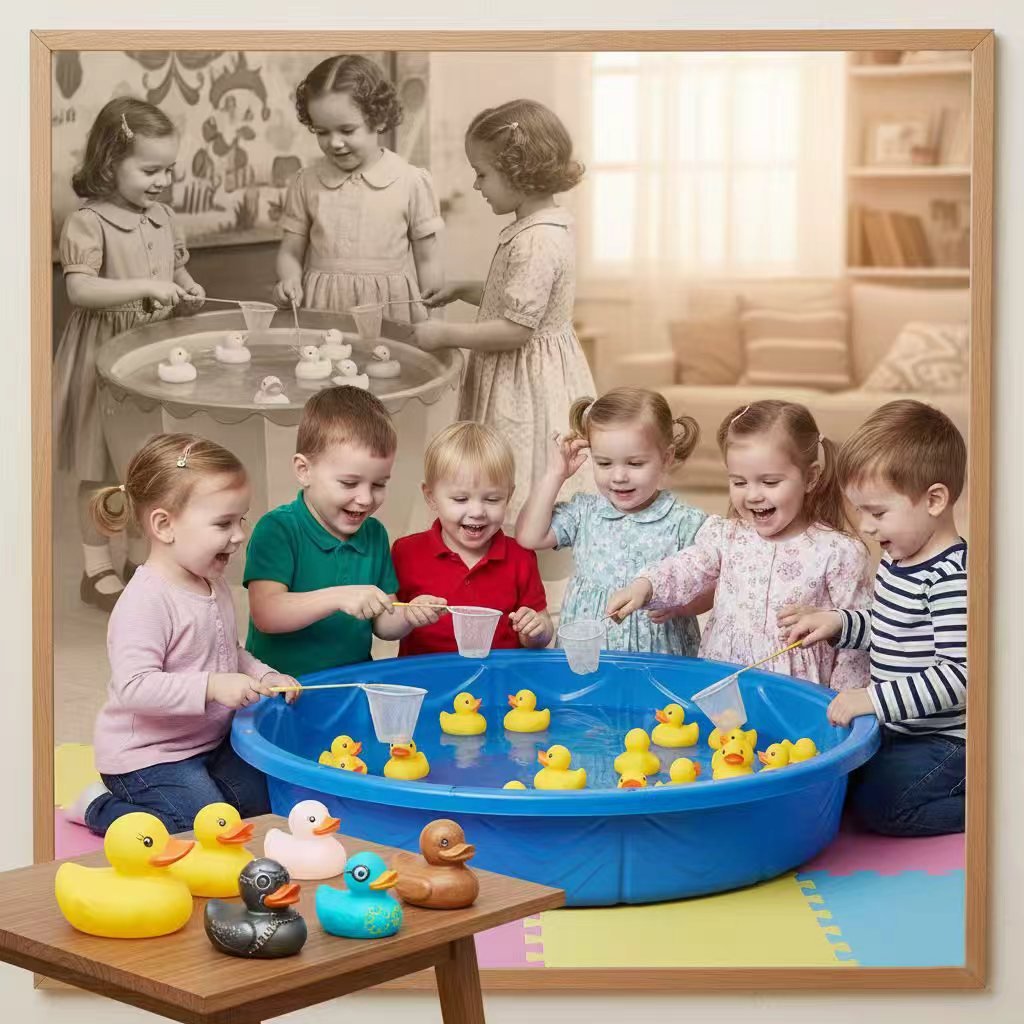
What makes rubber duck nostalgia marketing unusually efficient is that the same object triggers different memories in different age groups. Boomers remember the duck as a simple bath toy from their children’s early years. Gen X and Millennials grew up with Rubber Duckie and with ducks as prizes at carnivals and fairs. Gen Z knows the duck from Jeep ducking, from collectible duck lines, and from the internet’s habit of treating the duck as a gentle, universally liked mascot.
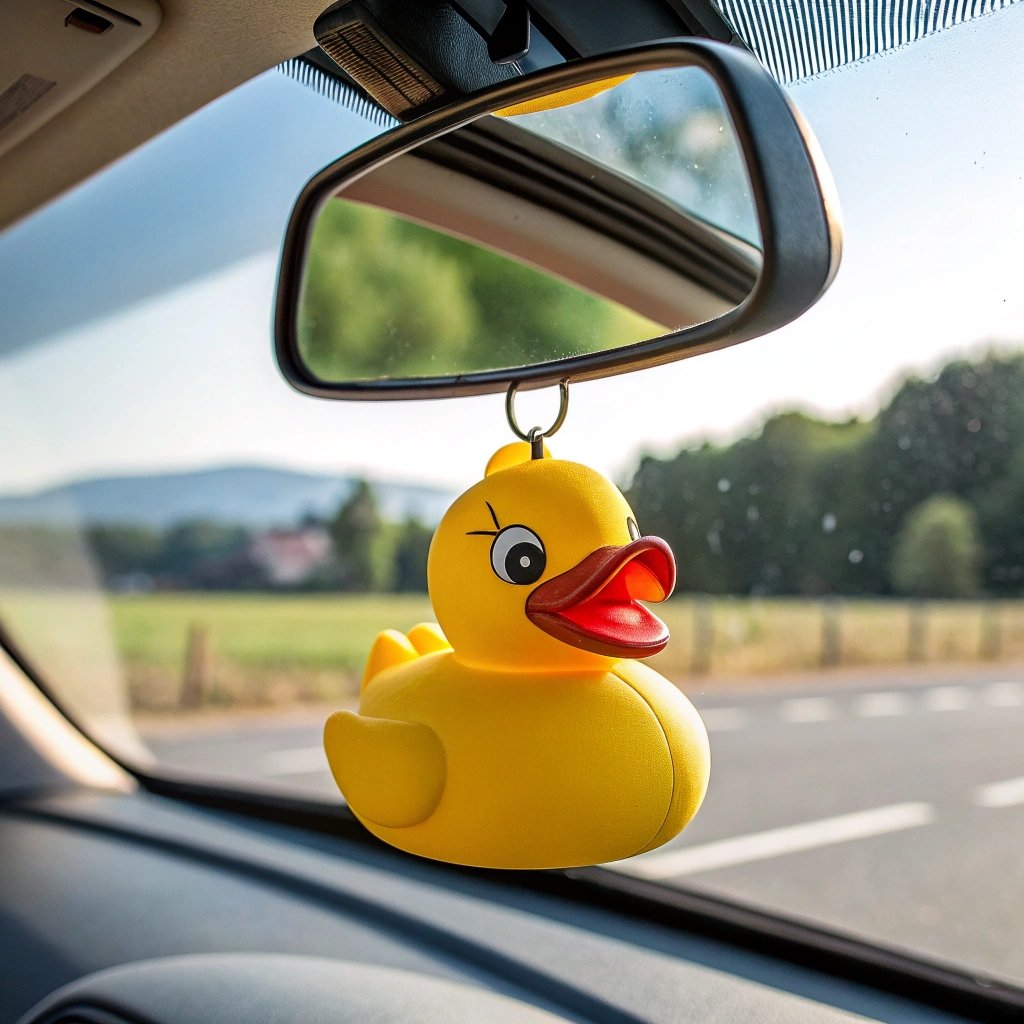
One product, multiple memory lanes. A campaign can therefore target a broad audience without splitting into age-specific creative. The 2.9-inch Jeep duck works for a young off-road community while the same factory’s classic yellow duck works for a retirement community event. Both groups read the duck as nostalgic, but the nostalgia points to different moments, which keeps the item from feeling repetitive across campaigns. This is why rubber ducks keep appearing in yearly trend reports for promotional products.
Collectible Psychology: The Duck Turns a Giveaway Into a Set
Nostalgia alone explains why people like a duck. Collectibility explains why they keep it. Because ducks come in endless themes, colors, and accessories, a single duck can be the start of a collection, and collections create repeat engagement. A customer who receives a duck at an event is mildly pleased. A customer who receives the third duck in a themed series wants the fourth.
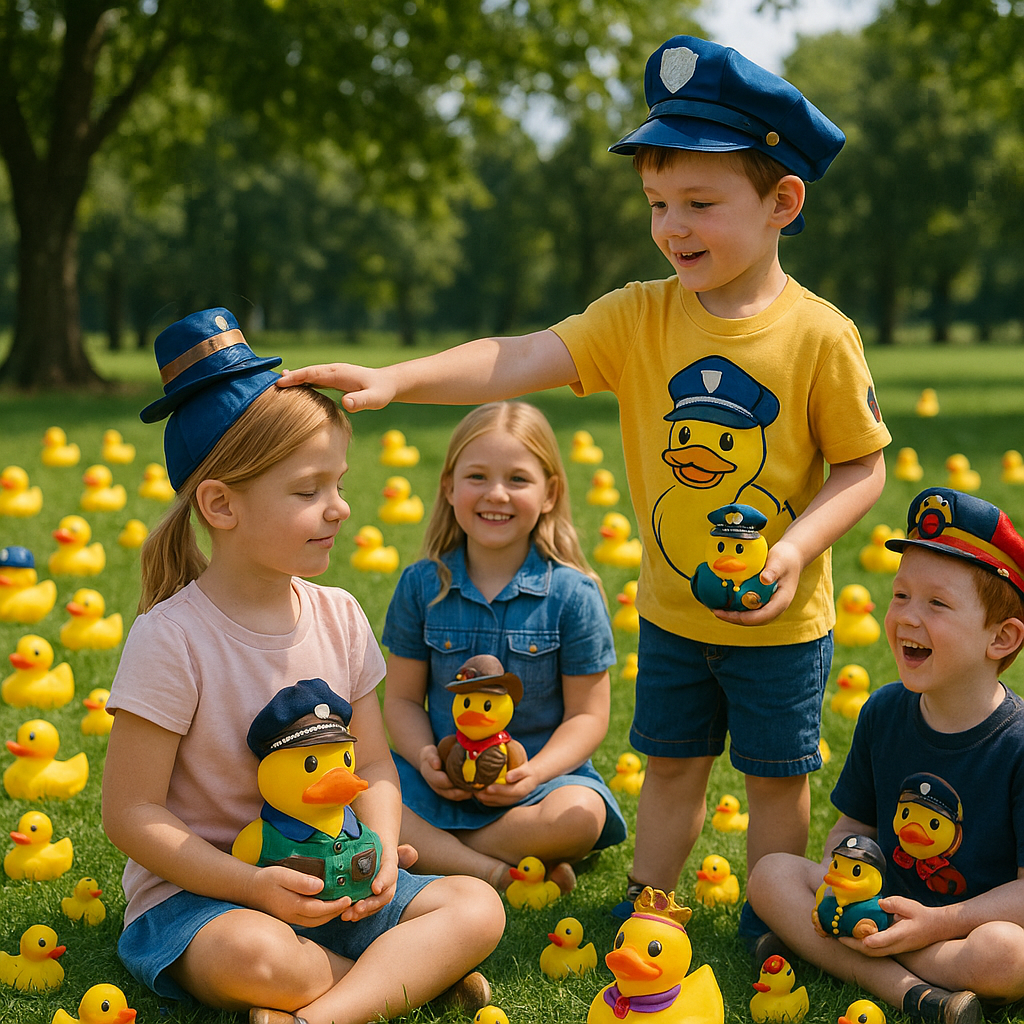
That mechanic matters for loyalty and retention programs. The nostalgia opens the door, and the collectible instinct keeps the door open. Brands that run seasonal duck lines, occupation-themed series, or mascot collections give their audience a reason to come back for the next drop. The same logic that keeps kids collecting carnival ducks keeps adults collecting brand ducks, and the emotional anchor is always the childhood memory attached to the first duck.
What Nostalgia Means for a B2B Buyer
For a brand team deciding where to put swag budget, nostalgia is not sentiment; it is a performance variable. A nostalgic item needs less creative support because the audience pre-understands it. The campaign does not have to teach anyone what a duck is, so the budget goes into the product itself: a well-made duck with the brand’s colors, a themed line that invites collection, or a custom shape that gives the duck a reason to sit on a desk for years.
The cost structure keeps the math friendly. At the 1,000-piece minimum order, a printed custom duck runs under $0.85 per unit, with mockups delivered within 12 hours and physical samples within 7 days. That means a nostalgia-based campaign can be tested with a small batch, measured, and scaled before the next season. Teams that want to compare this against other swag options can review the swag retention comparison, which looks at why ducks outlast pens and stickers, and the industry spending data for 2026.
Designing a Nostalgic Duck Campaign That Lands
A nostalgic duck campaign fails when it leans on the word nostalgia instead of the object. The duck itself has to feel like the duck people remember: the right proportions, the classic yellow when the campaign wants pure nostalgia, and a high-quality finish that does not cheapen the memory. Once the base is right, the brand layer can go anywhere. Pantone-matched colors keep the logo faithful to brand guidelines, while matte and gloss finishes change how the duck reads on a desk.
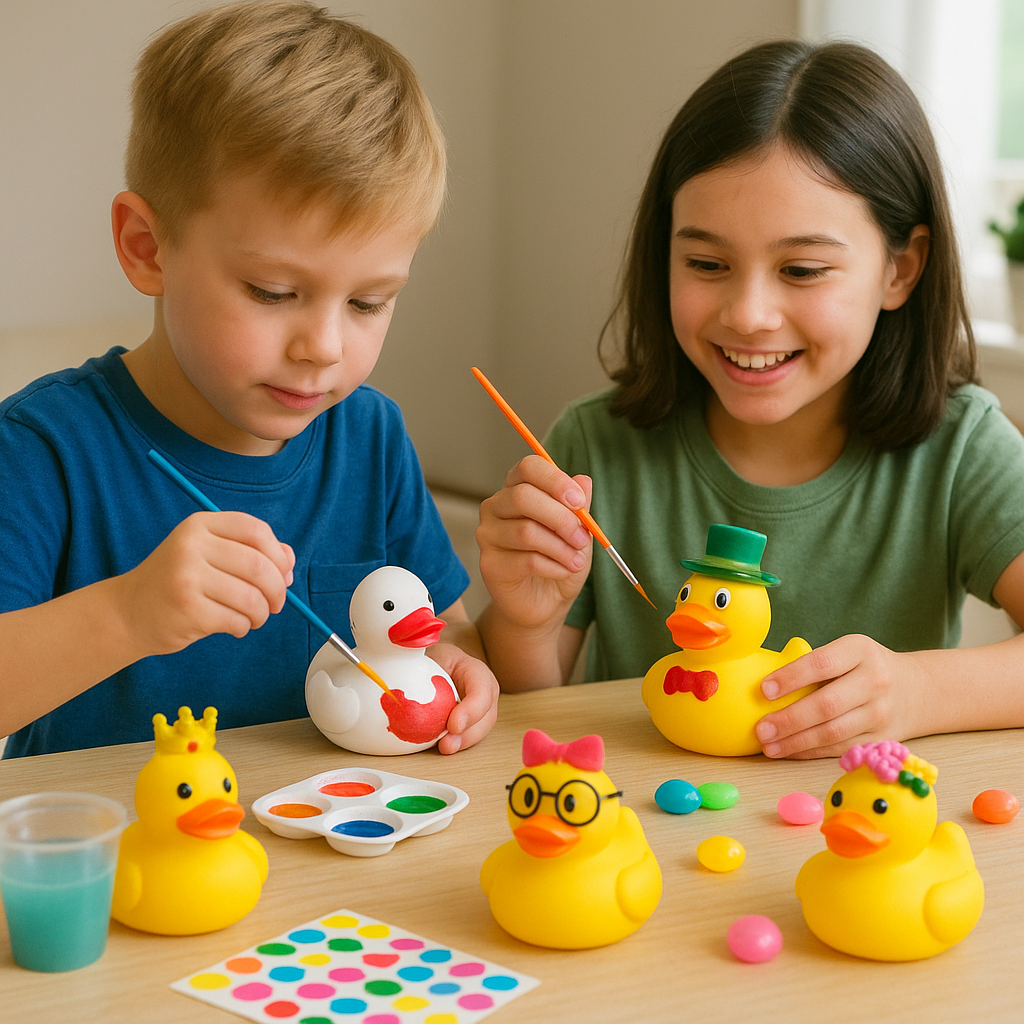
The other design lever is the theme series. Nostalgia works best when the audience can say “I remember that,” and themed ducks trigger that response reliably: occupation ducks for a healthcare campaign, holiday ducks for Q4, mascot ducks for sports teams. The custom rubber ducks production route at LZENGO supports logo printing, custom shapes, and themed lines from one factory, so a brand can run a full nostalgia series without juggling multiple suppliers. For campaigns that start with the classic duck before custom tooling arrives, the wholesale rubber duck product range lists standard shapes, sizes, and packaging that ship without new molds.
Why the Next Generation Will Keep the Duck Alive
The strongest argument for rubber duck nostalgia marketing is that the supply of nostalgia never runs out. Every generation that grows up with a duck in the tub or on a dashboard becomes a future adult who responds to the duck’s familiarity. The Jeep ducking movement, which began in 2020 and spread through owner clubs and social media, is already giving today’s children their own duck memory, one that will surface in marketing campaigns twenty years from here.
That is the durable advantage. Trends in color, theme, and finish will keep changing, but the underlying object keeps its emotional charge because each new cultural moment renews it. For buyers planning multi-year promotional calendars, the duck is one of the few products you can commit to without betting on a fad, because its nostalgia engine has been running for over eighty years and shows no sign of slowing.
Frequently Asked Questions
Why does rubber duck nostalgia marketing work?
Because the duck carries a shared childhood memory across generations. People already know what a duck is, so campaigns do not have to explain the product, and familiarity makes recipients more likely to keep the item.
Is the rubber duck popular with younger generations?
Yes. Gen Z knows the duck through Jeep ducking, collectible duck lines, and internet culture, so the object keeps acquiring new nostalgia for each generation that grows up with it.
What makes a duck campaign nostalgic instead of generic?
The duck’s proportions, color, and finish must match the classic object people remember, and the theme should trigger a specific memory, such as holidays, occupations, or mascots.
How much does a nostalgic duck campaign cost?
At the 1,000-piece minimum order, a printed custom duck runs under $0.85 per unit, with mockups in 12 hours and samples in 7 days, so a small test batch is affordable.
Do collectible ducks improve campaign retention?
Yes. Themed duck series turn a one-time giveaway into a collection, giving recipients a reason to engage again for the next drop in the series.