Skip to content
A logo-only duck gets your logo seen. A custom-shape duck gets your logo photographed, posted and kept. The question for brands moving from the first to the second is not “which looks better” — it is whether the upgrade pays for itself: mold cost, minimum quantities, lead time, and the retention lift that a shaped duck actually delivers. This guide compares the two upgrade paths on the numbers that matter, and gives the decision rule brands can apply to their own programs.
The Two Upgrade Paths and Their Cost Structures
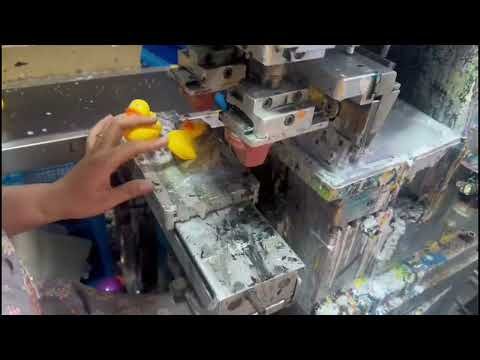
Logo-only ducks use existing molds: your logo is pad-printed or UV-printed onto a standard duck shape, and the cost is print setup plus per-unit print. Custom-shape ducks open a new mold — a one-time tooling investment that starts in the low thousands of dollars depending on size and detail — then produce the duck in your shape with your colors, with printing optional. The cost structures differ in kind: logo-only is a per-unit decision with a trivial fixed cost; custom-shape is a fixed-cost decision (the mold) amortized over units. The break-even is the moment the comparison becomes a math problem: total cost of logo-only across your program volume versus mold cost plus the higher per-unit cost of custom production. For a 1,000-unit pilot, the mold rarely pays back; for a 50,000-unit annual program, it almost always does. The custom duck mold cost breakdown walks through the tooling numbers in detail.
What the Mold Actually Buys
The mold buys three things, and only one of them is the shape. First, product fit: a duck shaped like your product — a coffee cup, a car, a game controller — communicates the brand in the first second, where a printed logo needs a second look. Second, color identity: custom molds are made in your Pantone colors across the whole body, so the brand color is the product, not a print on it. Third, perceived value: a shaped duck reads as merchandise, not a promo trinket — which changes what recipients do with it (keep it on a desk instead of passing it to a child) and therefore how long the logo stays visible. The counterweight: mold lead time (typically 20–35 days including sampling at LZENGO’s 7-day sample cycle) and the MOQ structure that molds require. A program that needs ducks in three weeks cannot wait for a mold; the decision is also a calendar decision.
The Retention Question: What the Shape Actually Changes
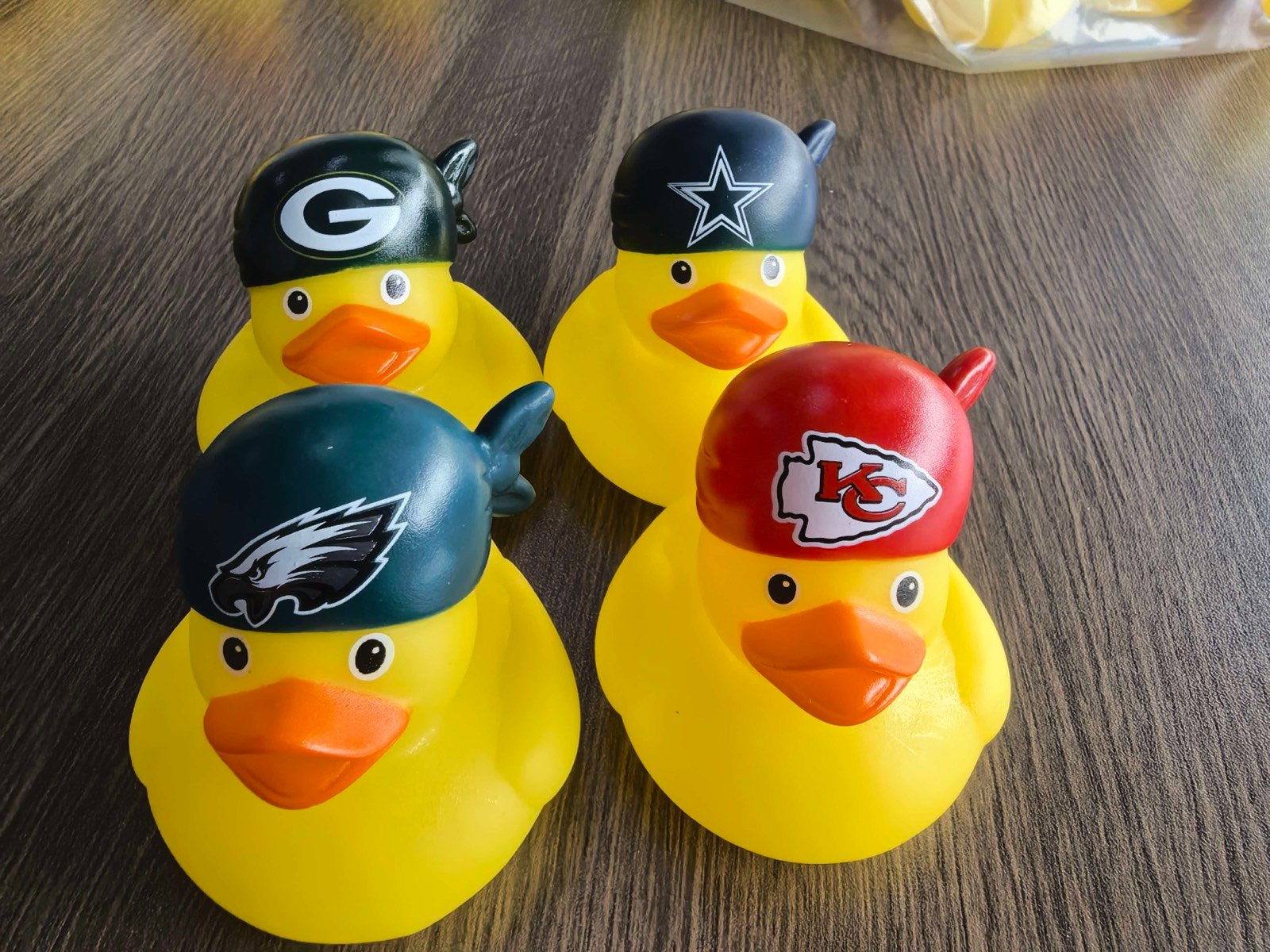
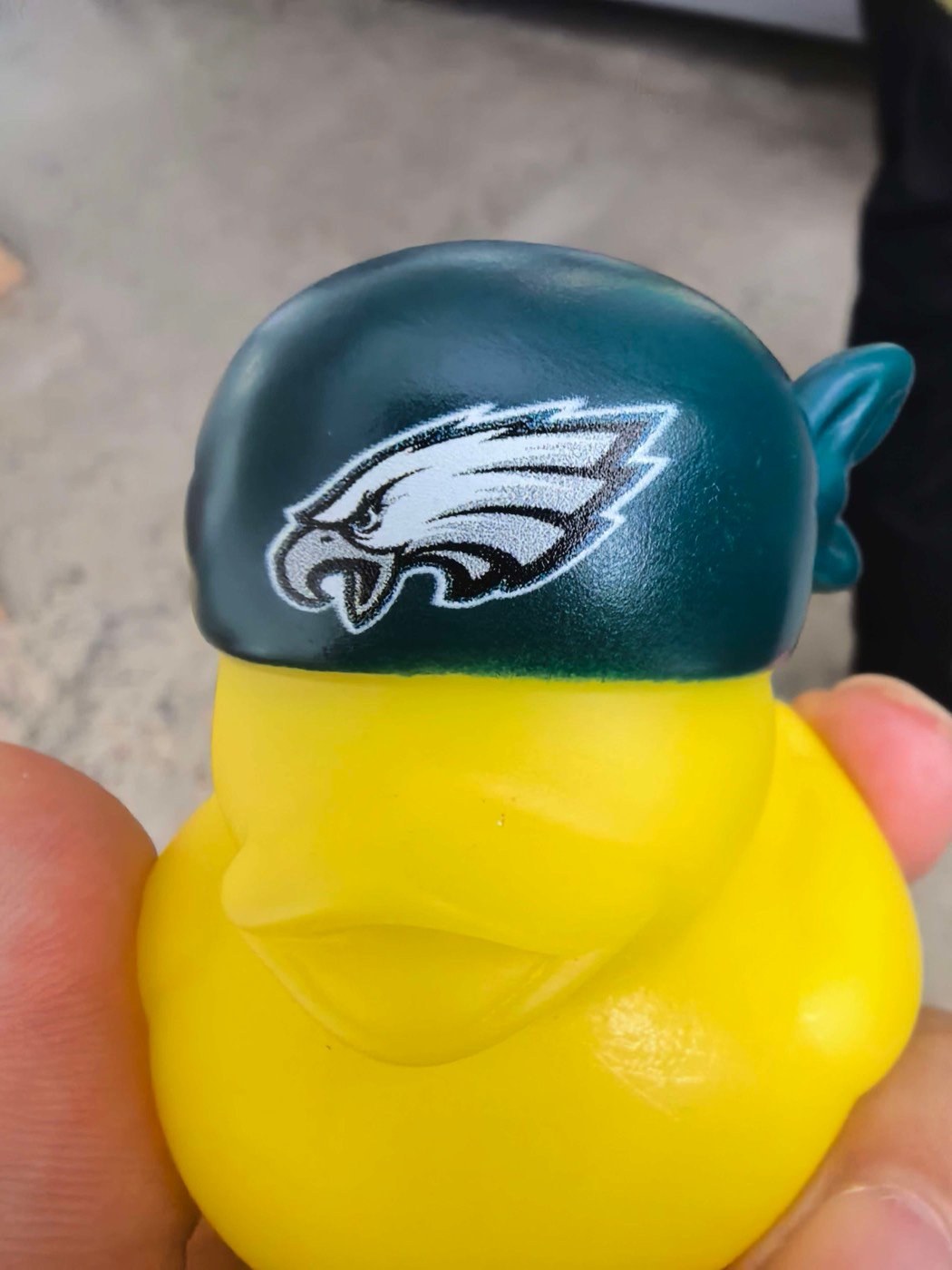
Retention is where the upgrade’s value is claimed, and the claim is testable. The practical evidence: shaped ducks photograph better (a product-shaped duck in a desk photo carries the brand twice — the shape and the print), they generate more posts in giveaway formats (the absurdity factor compounds), and they survive the “keep or re-gift” decision better than generic shapes. The honest counterpoint: a logo-only duck with excellent print quality and a strong colorway retains well too, especially at giveaway volumes where the recipient is a stranger to the brand. The decision rule that respects both: shaped ducks for programs where the audience already knows you (loyalty, community, existing customers — the shape deepens recognition), logo-only ducks for acquisition programs where the audience does not (the print is doing the introducing anyway). For the print-quality side of the logo-only path, the logo detail guide covers the artwork rules that keep small logos legible.
When the Upgrade Pays Off: The Decision Framework
Run the program through four questions. Volume: will you order 10,000+ units over the program’s life? (Below that, the mold amortization rarely wins.) Lifespan: is the duck a one-off campaign or a recurring asset? (A recurring asset — an annual event, a mascot, a loyalty reward — amortizes the mold across seasons.) Audience: do recipients already know your brand? (Known audience: shape deepens; unknown: print introduces.) Lead time: can you wait 20–35 days for tooling and samples? If three of four answers are yes, the custom-shape upgrade pays off first; otherwise logo-only is the rational start, with the mold as the follow-up investment once the program proves volume. Many brands run exactly that sequence — logo-only pilot, measured retention, then the mold — which is the lowest-risk version of the upgrade. The custom rubber ducks page covers both paths, and the product development page explains the mold process for the second step; whichever path a program takes, the finished duck remains a toy product, so the ASTM F963 toy safety specification applies to the materials and small parts in both constructions.
Production Specs That Change the Math
Three specs move the comparison. Size: a larger duck costs more per unit but carries more print area and more perceived value — the sweet spot for logo-only programs is the standard 2.9-inch jeep-duck size or the 3-inch promo size, while shaped ducks often work best at 3–4 inches where the shape reads. Finish: matte hides minor surface marks and photographs well in flat light; gloss pops under bright light and reads as premium — the finish choice affects the print method (pad print on matte, UV on gloss) and the per-unit cost. Squeaker: adds $0.05–0.15 per unit and changes the product category (a squeaking duck is a toy, with toy-safety implications for children’s audiences); silent ducks keep the program in promo-merch territory. For the safety side of any duck program, the rubber duck safety testing guide covers the CPSIA and ASTM requirements that apply regardless of the upgrade path.
FAQ
How much does a custom rubber duck mold cost?
Tooling starts in the low thousands of dollars depending on size and detail, plus 20-35 days lead time including the 7-day sample cycle.
When does a custom shape pay off vs logo-only?
When three of four conditions hold: 10,000+ lifetime units, a recurring program, an audience that already knows the brand, and schedule tolerance for tooling lead time.
Do shaped ducks retain better than printed ducks?
Yes for known audiences – the shape deepens recognition and photographs better; for acquisition audiences the print is doing the introducing, so logo-only retains comparably at lower cost.
What is the best size for a custom duck?
3-4 inches for shaped ducks where the silhouette must read; the standard 2.9-inch or 3-inch sizes for logo-only programs balance print area and per-unit cost.
Start with the math, not the aesthetics: pilot logo-only, measure retention, and let the mold follow the proven volume. For the print side of the pilot, the logo detail guide keeps small logos legible, and the mold cost breakdown prepares the upgrade.